Why Iran Is Concerned About the Erdogan-Assad Meeting Amid Normalization Talks

Iran understands that any rapprochement between Ankara and Damascus could negatively impact its influence in Syria.
Turkiye is accelerating efforts to open a "new chapter" in relations with the Syrian regime, aiming to end the rift that has persisted since 2011 due to the major crimes committed by Bashar al-Assad against hundreds of thousands of Syrians.
In July 2024, Turkish President Recep Tayyip Erdogan repeatedly invited Syrian President Bashar al-Assad to visit Turkiye or meet him in a third country.
While Russia has repeatedly encouraged a meeting between Assad and Erdogan, Iran, Assad's primary ally, appears reluctant to see relations between the two sides improved, according to observers.
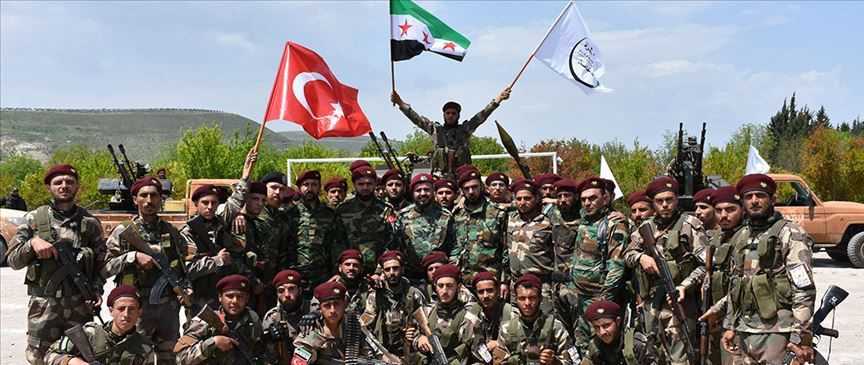
A New Path
On July 11, 2024, while returning from Washington D.C. after attending the NATO summit, Turkish President Recep Tayyip Erdogan confirmed that Minister of Foreign Affairs Hakan Fidan is "currently outlining a roadmap" for a meeting with Assad.
Erdogan emphasized that "no one should be upset about building a new and unified future for Syria" and urged both the U.S. and Iran to support this positive development.
The mention of Iran underscored Tehran’s reluctance to see Turkiye mend relations with the Syrian regime. In contrast, Russia has stressed the importance of normalizing relations between Turkiye and Syria for a comprehensive resolution in Syria and regional security.
Russian Foreign Ministry spokesperson Maria Zakharova welcomed Turkiye’s efforts, stating, "We encourage our partners to continue communications and appreciate Turkiye's steps towards normalization."
However, Iran has not responded to Erdogan's appeal for it to support Turkiye’s peace-building efforts.
Since 2012, Iran has militarily intervened in Syria to support Assad, who was threatened by the popular uprising in 2011, while Turkiye has supported the opposition.
Currently, Iranian militias in Syria number around 100,000, spread across Damascus, its suburbs, Deir ez-Zor, Aleppo, Homs, Hama, and southern Syria.
Damascus, meanwhile, has maintained its preconditions for resolving the dispute with Ankara. On July 13, 2024, the Syrian Foreign Ministry outlined conditions for normalizing relations with Turkiye, demanding the withdrawal of "illegally present" Turkish forces and combating terrorist groups that threaten both Syria and Turkiye.
The Syrian statement indicates that normalization hinges on reverting to the pre-2011 status quo, a stance that observers believe sets the process back to "square one" due to Turkiye’s continued military presence in northern Syria, which Assad calls "Turkish occupation."
According to the Syrian opposition Jusoor for Studies Center, Turkish forces operate 129 military and security sites in Idlib, Aleppo, ar-Raqqah, and Hasakah, along with 14 civil service centers and 27 humanitarian aid centers in northern Syria.
Northwestern Syria, outside Assad’s control, hosts 5 million displaced people who receive international aid through the Bab al-Hawa border crossing with Turkiye, while 3.3 million Syrian refugees reside in Turkiye.
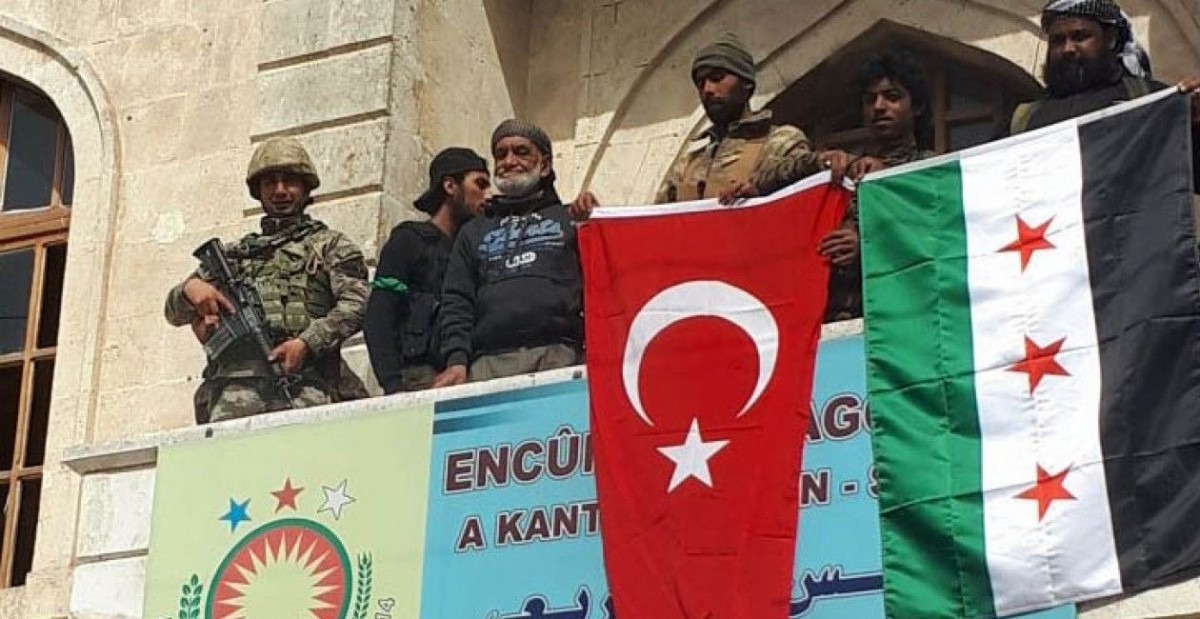
‘Security Belt’
Since indirect talks began with Turkiye in late 2022, Assad's regime has focused on Turkish military presence in northern Syria, demanding the withdrawal of Turkish forces before discussing other issues.
In a combative tone, Assad stated during an interview with Sky News Arabia on August 9, 2023, "Why should I meet with Erdogan? Just for refreshments? We need a clear objective."
"Our goal is to remove Turkish forces from Syrian territory, while Erdogan’s goal is to legitimize the Turkish occupation of Syria [..] therefore, the meeting cannot be held on his terms."
Notably, Iran shares Syria’s stance on the withdrawal of Turkish troops from Syria. Amid efforts to bridge the gap between Ankara and Damascus, Tehran proposed a plan for the Turkish troop withdrawal. Former Iranian Foreign Minister Hossein Amir-Abdollahian stated on September 19, 2023, that Turkiye should first withdraw its military from Syria and that Syria should deploy its forces along the border to prevent threats to Turkiye, with Iran and Russia as guarantors.
Events suggest that Iran was not genuinely engaged in mediating relations between Ankara and Damascus as Russia has been. Tehran only mentioned improving Syria-Turkiye relations when Erdogan announced on May 29, 2022, plans to complete the "security belt" along Turkiye’s border with Syria and to launch a military operation against PKK affiliates aiming for a separatist entity in northern Syria.
Following this, Abdollahian visited Turkiye on June 27, 2022, for four days, acknowledging Turkiye’s security concerns and suggesting a military operation. Abdollahian then traveled to Tehran and later Damascus, stating on July 2, 2022, that his visit aimed to advance peace and security through improved Syria-Turkiye relations. However, no significant Iranian efforts to normalize relations followed. Russia and Turkiye frequently consulted on restoring relations with Syria without Iran’s involvement.
On December 28, 2022, the Russian Defense Ministry announced a trilateral meeting between Russian, Turkish, and Syrian defense ministers in Moscow to discuss relations, notably without Iran’s participation, raising questions about Tehran’s exclusion.
By late January 2023, Erdogan confirmed the possibility of Iran participating in the trilateral talks to restore relations with Syria. Concurrently, Assad stated that meetings with Turkiye should be coordinated with Russia to be effective, aiming for tangible results for Syria.
Turkiye’s Minister of National Defense Yasar Guler outlined Turkiye's conditions for withdrawing its troops in early June 2024: ensuring a secure environment, safe Turkish borders, a comprehensive Syrian constitution, and free elections. Turkiye’s insistence on a new Syrian constitution and elections indicates its commitment to UN Security Council Resolution 2254 from 2015, which outlines a political solution through transitional governance, a new constitution, elections, and counter-terrorism measures.
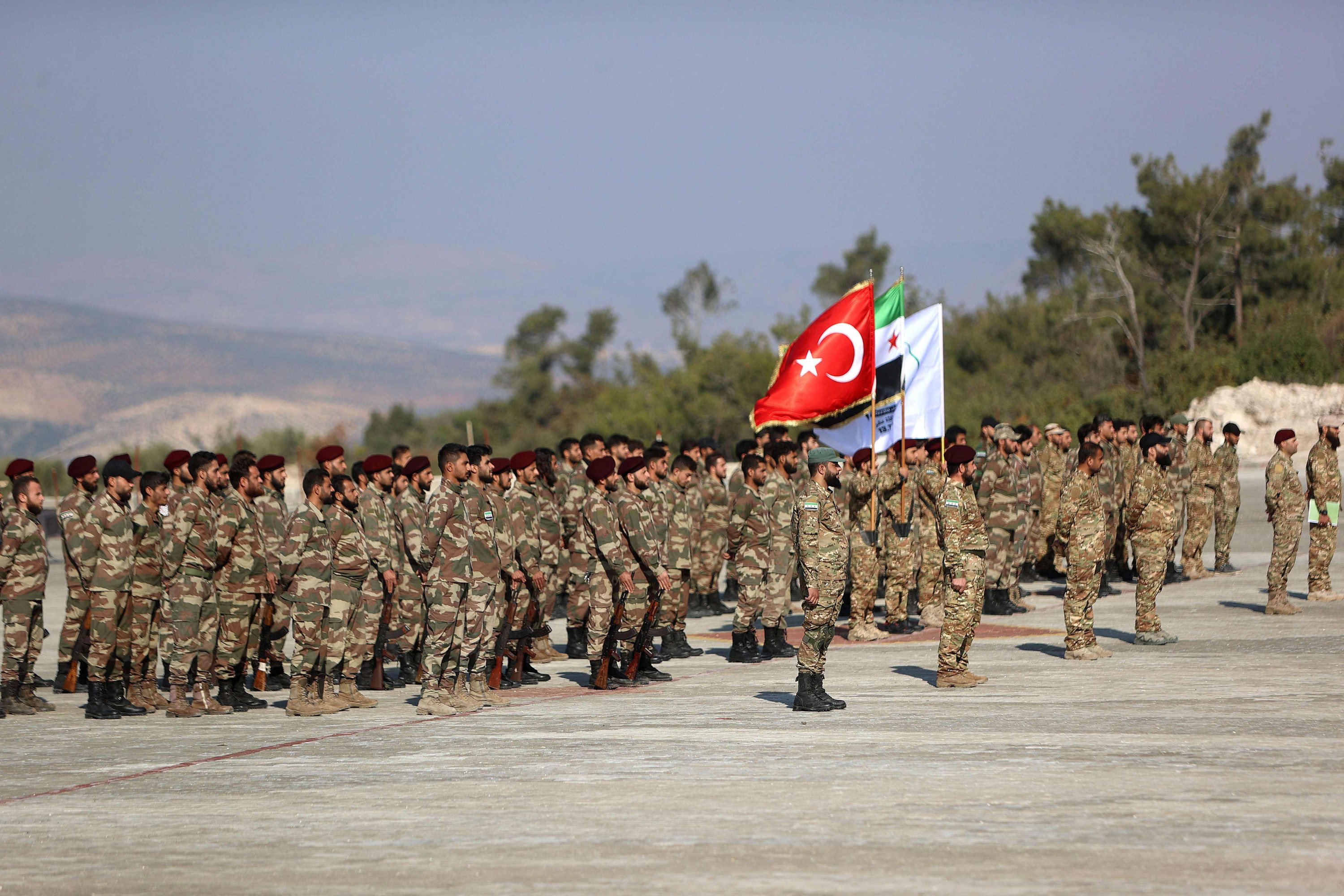
Iran's Concerns
Commenting on the situation, Iranian affairs expert Ammar Jalo noted that Iran’s view of the Turkiye-Syria relationship is complex. Tehran wants Assad's return to international relations, which would mean the end of the revolution and benefit Iran by strengthening its ally.
"Iran previously tried to improve relations between Turkiye and Assad in 2022, but it deeply understands that any normalization between them threatens its interests for several reasons," Jalo told Al-Estiklal.
Primarily, according to Jalo, "Iran does not fully trust Assad; it views him as an ally but one who prioritizes his own interests over Iran's if they conflict."
Jalo also pointed out that "Turkiye has much more to offer Assad in terms of economic benefits than Iran, which can only provide militias, some smuggled oil, and minor services. Turkiye’s economic influence is evident through the presence of Turkish goods in Syrian markets despite strained relations."
Normalization between Ankara and Damascus would open Syrian territory as a commercial land route from Turkiye to the Gulf states, benefiting both Turkiye and the Gulf, which are opposed to Iran, given Turkiye's regional strategic competition with Iran.
Thus, Jalo suggests that "Iran is wary of improving relations between Damascus and Ankara, fearing it could undermine its influence in Syria and threaten its militias near the Turkish border."
Similarly, the Syrian National Coalition, an opposition political alliance, believes that "Iran realizes any rapprochement between Ankara and Damascus could negatively impact its influence in Syria."
In a report published on July 13, 2024, the coalition stated that for Tehran, Turkish-Russian understandings could mean losing some control over Syrian territory to Moscow.
Therefore, Iran seeks to prevent Russia from being the primary mediator in Syria-Turkiye negotiations to avoid being sidelined."
The coalition also noted that Iran intervened to obstruct attempts by the Iraqi government to hold meetings between Turkiye and the Syrian regime, reflecting Iranian concerns about the impact of these meetings on its influence in Syria, especially without a clear vision for the future of these talks."
Ironically, as Turkiye sought rapprochement with Syria, Iranian Interim President Mohammad Mokhber sent a draft of a 20-year strategic economic cooperation agreement between Iran and Syria to the Iranian parliament on July 8, 2024.
The draft includes Syria repaying its debt to Iran, over $50 billion spent over 10 years to support Assad’s regime, according to a document published by the Iranian opposition group Revolution to overthrow the Regime after hacking the Iranian presidency's website and disseminated by media on August 10, 2023.
In September 2023, Syria TV reported a leaked secret message from an Iranian opposition group close to People's Mojahedin Organization of Iran, warning former Iranian President Ebrahim Raisi that regional adversaries like Turkiye and the UAE were trying to limit Iran’s economic influence in Syria's future and during reconstruction.
The message emphasized that neglecting Syria's reconstruction period could undermine Iran’s achievements and expenditures over the past decade.
Notably, Iran has been aggressively acquiring vital sectors in Syria, successfully signing more contracts with Assad than the Russians, all linked to the Iranian Revolutionary Guard.
For example, Iran signed around 35 agreements with the Syrian regime in 2019, 23 of which were signed in January alone, following numerous contracts and economic memorandums.
Sources
- Erdogan calls on the United States and Iran to support the path of normalization with the Syrian regime [Arabic]
- Iranian Foreign Minister: My visit to Damascus aims to improve relations between Turkiye and Syria [Arabic]
- An informant announces that a draft economic cooperation agreement between Iran and Syria has been sent to Parliament [Arabic]
- Erdogan does not rule out meeting Assad in a third country [Arabic]
- Moscow comments on Erdogan’s calls for the waters to return to normal with Damascus and its connection to the comprehensive solution in Syria [Arabic]
- Syria confirms that the return of the relationship with Turkiye is based on the return of the situation that prevailed before 2011 [Arabic]