Beyond Iran’s Losses: Why Iraq Stands to Suffer Most From a Strait of Hormuz Closure
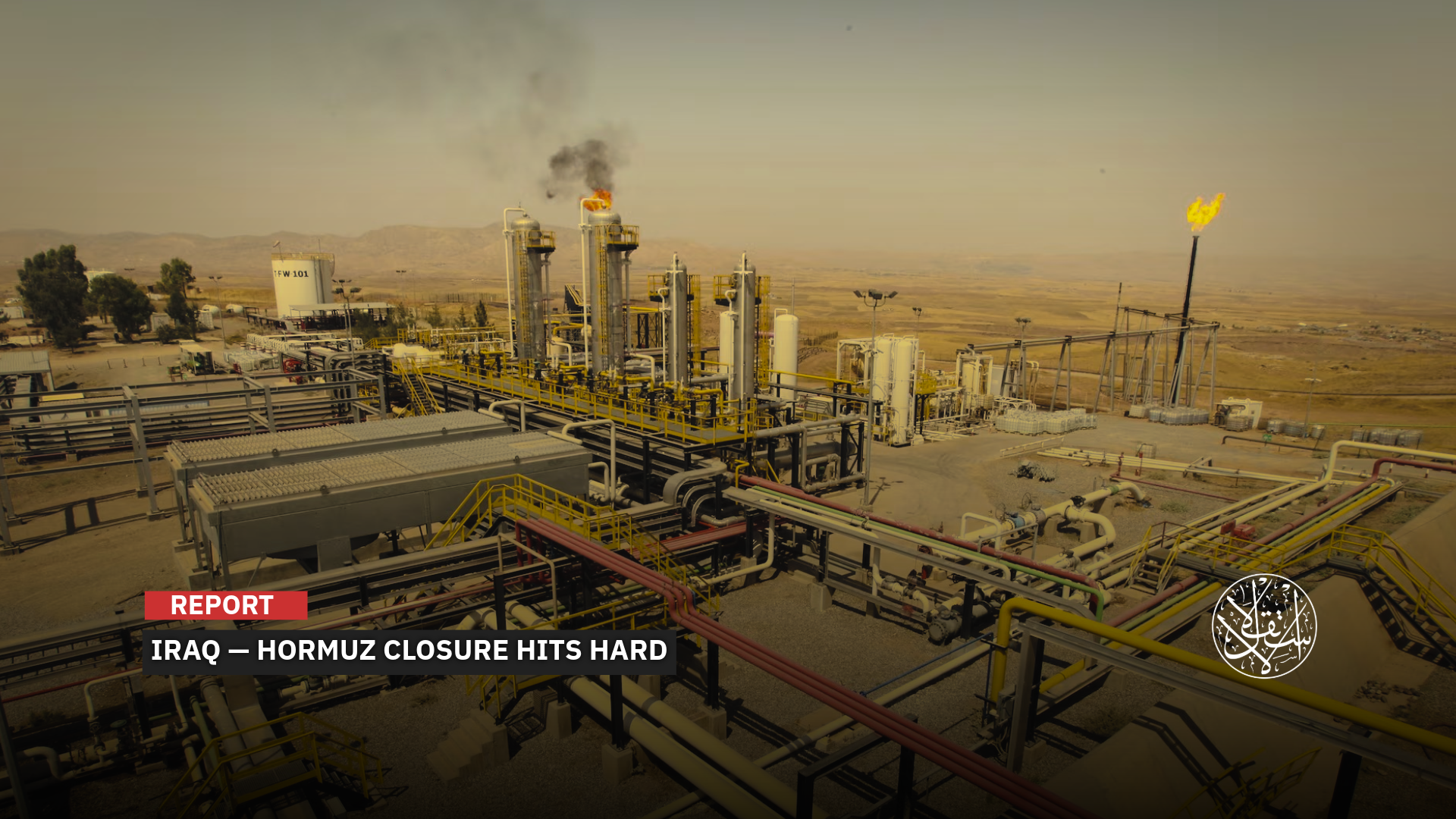
Iraq is losing about $200 million a day due to halted oil exports.
As the U.S.–Israeli war on Iran intensifies, Iraq has been pushed into a deepening economic crisis, especially after Tehran decided to close the Strait of Hormuz, the narrow waterway that serves as a lifeline for Iraqi oil exports.
The timing could hardly be worse. Iraq’s economy depends on oil for roughly 90 percent of its revenue, leaving it acutely exposed to any disruption. The closure has delivered an immediate shock to the national budget and sent ripples through already fragile domestic markets.
Iran followed through on a long-standing threat, effectively shutting down one of the world’s most strategic maritime corridors. The strait typically carries around a fifth of global oil and liquefied natural gas supplies, and its closure has brought shipping traffic to a standstill.
Tehran framed the move as a direct response to the wave of U.S. and Israeli strikes on Iranian territory since February 28, 2026, raising the stakes in a war that is now spilling into global energy routes.
Washington has moved quickly to respond. On March 14, President Donald Trump said the United States would coordinate with a group of countries to secure navigation through the strait, calling on nations that benefit from its oil flows to share responsibility for keeping it open—an effort aimed at limiting economic fallout and restoring supply lines.
But Iran’s message has been equally clear. Foreign ministry spokesman Hamid Baghaei said the Strait of Hormuz would not remain open to countries seeking to harm Iran, adding that shipping was now operating under exceptional conditions shaped by instability and the realities imposed on the waterway.
Exports Grind to Zero
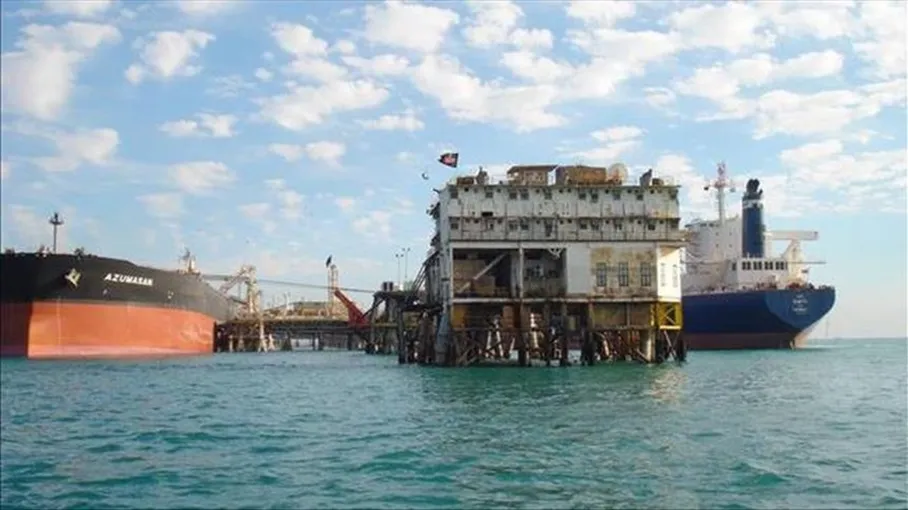
Amid the disruption in the Strait of Hormuz, Iraq has sharply scaled back its oil production, cutting output from around 4.4 million barrels a day to roughly 1.5 million. The aim is to meet domestic refinery demand and keep fuel supplies flowing, but the result is clear: exports have effectively dropped to zero.
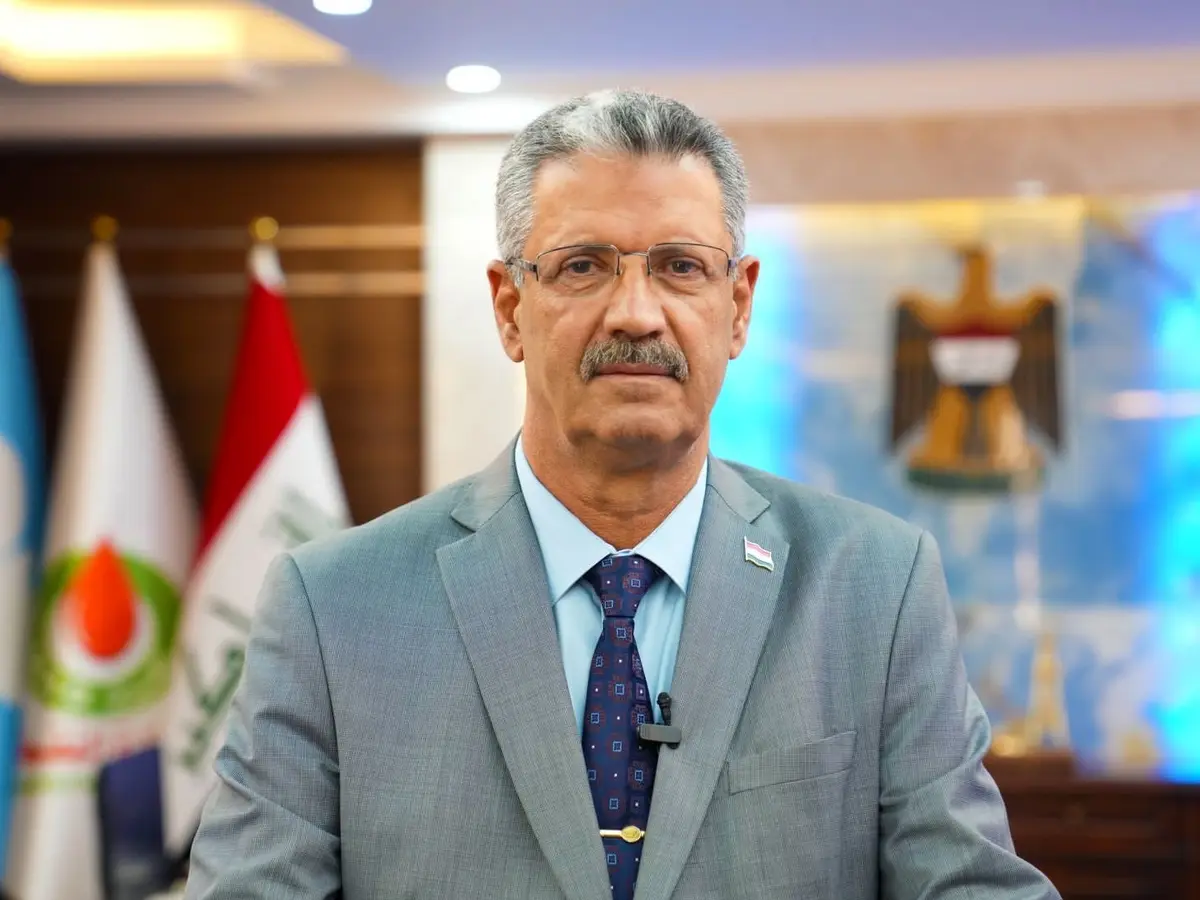
Deputy Prime Minister for Energy and Oil Minister Hayan Abdul-Ghani has outlined emergency alternatives as shipments through Hormuz remain halted. He said the Kirkuk–Turkiye pipeline could be operational within a week, offering a limited outlet for exports.
Speaking to Reuters on March 16, Abdul-Ghani confirmed that Iraq’s crude production still stands at about 4.4 million barrels per day under its OPEC quota. But military operations in the Gulf and the closure of the strait brought exports to a standstill just days after the war began.
Before the shutdown, Iraq was exporting around 3.4 million barrels a day through its southern ports, especially Basra. With Hormuz closed, the oil ministry has been forced to scale back production across major fields, bringing output down to about 1.5 to 1.6 million barrels per day to cover domestic needs, including power generation.
The Kirkuk–Turkiye pipeline, with a capacity of roughly 200,000 to 250,000 barrels per day, is now undergoing final testing. About 100 kilometers remain to complete hydrostatic checks, after which oil could begin flowing through the line without passing through the Kurdistan region, according to the minister.
Production has already been halted at several major fields, including West Qurna 1 and 2, Faihaa, and Majnoon, as well as fields in Maysan such as Halfaya and Buzurgan. Output continues at reduced levels in central fields to supply gas for power plants.
According to Bloomberg, Iraq has also begun shutting down the Rumaila field, the country’s largest and one of the biggest in the world, operated by BP in partnership with Iraq and PetroChina.
Shipping activity has slowed dramatically. Only three tankers were loaded in March at the Basra terminal, less than half the number recorded in the first three days of February. Just three vessels have docked at Iraq’s seven loading points, while at least ten tankers loaded with Iraqi crude since February 21 remain stranded in the Gulf, unable to pass through the Strait of Hormuz.
Billions in Losses
With oil exports at a standstill, Iraq is bleeding an estimated $200 million a day, or roughly $6 billion a month. The hit goes straight to state revenues, raising immediate concerns about the government’s ability to pay salaries and pensions and meet its broader financial obligations.
“The economic damage from the closure of the Strait of Hormuz may be even more severe for Iraq than for Iran. Iraq’s economy depends almost entirely on oil, not only for revenue but also for power generation and gas supplies,” Iraqi economist Salah al-Aribi told Al-Estiklal.
The country lacks a strong industrial or agricultural base and relies heavily on imports that must pass through the same disrupted shipping routes.
Iran, by contrast, has a more diversified economic base and does not depend as heavily on imports for basic needs. That imbalance, al-Aribi warned, leaves Iraq in what he described as a “dangerous phase,” especially as foreign oil companies begin to pull back, making any return to previous production levels a slow and uncertain process.
The scale of the losses is stark. At $200 million a day, the strain on public finances is immediate, squeezing the liquidity needed to fund wages and essential spending.
Proposed solutions from Iraqi officials, al-Aribi said, amount to little more than stopgap measures. Ideas such as transporting oil by tanker trucks or relying on the Turkish port of Ceyhan’s pipeline would generate, at best, around $1 billion if fully implemented—far short of offsetting the losses.
Even allowing Iraqi tankers to pass through the strait would not be enough to restore confidence. Rising insurance costs and heightened risk are likely to deter foreign companies from returning to Iraqi ports, deepening the crisis.
Financial adviser to the prime minister Mazhar Mohammed Salih warned that the economic fallout could begin to surface within two months if the closure continues, according to the Iraqi News Agency (INA).
He added that the full impact would likely become visible by the fifth or sixth month, potentially forcing the government to turn to domestic borrowing to cover salaries and external obligations. Iraq still holds sufficient foreign reserves to withstand the pressure for up to five months, he said, though temporary austerity measures may become unavoidable.
Opportunity Slips Away
The current crisis has laid bare a deeper, long-standing weakness in Iraq’s oil export system. As oil expert Yesar al-Maleki of the Cyprus-based Middle East Economic Survey said, the country’s infrastructure lacks the flexibility to handle sudden disruptions.
“This situation has exposed longstanding structural weaknesses in Iraq's oil export system,” he told AFP.
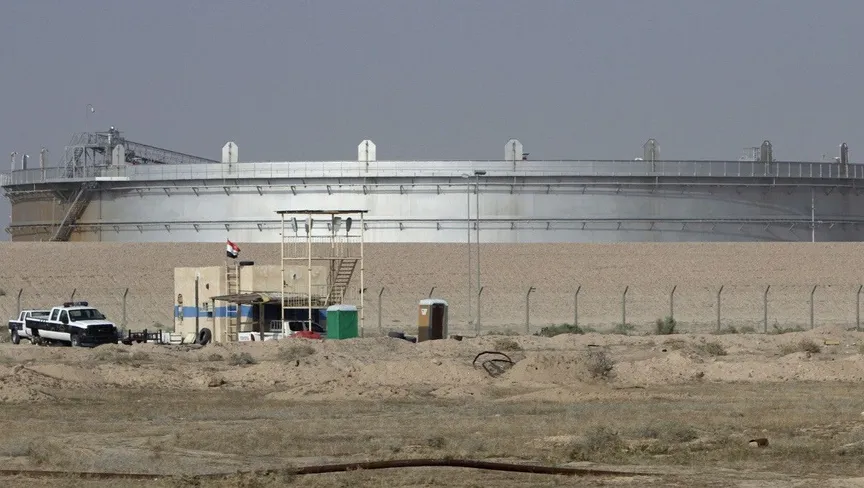
Pipelines, storage facilities, pumping stations, and transport networks have all suffered from years of underinvestment, leaving Iraq with limited room to maneuver when exports are interrupted.
Al-Maleki pointed in particular to the country’s constrained refinery storage capacity, warning that it could force even deeper production cuts. He also noted that oil revenues typically take two to three months to reach government accounts, meaning the full financial impact of halted exports may only become clear by May.
The structural imbalance is stark. Around 99 percent of Iraq’s oil production comes from the south, especially Basra, yet the country lacks the infrastructure needed to redirect large volumes of crude toward alternative export routes.
That leaves Iraq in a paradoxical position. Despite being a major global oil producer, it is unable to fully benefit from the surge in prices triggered by the closure of the Strait of Hormuz.
The result is mounting pressure on foreign currency reserves and growing risks to the stability of the Iraqi dinar against the dollar, underscoring how a moment of potential gain has instead turned into a costly missed opportunity.
Writing on X on March 15, Iraqi politician and former intelligence official Salim Aljomaili said Iran, which he described as a strategic backer of Shiite forces in Iraq’s government, is effectively blocking the country’s oil exports and forcing the shutdown of fields for at least two weeks.
He warned that such disruptions could cause serious technical damage to oil reservoirs, weakening future extraction capacity and making it extremely difficult to restore wells to previous levels of efficiency. The longer-term cost, he said, would be significant economic losses and a gradual erosion of Iraq’s share in global oil markets.
Iraqi oil expert Nabil al-Marsumi said that oil would be decisive in the war, arguing that whoever controls the Strait of Hormuz will ultimately shape the outcome.
His comment underscored the strait’s central role in the global oil system and its power to tilt the economic and political balance across the region.
Sources
- How is the Mideast war impacting Iraq's oil industry?
- Iraq plans pipeline revamp for direct Kirkuk oil exports to Turkey, minister says
- How Is Iraq’s Oil Sector Affected by Disruptions in the Strait of Hormuz? [Arabic]
- Oil Minister: Iraq Seeks Alternative Routes for Exports After Hormuz Closure [Arabic]
- Iranian Foreign Ministry: Strait of Hormuz Will Not Stay Open to Countries Seeking to Harm Us [Arabic]
- Iraq Warns of Delayed Financial Fallout from Disrupted Oil Exports via Hormuz [Arabic]