This Is How the Ban on Russian Mineral Supplies Will Affect the International Economy

A possible ban on Russian supplies by the London Metal Exchange was considered by the Bloomberg network as "a seismic event" for the world's metals industry, cutting off some of the largest companies from the main global market.
This also would lead to an increase in the prices of goods and services related to the minerals sector, which deepens international economic problems.
The LME has not made a decision yet, but on October 6, it launched a three-week formal discussion process on the possibility of banning Russian minerals, likely as soon as next month.
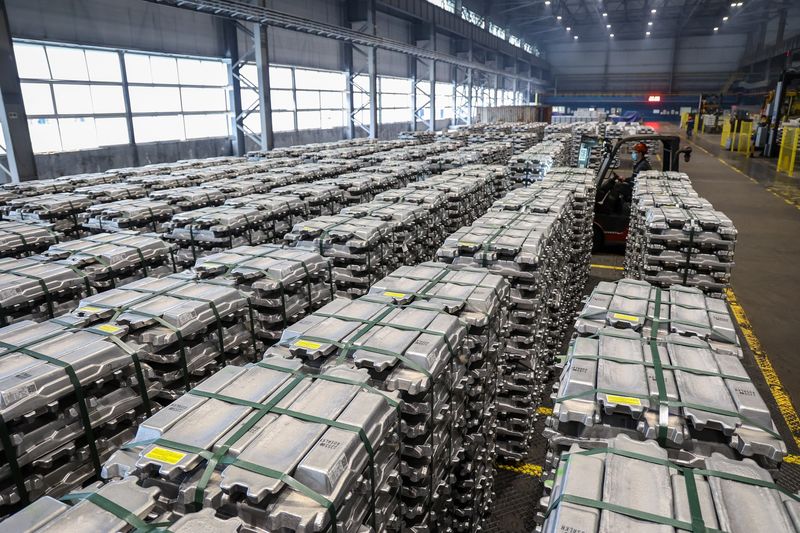
In practical terms, the ban could simply mean that the metal from Russia, which accounts for about 9% of global nickel production, 5% of aluminum, and 4% of copper, can no longer be delivered to any warehouses around the world in the LME (London Metal Exchange) network, which stores the metals used for delivery, in exchange for futures contracts when they expire.
Yet, the potential ban provides a stark case study of just how intertwined LME is with all corners of the metals industry. Despite being a private company, the network's decisions have far-reaching consequences for the way the metal is priced and traded globally.
Pressure Cards
More pressure is being imposed by the West on Moscow in order to discourage Russian President Vladimir Putin from his intrusive policies in Ukraine, as the European Union intends to target Metal exports in the next set of sanctions.
In June 2022, the G7 countries decided to ban gold exports according to what European Commissioner Maros Sefcovic announced during the meeting of European Foreign Ministers in Prague.
Meanwhile, the Canadian Ministry of Foreign Affairs announced in a statement the imposition of new sanctions on Russia that include iron and steel industries, computer manufacturing, electronic and optical products, vehicles, trailers and semi-trailers, and road and pipeline transportation.
Sefcovic said the bloc would also seek to close the ways to get away from the measures for those who bypassed previous European sanctions on Russia. The European Union has previously imposed six packages of sanctions on Russia, the latest of which included a ban on most Russian oil imports by the end of the year.
Russian Minerals Ban
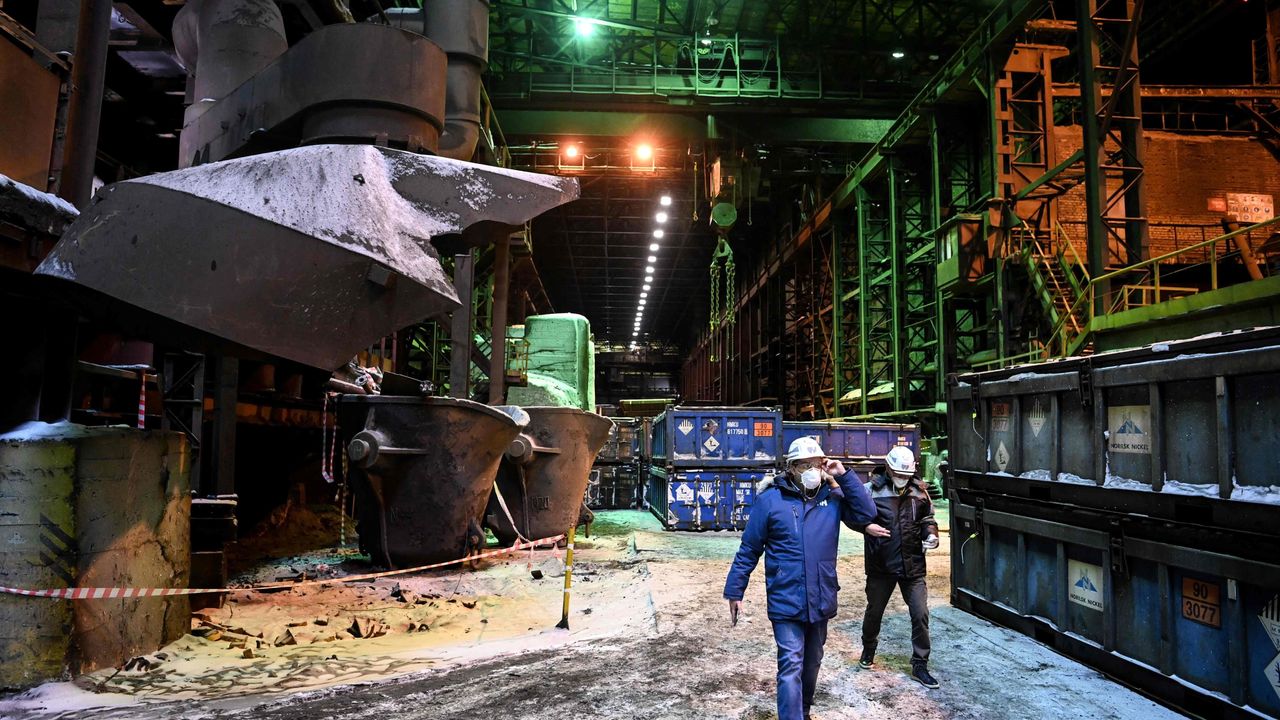
To be clear, Bloomberg explains that the vast majority of global metals are being sold from producers to traders and consumers without seeing what is inside the LME depot. Big producers, including the largest Russian united groups, Rusal International and MMC Norilsk Nickel, never sell their metals directly on the London Metal Exchange. However, the exchange nevertheless plays several vital roles.
First, it is the market of last resort for the physical metals industry, where metal stocks can be drawn into the global network of LME depots in moments of shortage, and in times of glut, excess stocks can be turned over to the London Metal Exchange.
In recent months, traders have been bracing for a glut, especially in aluminum, amid concerns about the state of the global economy. With some buyers shunning the Russian metal, traders expected aluminum from Rusal to be among the first to be delivered to the London Metal Exchange, with some anticipating inflows in the hundreds of thousands of tons. Rusal denied that it plans to deliver large quantities of its metal to the stock exchange.
Bloomberg noted that if new deliveries of Russian aluminum are banned, this will remove the potential excess of inventory. When Bloomberg first reported on the LME's plans for the ban, aluminum prices jumped 8.5%, the biggest intraday rise ever, as traders anticipating the influx of the Russian metal quickly reversed their short bets. As of October 7, prices were up nearly 10% from the last worst 19-month low.
Possible Scenarios
Any move by the LME would also have repercussions beyond warehouse flows. For example, some contracts between producers, traders, and consumers stipulate that the metal must be deliverable, which means that the ban imposed by the London Metal Exchange may lead to a breach of contracts.
As a result, any move by the LME could cause headaches for Rusal and Nornickel, as well as their biggest clients, according to Bloomberg.
Reuters listed the three possible scenarios for metal ban: "One option is to suspend Russian metal. However, the LME said it would not be appropriate to apply any suspension to metal that is already on warrant and stored in its warehouses. A second option would maintain the current position of no restrictions."
It added: "A third would introduce thresholds so that once Russian metal reaches a specified percent of stock in its approved warehouses for a particular metal, the LME would move to suspend further deliveries."
Sanctions Success
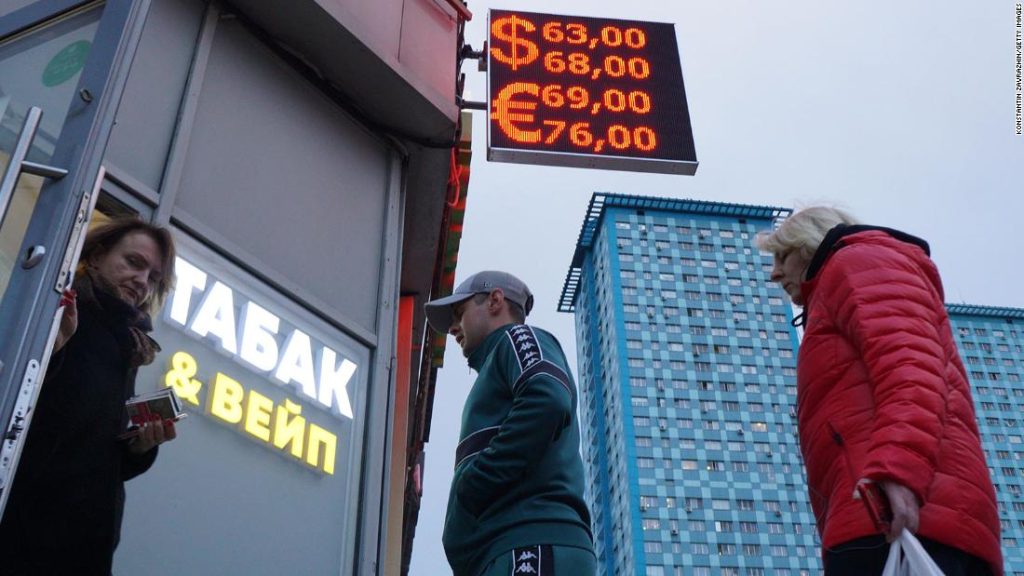
Soon after the Western world launched a wide range of sanctions against Russia over its war with Ukraine, US President Joe Biden argued that the measures had already almost caused the Russian economy to collapse, but seven months later, the picture looks complicated.
In an interview with Al-Estiklal, the economist and researcher at Sabahattin Zaim Soumia Rahali said: "While most economists agree that Russia is suffering real damage that will only increase over time, its economy, at least on the surface, does not seem to be on the verge of collapsing yet, and the initial depreciation of the ruble quickly reversed after the state limited currency transactions, and the Russian imports fell, the economic picture is not promising. However, it could be described for now as healthy. The state calmed the public's fears about the currency crisis."
Unemployment in Russia has not increased significantly because Russia continues to earn the equivalent of billions of dollars per month from oil and gas exports.
In Moscow and Saint Petersburg, even if prices have jumped, restaurants and bars are still crowded, grocery stores are full, and some imported goods are hard to find.
The International Monetary Fund expected "the Russian economy to contract by 6 percent this year, a sharp decline, but less than the 10 percent or more that some economists initially expected."