The Emirate of Afghanistan; An Overview of Taliban’s First Attempt to a State in 1996
With the closer approach of the announcement of the Islamic Emirate of Afghanistan, this will not be the first time Taliban has taken control over the government and announced itself as the ruler over all.
Taliban has been on an ongoing movement since the U.S. and other forces fighting in Afghanistan have declared their troops withdrawal from the land of the Afghans.
Despite Joe Biden’s announcement of the full exit of U.S. troops to end on 31 of August, the Taliban took its first glimpse of an opportunity to take over the country, city after another until they reached the presidential palace in Kabul on 15 of August, forcing frogein countries to evacuate its remaining diplomats and embassy staff, due to Taliban’s unexpected pace.
Modern history of Afghanistan has not seen much stability in the region, as ever since the end of the monarchy in 1973 until nowadays, civil wars and invasions had been consecutive for Afghanistan.
Before the U.S. invasion of Afghanistan back in 2001, the Islamic Emirate of Afghanistan, governed by the Taliban, ruled over the country from 1996 to 2001.
Taliban Early Days
The Taliban’s first leaders are known to have fought the Soviet occupation of Afghanistan (1979–1989) along with the Afghan mujahideen, who were said to be covertly supported by the American CIA, the Saudi GID (General Intelligence Directorate), and their Pakistani counterpart the ISI (Inter-Services Intelligence).
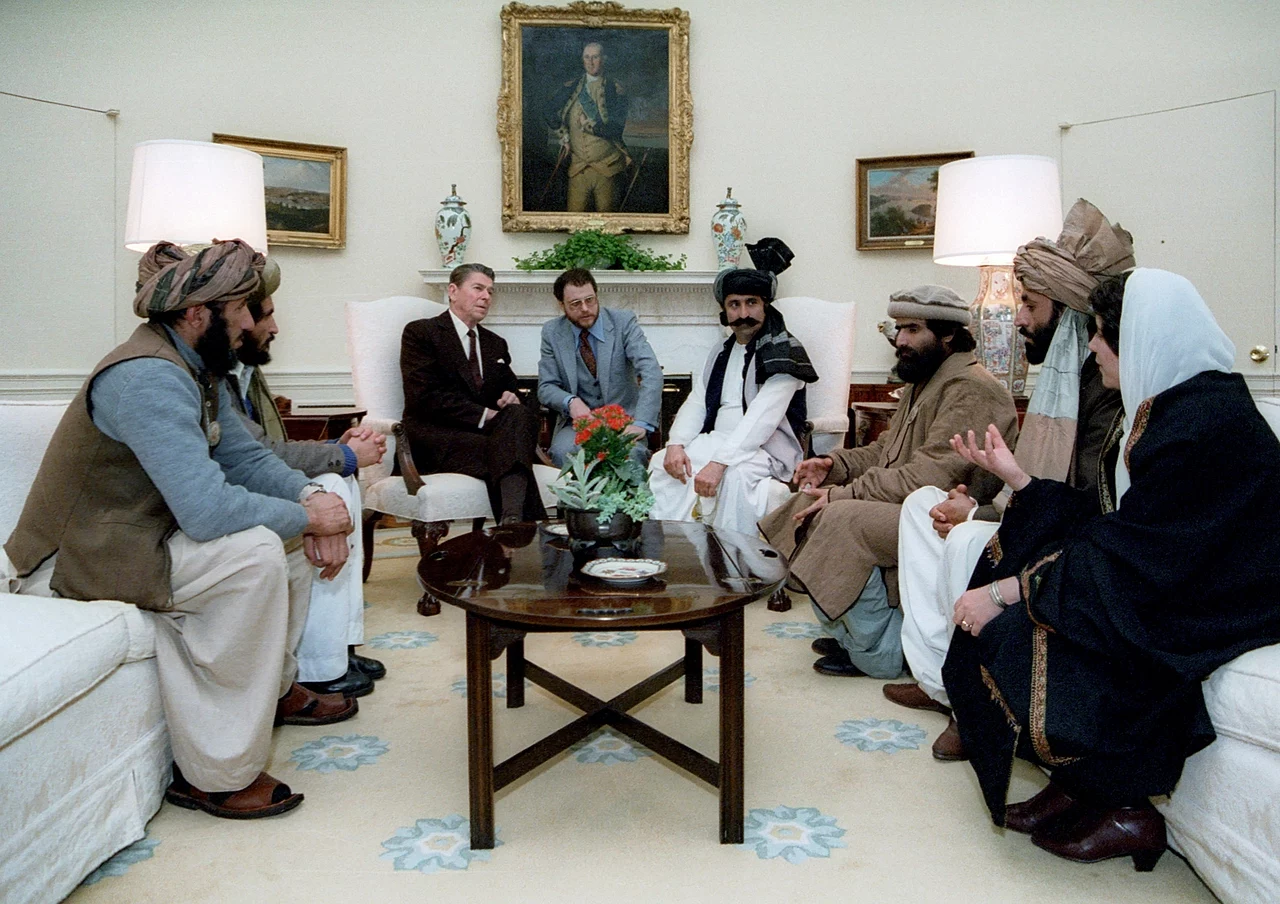
The Taliban movement is said to have first emerged on the military scene in August 1994, amid an ongoing Afghan Civil War. The Taliban started moving towards the capital Kabul from southwest where they first emerged from the Pashtunistan region, announcing its aim of liberating Afghanistan from its present corrupt leadership of warlords.
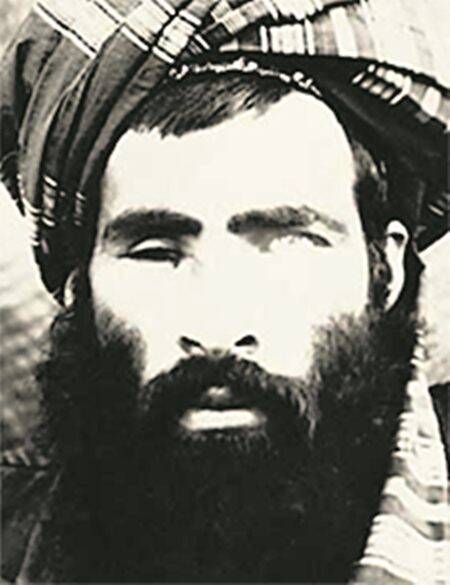
By November 1994, Taliban entered Kandahar to protect the city from ongoing crimes. Two year later by September 1996, Taliban was able to seize the capital Kabul from former President Burhannuddin Rabbani, and declared the establishment of the Islamic Emirate of Afghanistan, with Mullah Mohammed Omar, a veteran of the anti-Soviet resistance, leading as Amir al-Mu'minin (Commander of the Faithful).
The Taliban State
The Taliban fighters are basically madrassas students (Islamic schools), who took over the rule of 90% of Afghanistan by 1998. The rest of Afghanistan was in control of the Northern Alliance led by Ahmed Shah Massoud, and recognized by the United Nations (UN).
Only three countries have recognized the Islamic Emirate of Afghanistan between 1997 and 2001: Pakistan, Saudi Arabia, and the United Arab Emirates. The Pakistani military played a prominent role to support the Taliban against its enemies in Afghanistan. The United States accused Pakistan of being “in violation of U.N. sanctions because of its military aid to the Taliban.” Massoud, the anti-Taliban leader, and other international observers described Pakistan’s involvement as a “creeping invasion.”
Taliban in their rule of the Emirate sought to establish an Islamic government that follows a strict interpretation of Sharia Law, in accordance with the Hanafi school and the edicts of their leader Mullah Omar.
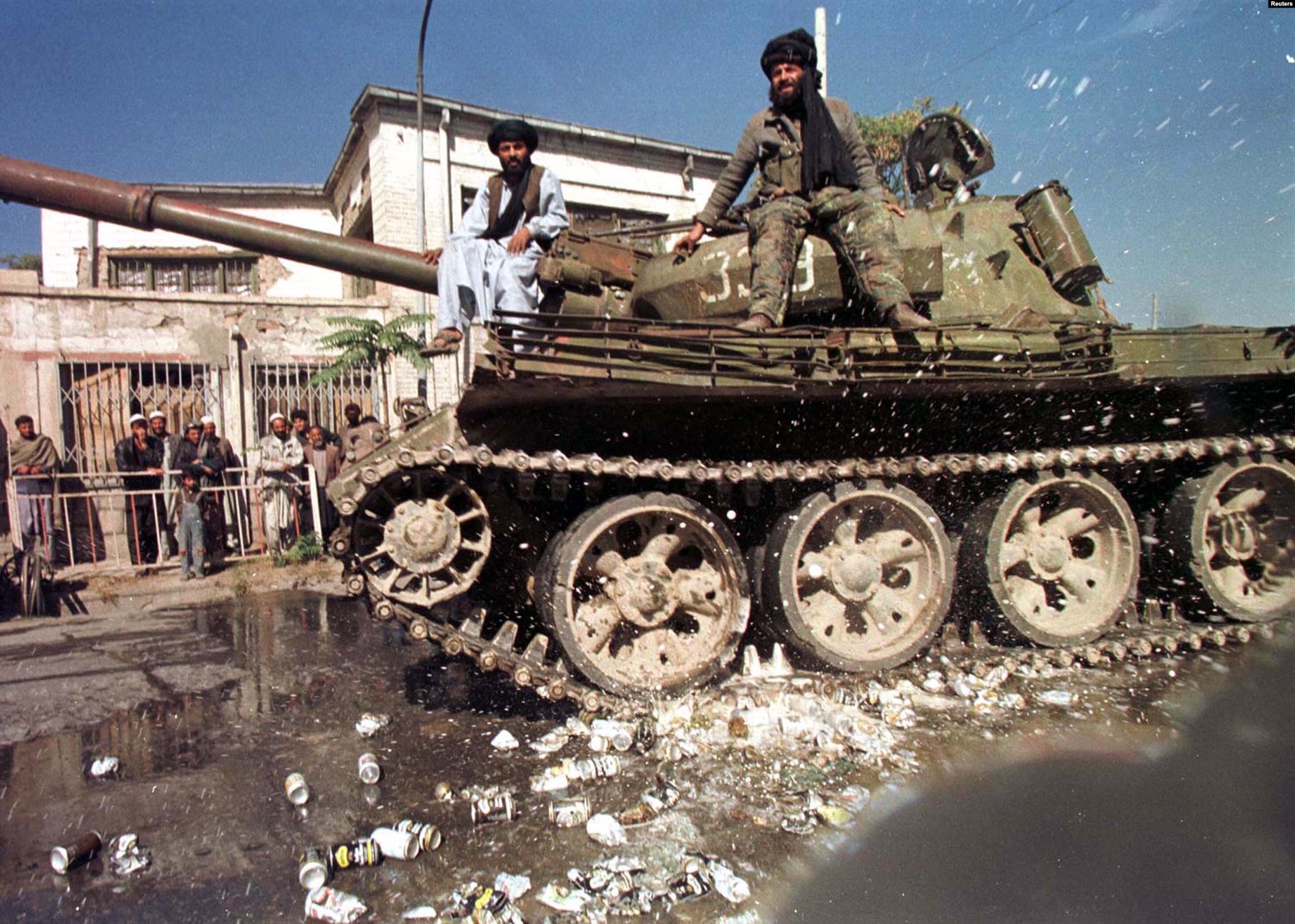
The Taliban rule attempted to replicate a sense of a modern state with ministries and central bank governors, yet many of these officials were military commanders that studied in Islamic school education.
The Islamic Emirate era is accused of strict control over the Afghans, having held public executions, most notably was of the former communist President Mohammad Najibullah, stopped schooling for girls, forced grown beards for men and burqas for women, banned football and music, among other measurements that the state applied following their strict interpretation of the Sharia Law.
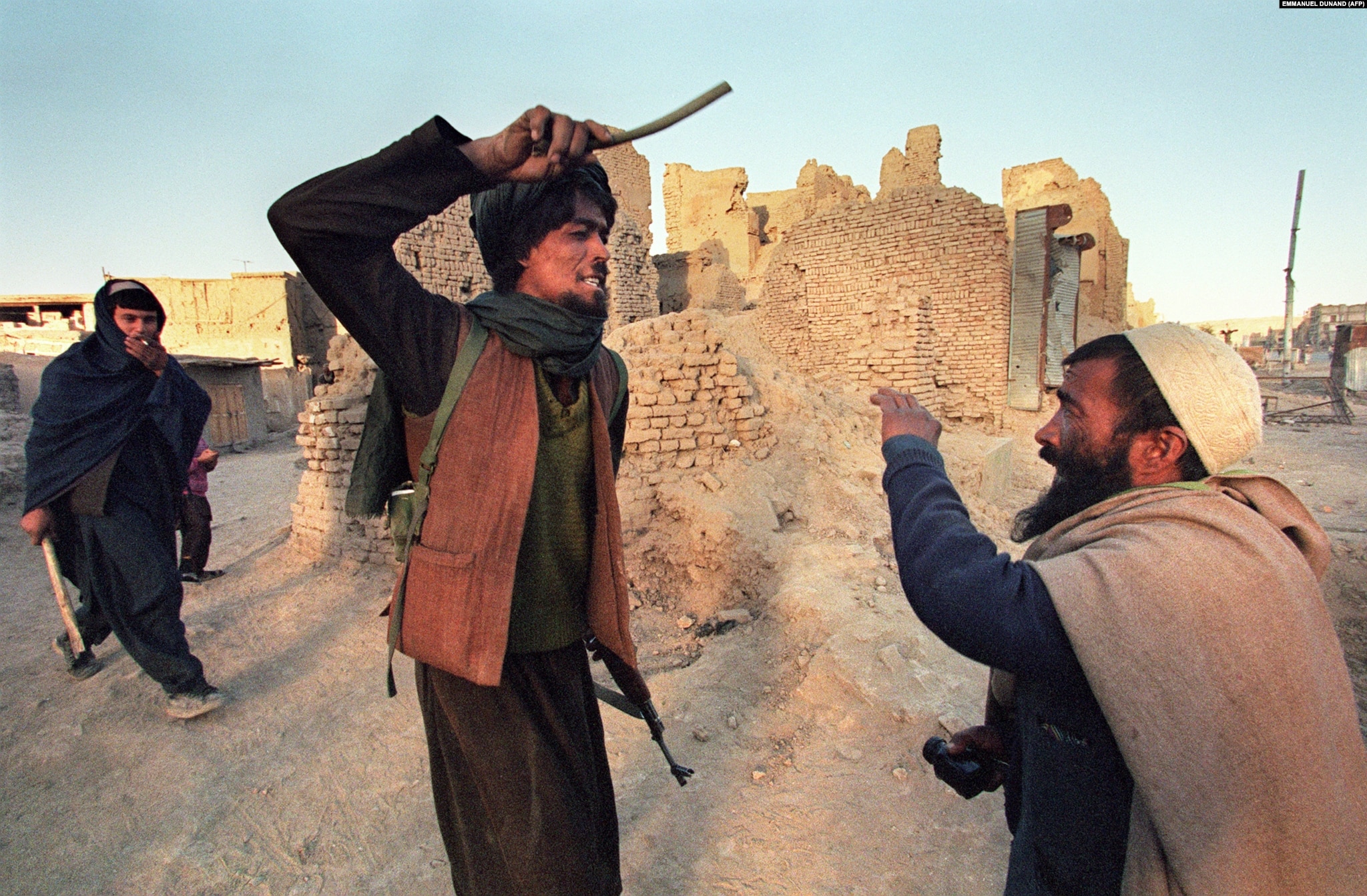
Taliban also dispatched squads of “morality police” from an agency called Promotion of Virtue and Elimination of Vice in charge of implementing Islamic rules, similar in concept to Saudi’s Committee for the Promotion of Virtue and the Prevention of Vice, or ISIS’s Hisba or morality police.
Al-Qaeda and September 11
Al-Qaeda arrived in Afghanistan in 1996 from Sudan, numbering around only 30 members at the time.
The difference between Taliban and Al-Qaeda was intrinsically in the school of Islamic thought they adhere to, as Taliban follows a Hanafi school of thought, while Al-Qaeda are associated with a more radical and more rigid Hanbali school of thought. One other prominent difference is that Taliban is all of Afghan ethnicity and Al-Qaeda is mostly Arabs.
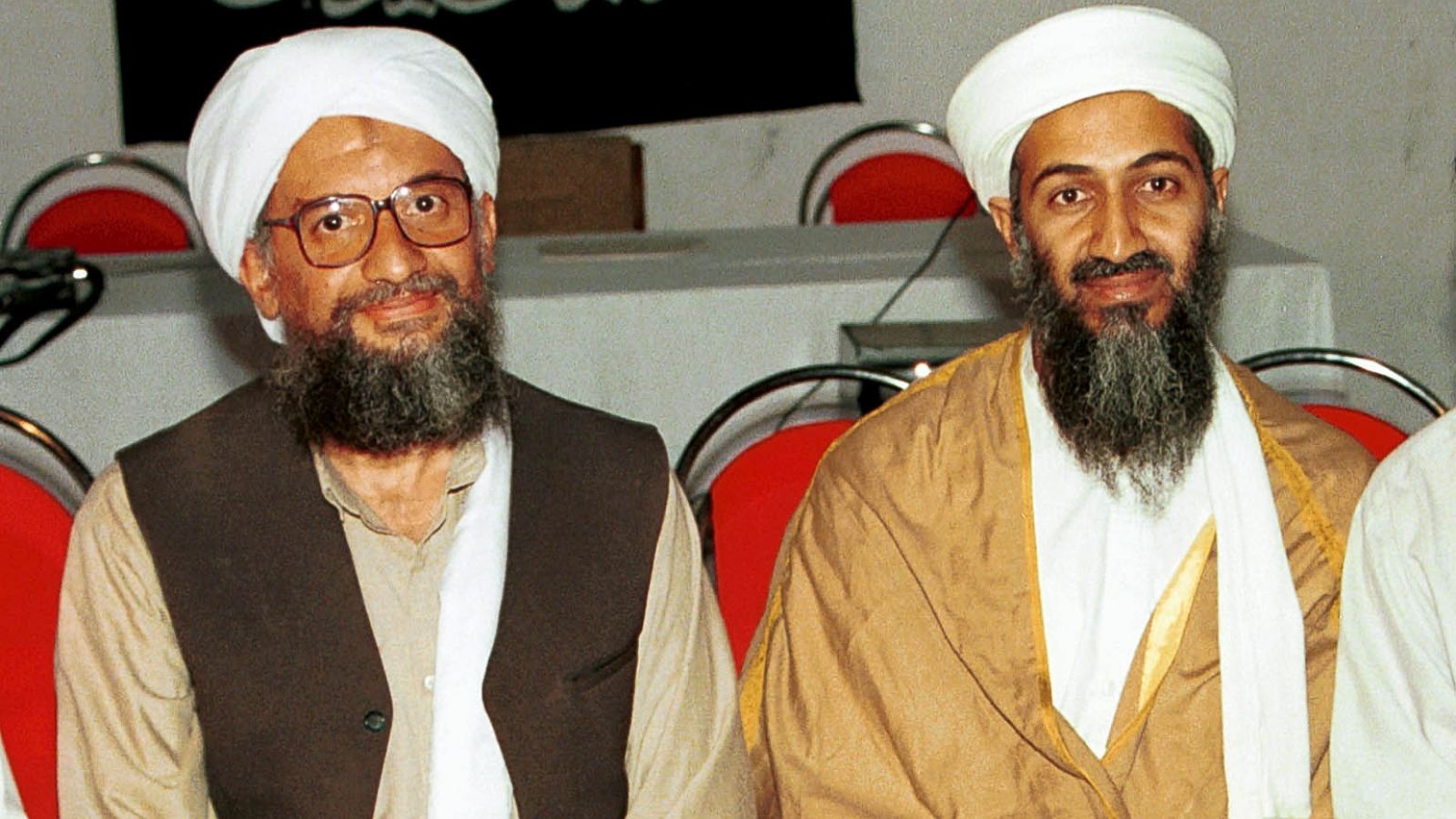
Al-Qaeda, led by Osama bin Laden and Ayman Al-Zawahiri, became a state within the state of the Taliban.
In 2000, the Taliban sought international aid, and so it rescinded an edict preventing women from working for international relief agencies. Yet the next year had its say on the end of their rule.
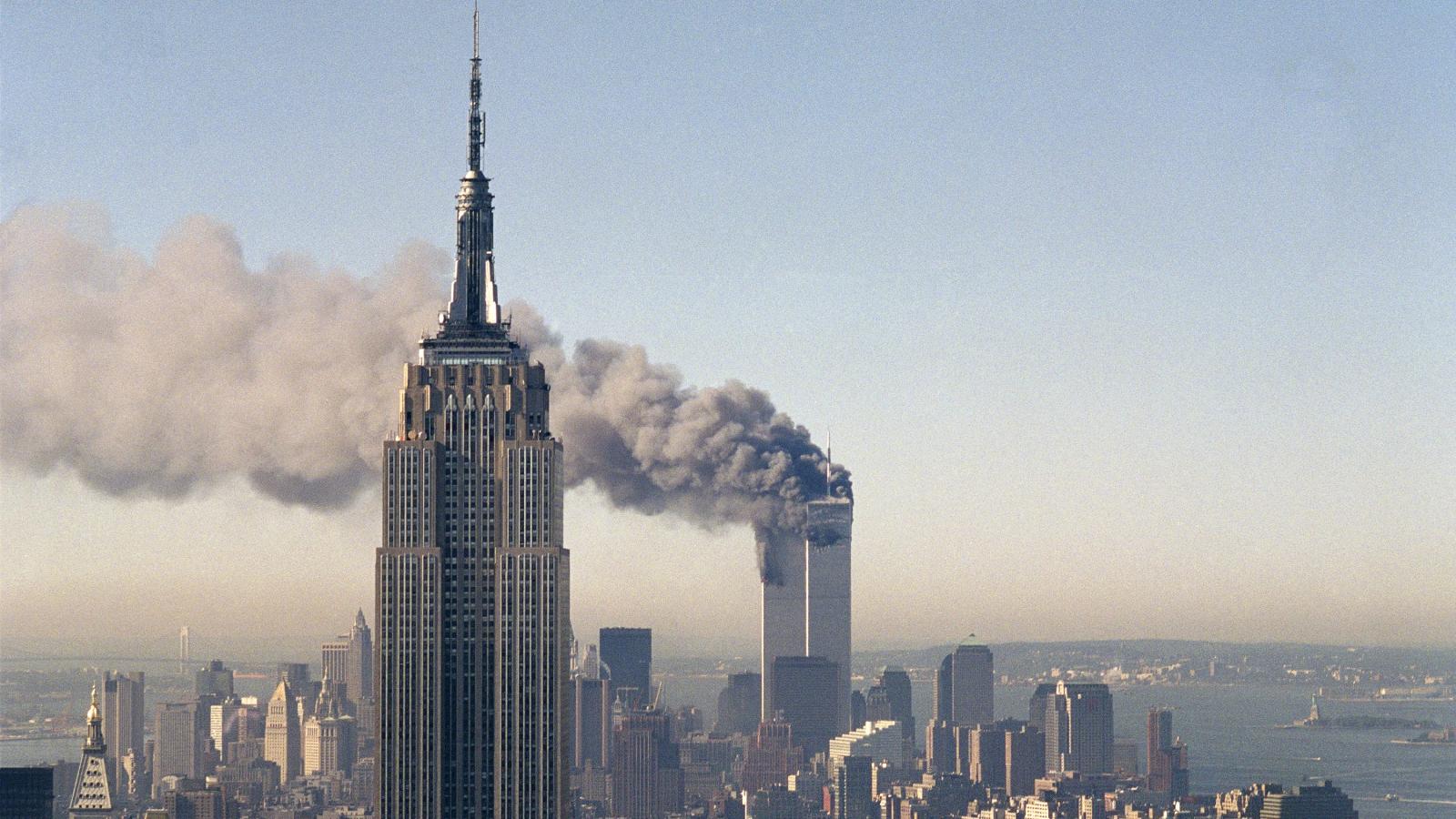
On September 11, 2001, four coordinated attacks took place in the United States by hijacking four airplanes, which caused the collapse of the World Trade Center, and the death of nearly 3,000, and more than 25,000 injured.
The U.S. President George W. Bush at the time blamed Al-Qaeda for the 9/11 attacks, in a joint session of Congress, stating that “The leadership of Al-Qaeda has great influence in Afghanistan and supports the Taliban regime in controlling most of that country.” Bush declared his country’s condemnation of the Taliban regime, and demanded Taliban to deliver all of the leaders of Al-Qaeda to the United States, among other demands that he deemed “not open to negotiation or discussion.”
Demands of delivering bin Laden were refused by the Islamic Emirates of Afghanistan ambassador to Pakistan, Abdul Salem Zaeef, as he responded to the claims saying that Taliban are prepared to try him in an Afghan court, “if America provides solid evidence of Osama bin Laden’s involvement in attacks in New York and Washington,” and that “another Islamic way of trying” could be taken if America is not satisfied with their trial of bin Laden.
The U.S. petitioned the international community to back a military campaign to overthrow the Taliban regime. The Bush administration rejected the Taliban offer, and restated that the U.S would not negotiate their demands.
The Afghan Islamic Press (AIP) said Zaeef had again offered talks to the United States saying: “War is nothing but pain and death, blood does not wash blood, negotiations are a good path and we can discuss all issues including Osama.”
The U.S. Invasion and the End of the Emirate
By September 22, 2001, Pakistan was left to be the only country that recognizes the Taliban state.
Less than one month after the 9/11 attacks, the U.S. aided by the other countries and the Afghan Northern Alliance initiated military action in Afghanistan on October 7, 2001, targeting Taliban and Al-Qaeda related camps. The aim of this operation was to remove the Taliban from power and prevent further terrorist operations.
A week later, the Taliban asked the U.S. again for evidence proving that bin Laden was involved in the 9/11 attacks, in order to discuss handing him over to a neutral country in return for a bombing halt. The U.S. chose to reject this offer again and to proceed its military operation.
Over two months the Taliban started losing its control over the country real fast, giving up a city after another.
In November 2001, thousands of fighters and commanders of Taliban and Al-Qaeda and their supporters of the Pakistani ISI were evacuated from the city of Kunduz, in what was called “airlift of evil” by U.S. military forces around Kunduz, despite officials in the U.S. government having denied its occurence.
By 13 November, the Taliban had withdrawn from its capital, Kabul, and from Jalalabad.
Finally, in early December, the Taliban gave up Kandahar, their last stronghold, dispersing without surrendering.
.png)
After the fall of the Islamic Emirate of Afghanistan, the Taliban has regrouped and announced resurgence against “America and its puppets,” as stated by the Taliban leader Mullah Omar, warning them that Taliban are “determined to free and regain the sovereignty of [Afghanistan].”
Twenty years after the American invasion of Afghanistan that witnessed the fall of the Taliban state, now with the withdrawal of the U.S. troops, the Taliban is on its way to re-announce the establishment of the Islamic Emirate of Afghanistan once again.