The Deep State and Washington’s Embassy: Who Is Shaping Power in Baghdad After Elections?
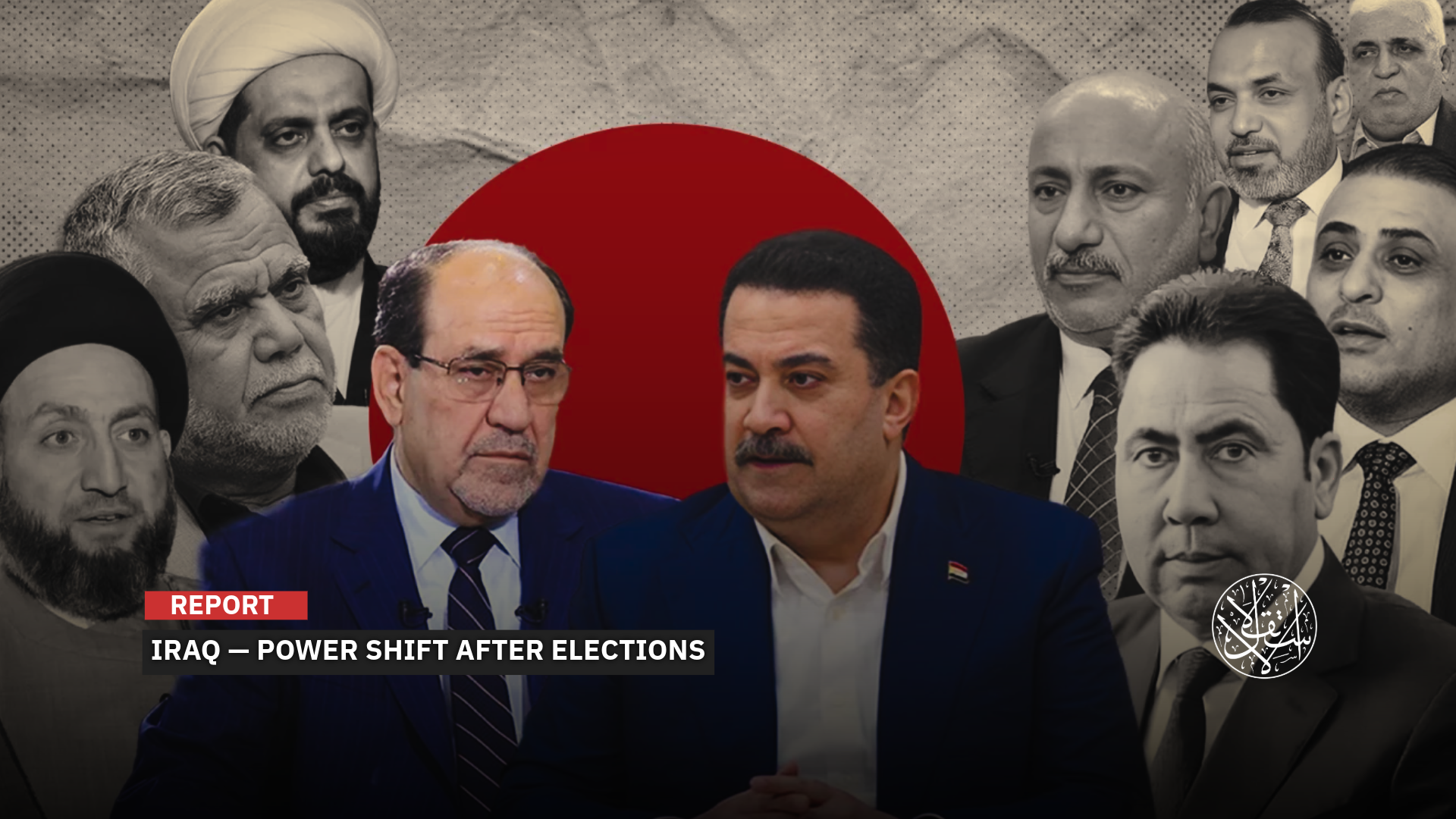
The Iraqi foreign minister confirmed that the United States has barred militias from taking part in the government.
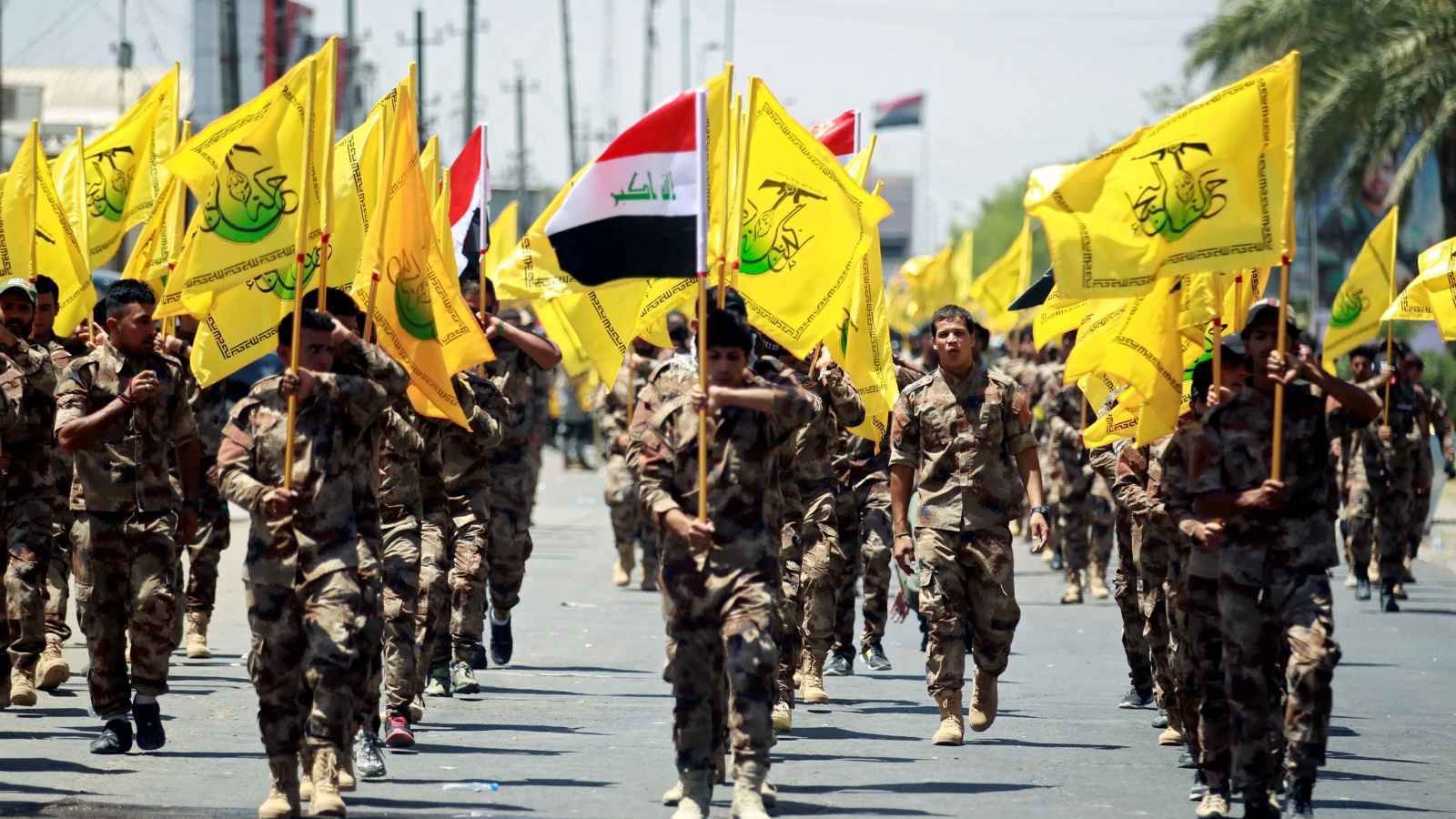
Iraq’s Shiite political forces, particularly those close to Iran, are facing a major challenge regarding the participation of armed militias in the next government. This issue has gained attention because all these groups took part in the most recent parliamentary elections, and some of their leaders have claimed that the country is under their guardianship.
On November 11, 2025, Iraq held its sixth parliamentary elections since 2003 amid sweeping changes across the Middle East, most notably the decline of Iranian influence following the events of October 7, 2023, and the 12-day Israeli war on Iran.
U.S. Veto
Before Iraq’s elections, Washington made no secret of its desire to keep militias away from both the political and security arenas, arguing that their presence strengthens Iranian influence in the country. The U.S. administration imposed punitive measures on some of these groups, a move that Iraqi officials saw as an attempt to prevent their participation in the next government.
On November 8, Iraq’s Minister of Foreign Affairs Fuad Hussein said in a television interview that six Iraqi factions designated as “terrorist” by the United States would not be represented in the next government. He explained that the decision came from the American side, which included these groups on a list of banned organizations. Hussein added that, in order to maintain stable diplomatic relations between Iraq and the international community, the decision must be taken into account to ensure smooth cooperation with other countries.
Following the same line, former prime minister-designate and current parliament member Adnan al-Zurfi said in a televised interview on November 6 that armed factions will not be part of the next Iraqi government, stressing that any political party insisting on their inclusion will bear the political and security consequences.
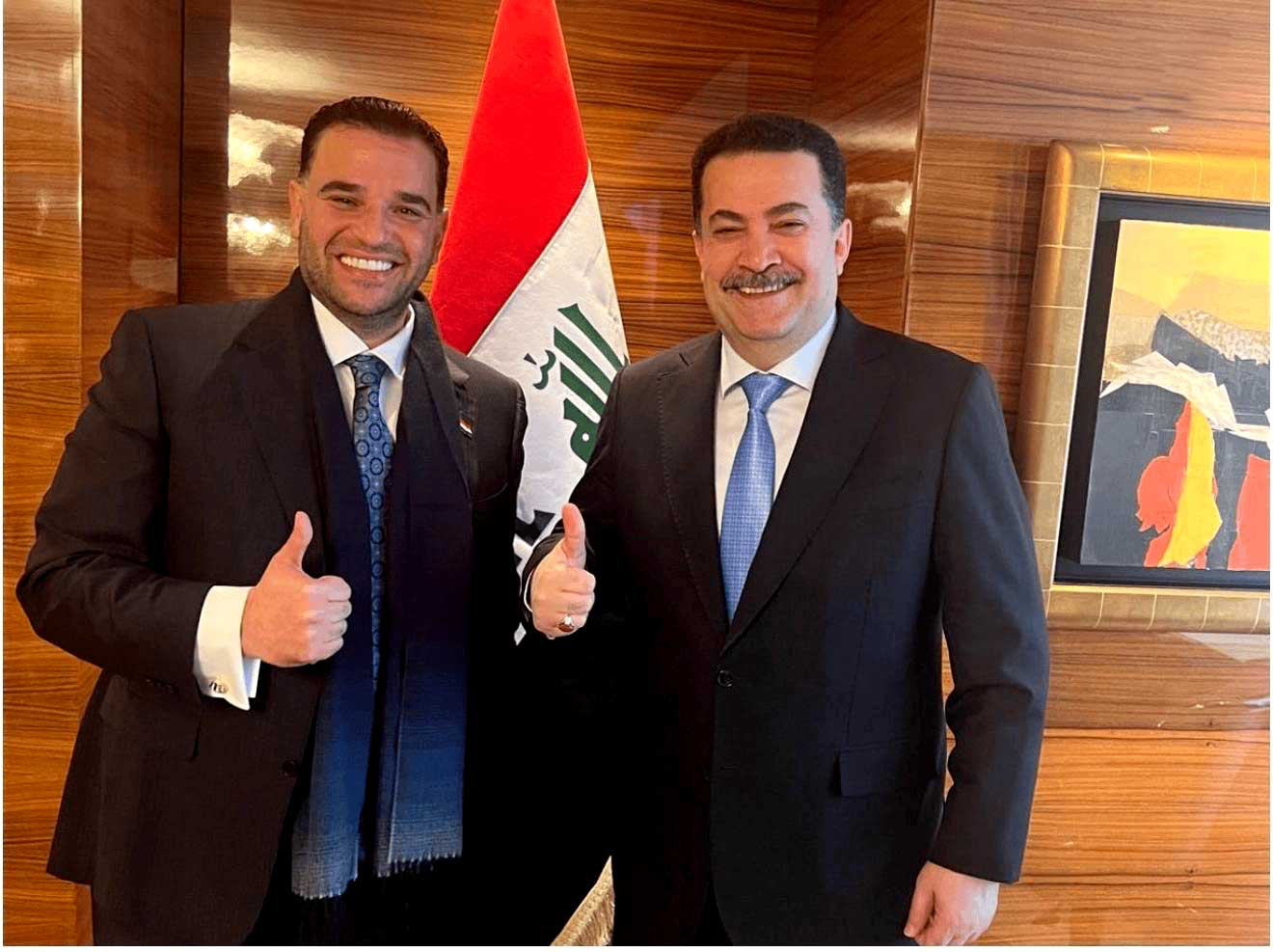
This position coincided with a statement by U.S. Special Envoy to Iraq Mark Savaya, who reaffirmed Washington’s commitment to supporting Iraq on its path toward building a strong and independent state free of foreign-backed militias.
“Iraq’s future looks bright thanks to its talented and vibrant people, the most valuable resource any nation has. In recent years, Iraq has made significant progress. As the country prepares for a pivotal moment in its democratic process, let’s maintain the momentum,” Savaiya posted on X.
“The United States stands with Iraq as it moves forward: strong, independent, and free from foreign-backed militias.”
On October 10, 2025, the U.S. State Department, through its spokesperson Tommy Pigott, announced that the United States is targeting Kata’ib Hezbollah and Asa’ib Ahl al-Haq for “undermining Iraq’s sovereignty.” The move came about twenty days after sanctions were imposed on other factions.
In a post on X, Pigott said, “The United States is pursuing maximum pressure on Iran. We are targeting the IRGC-Qods Force, which supports Iran’s regional terrorist partners and proxies, and two Iraq-based groups, Kata’ib Hizballah and Asa’ib Ahl al-Haq.”
“These militias actively undermine Iraq’s sovereignty, weaken Iraq’s economy, and conduct attacks against U.S. personnel and interests across the Middle East,” he added.
On September 17, the U.S. State Department designated four Iran-aligned Iraqi militias as foreign terrorist organizations: Harakat al-Nujaba, Ansar Allah al-Awfiya, Kata’ib al-Imam Ali, and Kata’ib Sayyid al-Shuhada. The groups were accused of carrying out attacks against the U.S. Embassy in Baghdad as well as military bases hosting American forces inside Iraq.
‘A Militia Government’
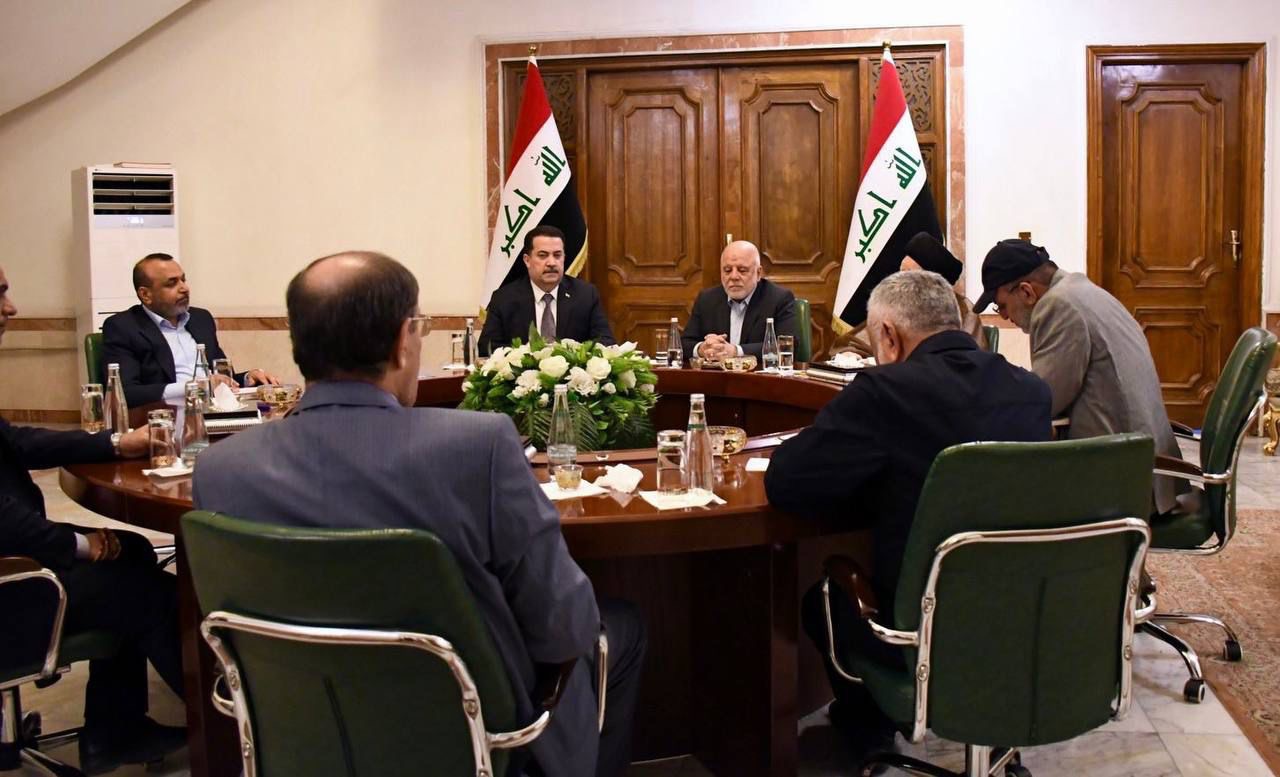
Since the withdrawal of the Sadrist movement from Iraq’s political process, despite its victory in the 2021 parliamentary elections, Iran-aligned political forces and militias within the Shiite Coordination Framework have taken the lead in forming and running the government under Prime Minister Mohammed Shia’ al-Sudani.
The government, formed on October 27, 2022, includes several ministers linked to Iran-backed militias. Among them are Education Minister Naeem al-Aboudi, head of the political bureau of Asa’ib Ahl al-Haq; Labor Minister Ahmed al-Asadi, leader of Jund al-Imam; and Migration Minister Evan Faeq, affiliated with the Babylon militia.
Al-Sudani’s cabinet also includes Transport Minister Razzaq Muhaibis and National Security Advisor Qasim al-Araji, both senior members of the Badr Organization, along with Communications Minister Hayam al-Yasiri of the National Contract Bloc led by Popular Mobilization Forces chief Falih al-Fayyadh. In addition, a number of directors general, advisers, and ambassadors are affiliated with parties that maintain armed wings.
On November 6, Ahmad Mohsen Faraj al-Hamidawi (Abu Hussein), leader of Kata’ib Hezbollah in Iraq, issued a statement calling for the Popular Mobilization Forces (PMF) to have a formalized role in managing state affairs. He asserted that “the government formed in 2022 has been the Coordination Framework’s government in every sense, with full authority and support, leading to what we see today.”
“In reality, the Shiites have ruled for only about three years, perhaps a little more. The success of the current government belongs entirely to the Coordination Framework, the resistance, and the PMF. Without their unlimited backing, neither the prime minister nor his cabinet would be in power,” al-Hamidawi added.
He went on to urge his “comrades in arms” and members of the PMF to participate broadly in the upcoming “extraordinary” elections, stressing that the next government “from start to finish” will be formed under the Coordination Framework’s leadership and with the support of the “resistance” and the PMF.
That same day, Kata’ib Hezbollah spokesman Jafar al-Husane said during an election rally for the group’s affiliated “Hoquq” list that “our Shiite weapons will remain in our hands; they are legitimate and disciplined weapons,” adding that “the Shiites have full guardianship over Iraq, whether others like it or not.”
Asa’ib Ahl al-Haq leader Qais al-Khazali emphasized the importance of participation by what he called the “resistance current” in Iraq’s political process. He said that resistance activity and political engagement are not contradictory but, in his view, work together to achieve national sovereignty and end what he described as the “illegal foreign presence” in the country.
In a television interview on November 7, al-Khazali said, “No one persuaded me to enter politics. I was the one who convinced some of the hesitant and fearful figures to take part in it.”
He added that U.S. attempts to interfere in Iraq represent a violation of national sovereignty and meddling in the country’s internal affairs. Al-Khazali noted that the presence of a special envoy of the U.S. president in Iraq could be open for discussion, but Washington’s failure to appoint an ambassador in Baghdad reflects continued ambiguity about the official American role in the country.
The Deep State
Speaking about the possibility of excluding militias from Iraq’s next government, Iraqi journalist and researcher Muhannad al-Azzami said that these armed groups have little interest in taking part in the government itself. He explained that, as the “deep state” controlling the country’s main institutions, they already wield more power than the government.
“The parliamentary elections, especially the special vote for security forces including the Popular Mobilization Forces, saw these factions take part openly under their own names, a move that clearly sidestepped the U.S. decision,” he told Al-Estiklal.
The researcher predicted that the United States would not allow militia figures with obvious affiliations to hold sensitive positions such as minister or prime minister in the next government, as they do in the current cabinet. He noted that Washington is likely to enforce this through direct pressure and explicit threats, as it did months ago when it blocked a parliamentary law concerning the PMF.
Al-Azzami supported a report published by an Iranian newspaper on November 1, which stated that Iraq’s three presidencies—the presidency, parliament, and government—along with the ministries of interior, defense, and oil, would have their leadership determined through U.S. President Donald Trump’s special envoy, Mark Savaya.
On the same day, the Iranian newspaper Jomhouri-e Eslami cited unnamed sources claiming that Savaya held private meetings with senior Iraqi political officials to discuss Washington’s influence on forming the next government. According to the report, Savaya told Iraqi officials that the U.S. administration intends to play a direct role in selecting top positions in the state, including the three presidencies, the ministries of interior, defense, finance, and oil, and the post of central bank governor.
The newspaper noted that the American message emphasized that Iraq’s political, security, and economic stability should be achieved through leaders “aligned with the U.S. vision,” highlighting that Washington sees sensitive sovereign positions—especially those related to security, energy, and the economy—as requiring U.S. influence given the growing role of Iran in Iraq.
At the same time, Baghdad Today reported on November 8, quoting sources close to the militias who said talk of a U.S. veto on their participation in the next government is too early to consider, insisting that any decision on the matter will depend solely on internal political agreements once the election results are announced.
The sources added that several candidates affiliated with armed factions are running on multiple electoral lists, stressing that talk of barring militias from joining the government does not concern them since it is an internal issue that no external party can dictate. They described Western media reports as pressure tactics coming from the White House or its affiliated outlets, emphasizing that the post-election political landscape will be shaped by alliances and results, not by outside positions or international directives.
Since early September 2025, Iraqi political entities have filed complaints with the High Electoral Commission and the Federal Court, demanding the exclusion of political forces with armed wings from the electoral process, arguing that the Iraqi constitution prohibits forming militias.
These complaints are unprecedented since 2003, covering prominent factions such as the Badr Organization, Asa’ib Ahl al-Haq, Kata’ib al-Imam Ali, and Kata’ib Sayyid al-Shuhada, all of which have electoral alliances and are part of the current government.
Abbas al-Fatlawi, head of the Iraqi Istklal Assembly and the complainant against the factions, said in a television interview on October 17 that this legal campaign aims primarily to dissolve armed parties to protect the democratic process, as their existence is a clear violation of the constitution.
Al-Fatlawi added that they had submitted a 62-page file to the Electoral Commission, the Department of Political Parties, and the Federal Court, backed by roughly 30 gigabytes of video and visual evidence, including clear confessions from individuals linked to armed factions admitting their involvement in political movements and parliamentary groups.
He noted that the complaint is based on constitutional provisions that prohibit members of the armed forces, including employees of the Ministry of Defense or any affiliated units, from running for office or engaging in political activities and that also forbid the formation of militias outside state authority.
The High Electoral Commission has not taken a clear position on these complaints, stating only that appeals will be forwarded to the appropriate judicial authorities within the legal deadlines without any practical action. The Federal Court has remained silent, even though it is the body authorized to interpret the constitution.
Article 9 of the Iraqi constitution prohibits the formation of any armed groups outside the Iraqi armed forces and forbids members of the armed forces from engaging in political activities, including running for office or campaigning.
Sources
- Iraqi Foreign Minister Hints at Blocking ‘Six Factions’ from Next Government [Arabic]
- Kata’ib Hezbollah: Next Government Will Be PMF- and Resistance-Led. Shiites Have Ruled Only Three Years [Arabic]
- No Stop Sanctions: What’s Behind Washington’s Pressure on Iran’s Militias in Iraq?
- Tehran’s Role Likely to Decline in Favor of Washington in Forming Iraq’s New Government [Arabic]
- Iranian Newspaper: Trump’s Envoy Told Baghdad That Washington Will Decide Presidency, Parliament, and Key Ministers [Arabic]