New Nakba: How 'Israel' Is Proceeding With Its Settler State Project
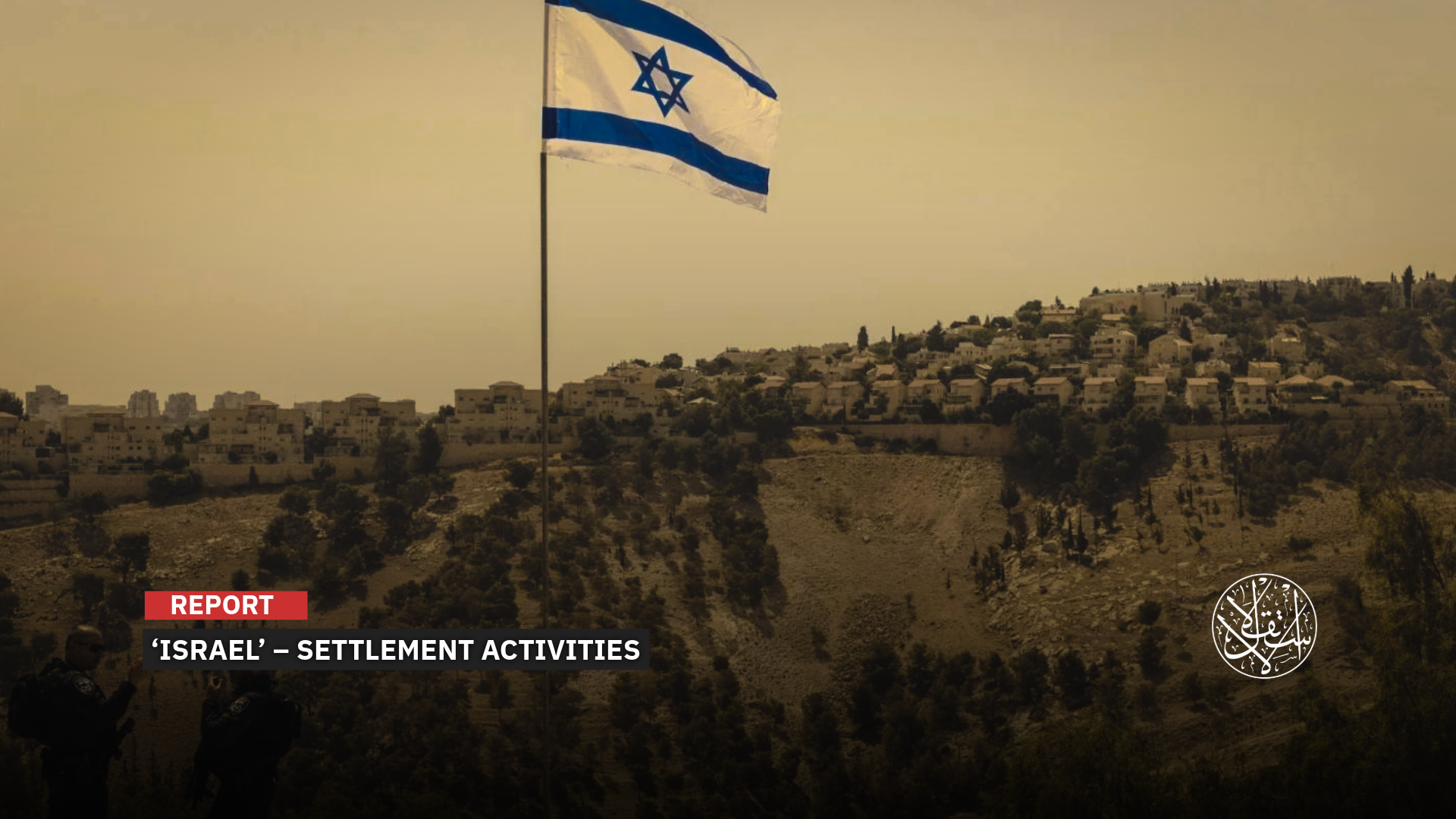
“More than 500,000 Israelis now live among some three million Palestinians in the West Bank.”
After a 58-year freeze, “Israel” has resumed registering vast areas of the West Bank as its own territory, a move the United Nations and many countries consider a dangerous escalation that undermines the two-state solution and legitimizes settlement expansion.
According to analysts, this measure is a clear indication of a political and security path intended to become a fait accompli: the de facto annexation of land, the fragmentation of Palestinian territory, and the closing of the door to any possibility of establishing a sovereign Palestinian state.
They pointed out that what is happening today in the West Bank is not merely conflict management, but rather a redrawing of the map at the expense of the national rights of the Palestinian people, in blatant defiance of international law and Security Council resolutions.
Settlement activity has continued under every Israeli government since 1967, but its pace has accelerated dramatically under the current government of Benjamin Netanyahu, one of the most right-wing in Israel’s history, particularly since the start of the Gaza war on October 7, 2013.
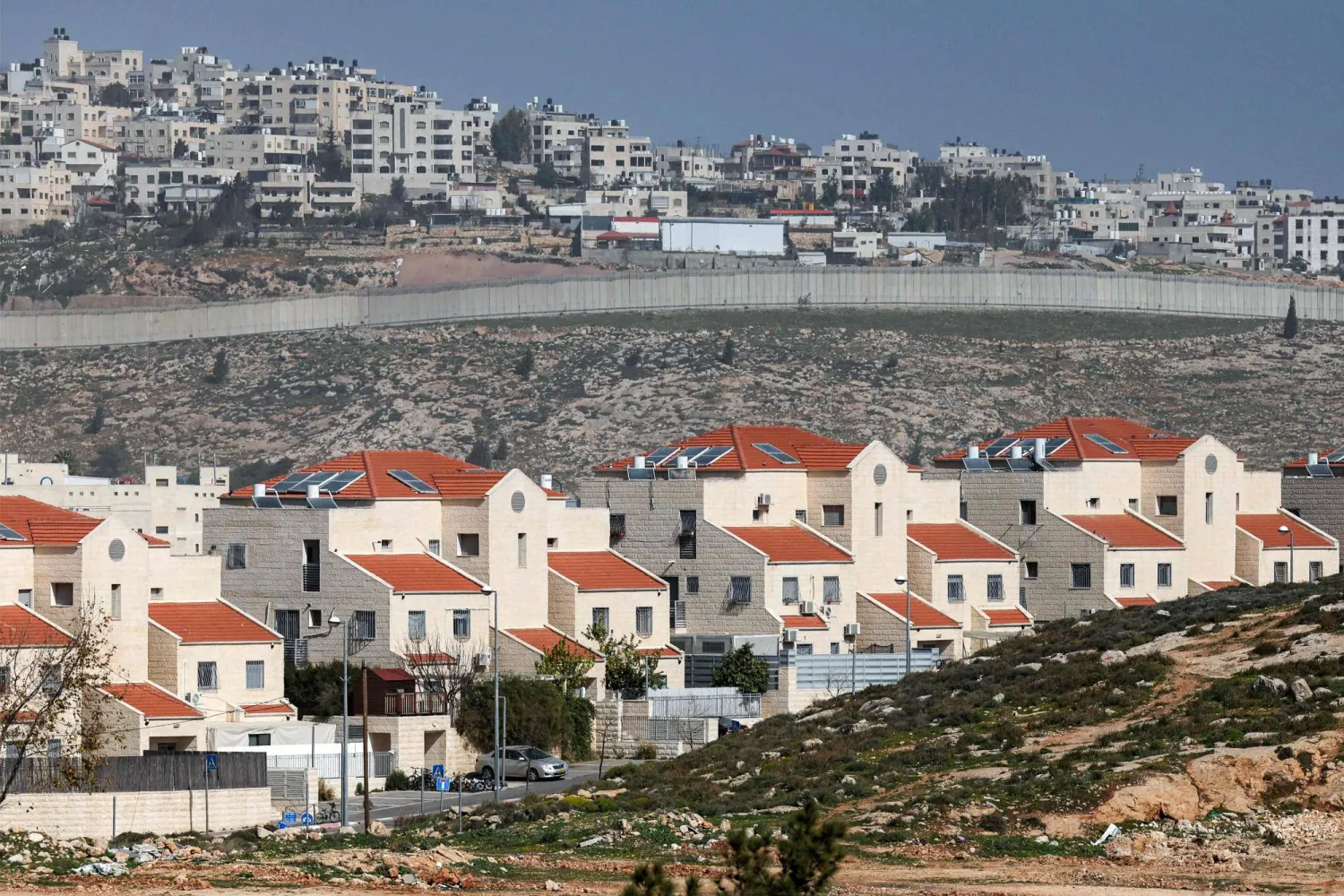
Aside from East Jerusalem, which “Israel” occupied and annexed, more than 500,000 Israelis now live among some three million Palestinians in the West Bank, in settlements that the United Nations considers illegal under international law.
Settlement Revolution
On February 15, the Israeli government approved opening the land registration process in the West Bank for the first time since 1967, a dramatic move that deepens the annexation of the West Bank, transforming it into a settler state and leaving the Palestinian Authority without sovereignty or function, and Palestinians without legal protection.
The government approved a proposal by Justice Minister Yariv Levin, Finance Minister Bezalel Smotrich, and Army Minister Israel Katz, which stipulates, among other things, the registration of vast areas in the West Bank as state land.
Under this decision, the Land Registration and Settlement Authority of the Ministry of Justice will be authorized to implement the settlement on the ground, and a specific budget will be allocated for this purpose.
According to a statement from the three ministers, the decision will also allow for a transparent and thorough examination of rights, leading to the resolution of legal disputes and enabling the development of infrastructure and the organized marketing of land.
Levin stated that the decision reflects the government's commitment to holding onto all parts of what he called the Land of Israel and represents a true revolution in the West Bank.
Katz said that resuming land regulation is a necessary security and administrative step to ensure Israeli control in the area.
Smotrich said the move was a continuation of “the settlement revolution to control all our lands”.
The Israeli government's approval confirms the decisions of the Security Cabinet last week and represents a dangerous shift in Israeli policy regarding the future of the Palestinian Authority and the West Bank.
The Cabinet also adopted a series of decisions, including radically altering land registration and property ownership procedures in the West Bank to facilitate Jewish settlement in the area.
The approved plan stipulates the publication of land records in the West Bank, which were previously kept secret, and the repeal of a Jordanian law that prohibited Jews from purchasing property in the area (which remained in effect until now).
It also eliminates the requirement for a permit from the Land Registry, replacing it with purely professional requirements.
Furthermore, it was decided to expand the scope of monitoring and enforcement (including demolitions) to include Areas A and B with regard to water violations, damage to archaeological sites, and environmental hazards that pollute the entire territory.
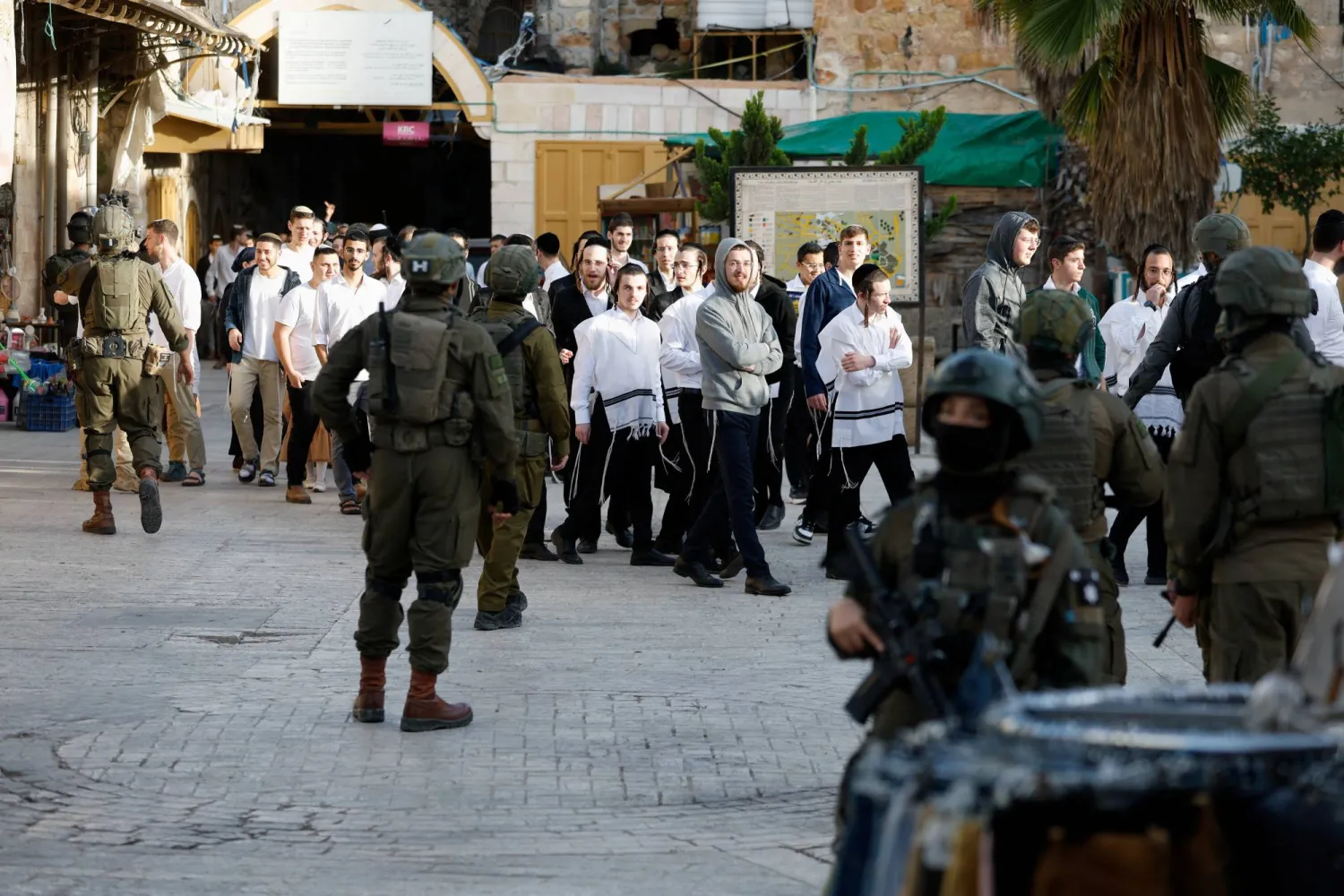
In addition, the plan stipulated transferring the authority to issue building permits for the Jewish settlement in Hebron, including at the highly sensitive Ibrahimi Mosque/Cave of the Patriarchs, from the Hebron Municipality, which is under the Palestinian Authority, to “Israel”.
It was also decided to establish a dedicated municipal authority responsible for the cleaning and periodic maintenance of Rachel's Tomb in Bethlehem.
Legal Complications
This Israeli government approval represents a direct coup against the Palestinian Authority, as it alters the landscape of the West Bank and eliminates the Authority's sovereignty in its territories.
Opening the land registry in the West Bank allows all Jews to know the names of Palestinian landowners, contact them directly, or pressure them in various ways to purchase their land, thus facilitating the acquisition of land and property.
For the first time, this will include Area A, which is under the control of the Palestinian Authority and was previously off-limits to Israelis.
The most dangerous aspect of this is the encroachment on Areas A and B, as it effectively eliminates the Palestinian Authority's role in these areas. The Authority is no longer responsible for regulating land ownership, property transactions, and sales.
The decision also grants Israeli authorities the power to monitor and demolish structures in these two areas (which are under Palestinian Authority administrative control according to the Oslo Accords).
The transfer of building planning and licensing powers in Hebron (including the Ibrahimi Mosque/Cave of the Patriarchs) from the Palestinian Hebron Municipality to the Israeli Civil Administration is part of this process.
Furthermore, the repeal of the Jordanian Law, which prohibits non-Arabs from purchasing land in the West Bank, aims to enable any Israeli to purchase land in their personal capacity, rather than through registered companies, as was previously the case to circumvent the law.
According to the Oslo Accords, the West Bank is divided into three areas: A, B, and C.
Area (C) is under full Israeli control, while Area (B) is under Palestinian civil control and Israeli security control, and Area (A) is under full Palestinian control (security and administrative).
The current decision requires the commander of the Israeli army's Central Command to finalize the legal status of 15% of the West Bank by the end of 2030. At this stage, the focus will be solely on Area C.
The Israeli government believes it needs 30 years to complete the process, given the legal complexities in the West Bank.
Israeli officials have boasted that the new measures effectively bury the Palestinian state and enable Jews to purchase land in the West Bank as easily as they purchase it in Tel Aviv or Jerusalem.
Dangerous Escalation
The Palestinian Authority rejected these Israeli decisions and warned of their dangerous implications.
It stated that converting West Bank land into so-called state land under the control of the Israeli occupation authorities constitutes a threat to security and stability and a blatant violation of international law.
It called on the international community, including the Security Council and the US administration, to intervene immediately to halt these dangerous Israeli measures.
Hamas described the decision as a theft of occupied West Bank land, noting that it is null and void and issued by an illegitimate occupying power.
It called on Palestinians to resist and confront all attempts by the Israeli occupation to impose annexation, Judaization, and displacement plans.
More than 85 UN member states, along with the European Union and the Arab League, strongly condemned Israel’s unilateral decisions and actions and called for their reversal, while the United States merely reiterated its opposition to the annexation of the West Bank without taking further steps.
Peace Now described the Israeli government’s decision to resume land registration in the West Bank as a mega land grab of Palestinian property.
The Israeli government’s decision, representing a political and legal escalation, came amid a significant security escalation.
The Israeli security establishment went on high alert days before the start of Ramadan.
Commando units were deployed to the West Bank, arrests were expanded, and forces were reinforced in the streets, at flashpoints, and around settlements.
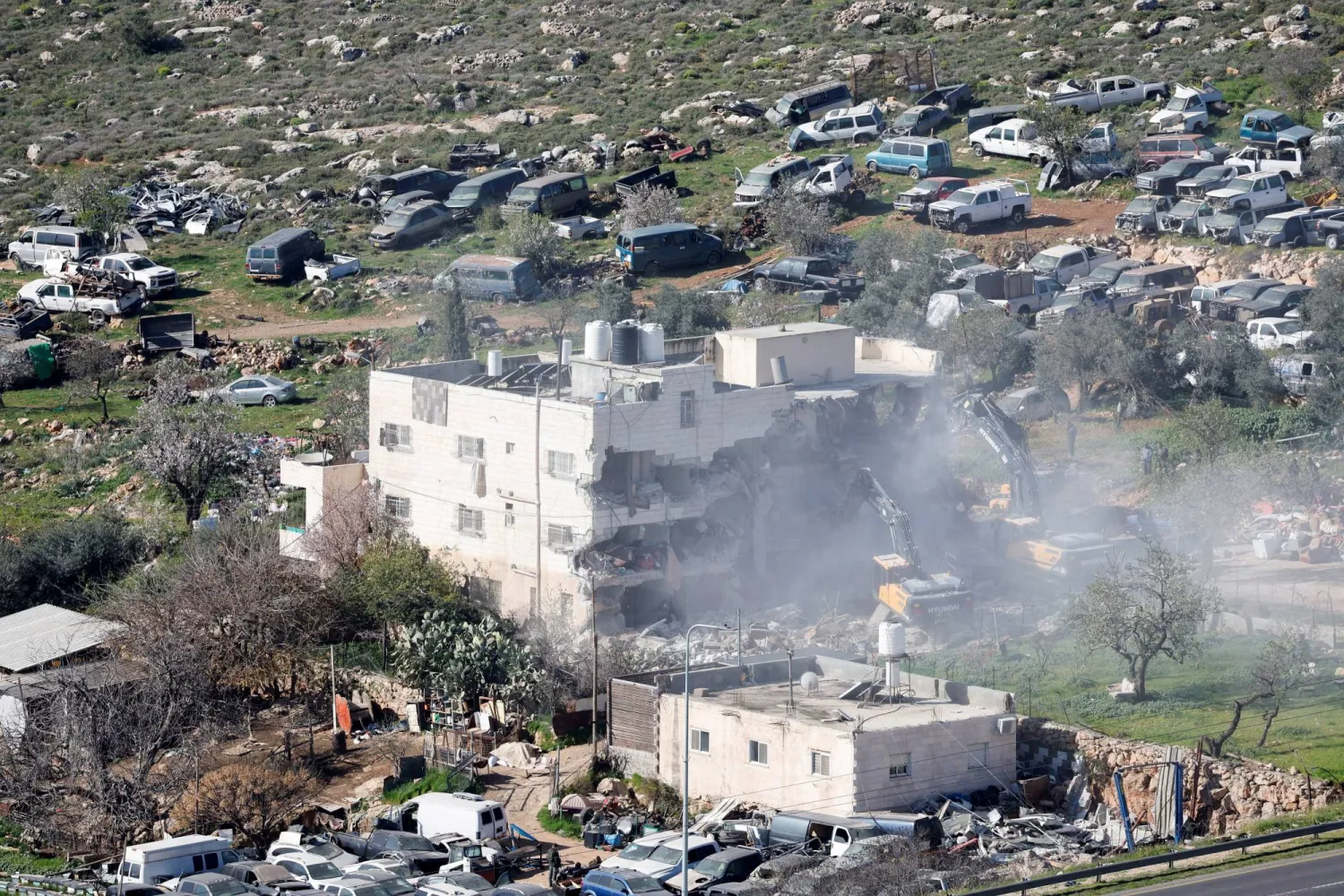
The United Nations recently warned of the continued high levels of Palestinian displacement in the occupied West Bank, fueled by escalating Israeli settler violence and home demolitions.
It confirmed that more than 900 Palestinians have been forced to leave their homes since the beginning of 2026.
Journalist Ismat Mansour, specializing in Israeli affairs, told Al-Estiklal that no Israeli government has taken this step since 1967, highlighting its gravity.
“The Israeli decision is a mechanism for dispossessing Palestinian landowners without formally annexing the occupied West Bank, paving the way for settlement expansion and preventing any possibility of future Palestinian sovereignty,” he said.
He pointed out that annexation here is not achieved through a single decision, but rather through changing the legal definition of land, legitimizing existing settlements, and integrating the West Bank into the Israeli administrative and legal framework.
He explained that the danger lies in the fact that this path effectively eliminates the two-state solution and replaces a civilian legal system with a sovereign Israeli military system, meaning transforming the Israeli occupation from a temporary situation into a permanent regime of rule by force.