The Abortion Rate in Gaza Has Increased by 261%: What Is the Reason?
"The number of births in the Gaza Strip fell by about 41 percent in the first half of 2026."
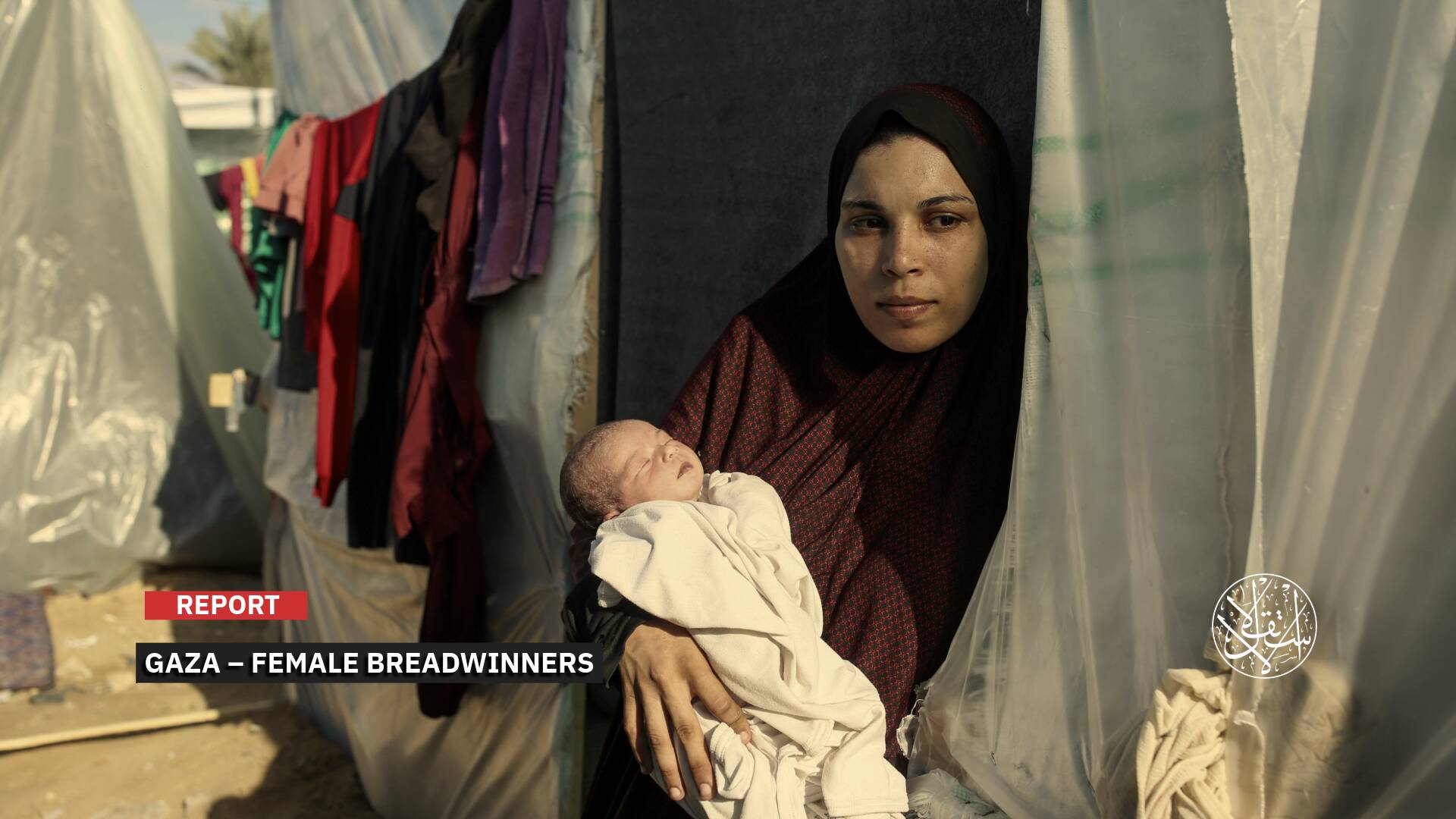
Asma Omar was barely three months into her pregnancy when she suffered a sudden abortion, losing her baby.
Omar, in her twenties, lives in a displacement tent in al-Mawasi, west of Khan Younis, where hundreds of thousands of Palestinians have sought refuge from relentless Israeli bombardment across the Gaza Strip.
“I’m living in a tent, and this is my third pregnancy. It’s the only one I’ve gone through while displaced. Every morning, I have to carry a water container over a long distance, and I also queue at a community kitchen just to get a little food,” Omar told Al-Estiklal two weeks after the abortion.
“During my first two pregnancies, before the war, there was a clinic run by the United Nations Relief and Works Agency for Palestine Refugees (UNRWA). It provided comprehensive healthcare for pregnant women and checked on us every month. But during the war, no one is looking after us or our health,” she added.
Throughout her pregnancy in displacement, Omar received no nutritional supplements and could not get a proper meal containing fresh meat or other sources of protein. Such foods were unavailable in local markets, while frozen meat had become prohibitively expensive.
Abortions on a Daily Basis
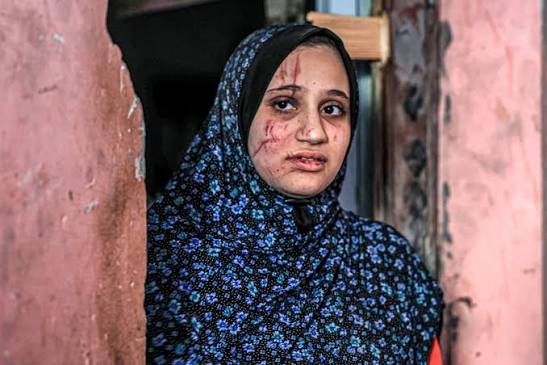
Dr. Ahmed Alfarra, director of the Tahrir Maternity Hospital at Nasser Medical Complex, says medical teams are recording abortions every day, with cases rising sharply compared with levels before the Israeli war.
In an interview with Al-Estiklal, Alfarra stated that this increase is primarily due to the harsh conditions faced by pregnant women in displacement camps across the Gaza Strip.
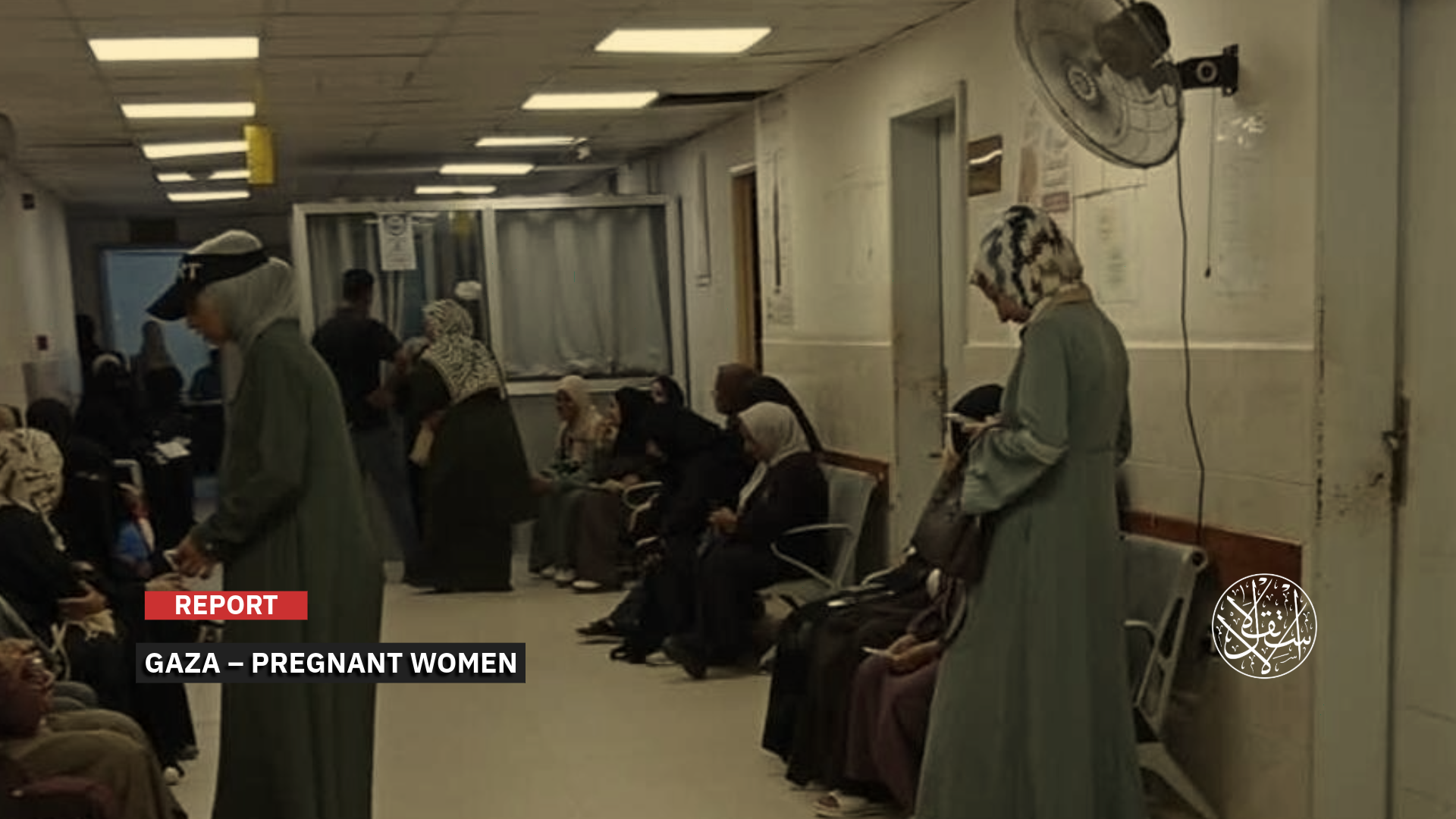
He attributed the abortions to several factors, including repeated displacement, bombardment, the destruction or shutdown of health facilities, and the difficulty pregnant women face in reaching hospitals and clinics. These obstacles often delay medical checkups and essential tests throughout pregnancy.
Malnutrition and shortages of essential foods are also among the leading threats to the health of pregnant women and their unborn babies, he said, as many families struggle to obtain enough food of adequate nutritional quality.
Pregnant women need a balanced diet and regular medical care to ensure healthy fetal development. But war and displacement have made proper nutrition extremely difficult for many women, putting their health and their babies’ development at risk.
The problem extends beyond food shortages. Many women cannot access health services regularly because transportation is unavailable or unsafe, while repeated displacement and constantly changing living arrangements make travel between different parts of the Gaza Strip increasingly difficult.
Pregnant women are often forced to make a devastating choice: risk the journey to a hospital or remain in displacement camps without essential medical examinations and prenatal care. As a result, complications may go undetected until they reach a more advanced stage.
Alfarra listed several overlapping factors that threaten pregnancies, including food shortages, infectious diseases such as hepatitis and skin infections, intense bombardment, inadequate shelter, repeated forced displacement and movement, and limited access to basic hygiene.
He also stressed the profound psychological toll on pregnant women, whether from losing relatives or husbands or living in constant fear of bombardment. Their mental and emotional distress, he said, affects both their health and the course of their pregnancies.
These risks are compounded by the conditions in many displacement shelters, where even basic necessities such as clean water, hygiene supplies, and adequate living space are lacking. Such conditions increase the spread of infectious diseases and heighten the risks facing pregnant women and newborns.
Alfarra said the consequences are already evident in fetal health, with doctors recording cases of incomplete fetal development that can leave some organs, including the lungs, underdeveloped.
In such cases, newborns may need to be placed in incubators. But even that can carry risks given shortages of medical equipment and the difficult conditions inside hospitals, where infants may be exposed to infections and other illnesses.
Doctors have also recorded congenital abnormalities detected both before and after birth, he said. Treating these cases has become more difficult because of shortages of equipment, medical supplies, and specialized staff, as well as the obstacles to arranging medical transfers outside Gaza.
Detecting certain abnormalities, including some congenital heart defects, requires specialized teams, properly equipped facilities, and diagnostic and treatment capabilities that remain in short supply. This limits doctors’ ability to provide the necessary care for newborns who need specialized interventions.
According to Alfarra, the combined effects of these conditions can lead to serious outcomes, including abortions before the 24th week of pregnancy and the detection of congenital abnormalities in some fetuses, which may require medical intervention to terminate the pregnancy, depending on the circumstances.

Alarming Figures
Zaher al-Wahidi, director of the Health Ministry's Health Information Center, said the Gaza Strip recorded 3,958 abortions and 18,984 live births in the first six months of 2026, equivalent to 208.5 abortions for every 1,000 live births.
“73.6 per cent of the abortions occurred during the first trimester, while the remaining 26.4 per cent occurred during the second trimester,” al-Wahidi told Al-Estiklal.
He described the figures as unprecedented and deeply alarming. Between July and December 2025, the average abortion rate stood at about 66.5 cases per 1,000 live births. In the first half of 2026, that figure rose to 240.3 per 1,000, an increase of 261.2 per cent.
November 2025 saw the lowest rate, at 42.8 abortions per 1,000 live births. By April 2026, however, the rate had reached a troubling peak of 377.2 per 1,000, an increase of 780 per cent in just five months, he said.
Under normal circumstances, second trimester abortions account for no more than 5 per cent of all cases. The fact that they made up 26.4 per cent in Gaza, totaling 1,045 of the 3,958 cases, points to a serious public health crisis, al-Wahidi added.
First trimester abortions accounted for 2,913 cases, or 73.6 per cent of the total, and are generally associated with genetic abnormalities and early pregnancy stress. The sharp rise in second trimester abortions, he stressed, points to delays in accessing medical care, complications going undiagnosed in time, a shortage of hospitals equipped to handle complex cases, and a lack of specialists in obstetrics and gynecology.
Al-Wahidi said the direct causes are closely linked to “military operations.” Malnutrition is a major factor, alongside a reported 61.5 per cent decline in live births amid shortages of food and nutritional supplements for pregnant women. The displacement of 85 per cent of Gaza’s population has also deprived pregnant women of stable living conditions and made it harder for them to reach health centers and hospitals.
The indirect causes include contaminated water, the spread of disease, severe overcrowding in shelters, power outages that spoil temperature-sensitive medications, and the loss of specialized medical staff through emigration or death in the war, according to the official.

Geographic Breakdown
Gaza’s central governorate recorded the highest abortion rate, at 222.8 cases per 1,000 live births, with 1,128 cases in total. The area, located in the center of the Strip, has been subjected to intensive Israeli Occupation attacks. Gaza City recorded the highest number of abortions, with 1,685 cases and a rate of 207.3 per 1,000 live births, amid high population density and large-scale displacement into the city, according to al-Wahidi.
Khan Younis recorded 1,145 cases, at a rate of 197.7 per 1,000 live births, a figure that remains exceptionally high by international standards, he said.
Between January and April 2026, the number of live births fell by 61.5 per cent, from 5,210 to 2,004, while abortions rose by 55.6 per cent, from 486 to 756. As a result, the monthly abortion rate per 1,000 live births surged by 304 per cent, from 93.3 to 377.2.
Al-Wahidi said this inverse relationship indicates that women are losing their pregnancies before reaching full term, reflecting a severe deterioration in maternal health and damage to the community’s reproductive capacity.
He stressed the need to strengthen prenatal care centers, distribute nutritional supplements such as folic acid, iron, and vitamins, and provide medications to help prevent abortion. He also called for a shift from passive statistical monitoring to the systematic collection of clinical and environmental data on every abortion, including information on malnutrition, displacement history, psychological trauma, and exposure to toxic fumes from burning plastic.
He also emphasized the need to establish safe routes for pregnant women to reach hospitals, provide psychological support, distribute specialized food packages, and ensure safe transportation. Other priorities include international pressure to protect health facilities, the entry of specialized medical equipment, documentation of these cases as potential war crimes, the deployment of specialized international medical teams, and pressure for an immediate ceasefire to protect lives.
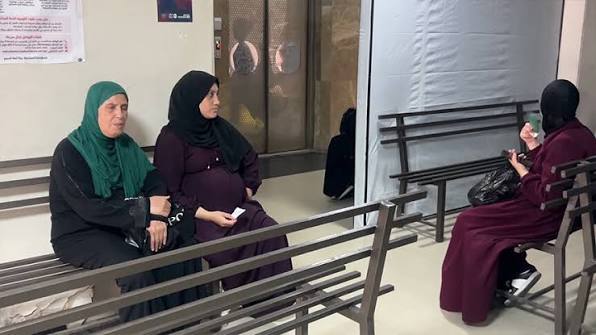
Warnings Without Action
The United Nations Population Fund (UNFPA) has warned of an unprecedented deterioration in reproductive health in the Gaza Strip amid the ongoing Israeli war and the collapse of the healthcare system. The warning was based on data from Gaza’s Palestinian Ministry of Health showing a sharp decline in birth rates and a significant rise in abortions.
According to data released by UNFPA in late July, the number of births in the Gaza Strip fell by about 41 per cent in the first half of 2026 compared with the same period a year earlier, while abortions tripled, highlighting the direct impact of the war on the health of women and children.
The data also showed that the number of births fell to about 11,600, down from approximately 19,800 during the same period a year earlier. Nearly 3,958 abortions were recorded in the first six months of the year.
UNFPA said the deterioration in health indicators is linked to ongoing “military operations,” malnutrition, repeated displacement, a lack of clean water, and the near total collapse of healthcare services, exposing thousands of pregnant women and their babies to serious risks.
UNFPA also reported that roughly one-third of newborns are born prematurely, have low birth weights, or require intensive care. Meanwhile, hospitals face severe shortages of medicines, medical supplies, and fuel needed to operate maternity wards and neonatal units.
The United Nations warned that these conditions could have long-term health and demographic consequences, calling for humanitarian aid to be allowed in and essential health services to be restored, particularly maternal and child healthcare.