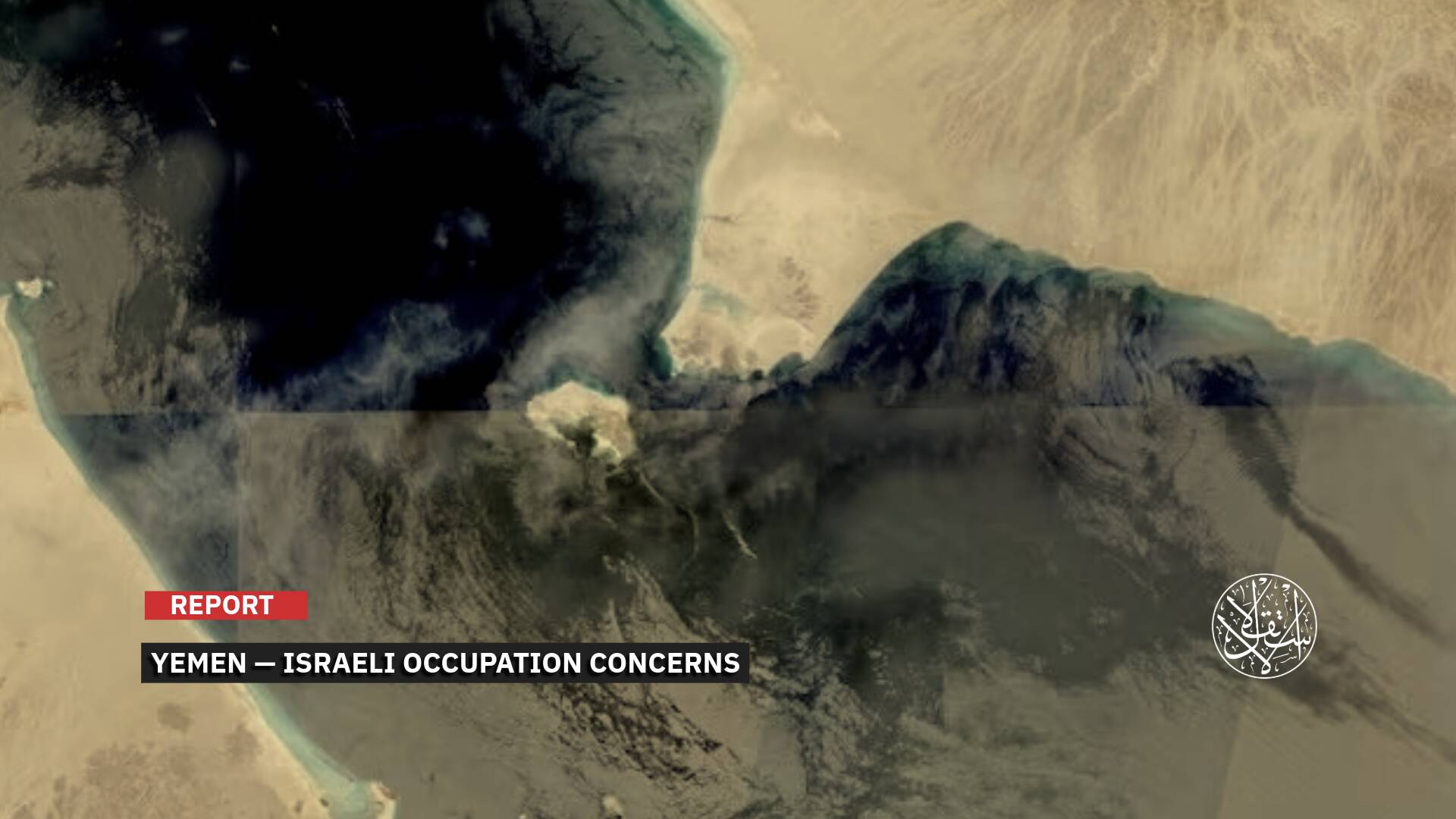
NATO’s Future at Risk: Why Trump Failed to Rally Support for a ‘Hormuz Coalition’
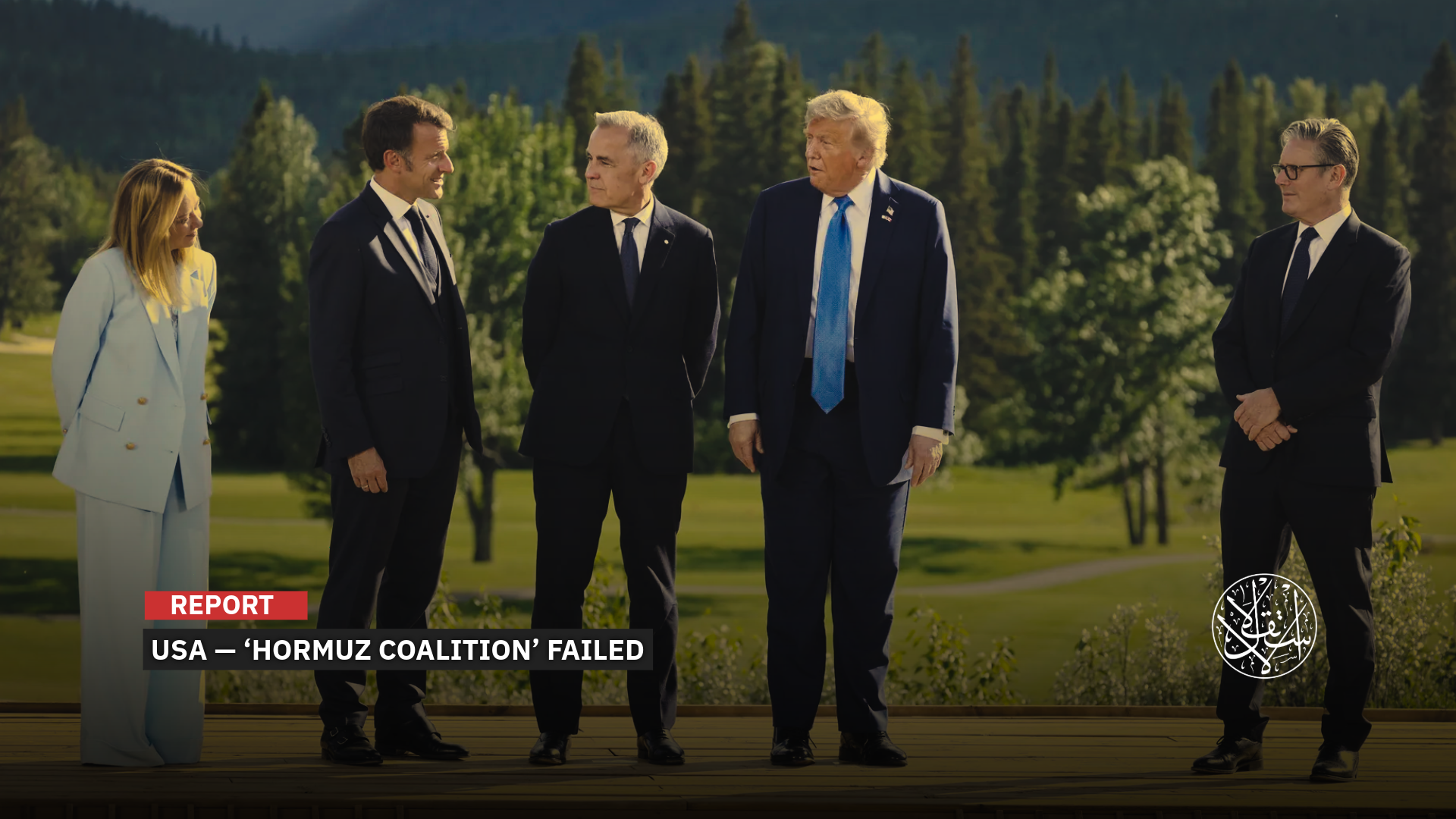
Trump threatened NATO’s future if its member states did not fall in line with the “Hormuz Coalition.”
President Donald Trump is pressing ahead with efforts to assemble a coalition of nations to reopen the Strait of Hormuz after Iran followed through on earlier threats and effectively closed the strategic waterway that carries nearly a fifth of the world’s oil and liquefied natural gas.
The Iranian shutdown comes in response to the U.S.-Israeli war on Tehran, which launched on February 28, 2026, sending oil prices soaring past $100 a barrel from roughly $70 and triggering a global energy shock.
In turn, Trump has called for an international alliance to secure the strait. Speaking to reporters aboard Air Force One on March 15, he said the United States is seeking support from NATO members and major oil-importing nations, including China, to ensure the strait’s safety.
Trump added that the United States is in talks with other countries about conducting patrols in the strait and welcomed broader participation, noting that Washington is already providing assistance and has received some positive responses. He said negotiations are underway with seven countries, although some have declined to join, and suggested the mission would be limited in scope given what he described as Iran’s “very limited” firepower.
Trump indicated he hopes China, France, Japan, South Korea, Britain, and several other unnamed nations will participate in reopening the strait. So far, however, responses have largely been negative, with countries declining the U.S. request one by one.
‘Allies Let Him Down’
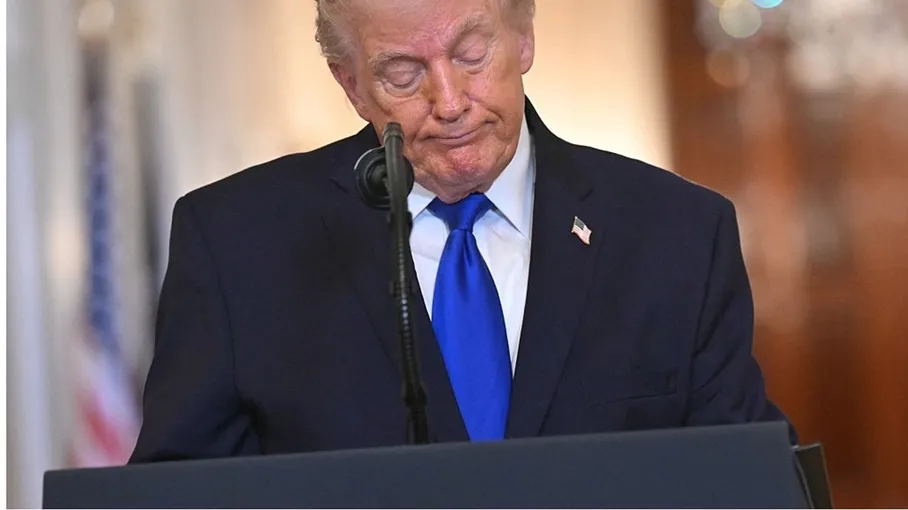
Trump’s call for an international coalition to help reopen the Strait of Hormuz has met with widespread resistance, particularly from key allies, most of whom have refused to participate, viewing the conflict as America’s war, not theirs. Some officials even described the request as bordering on “coercion.”
French President Emmanuel Macron noted that France is not prepared to secure the strait under current circumstances, adding that any operation in the strait must be separate from the ongoing war.
“We are not party to the conflict and therefore France will never take part in operations to open or liberate the Strait of Hormuz in the current context,” Macron said at the start of a cabinet meeting to discuss the conflicts in the Middle East.
Such a mission, according to the French president, would require coordination with Iran. “We are convinced that once the situation has calmed down—and I deliberately use this term broadly—once the situation has calmed down, that is to say, once the main bombing has ceased, we are ready, along with other nations, to assume responsibility for the escort system,” Macron said.
In South Korea, Defense Minister Ahn Gyu-back explained that sending a warship from the Cheonghae unit to the Strait of Hormuz would require parliamentary approval, highlighting the difficulty of meeting Trump’s request for military intervention.
Japan also declined. “We have not made any decisions whatsoever about dispatching escort ships. We are continuing to examine what Japan can do independently and what can be done within the legal framework,” Prime Minister Sanae Takaichi told parliament.
Australia confirmed it would not contribute warships to the strait or join any U.S.-led naval coalition. “We won’t be sending a ship to the strait of Hormuz,” the transport minister, Catherine King, told the national broadcaster. “We know how incredibly important that is, but that’s not something we’ve been asked or we’re contributing to.”
Germany was equally clear. Defense Minister Boris Pistorius rejected military involvement in efforts to reopen the strait, saying, “It is not our war; we did not start it. We want diplomatic solutions and a swift end, but additional warships in the region will likely not contribute to that.”
Foreign Minister Johann Wadephul confirmed Germany would not participate in any international military operation to protect commercial shipping, denying any role in the conflict.
Britain’s stance was similar. Prime Minister Keir Starmer ruled out military involvement in a war with Iran or any attempt to impose a solution by force, stressing that actions are limited to self-defense and allied obligations and that the UK cannot be drawn into a wider war.
Luxembourg’s Prime Minister Xavier Bettel also rejected the U.S. call, insisting his country would not succumb to coercion from Washington and adding, “Don’t ask us” to send troops.
Italy’s Deputy Prime Minister Matteo Salvini echoed the sentiment, saying Italy is not at war with any party and sending ships into a conflict zone would constitute entering the war—a step Rome refuses to take.
China, meanwhile, took a more cautious approach. Foreign Ministry spokesman Lin Jian said, “The recent tense situation in the Strait of Hormuz and waters nearby has impacted the route for international goods and energy trade, disrupting peace and stability in the region and beyond.”
He added that China is in talks with the different parties in the war “to work for the de-escalation of the situation.”
Signs of Failure
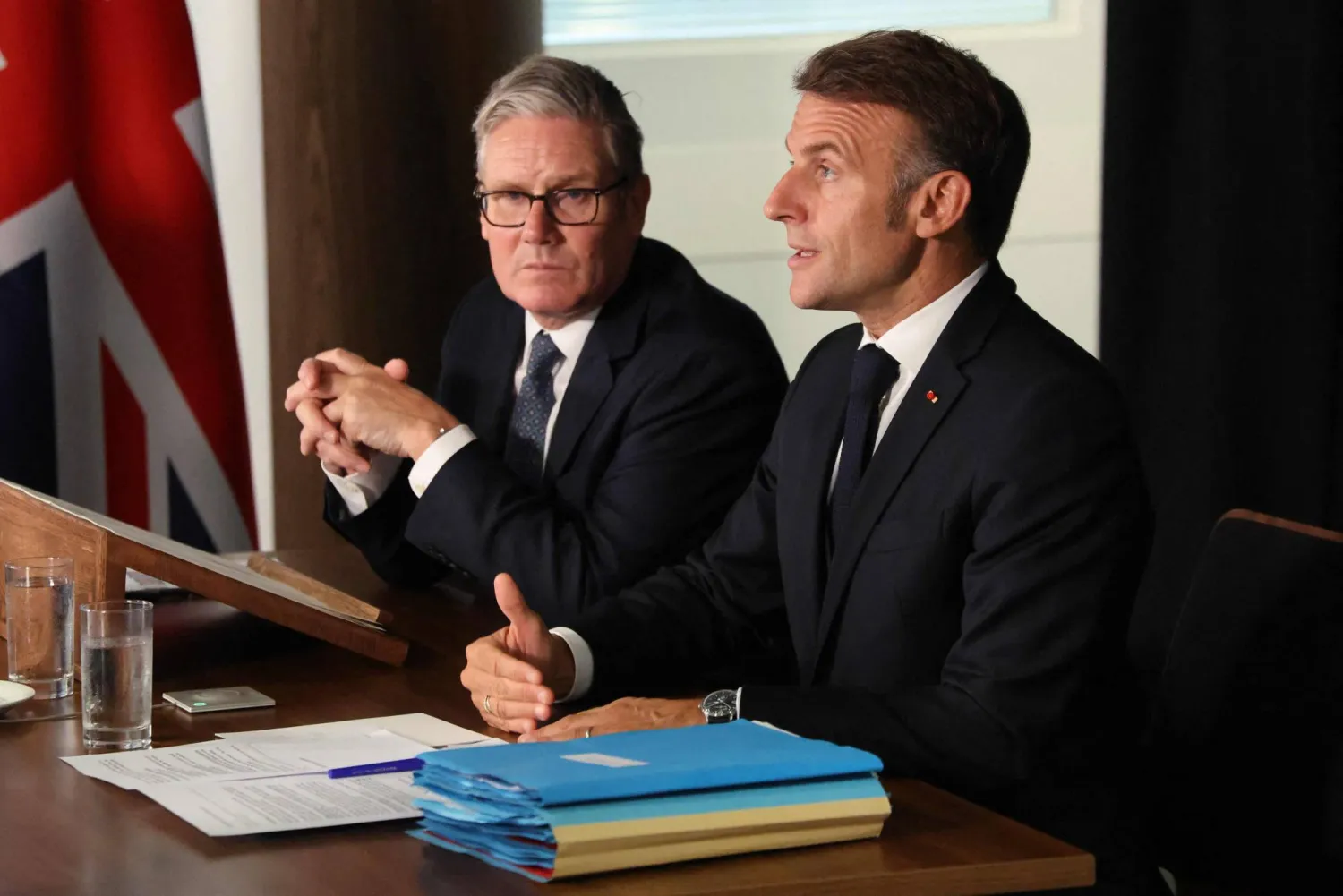
On the extent of Trump’s failure to assemble an international coalition to reopen the Strait of Hormuz, writer and political analyst Hazem Ayyad said, “Trump’s attempts to involve European nations and NATO, alongside calls to Russia and China to secure the strait, reflect clear signs of incapacity and loss of control.”
“This shows there is no coherent U.S. military or security plan to regain control of the Strait of Hormuz. Despite the widespread presence of U.S. bases across seven Gulf states and a significant military footprint, Washington has failed to keep the strait open. It is therefore a political and military failure, and it reflects a decline in American influence in the region,” Ayyad told Al-Estiklal.
“The most serious issue is the United States’ inability to persuade its closest allies to support its military efforts to reopen the strait. These countries have strong economic interests, which has pushed them toward partial agreements with Iran to ensure the passage of oil shipments, as seen with India and Turkiye. There are also reports of French and German efforts to secure deals with Iran to guarantee oil deliveries to their countries.”
“The U.S. failure is now evident. The attempts to form this coalition show that Washington never had a real plan to confront Iran; it relied on assumptions that proved flawed from the first day of the war, putting the U.S. in a serious bind,” he added.
“Trump’s call for international intervention is a sign of weakness and an attempt to shift responsibility, avoiding a long, drawn-out war of attrition that looms if no clear resolution with Iran is reached, which seems unlikely at this point,” according to the analyst.
“Efforts to involve European countries were a serious U.S. attempt to ease the burden, but they have so far failed, highlighting the inability of the United States, which has the heaviest political, military, and economic presence, including partnerships with Gulf states, to solve the problem.”
“Trump is trying to shift the military burden of the strait’s closure onto the international community and his allies, also passing along the costs of this failure, which negatively affect the global economy. It is therefore an attempt to manage the problem, but one that deepens the American crisis rather than solving it internationally,” Ayyad said.
In response to the rejection of his call for a coalition, Trump lashed out at NATO, saying he had long made this point and describing the situation as the best outcome to emerge from the crisis, in remarks delivered from the White House on March 17.
“We spend trillions and trillions of dollars on NATO to defend other countries, and I always said, but if it ever comes time to defend us, they're not going to be there. Many of them would not be there,” he said.
He added that some allies had been very supportive, with one or two standing out in particular, and said he would identify them at the appropriate time.
Trump’s Options
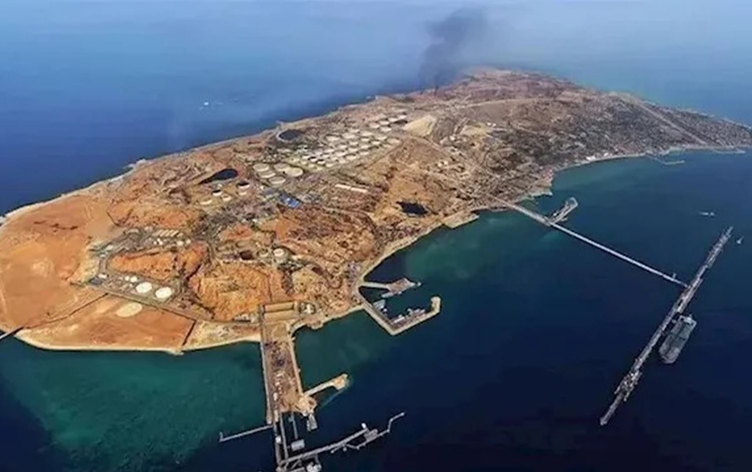
Trump is considering several scenarios to reopen the Strait of Hormuz, Axios reported, citing unnamed U.S. officials. One option under review is seizing Iran’s strategically critical Kharg Island, a move that would require deploying American ground forces.
Kharg Island, located about 24 kilometers off the Iranian coast, handles around 90 percent of Iran’s crude oil exports. Iranian authorities have warned that any attack on the island would trigger retaliatory strikes on oil facilities across the region. Axios added that as long as Gulf states maintain export restrictions, Trump cannot end the war even if he wanted to, though the White House expects some nations to endorse what it calls the “Hormuz Coalition.”
Under the U.S. plan, participating countries would provide warships, drones, command systems, and other military equipment. The immediate focus is on securing political commitments, with details of “which country provides what and when” to be decided later.
Trump has described taking control of Kharg Island as a crippling economic blow to Iran, effectively cutting off its main revenue source. Officials caution, however, that executing the operation would require ground troops and could provoke retaliatory attacks on oil facilities and pipelines in the Gulf, particularly in Saudi Arabia.
Israeli analyst Ron Ben-Yishai, in an article published by Yedioth Ahronoth on March 17, noted that the strait’s closure threatens major Asian and European economies, as it handles roughly a fifth of their energy consumption, including Iranian oil. While the U.S. is relatively insulated from energy shortages, rising oil prices add about 40 cents per gallon to gasoline and diesel at American pumps, creating political pressure for Trump ahead of the midterm elections.
The Israeli analyst added that the Iranians are acting with intelligence and cunning. Iran’s strategic calculation: selective closures minimize economic damage to itself while maintaining international credibility, targeting only vessels attempting to pass, with exceptions for those headed to China and India, which benefit from Chinese political and intelligence support and pledges of post-war reconstruction aid.
Ben-Yishai noted that Iran can easily shut the strait, just 21 nautical miles at its narrowest with only two lanes for oil tankers, and that control of seven strategic islands gives it multiple ways to block any ship trying to pass.
Regarding U.S. options, Ben-Yishai sees three main courses of action for Washington:
1. Use Kharg Island as a strategic lever. Around 90 percent of Iranian oil is loaded there, and the U.S. could land roughly 2,200 Marines after striking military installations to take control. However, this could trigger devastating retaliatory attacks on Gulf oil facilities and U.S. Arab allies.
2. Escort oil convoys through the strait. This is the option favored by military generals. It allows temporary passage without direct escalation or major casualties but requires complex naval and air support and could take several weeks to organize.
3. Full-scale military operation along the Iranian coast and islands. This would aim to neutralize all threats but carries high risks of casualties and the potential for a protracted quagmire similar to Iraq.
Ben-Yishai said Trump is looking to pursue the second option with NATO forces, particularly British, French, and German mine-clearers, which could allow the operation to begin within a week or two.c
Sources
- Seven U.S. allies back potential Strait of Hormuz coalition
- Trump urges UK and other nations to send warships to Strait of Hormuz
- Day 17 of Middle East conflict — Trump criticizes nations not committing to assist with Hormuz strait crisis
- Trump says that he’s asked ‘about 7' countries to join coalition to police Iran’s Strait of Hormuz
- France will never take part in operations to unblock Hormuz Strait amid hostilities, says Macron
- Japan not planning Hormuz escort mission, PM Takaichi says
- Trump steps up pressure on European allies to help protect strait of Hormuz
- ‘Not our war': Europe says no to Trump
- Iran war: Germany's Merz distances himself from Trump
- Trump demands NATO and China police the Strait of Hormuz. So far they aren't joining
- Trump expresses dissatisfaction with Japan, South Korea, Germany and NATO
- Trump eyes "Hormuz Coalition," seizure of Iran's Kharg Island oil hub
- Trump’s Plan to Reopen the Strait of Hormuz: What Are His Options? [Arabic]
- Kharg Island: Iran’s Oil Lifeline to the World [Arabic]