Israeli Occupation Banks Threaten to Shut Down the Shekel Channel: What’s Next for the Palestinian Economy?
The shekel is deeply embedded in prices, wages, taxes, and everyday payments.
Palestinian banks could be holding billions of shekels in their vaults while a Palestinian importer is unable to pay an Israeli supplier for fuel or medicine. That contradiction lies at the heart of a banking crisis that escalated in the summer of 2026.
The Palestinian economy relies heavily on the shekel, the currency of the Israeli Occupation power, for a large share of its transactions. Yet clearing payments with the Israeli side depends on banking channels controlled by Israeli institutions.
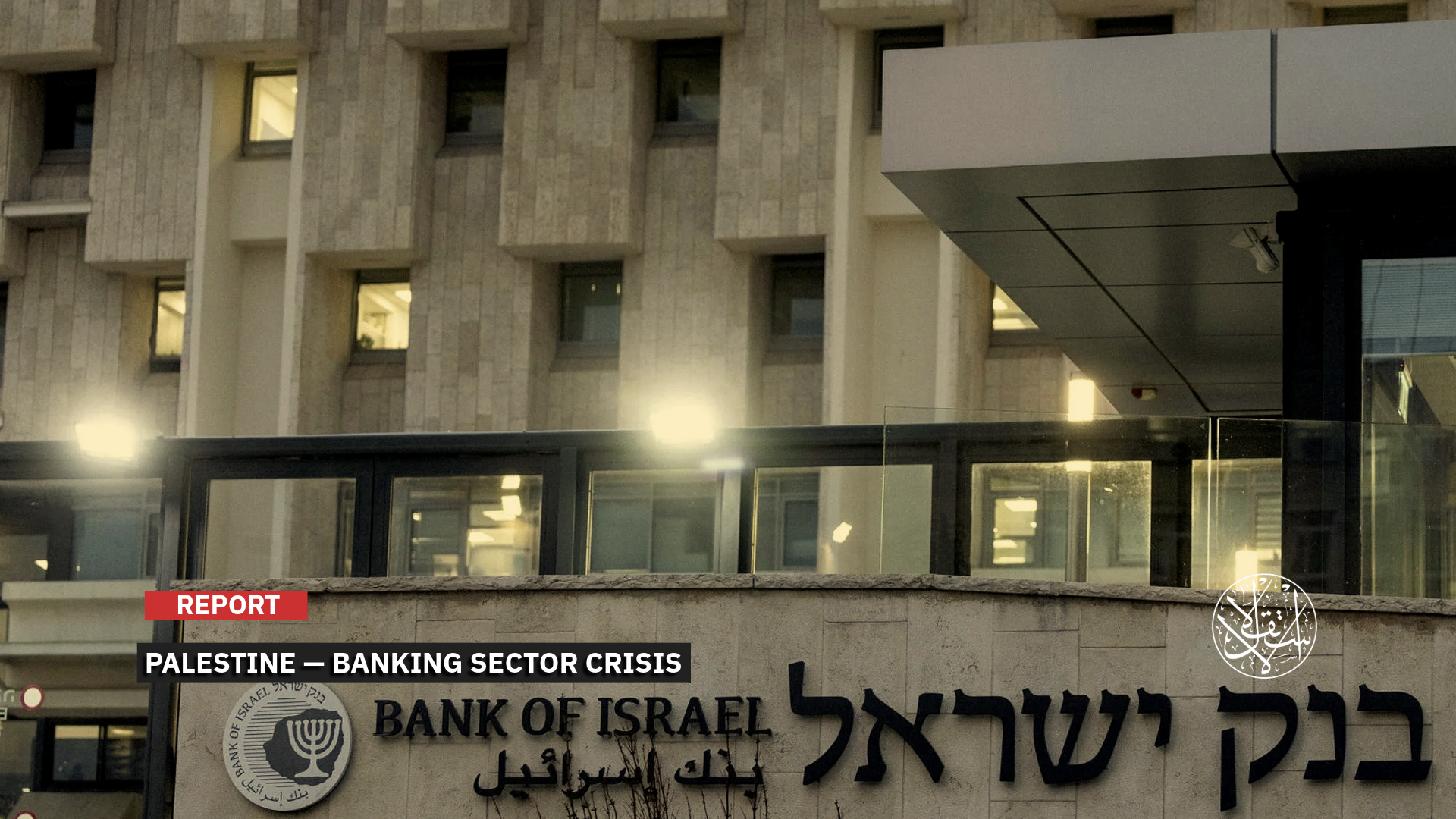
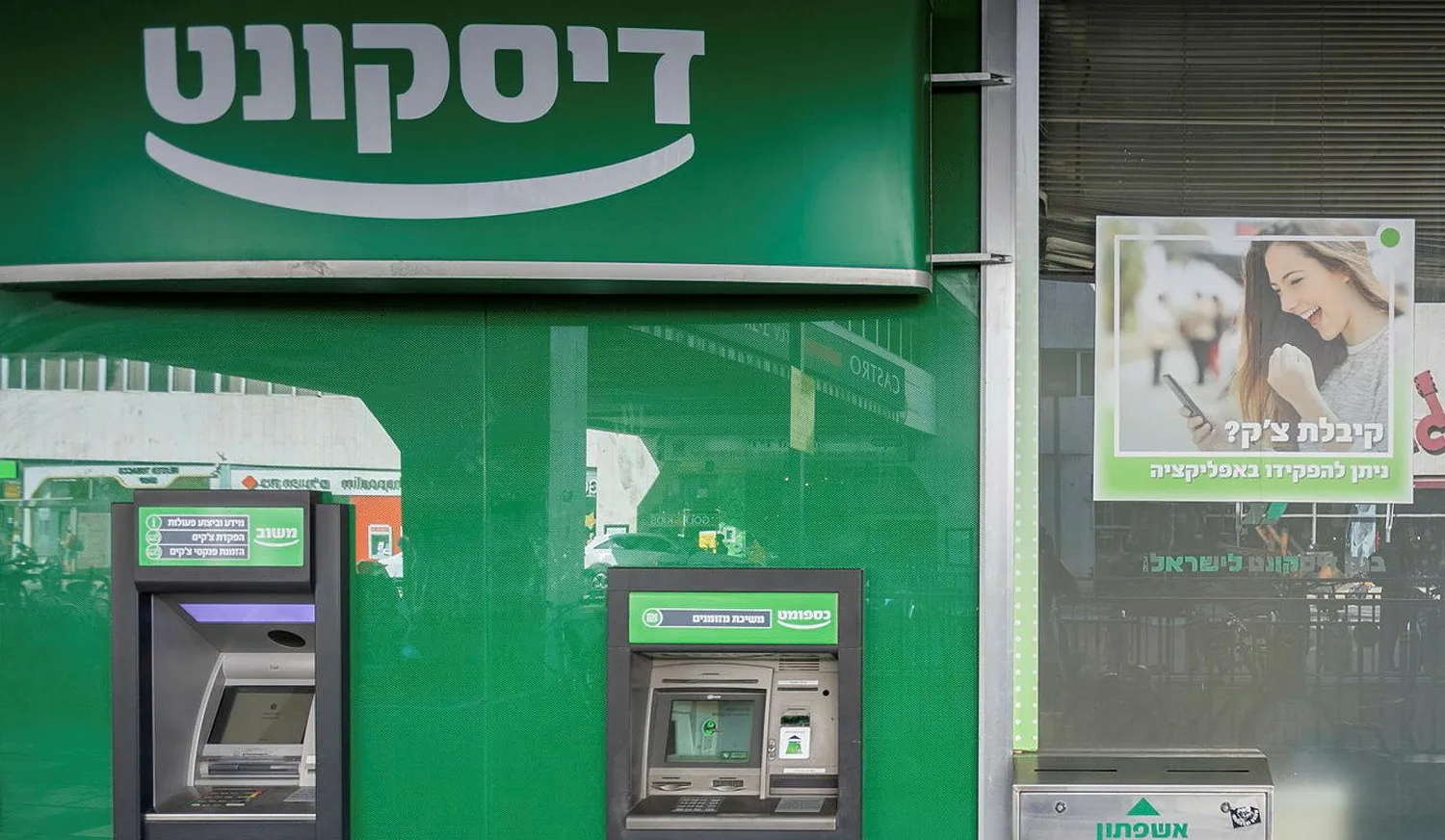
The crisis came into focus as Bank Hapoalim and “Israel” Discount Bank prepared to end their relationships with Palestinian banks before the Bank of “Israel” asked them to postpone the move over fears of widespread economic disruption.
According to Yahya Shunnar, governor of the Palestine Monetary Authority, the two banks process about 51 billion shekels in transactions linked to the Palestinian banking system each year, while roughly 90 percent of Palestinian trade passes through the Israeli Occupation. One U.S. dollar is worth about three shekels.
The Shekel Pipeline
The roots of the system go back to the 1994 Paris Protocol, which kept the shekel in circulation in the Palestinian territories. The Palestine Monetary Authority, the body that regulates the banking sector, was established without the power to issue a national currency.
With “Israel” controlling the customs system and border crossings, and the Israeli market dominating a large share of Palestinian trade, the shekel became deeply embedded in prices, wages, taxes, and everyday payments.
Palestinians use the shekel extensively, but Palestinian banks cannot transfer payments directly to suppliers’ accounts inside the Israeli Occupation. Instead, the money must pass through an Israeli correspondent bank, such as Hapoalim or Discount, which completes the payment within the Israeli banking system.
The Bank of “Israel,” the country’s central bank, explains that Palestinian banks need Israeli intermediaries to process shekel checks and payments, while final balances between banks are transferred through “Israel’s” Zahav settlement system.
In a typical transaction, a Palestinian bank deducts the cost of imported fuel, medicine, or food from a merchant’s account. The correspondent bank then enters the obligation into the Israeli banking system and transfers it to the supplier’s account.
The Israeli financial newspaper Calcalist described the channel as the pipeline that allows a shekel sitting in an account in Ramallah to reach another account in “Tel Aviv.”
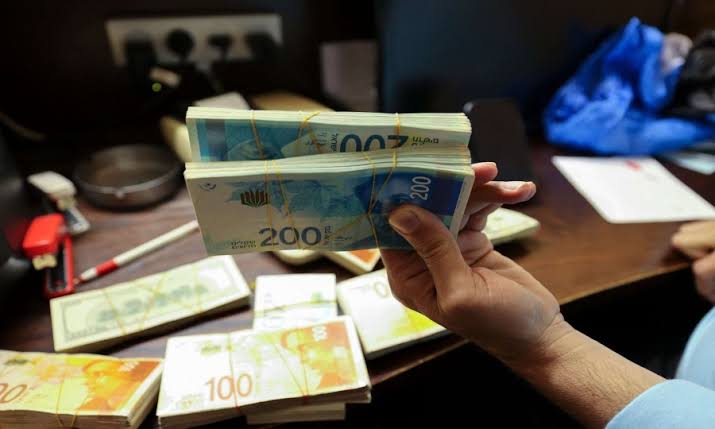
The same system applies to the growing surplus of physical shekels. Cash enters the Palestinian market through trade, wages, and sales, eventually piling up in bank vaults.
The Israeli Occupation determines how much cash can be returned to the Bank of “Israel.” In recent years, the limit has stood at around 18 billion shekels annually, or roughly 4.5 billion every quarter. Once a shipment is accepted, its value is converted into electronic balances that Palestinian banks can use for payments and settlements.
On August 4, 2026, Shunnar announced that the Israeli Occupation had agreed to move up the fourth-quarter shipment, allowing about 4.5 billion shekels to be transferred out after the surplus reached unprecedented levels.
The Palestine Monetary Authority said in June that the amount had exceeded 16 billion shekels, while Palestinian estimates put it at around 17 billion before the shipment. In practical terms, the banks were holding vast amounts of physical cash but needed Israeli approval to convert part of it into bank balances that could be used to finance trade.
In a May 19, 2026, report on the Palestinian economy, the World Bank warned that the growing stockpile of shekel cash, combined with uncertainty over correspondent banking, posed an immediate systemic risk to the Palestinian financial sector. The report estimated that Palestinian banks were holding about 16 billion shekels in cash by the end of 2025.
The previously mentioned figure of 51 billion shekels reflects the annual volume of transactions passing through the correspondent banking channel, rather than simply the value of Palestinian trade with the Israeli Occupation.
The Israeli newspaper Globes estimated Palestinian-Israeli trade in 2025 at more than 20 billion to 21 billion shekels. Banking transactions include transfers, settlements, and various payments, meaning the same amount can pass through the system more than once during the payment cycle.
Tax clearance revenues follow a separate path. Israeli authorities collect taxes and customs duties on behalf of the Palestinian Authority, while correspondent banks handle the settlement of payments in shekels.
Transfers of clearance revenues, or tax revenues, to Ramallah have been completely suspended since May 2025, deepening the Palestinian Authority’s fiscal crisis and forcing it to accumulate arrears, increase its borrowing from banks, and pay employees only part of their salaries.
The Israeli Occupation government recognized years ago the vulnerability of relying on just two commercial banks. On October 21, 2018, it decided to establish a government-owned Correspondent Services Company that was meant to take over the role played by Hapoalim and Discount.
A draft law regulating the company was published in 2022, and the Bank of “Israel” later developed a regulatory framework for it. But the company has yet to begin operating because the necessary legislation remains stalled, despite having a management structure and a technical connection to the Zahav system.
At the same time, the two banks’ concerns have grown over potential lawsuits involving the Palestinian Authority and Palestinian banks over alleged money laundering and “terrorist financing,” as well as the potential impact of those ties on their relationships with international banks.
Israeli Finance Minister Bezalel Smotrich, under U.S. and international pressure, agreed to extend the government’s protection and compensation framework through the end of 2026. But the two banks concluded that temporary extensions no longer offered sufficient protection against legal risks abroad or potential consequences for their international correspondent banking relationships.
On August 27, the Middle East and North Africa Financial Action Task Force (MENAFATF) said Palestine had “made progress in its anti-money laundering and counterterrorist financing frameworks,” while continuing to update its risk assessments and prepare for a mutual evaluation.

What Happens if the Channel Closes?
The immediate shock would be felt by Palestinian importers and businesses trying to pay for goods and services from the Israeli Occupation. Without correspondent banks, the channel used to send shekel payments to Israeli suppliers would be disrupted, affecting bills for electricity, fuel, food, and medicine.
The Palestine Monetary Authority has therefore placed these sectors among the payments most exposed to disruption, while its deputy governor, Mohammed Manasra, said in June 2026 that existing restrictions were already affecting supply chains and international payments.
The crisis would then move into banks’ liquidity, as the accumulation of cash raises the cost of storage, transportation, and insurance and makes banks more cautious about accepting large cash deposits.
Manasra said the Palestine Monetary Authority was dealing daily in June with complaints over banks refusing some shekel deposits because of the difficulty of moving the accumulated cash out.
On June 30, gas stations across the West Bank stopped operating for about half an hour in protest over the deposit crisis, showing how a banking problem could quickly spill into everyday economic activity.
Salaries would be affected through a broader chain of pressures. The Palestinian Authority’s struggle to pay its employees is tied to the withholding of clearance revenues, its fiscal deficit, and borrowing, while the correspondent banking crisis adds further pressure on transfers and liquidity.
By the end of 2025, loans to the Palestinian Authority and public-sector employees amounted to about $5.3 billion, or roughly 42 percent of total bank credit.
As more bank assets become locked up in physical cash and international payments become harder to make, banks are likely to become more cautious in managing credit and liquidity. This is why the World Bank has classified the correspondent banking crisis as a systemic risk to Palestinian financial stability.
Reliable institutions do not provide a fixed timeline for when fuel or food supplies would run out after a cutoff. The speed of the shock would depend on importers’ inventories, payment terms offered by suppliers, the balances still available, and the temporary use of dollars or Jordanian dinars.
Shunnar said in July that the system was approaching a broader crisis within weeks as the banks’ withdrawal deadlines drew closer.
That risk helps explain why the Bank of “Israel” intervened to push for the channel to remain open. Closing it could disrupt the collection of payments owed to Israeli suppliers, hit a trade market worth tens of billions of shekels, and push more transactions toward cash, intermediaries, and less regulated channels.
In July 2026, “Israel’s” Finance Ministry acknowledged that a cutoff “could harm regional stability and increase the risks of money laundering and terrorist financing by shifting activity into unregulated channels.”
On August 20, 2026, the Israeli financial newspaper TheMarker reported that Hapoalim and Discount had entered negotiations to improve the terms of their protection in exchange for temporarily maintaining the relationship.
The result is a clash of competing interests within Israel: the two banks want to reduce their legal exposure, the Bank of Israel fears a broader financial shock, while Smotrich has made extending the protection framework in recent years part of the political pressure on the Palestinian Authority.
What Are the Palestinian Options?
The most feasible solution in the near term would be to activate the government-owned correspondent banking company. This would shift the role from Hapoalim and Discount to a state-owned entity designed to work with Palestinian banks, but it would still keep shekel settlements within “Israel’s” banking system and leave access to that system subject to Israeli Occupation decisions.
Calcalist reported that the company is technically connected to the Zahav system, but its activation has remained stalled pending legislation and legal protections.
Palestinian banks maintain relationships with banks in Jordan, Europe, and the United States for dollar and Jordanian dinar transfers. But settling a shekel payment with an Israeli supplier ultimately requires an institution with access to “Israel’s” banking system.
That is why the longer-term debate has focused on reducing the shekel’s role in the economy. The dollar and Jordanian dinar are already used for savings, credit, and some contracts.
Expanding their use, however, would face the dominance of trade with the Israeli Occupation, the fact that much of the price of fuel, electricity, and other goods is denominated in shekels, and the cost of currency conversion.
The option entered the Israeli debate in August, when Globes reported that a message had been relayed to Shunnar through the Bank of “Israel” urging him to prepare for the possibility of seeking an “alternative to the shekel” if the crisis continued.
An Israeli banking economist told the newspaper that a gradual shift by Palestinians toward the dollar or Jordanian dinar could reduce Israel’s ability to track financial flows that currently pass through the formal banking system.
The Palestine Monetary Authority is also working to reduce reliance on cash within the market. It has developed the “iBuraq” instant payment system and expanded electronic wallets.
In February 2026, Law by Decree No. 4 on limiting the use of cash was issued, setting a general ceiling of 30,000 shekels for cash transactions and introducing a gradual shift toward electronic payments.
Digitization would reduce the flow of physical cash into bank vaults, but external shekel payments would still require a settlement channel within “Israel’s” banking system.
The quickest way to ease the current bottleneck, meanwhile, would be to raise the limit on cash returned to the Bank of “Israel.” The Palestine Monetary Authority has called for the annual capacity to be increased from about 18 billion shekels to between 25 billion and 30 billion, according to estimates by Palestinian experts, or for additional shipments to be allowed.
The August 4 decision to bring forward a 4.5 billion shekel shipment showed that the pressure can be eased through an Israeli administrative decision, leaving the underlying problem in the hands of the same authority that determines how much currency Palestinian banks can move out.
Economist Moayad Afanah said extending correspondent banking services and allowing the cash shipment would give the sector some breathing room, but that a permanent banking framework and greater capacity to absorb cash were needed, according to the Palestinian newspaper al-Quds in August.
Researcher at the Palestine Economic Policy Research Institute (MAS) Misyef Jamil argued that breaking the link would require changes to the structure of trade, production, and economic sovereignty, because deposits, credit facilities, imports, exports, and settlements are all intertwined with the Israeli economy.
Sources
- ECONOMIC UPDATE ON THE WEST BANK AND GAZA
- Israeli banks postpone cutting ties with Palestinian Authority
- MENAFATF Holds High-Level Meeting with the State of Palestine to Discuss Strengthening the National Anti-Money Laundering and Counter-Terrorist Financing System
- Banking Sector Crisis... Temporary De-escalation of Relations with Israeli Banks
- Shunnar: Israel Agrees to Transfer $1.3 Billion in Surplus Funds Held by Palestinian Banks [Arabic]
- Approval to Establish “Correspondent Services Ltd.” as a Wholly State Owned Government Company [Hebrew]
- Israeli Banks Move to Cut Financial Ties With the Palestinian Authority [Hebrew]
- Government Blocks Legislation to Rescue Palestinian Banks [Hebrew]
- Temporary Solution Emerges for Palestinian Banking Crisis as Discount and Hapoalim Discuss Extending Indemnity Agreements [Hebrew]