Egypt’s Debt Fell to $9.3 Billion: Why Is It Walking Away From the IMF?
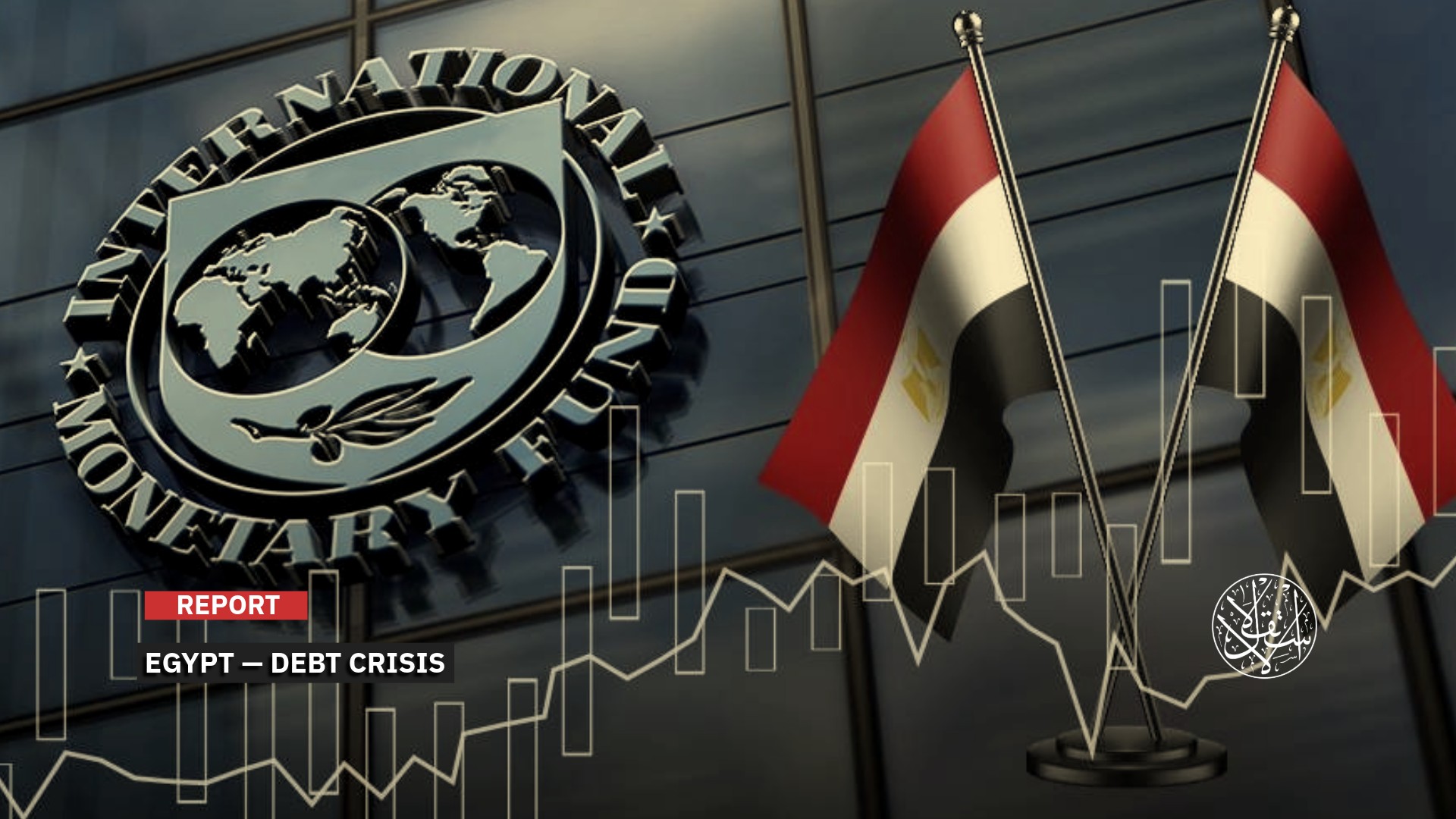
Egypt is preparing to exit the IMF programs after 2026.
At the same time, Egypt’s Cabinet’s Information and Decision Support Center revealed, citing Mohamed Maait, the IMF’s Executive Director and Egypt’s former finance minister, that Egypt’s debt to the International Monetary Fund had fallen from $25.3 billion to $9.3 billion as of June 2026.
Egyptian head of the regime Abdel Fattah el-Sisi and Prime Minister Mostafa Madbouly have also confirmed that Egypt will not enter into any new borrowing programs with the IMF after its current program ends in December 2026.
On August 16, 2026, pro-government TV presenter Nashaat eldeehy said on his program that, according to official information, “Egypt is currently taking steps to divorce the IMF, and hopefully it will all work out,” as he put it.
The IMF’s latest data show that the current Extended Fund Facility (EFF) program is scheduled to expire on December 15, 2026, alongside the Resilience and Sustainability Facility (RSF) program, which began in March 2025. The Egyptian government is not expected to seek a new financing program after the current one expires.
Talk of Egypt preparing to exit IMF programs after 2026 raises questions about whether the economy has become capable of doing without the “international safety net.”
Does Egypt believe the IMF’s role as a “financial lifeline” has come to an end, amid claims of improved foreign-currency liquidity and increasingly diverse sources of financing?
Or has this “divorce” come after Cairo realized that it had become deeply entangled in IMF programs and “got stuck,” leaving it searching for another way out amid mounting debt and reports of growing public discontent over the continuing rise in the cost of living?
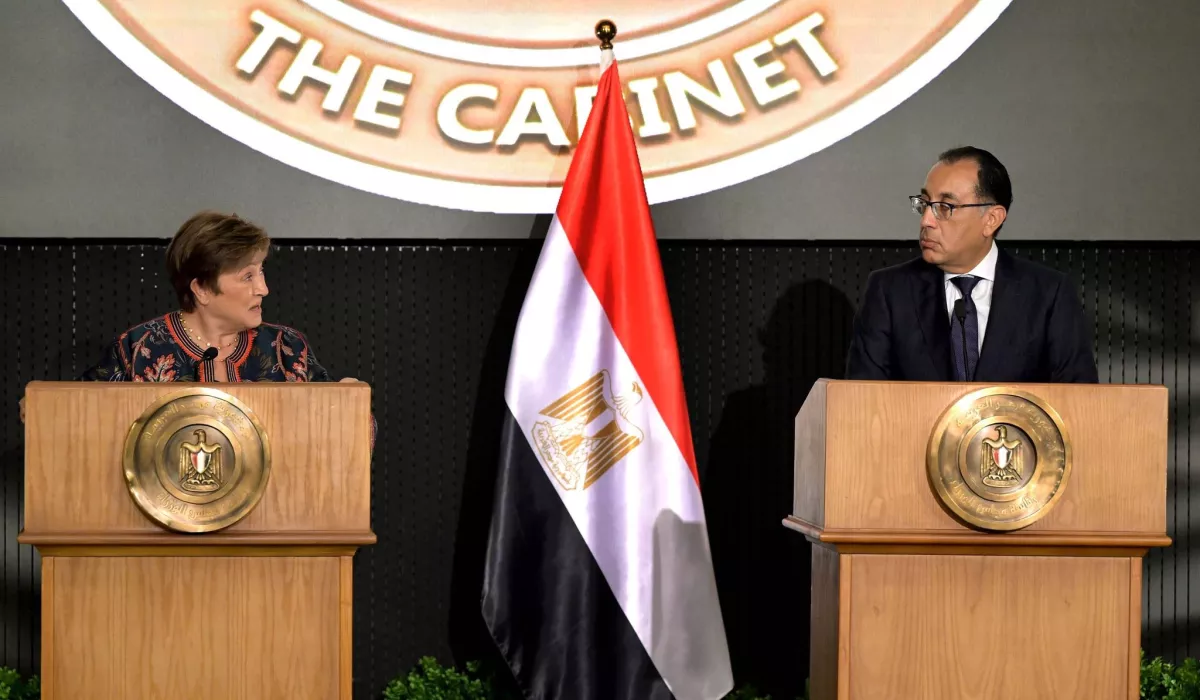
Why Is Egypt Walking Away?
There are four reasons, according to various Egyptian estimates, behind Egypt’s decision to “divorce” the IMF. Perhaps the most prominent are, economically, the rising political and social cost of some of the Fund’s conditions, and politically, the Fund’s demands for the military establishment to withdraw from the economy.
Experts see the improvement in Egypt’s foreign-currency position as one reason for considering this “divorce.” Egypt is no longer in the same position it was in 2023, when it was struggling to secure dollars to meet import needs and external obligations. This is the first reason.
According to IMF documents and reviews, as well as market data, Egypt is targeting around $7 billion in hot-money inflows, foreign investments in government debt instruments, during the current 2026/2027 fiscal year.
This is in addition to around $11.8 billion in foreign direct investment, as part of efforts to cover financing needs and build foreign-exchange reserves, according to documents reviewed by Al Arabiya on August 16, 2026.
The second reason is the growing availability of alternative sources of financing. Gulf investments, tourism, remittances, and foreign investments in debt instruments are providing Cairo with sources of financing that do not come directly from the IMF.
Egypt’s economic indicators showed Gulf inflows through August 2026, with cumulative Gulf investments in Egypt exceeding $60 billion, led by investments from the UAE, Saudi Arabia, and Kuwait.
Tourism revenues and workers’ remittances also recorded notable growth, helping push foreign-exchange reserves to a record level of around $56.3 billion in July 2026. Meanwhile, net foreign inflows into Egypt’s local debt instruments reached around $11 billion by the end of July 2026, amid fluctuations linked to geopolitical conditions.
The third reason is the rising political and social cost of some of the Fund’s conditions. Fuel and electricity prices have been raised, while the Egyptian pound has been devalued from 7 to 50 pounds per dollar since Egypt began cooperating with the IMF in 2016. Subsidies have also been reduced, increasing public anger.
All of these are reforms considered necessary from the IMF’s perspective, but they carry significant political and social costs for the government.
The fourth reason is the desire to regain economic decision-making through a new national program. This would mean ending the Fund’s ongoing reviews and conditions, as well as its pressure on issues such as the sale of state-owned companies, military-owned companies, and the military establishment’s withdrawal from the economy, an issue that appears to have become a red line and has strained cooperation with the IMF.
Although the Egyptian government is talking about exiting the IMF programs, Egypt will remain financially tied to the Fund for years because of repayments on previous loans.
Talk of Egypt preparing to leave the IMF programs at the end of 2026, and “divorcing” the Fund, came after the Central Bank of Egypt confirmed that the country’s external debt had risen to $164.8 billion.
The World Bank revealed on August 12, 2026, that Egypt is required to repay $62.8 billion in external loans over the 12 months from April 2026 through March 2027, effectively a year dominated by debt repayments.
The debt due within that single year includes $7 billion in interest on existing debt and $55.8 billion in principal repayments. This includes $21.1 billion in repayments on loans associated with deposits and currency holdings from Gulf countries, which may potentially be renewed or converted into investments.
Egypt’s obligation to pay $62.8 billion in principal and interest over just 12 months has raised questions about whether there is a connection between the country’s mounting debt crisis and the decision to “walk away” from the IMF.
Or has this heavy debt burden, along with the conditions attached to IMF financing, prompted Cairo to stop borrowing from the Fund and free itself from its advice and mandatory demands, to the point that pro-government media have used the term “khul‘,” meaning a form of divorce initiated by the wife, effectively a forced separation?
Eldeehy also confirmed on his program Bil-Waraqa wal-Qalam (“With Pen and Paper”), broadcast on Ten TV, that the Egyptian state is moving toward preparing a “national reform program” to address the country’s economic challenges instead of relying on external programs.
He predicted that an announcement would soon be made outlining “the policies and measures the government will adopt during the coming period,” pointing to what may follow this “divorce,” and perhaps signaling the authorities’ unwillingness to continue accepting the Fund’s demands or “programs.”
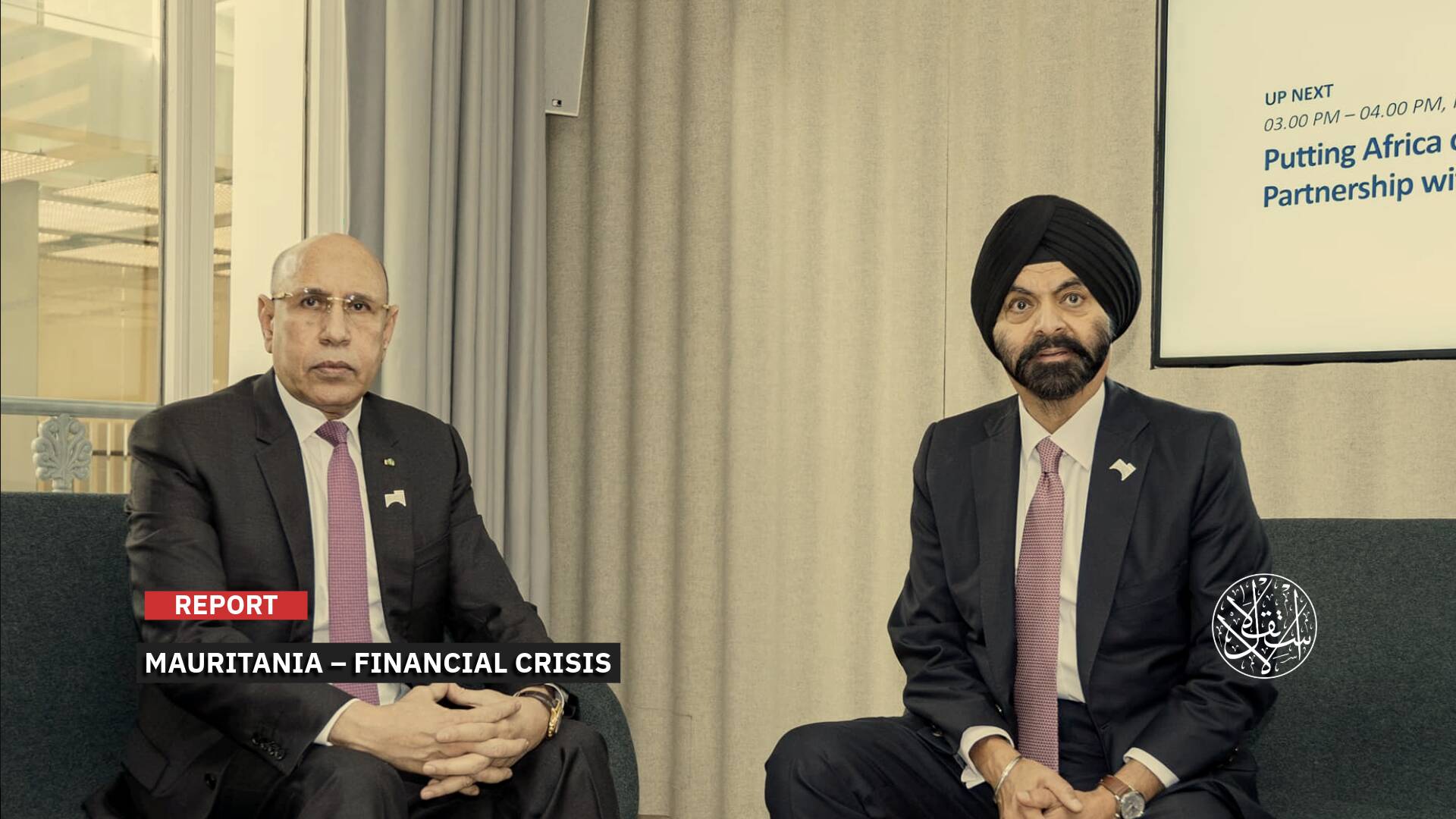
The main reason behind the discussion of this walk away or “divorce” from the International Monetary Fund was a statement by former Finance Minister Mohamed Maait, who currently serves at the Fund, that Cairo had implemented three IMF programs, beginning with a $12 billion loan in November 2016, followed by around $8 billion in financing in 2021 to address the repercussions of the COVID-19 pandemic.
Cairo then entered a third program following the outbreak of the Russia-Ukraine war, initially worth $3 billion, before it was increased to $8 billion in March 2024, in addition to a further $1.8 billion in financing under the Resilience and Sustainability Facility.
He confirmed that the amounts Egypt had received from the Fund by the end of June 2026 totaled around $25.3 billion. Egypt had repaid nearly $16 billion of that amount, leaving $9.3 billion still to be repaid, making the prospect of freeing Egypt from its IMF debt an incentive for this economic “divorce” from the Fund.
However, the end of Egypt’s relationship with the IMF does not mean the end of its outstanding loans. The current program expires in December 2026, but loan repayments will continue afterward, with repayments scheduled to continue until 2048/2049, according to IMF data.

Is It Related to the Military’s Investments?
Ironically, talk of “divorcing” the IMF and turning away from its advice comes after the international institution repeatedly stressed the need for the Egyptian military to withdraw from the economy and sell its economic enterprises.
This has not happened despite repeated calls to do so, and it was one of the reasons for the increasingly critical tone of some of the Fund’s reports.
For example, the report on the fourth review of Egypt’s $8 billion loan program, issued on July 15, 2025, was strikingly pessimistic and strongly criticized the continued dominance of military-owned companies over the economy, as well as the rising debt, which it projected could reach $202 billion by 2030.
Egyptian Prime Minister Mostafa Madbouly confirmed on June 4, 2026, that the government sees no need to enter into a new financing program with the IMF after the current program ends in December 2026, according to Egypt’s State Information Service.
Madbouly had announced this direction as early as May 2025. This was followed by Egyptian head of the regime Abdel Fattah el-Sisi reiterating that Egypt would not seek a new loan and that the government was working on a national economic program for the post-IMF period, according to Reuters on July 31, 2026.
To facilitate the repayment of debt interest alone, Egyptian head of the regime Abdel Fattah el-Sisi decided on August 10, 2026, to issue “tax sukuk,” allowing the government to collect future tax revenues and discount them later, with the aim of raising funds to reduce the interest burden of the country’s massive debt.
Economists have described the move as another disaster and a repetition of what Khedive Ismail did, which ultimately led to Egypt’s bankruptcy and the surrender of its sovereignty to the foreign occupier at the time.
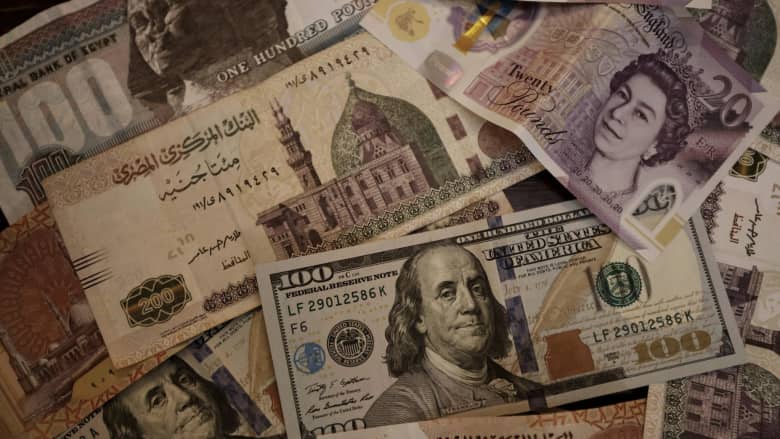
The History of IMF Loans
According to official International Monetary Fund data, Egypt has received financing programs (loans) from the Fund since 1962, but the 2016 program was the largest in its history up to that point.
On November 11, 2016, the IMF approved a $12 billion loan under a three-year economic reform program. As part of the program, Egypt devalued the pound by floating its exchange rate, causing the dollar to rise from 7 to 20 Egyptian pounds and triggering a major wave of price increases. The program ended on July 29, 2019, but repayment of the loan continued afterward.
Then, in May 2020, the COVID-19 crisis prompted Egypt to request a new loan of around $5.4 billion. This was accompanied by another decline in the pound, which fell to around 30 pounds per dollar.
On December 16, 2022, the IMF approved a new program initially worth around $3 billion. The program was subsequently increased to $8 billion in 2024 after being expanded, and is scheduled to end on December 15, 2026. This was accompanied by further declines in the pound, which has recently approached 50 pounds per dollar.
The government first decided to float the pound in 2016, causing it to fall from 8.88 to 15.77 pounds per dollar. This was followed by a second devaluation in March 2022, when the pound fell from 15.77 to 19.7 pounds per dollar.
The government continued implementing currency devaluations, which reached six in total, reducing the pound’s value from 19.7 to 24.7 pounds per dollar. It fell again in January 2023, from 24.7 to 32 pounds per dollar, a decline of 30 percent.
The decline continued, at the IMF’s request, until the Egyptian pound reached approximately 50 pounds per dollar on March 6, 2024, following an almost complete float of the currency, according to a report by Al-Masry Al-Youm published on March 6, 2024.
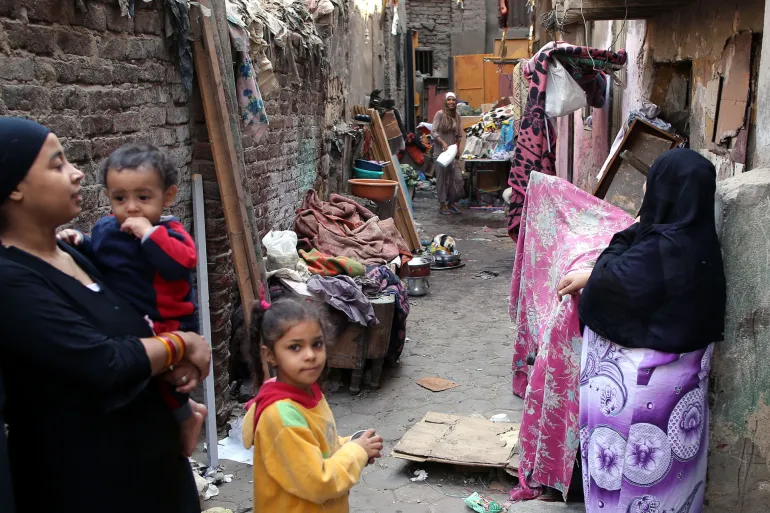
Where Does It Borrow From?
Cairo’s intention to stop borrowing from the International Monetary Fund does not mean that it will stop borrowing altogether. Instead, it will continue to borrow from other sources and rely on the sale of publicly owned projects, companies, land, and coastal properties, in addition to relying on hot-money inflows, according to an economist who spoke to Al-Estiklal.
The economist explained that the data from the seventh review of Egypt’s Extended Fund Facility program, published by the IMF on August 13, 2026, revealed that the government continues to rely heavily on international loans and assistance to meet its external financing needs, amid a decline in the contribution of the government’s asset-sale program, or privatization.
He stressed that the issue of military-owned companies, the businesses operated by the military, and its dominance over the civilian economy are obstacles to Egypt’s ability to borrow from abroad.
The government’s turn to other international institutions, he said, came partly because of the Fund’s conditions requiring the military to withdraw from the economy.
According to the seventh-review data, Egypt faces external financing needs of $9.7 billion during the current 2026/2027 fiscal year. This represents the gap between the country’s external revenues and expenditures, in addition to the expected decline in foreign-exchange reserves during the same period.
Loans from international institutions constitute the main source of financing for these needs. They include $3 billion from the IMF that had already been agreed upon, $1 billion from the World Bank, and $3.5 billion from the European Union, in addition to $1.8 billion in inflows from unspecified sources.
Privatization is one of the main sources of financing as an alternative to borrowing. However, that option has faced several obstacles that prevented it from producing the expected results during the implementation of the program, according to IMF data.
After the government raised $2.2 billion from asset sales under the current program, the privatization process slowed toward the end of the 2023/2024 fiscal year, partly because of market conditions. The government addressed this setback through the Ras el-Hekma deal, which was worth $3.5 billion.
The IMF expected the government to raise at least $500 million by July/August 2026 through major transactions, including the Jabal al-Zeit power station, which had already been sold to the UAE at a price below its value, and Misr Life Insurance, which is being prepared for sale.
The Fund also expects to raise an additional $1 billion by expanding public offerings in financial markets and offering concessions.
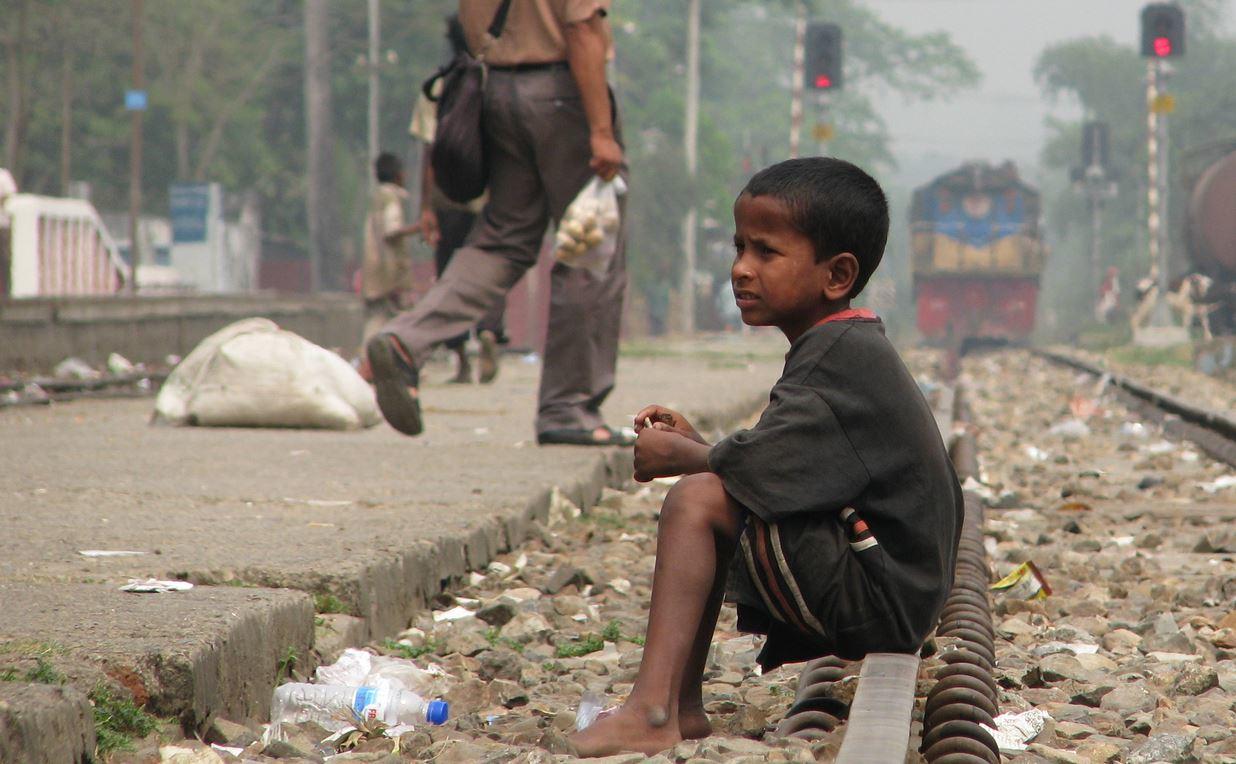
Rising Prices or Public Unrest
The Egyptian economist cited earlier says that the accumulation of debt, Egypt’s obligation to repay $64.8 billion within a single year, and the economic difficulty and cost of servicing this debt will push Egypt toward one of two paths: higher prices and rising living costs, or taking on more new debt to repay old debt.
He explained that, because of the huge amounts of debt that need to be repaid, Egypt could face a scenario in which its dollar resources come under pressure, forcing it to adopt greater exchange-rate flexibility and devalue the pound further.
A weaker pound would mean another wave of price increases, as it would raise the cost of imports and push inflation higher again. In this situation, ordinary citizens would be the weakest link, bearing the brunt of the new wave of price increases caused by the government’s debt.
This could eventually push citizens toward a state of popular anger, compounded by other factors such as further deterioration in living standards, shortages in public services, corruption, and conspicuous class disparities, as visibly displayed in el Alamein and the North Coast this summer.
The uncertainty surrounding the nature of economic policy, coupled with the pressures of the war with Iran, further increases the risk of a shock affecting one of Egypt’s main sources of foreign currency, such as a decline in tourism, remittances, Suez Canal revenues, or foreign investment.
A shortage of dollars could revive the black market, put further pressure on the pound, increase the cost of imports, and consequently drive prices higher, weaken purchasing power, increase poverty, and intensify social pressure and public anger.
Therefore, the most likely scenario if the crisis intensifies would be a new wave of price increases and social pressures if the government is forced to devalue the pound against the dollar again, or if financing and import costs rise.
Alternatively, under certain unknown circumstances, a wave of price increases could trigger widespread public anger. Economic pressure does not automatically translate into political protest, however. Between the two are many factors, including the government’s ability to provide basic goods, unemployment, wages, inflation, and subsidies, all of which are difficult to predict, according to the economist.
If financial pressure translates into painful measures affecting people’s daily lives, such as raising fuel and electricity prices, cutting subsidies, increasing taxes, devaluing the pound, and rising food prices, citizens will not see the debt crisis merely as a figure in economic reports.
Instead, they will experience it through the price of bread, transportation, electricity, medicine, and food, becoming trapped in a daily struggle to afford basic necessities and keep the lights on. That is the difference between a financial crisis that can be contained and a social crisis that could become political.
Sources
- IMF Executive Board Completes the Seventh Review Under the Extended Arrangement Under the Extended Fund Facility and the Second Review Under the Resilience and Sustainability Facility Arrangement for Egypt
- IMF Unlocks About $1.8 Billion for Egypt After Reviews
- Cabinet: Egypt Does Not Need New Loans From the IMF [Arabic]
- IMF Report: Privatization Proceeds Limited as Egypt Becomes More Reliant on Loans [Arabic]
- From 8 to 50 Pounds: Egypt’s Exchange-Rate Liberalization Journey Over the Past Decade [Arabic]
- Egypt: Seventh Review Under the Extended Arrangement Under the Extended Fund Facility
- Egypt Targets a $7.7 Billion Increase in Foreign-Exchange Reserves in the Current Fiscal Year [Arabic]