Iranian Pilots in Qatar: Why Did Tehran Change Its Narrative After Six Months?
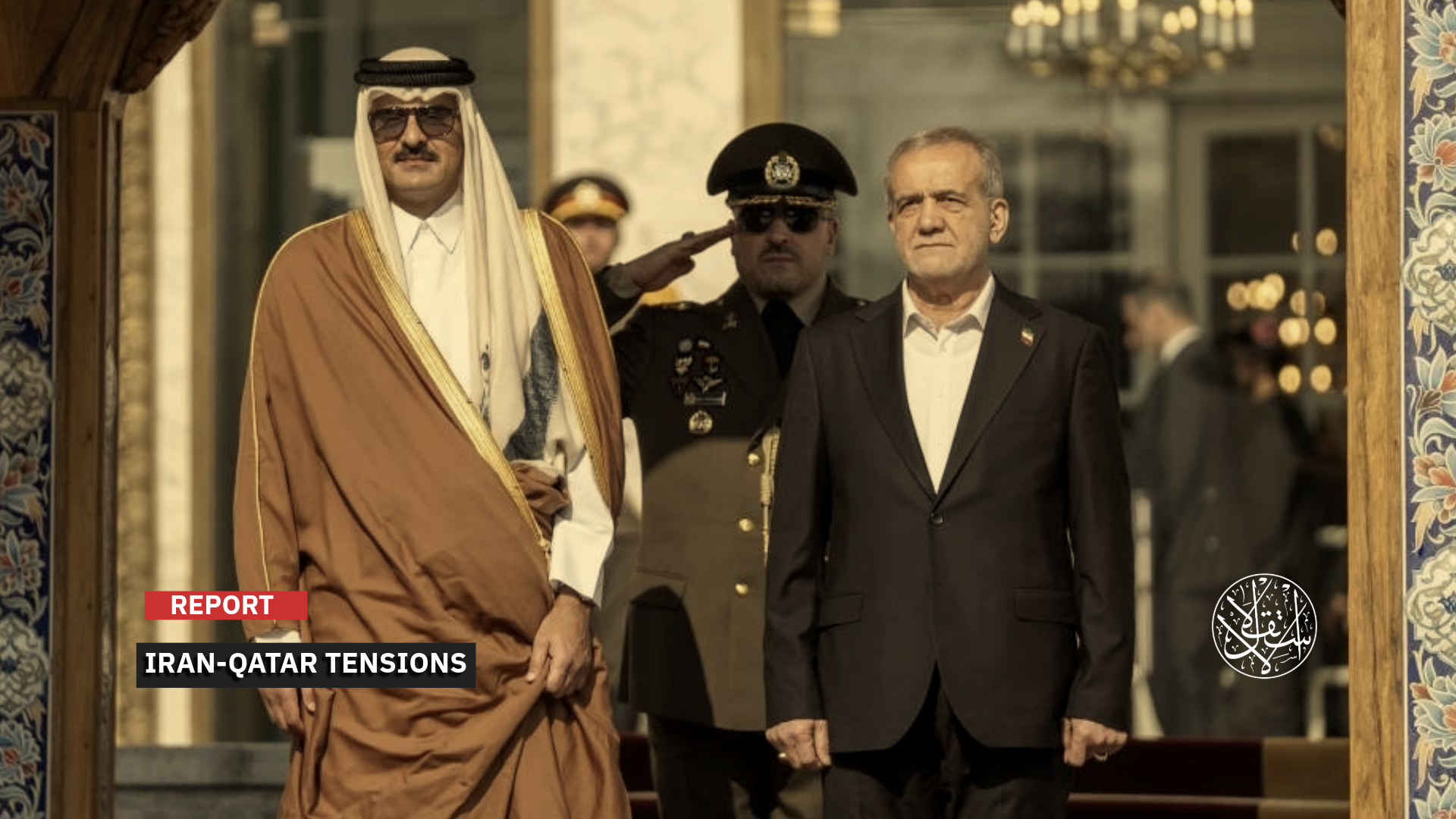
Qatari authorities categorically denied the presence of Iranian pilots on its territory.
Tensions between Iran and Qatar have escalated over the fate of three Iranian pilots who went missing after two Iranian fighter jets were shot down in Qatari airspace on March 2, 2026.
Tehran has shifted from referring to them as missing pilots to asserting that they have been held as prisoners by Doha for six months, despite Qatar’s categorical denial.
Six months after the incident, Iran is now demanding that a team of experts be allowed to enter Qatari territory to investigate the pilots’ fate. It has also asked the International Committee of the Red Cross (ICRC) to intervene and gain access to them.
Qatar, meanwhile, says it found the remains of one of the pilots in March and handed them over to Iran. Doha also says it invited an Iranian team to observe the search operations and verify the circumstances of the incident, but that Tehran did not respond to the invitation.
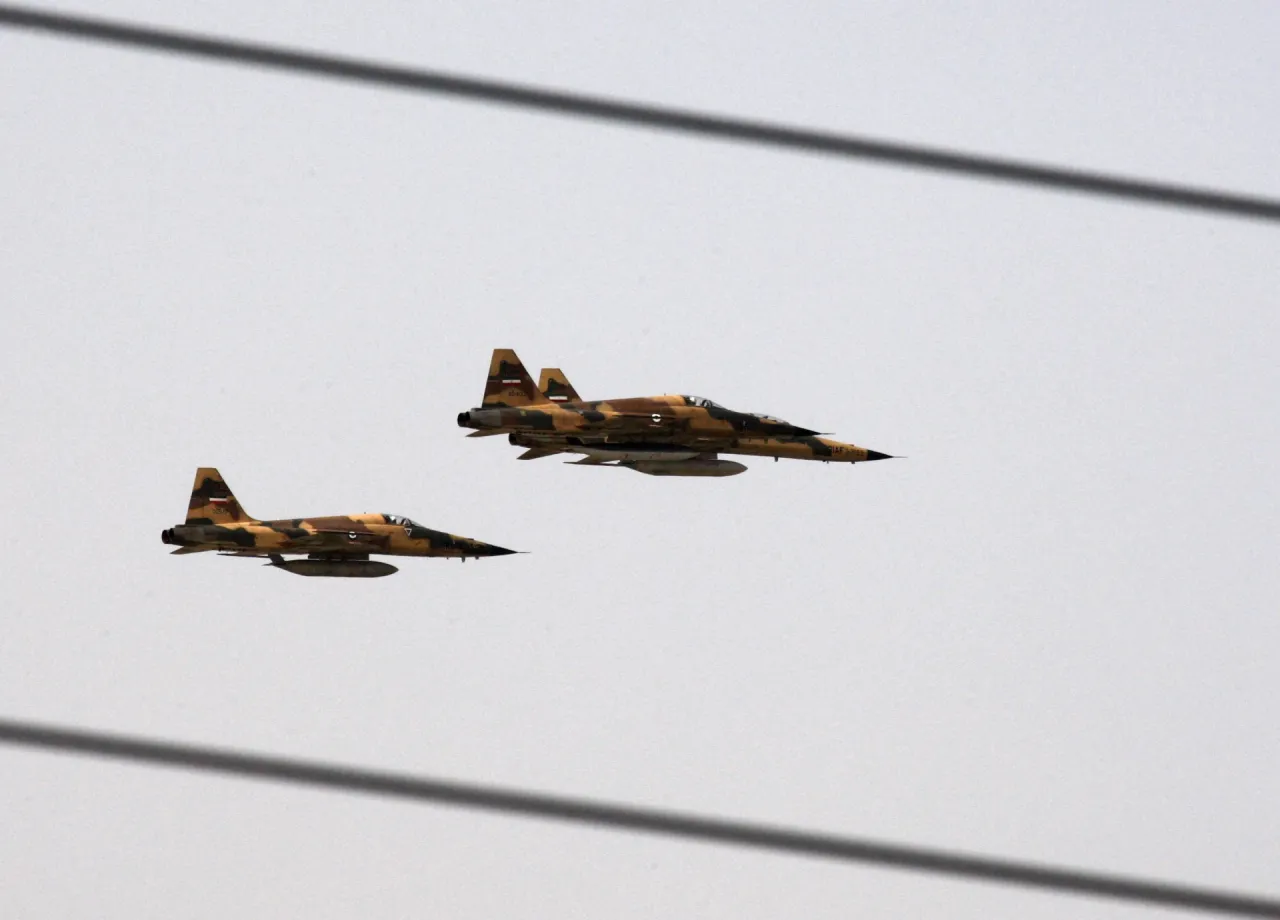
Changing Narrative
The Iranian narrative at the beginning of the case referred to three pilots as missing. Tehran later confirmed the death of pilot Majid Kazemi after verifying his identity.
Then, on August 15, 2026, Iran announced that Javad Salehi, Abdolmajid Dashtian, and Omran Bahroushian had been held as prisoners by Qatar for six months.
On August 16, Iranian Foreign Ministry spokesman Esmaeil Baghaei said that Iran wanted clarification regarding the pilots’ status and would spare no effort to determine their fate.
Tehran also called for a committee of experts and fact-finders to be allowed to enter Qatar and conduct an on-site investigation.
The following day, Iran reiterated that it considered the three pilots prisoners until their fate could be verified. Meanwhile, the Iranian General Staff announced that it had asked the International Committee of the Red Cross (ICRC) to help secure their release.
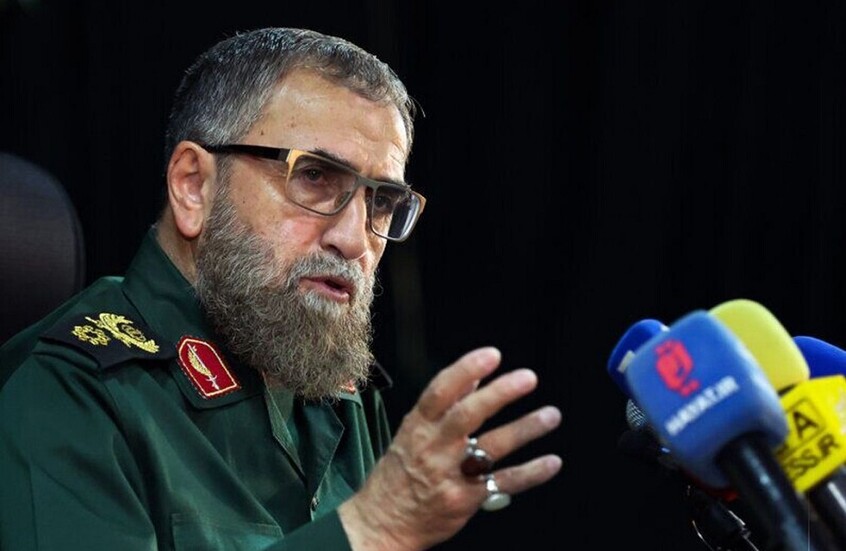
Brigadier General Mohammad Bagherzadeh, head of the Missing Persons Search Committee of Iran’s General Staff, said that a technical team had been waiting for months to obtain permits to enter Qatar.
He stressed that the team’s mission was limited to conducting a field investigation into information concerning the pilots, while accusing the Qatari side of obstructing and delaying the matter.
Qatar, however, presented a different account. On August 18, Qatari Foreign Ministry spokesman Majed al Ansari said that his country had recovered the remains of one of the pilots on March 19 and handed them over to the Iranian side.
Al Ansari added that Doha had invited Iran to send a technical team to observe the search operations and verify the circumstances of the incident, but Tehran had not responded, stressing that the invitation remained open.
On August 15, al Ansari said that Qatar categorically denied the claims that Iranian pilots had been detained, adding that Doha was surprised by what it described as “misleading statements” being made at this particular time, amid ongoing diplomatic efforts aimed at de-escalating tensions in the region.
The spokesman also said that Qatari authorities had made contact with the pilots concerned after they violated Qatari airspace and that the trajectory of the engagement had been verified.
He said that, after following the rules of engagement and attempting to contact the pilots without receiving a response, the necessary measures were taken to defend Qatar’s territory in accordance with international law. He added that this had been explained at the time through official channels.
Internal Struggle
Commenting on the matter, Ali al-Hail, a professor of political science at Qatar University, told Al-Estiklal that the sequence of events is the key to understanding why the new Iranian narrative has emerged at this particular time.
Al-Hail added that the notable point is that the Iranians did not respond to Doha’s invitation after Qatar informed them about the remains of the pilot it had found in April. Then, in mid-August, a different narrative emerged, claiming that Iranian pilots were being detained in Qatar.
He pointed out that the Qatari Foreign Ministry spokesman categorically denied that any Iranian pilot was being detained, while Iran said it would send a team to verify the matter. The Qatari side responded, in effect, “Send the investigation committee.”
Al-Hail then offered a possible explanation for the shift in the narrative, saying there had been talk of internal disagreements in Iran and differences between the positions of President Masoud Pezeshkian and the Islamic Revolutionary Guard Corps (IRGC) over the course of the conflict with the United States and “Israel”.
The Qatari political science professor explained that the case could also be linked to a broader internal struggle in Iran. However, he stressed that his interpretation remained only a possibility, saying, “I say perhaps, because I am a scientific researcher. I have not conducted a field survey or carried out an investigation and fact-finding process.”
Along similar lines, Qatari activist Ahmad Alyehri wrote in a post on X on August 16 that raising the issue of the pilots six months later could be linked to Iran’s domestic circumstances.
He suggested that acknowledging the existence of internal crises could be accompanied by an attempt to redirect public anger outward.
Meanwhile, Iranian researcher Mohammad Saleh Sedghian warned that turning the issue of the pilots into a media crisis could harm relations between Iran and Qatar, particularly given Doha’s role as a mediator between Tehran and its adversaries.
In a post on X on August 16, Sedghian said that “it is not appropriate to raise the issue of the missing Iranian pilots with Qatar in the media under the current circumstances.” He stressed that Qatar is a friend of Iran and that the issue should not turn into a media confrontation between the two countries.
The Iranian researcher noted that asking the International Committee of the Red Cross to verify the matter would mean bringing an international party into the case, which could further complicate the issue. He said the dispute could instead be resolved through diplomatic channels.
Sedghian linked the importance of maintaining relations with Qatar to its role as a mediator, saying that “Qatar is mediating with Pakistan in negotiations with the American side.”
He added that any disagreement between the two countries could be resolved diplomatically, “out of respect for the friendship between the two brotherly countries.”
Late Pressure
Other analysts offer a different reading of the timing, linking the decision to raise the issue to the possibility of political calculations by Iran toward Qatar, particularly regarding Iranian funds frozen abroad, which Tehran had been expected to recover as one of the terms of the 60-day agreement with the United States.
Sabah al-Khozai, a writer and political analyst specializing in Iranian affairs, said the pilots’ case exposes a “glaring contradiction” in Iran’s narrative.
He noted that just days earlier, Tehran had said the fate of the three pilots was unknown, before subsequently claiming that they were alive and had been detained in Qatar for six months.
In a post on X on August 16, al-Khozai questioned what evidence Iran had for claiming that the three pilots were alive and being held in Qatar.
He pointed out that there were no photographs, no visit by the Red Cross, no contact with their families, and no independently published evidence to substantiate the claim.
The Iranian affairs expert said that, in light of the timeline and the publicly available evidence, the Qatari account appeared more consistent.
He estimated that Iran was attempting to turn the fate of its missing personnel into a prisoner-detention case in order to put Qatar under international pressure.
Meanwhile, Liqaa Makki, a researcher at the Al Jazeera Centre for Studies, also focuses on the timing of the issue, questioning why Tehran did not raise the matter during the previous months or bring it up during Iranian contacts and visits to Doha.
In a post on X on August 16, Makki concluded that Iran may be using the issue to pressure Qatar on other matters. He specifically pointed to the issue of frozen Iranian funds and the course of indirect negotiations with the United States, suggesting that raising the case at this time could be part of an attempt to put pressure on Doha.