‘Israel’ Explores Intervention Force With Greece and Cyprus Amid Rising Tensions With Turkiye
Such a force would force Erdogan to think twice before taking any escalatory move.
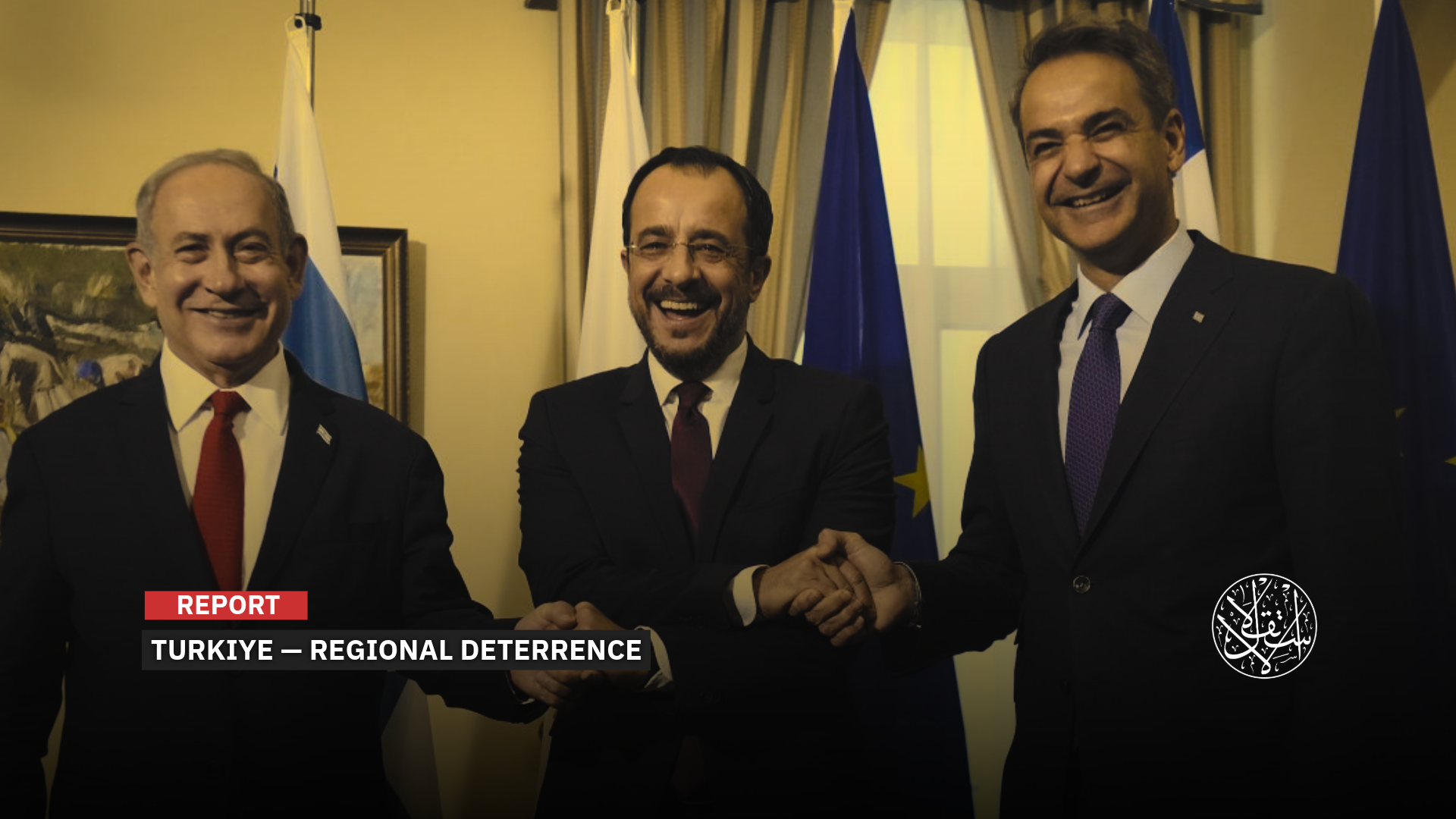
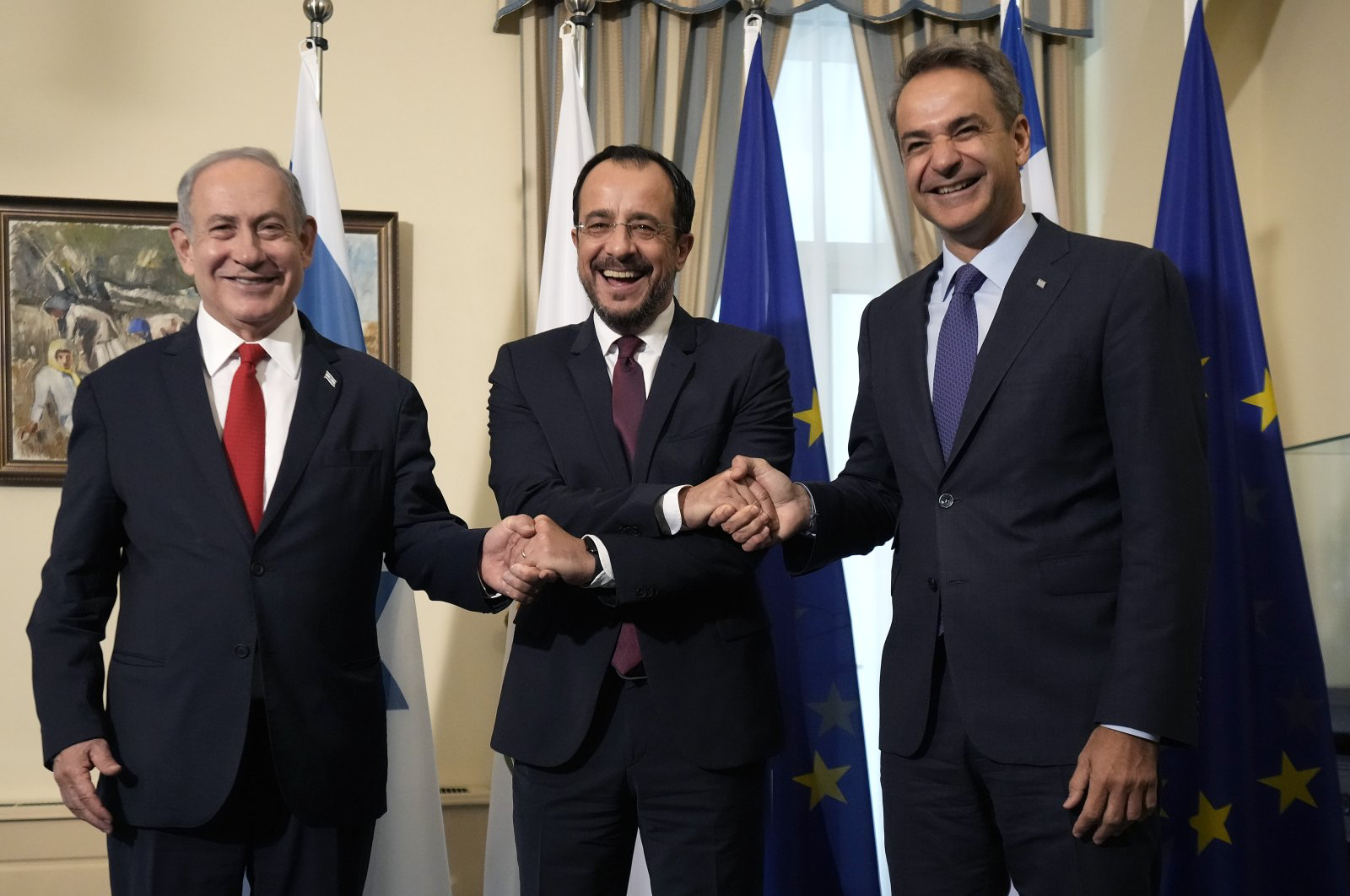
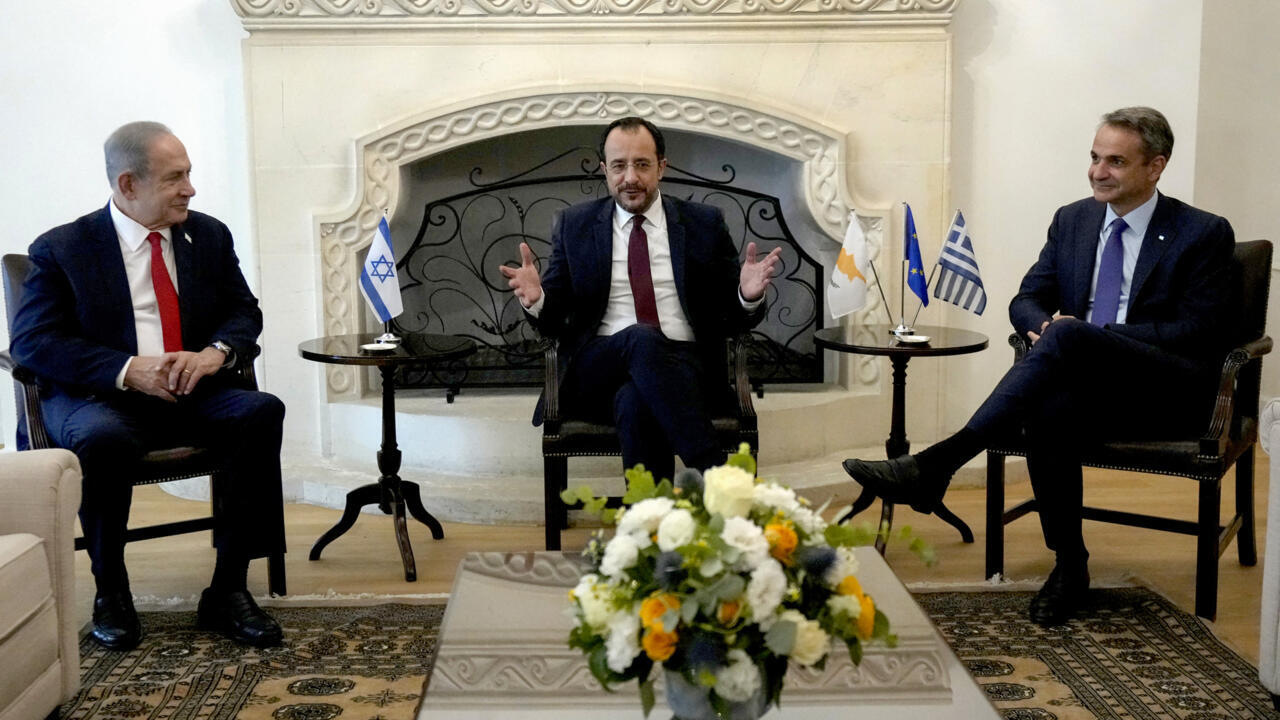
Ahead of a trilateral summit held in “Israel” on December 22, 2025, between the Israeli prime minister, Benjamin Netanyahu, his Greek counterpart, Kyriakos Mitsotakis, and the Greek Cypriot leader, Nikos Christodoulides, aimed at “deepening security and energy cooperation”, Hebrew-language newspapers reported that “Israel” was seeking to form a trilateral “intervention force” against Turkiye.
Military officials told Israeli media outlets that the ministry of defense had already begun “initial planning discussions” regarding this force.
For his part, the Turkish president, Recep Tayyip Erdogan, stressed in his latest statements that “Turkiye will defend its maritime rights”.
These developments come at a time when Turkiye, alongside Egypt and Qatar, is playing an important role in ensuring a ceasefire in Gaza, which has been subjected to Israeli military operations over the past two years.
Intervention Force
On December 21, 2025, the Israeli newspaper Yedioth Ahronoth revealed that “Israel” was quietly exploring the idea of establishing a joint “intervention force” with Greece and Greek Cyprus.
The move, the paper said, was intended “as part of deterrence messages directed at Turkiye, against the backdrop of disputes over gas resources and military influence stretching from the eastern Mediterranean and Syria to Gaza”.
According to Yedioth Ahronoth, the Israeli government had informed the military leadership that there was a concrete inclination to examine the idea of creating a joint intervention force with Greece and Greek Cyprus, and had instructed the armed forces to begin preliminary planning.
However, no operational steps have been taken so far, as the government has directed the army not to move beyond the planning stage at present, given the sensitivity of the idea and its potential regional repercussions, the newspaper reported.
It added that the central reason for this caution was that the potential mission of any future Israeli, Greek and Greek Cypriot joint intervention force would be to confront Turkiye in the eastern Mediterranean basin.
For its part, the Israeli television channel i24news said on December 18, 2025, that the initiative to establish a joint force was viewed in “Israel” as an attempt to send a deterrent message to Turkiye and to entrench a cohesive military bloc in the eastern Mediterranean, rather than as an immediate military move.
Yedioth Ahronoth, however, argued that such a step could bring about a tangible shift in the balance of power in the eastern Mediterranean and prompt the Turkish president, Recep Tayyip Erdogan, to rethink his calculations ahead of any potential confrontation with Greece.
The paper also said the development could limit “Israel’s” ability to pose a direct military threat to Turkiye in the event of a confrontation between the two sides, in light of what it described as Erdogan’s “openly hostile policies” towards “Israel.”
It further claimed that “Israel” was particularly concerned about the possibility of Turkiye’s participation in an International Stability Force, ISF, proposed under a plan by the U.S. president, Donald Trump, to secure a ceasefire in Gaza, noting that “Israel” strongly opposes any Turkish role in such a force.
Meanwhile, the Jerusalem Post quoted three “official sources” on December 18, 2025, as saying that a force the size of a brigade was being prepared, comprising around 1,000 Greek soldiers, 1,000 Israeli soldiers and 500 Greek Cypriot soldiers, covering land, air and naval operations, with Greek and Israeli islands proposed as potential bases.
The newspaper said the step was aimed at protecting energy infrastructure, strengthening maritime security and countering Turkiye’s growing military influence in the region.
Netanyahu confirmed after the summit between “Israel,” Greece and Greek Cyprus that the parties had agreed to “expand military and security cooperation among themselves”, in a message directed at regional actors, foremost among them Turkiye, without naming it explicitly.
He nonetheless issued a direct warning, without naming Erdogan, saying, “To those who dream of establishing empires and seizing our lands, I say, forget it. This will not happen. Do not even think about it.”
He added, “We are committed and capable of defending ourselves, and this cooperation strengthens our capabilities”, a statement that effectively underscored the existence of a security alignment against Turkiye, despite the public denial of forming a joint force.
Israeli–Greek Cypriot Confusion
The reports continued to circulate despite an official Israeli denial of claims published by a Greek news website about plans to establish such a force, even as military cooperation with both Athens and Nicosia has been strengthened.
The Greek Cypriot defense minister, Vasilis Palmas, also firmly denied the existence of any such plan, saying, “There is no agreement or official government decision to form a joint rapid intervention force,” and rejecting scenarios suggesting the force was close to being established.
The Greek outlet Kathimerini reported on December 19, 2025, that “this confusion stems partly from actual military meetings” held between the Israeli air force chief of staff, Tomer Bar, and senior officials from Greece and Greek Cyprus.
Israeli media described the meeting as “an effort to enhance cooperation in the air domain and regional alliances”, but made no reference at any point to the creation of a new trilateral force.
Despite the minister’s denial, the Jerusalem Post reiterated earlier Greek media reports, leaving the impression that a military initiative was under way, although Greek Cyprus has insisted these claims amount to speculation.
High-level military meetings were held on December 16 between “Israel,” Greece and Greek Cyprus to strengthen air cooperation in the eastern Mediterranean, most notably between the commander of the Israeli air force and his counterparts in Greece and Greek Cyprus.
Israeli public broadcaster said the meetings came amid growing Israeli concern over Turkiye’s efforts to expand its military influence in the region, particularly in Syria and the eastern Mediterranean.
It said the meetings were held in Greek Cyprus and described them as “strategic”, aimed at boosting military and security cooperation between the three countries and expanding joint operational patterns in the airspace.
The broadcaster added that the talks took place against the backdrop of continued Turkish attempts to enhance its military presence in the region, especially in Syria and the eastern Mediterranean, which “Israel” views as an additional source of pressure on its regional security.
Reuters has reported that Greece is holding talks with “Israel” to purchase advanced air defense and artillery systems, intended for use within a multilayered air defense network to counter aerial threats.
Athens has announced plans to invest about €28bn by 2036 to modernize its armed forces, including roughly €3bn to develop an air and missile defense system known as “Achilles’ Shield”.
These plans also include the purchase of new fighter jets, frigates and submarines from the United States and European countries, according to Reuters.
Erdogan Warns
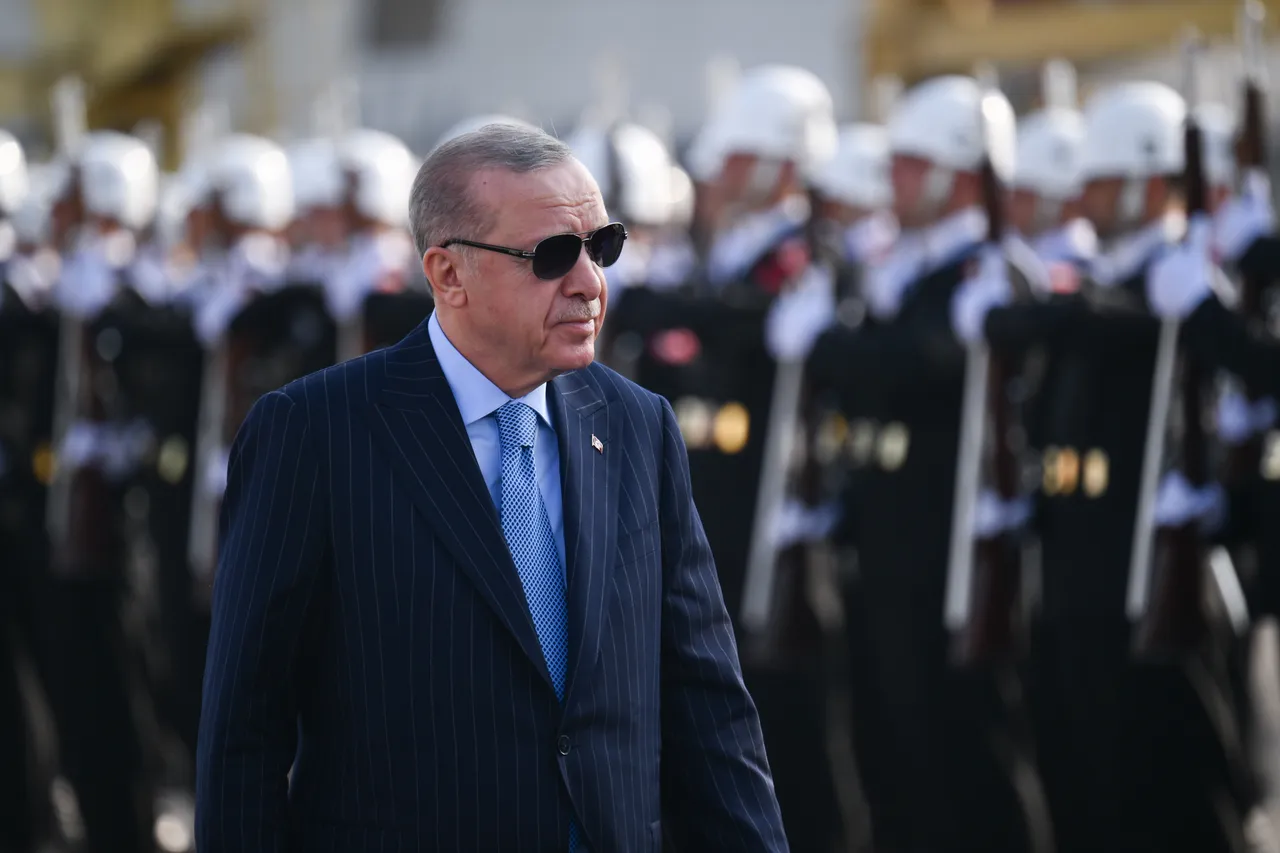
In response to the reports, Erdogan issued a warning that “Turkiye will not allow any violation of its rights or what belongs to it”.
Speaking at a naval ceremony in Istanbul to mark the commissioning of new military vessels, he said that “Turkiye does not seek any tension, crisis or conflict with any country”, adding that “the sole desire of our government is peace and stability for our neighbors”.
During the ceremony, Erdogan highlighted a number of new naval assets, including the submarine TCG Hizir Reis and armed unmanned surface vessels, stressing that they were intended “to defend peace, independence and the future”, not to prepare for war.
He also said Turkiye had no interest in the territory or sovereignty of other states, as regional tensions with “Israel,” Greece and Greek Cyprus continue to rise.
Turkiye’s expanding naval capabilities fall within its “Blue Homeland” doctrine, Mavi Vatan, which seeks to project Turkish influence across the Aegean, the eastern Mediterranean and the Black Sea.
The strategy, developed over two decades, challenges existing maritime boundaries and has drawn strong objections from Greece and Greek Cyprus, which argue it threatens their sovereign rights and access to energy resources.
Turkiye’s defense minister, Yasar Guler, also said that “the meeting between Greece, Israel and Greek Cyprus, and their signing of agreements, cannot pose a threat to us”.
“We also sign agreements with many countries, but we do not conclude them against a specific state,” he said, according to the outlet Turkiye Today on December 21, 2025.
Addressing reports that air defense systems purchased by Greece from “Israel” would be deployed on demilitarized islands, he added, “These are demilitarized islands in name only, meaning islands that cannot legally be armed. We are making the necessary efforts on this issue. They should not be overly enthusiastic.”
Meanwhile, Turkiye’s foreign minister, Hakan Fidan, speaking during a meeting with Syrian officials in Damascus on December 22, called on “Israel,” “instead of pursuing an expansionist policy in the region”, to adopt “an approach based on mutual consensus and understanding”.
Yedioth Ahronoth said “Israel” was not seeking a direct military confrontation with Turkiye, but that, in light of Erdogan’s policies and the support he enjoys from Washington, it was attempting to create a deterrent balance by signaling the possibility of a future alliance with Ankara’s regional rivals.
Strategic Aircraft Carrier
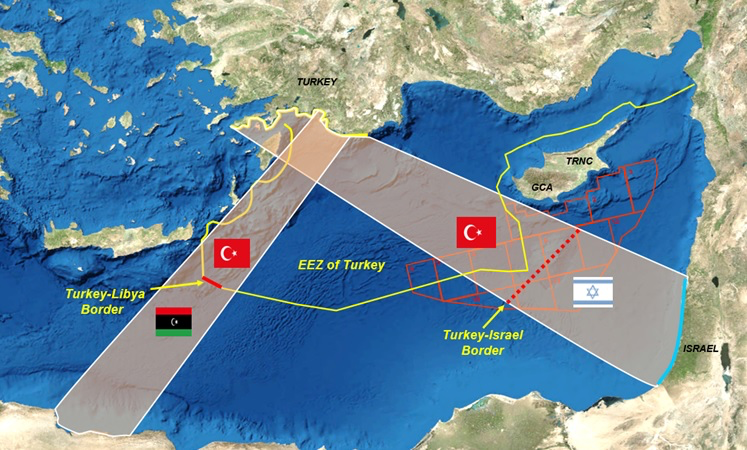
Regarding the alleged force, Yedioth Ahronoth reported on December 20 that its intended purpose would be “to protect the economic and strategic interests of Israel, Greece and Greek Cyprus, and possibly Egypt as well, in the region”.
The newspaper claimed the force would operate on issues related to gas and oil extraction, fishing rights, and disputes linked to Turkiye’s claims.
This would include safeguarding the proposed gas pipeline from “Israel” to Europe, which Turkiye opposes, as well as supporting Greece in its long-standing regional dispute with Turkiye over sovereignty of the Aegean islands off the Turkish coast.
The scope would also extend to defending offshore natural gas and oil production zones, and fishing rights in areas claimed by Turkiye and the Turkish Republic of Northern Cyprus, an entity that declared unilateral independence following Turkiye’s invasion of the island in 1974.
Following the fall of Bashar al-Assad’s regime in Syria, Turkiye has sought to expand its military and political influence there, including the deployment of early-warning radar systems and air defense batteries that could significantly restrict the freedom of Israeli aircraft over Syria, Iraq and even Iran.
According to Yedioth Ahronoth, this development narrows the strategic options available to the Israeli military and its ability to pose a credible threat to Turkiye itself in the event of a future conflict, driven by what it described as Erdogan’s increasingly hostile stance towards “Israel.”
Israeli sources estimate that Turkish pressure on the US administration to allow Ankara to participate in an International Stability Force prompted “Israel” to signal the option of forming a joint “intervention force” with Greece and Greek Cyprus, as a countervailing political and military deterrent message.
The sources argue that this requires issuing a clear warning, both strategic and symbolic, through alignment with Turkiye’s historical regional rivals.
The Israeli website Radar Israel said on December 21 that the initiative comes amid repeated escalation in the Mediterranean between Ankara and Athens over alleged Turkish violations of Greek territorial waters and airspace, heightening fears of future military clashes.
The Israeli military analyst Ron Ben-Yishai wrote that Turkiye’s air force is relatively weak, and that combining the military capabilities of Greece and Greek Cyprus with “Israel’s” air power and intelligence capacities could tilt the regional balance.
He claimed this would force Erdogan to think carefully before taking any escalatory step, while for “Israel” the deeper objective is to intensify pressure on the Turkish flank and thwart Turkiye’s attempts to project military power close to “Israel’s” borders.
Meanwhile, the Israeli newspaper Maariv described Greek Cyprus on December 17 as a “strategic aircraft carrier”, used by “Israel” within a regional alliance with Greece to confront Turkiye’s growing influence in the eastern Mediterranean and Syria.
Sources
- A warning shot to Erdogan: Israel’s message to Turkey comes via Athens and Nicosia
- Erdogan warns Israel, Greece and Cyprus: Turkey will defend its maritime rights
- In move to deter Turkey, Israel explores creation of rapid-response force with Greece, Cyprus
- Israel, Greece, Cyprus Build Deterrence Axis vs. Turkey
- Israel, Greece, and Cyprus weigh joint rapid reaction force
- Israel denies reports of joint military force with Greece, Greek Cyprus against Turkiye