Iraq Caught Between U.S. Sanctions and Reliance on Iran: What Price Will Baghdad Pay?
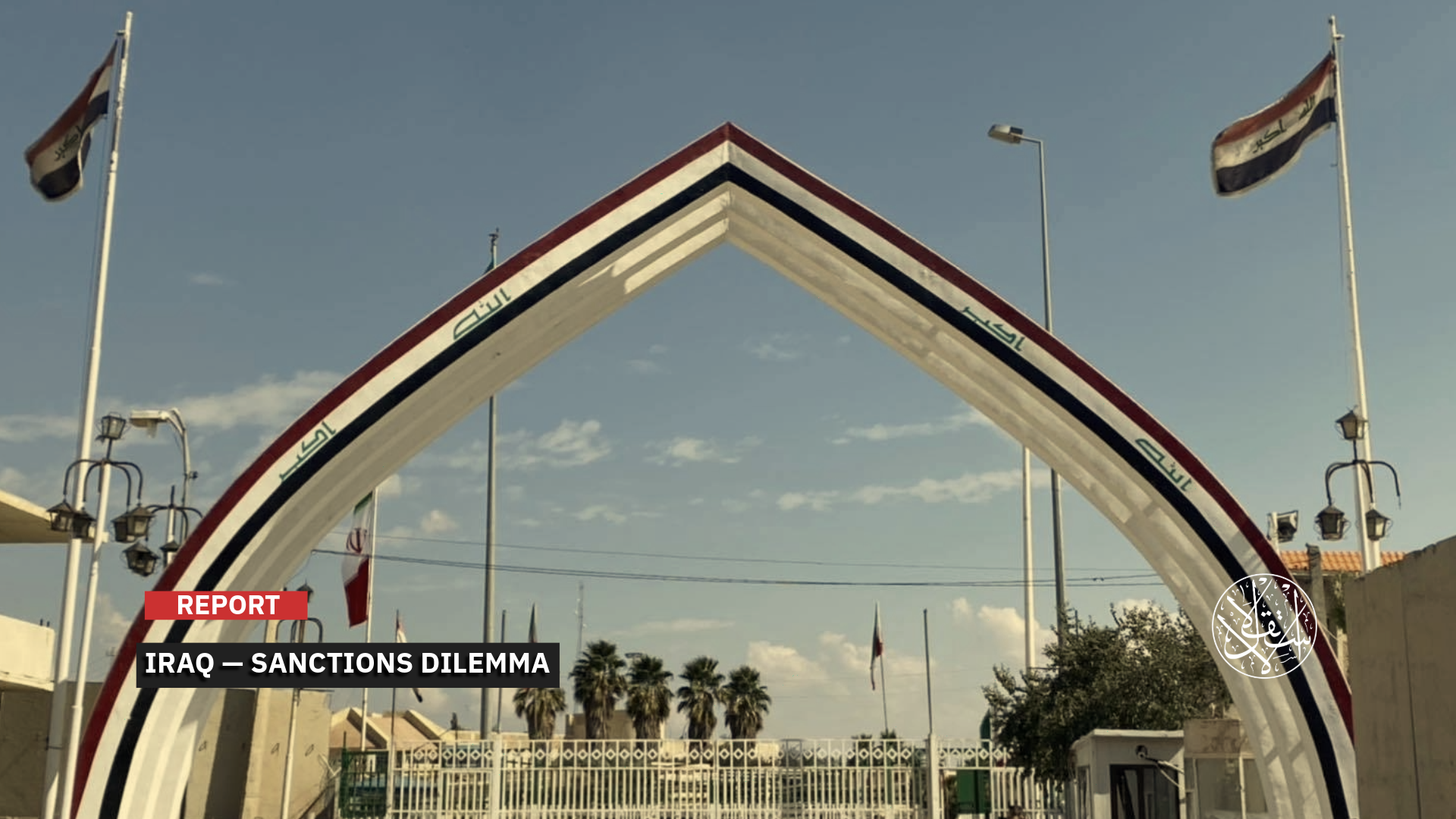
U.S. sanctions are placing Iraq under mounting economic and sovereignty-related pressures.
Given its geographic location and the intertwined economic interests it shares with Iran, Iraq finds itself in one of the most sensitive positions as Washington begins exerting economic pressure on Tehran.
This comes at a time when Baghdad relies on its eastern neighbor for energy and trade, in addition to extensive financial and banking ties.
On August 24, 2026, the U.S. Treasury Department launched what it called the “Economic Isolation Operation,” targeting key sources of funding for Iran and warning financial institutions and foreign governments that they could face secondary sanctions if they continue dealing with the targeted sectors.
This puts Iraq in a complex predicament: on the one hand, it must comply with the sanctions, while on the other, it must preserve its economic interests and meet its needs.
Baghdad pays Tehran around $5 billion annually for gas used to generate electricity, while bilateral trade exceeded $12 billion in 2025.
Banking Pressure
Regarding the repercussions, Iraqi researcher and academic Mujashaa al-Tamimi said that U.S. sanctions are placing Iraq under mounting economic and sovereignty-related pressures because of its trade and financial ties with Iran and the energy sector’s dependence on its eastern neighbor.
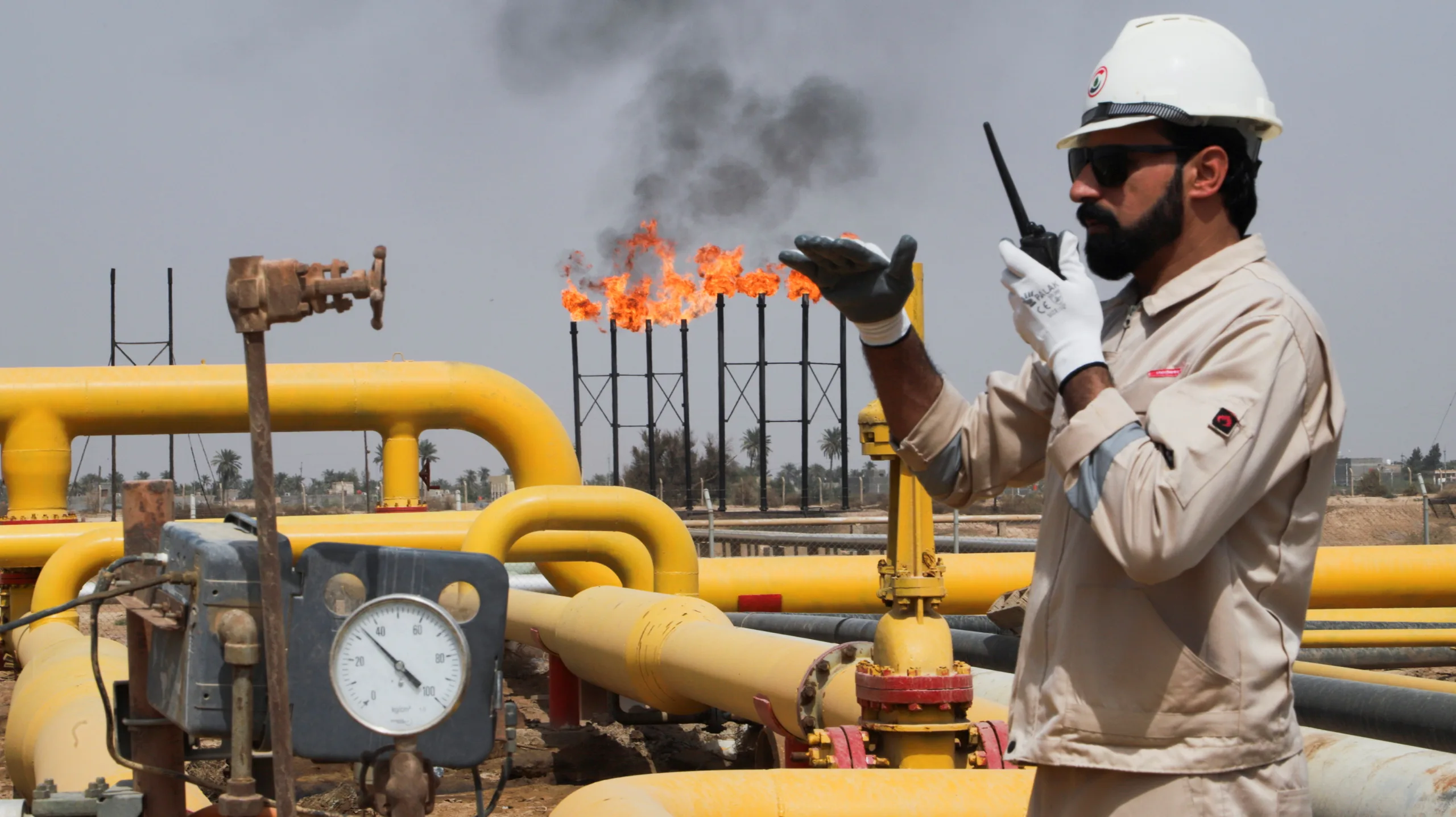
Al-Tamimi said the banking sector represents the most significant area of risk, explaining that Iraqi banks could face sanctions if they facilitate financial transfers to Iran.
This could threaten their access to the U.S. dollar and the international financial system, according to the Iraqi newspaper Al-Alam Al-Jadeed on August 26.
Al-Tamimi said the repercussions of the sanctions would not be confined to the banking system, pointing to the possibility that they could also extend to the aviation sector, with restrictions potentially imposed on Iraqi airports and service companies as a result of their dealings with Iranian airlines.
In the energy sector, al-Tamimi said the sanctions could disrupt mechanisms for paying Iran for its gas supplies, potentially worsening Iraq’s electricity crisis. He warned that failure to comply with the sanctions could lead to a higher dollar exchange rate and inflation, a decline in trade activity, and increased risks of Iraq’s financial and economic isolation.
Meanwhile, Neil Quilliam, an associate fellow at Chatham House, said U.S. pressure has increased the costs and risks of financial transactions with Iran and prompted Iraqi institutions to improve their compliance measures, but has not ended the two countries’ economic ties.
Quilliam noted that Iraq has less capacity than countries such as China and Turkiye to withstand financial pressure because of the scale of its trade relationship with Iran, while at the same time relying on continued access to the U.S.-led international financial system, according to the Iraqi newspaper Al-Mada on August 26.
The knockout blow
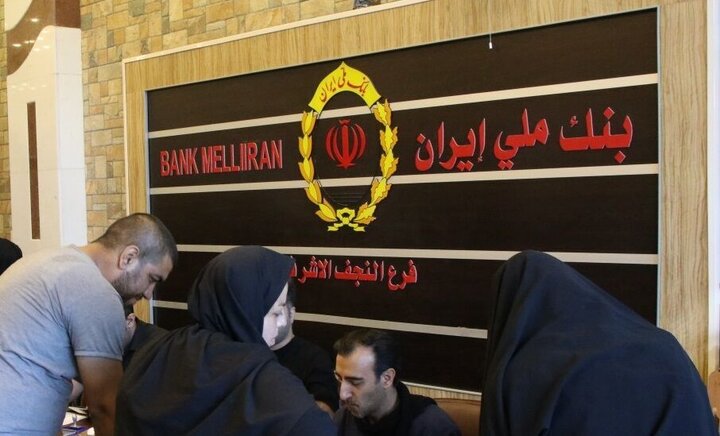
On another front, the energy issue takes precedence over other matters as the most sensitive test of Baghdad’s ability to navigate U.S. sanctions, particularly since Iraq has previously relied on U.S. waivers allowing it to import Iranian gas and settle its payments through specified mechanisms.
Iraqi economic expert Rashid al-Saadi said the new U.S. sanctions could have a significant impact on the Iranian economy, but would not necessarily be a “knockout blow.” He noted that Iran has been under sanctions for more than 40 years and has gained extensive experience in dealing with them.
Speaking in a televised interview on August 25, al-Saadi said Iraq could be among the countries most affected by the repercussions of the sanctions and tighter restrictions on dealings with Iran, particularly as the Strait of Hormuz crisis continues and affects the Iraqi economy.
He noted that Iraq relies on Iranian gas to meet a significant portion of its needs and that Baghdad has previously requested U.S. waivers allowing it to import energy from Iran. Washington used to grant such waivers for periods typically lasting three or four months, enabling Iraq to continue importing Iranian gas despite the sanctions.
However, the tightening of U.S. policy, according to al-Saadi, raises questions about Iraq’s ability to continue purchasing gas from Iran at a time when domestic alternatives remain insufficient to meet the country’s energy needs.
Al-Saadi warned that any sudden decision to halt imports from Iran could lead to higher commodity prices in the Iraqi market, given the market’s heavy reliance on Iranian products, particularly foodstuffs.
He pointed out that the long border between Iraq and Iran, stretching approximately 1,200 to 1,300 kilometers, makes it practically difficult to exercise full control over the movement of goods. This could increase the likelihood of smuggling if comprehensive restrictions on imports are imposed.
Al-Saadi stressed that a complete ban on Iranian imports, without providing viable alternatives, could lead to higher food prices, thereby reducing the purchasing power of Iraqi citizens and lowering the real value of wages amid rising inflation.
Meanwhile, economic expert Ziad al-Hashimi went further in a post he published on the platform X on August 20, saying, “Iraq could be the hardest-hit country in the region because of its heavy reliance on Iranian gas and a wide range of goods and products.”
Al-Hashimi warned that tougher U.S. measures could lead to “the suspension of certain types of Iranian imports into Iraq,” thereby depriving Iraq of a critically important energy source needed by its power plants.
A Critical Moment
The repercussions of the U.S. escalation are not limited to the energy and trade sectors. Tom Keatinge, director of the Centre for Financial and Security Studies at the UK’s Royal United Services Institute (RUSI), believes that tighter restrictions on Iran’s links to the international financial system will pose additional challenges for Iraq’s formal and informal banking and financial sectors.
Keatinge suggested that, alongside its oversight measures, Washington should adopt a policy of providing technical assistance to the Central Bank of Iraq and the Iraqi government, with the aim of strengthening the financial system and improving its ability to counter attempts to circumvent sanctions, according to the Iraqi website Alsumaria News on August 26.
Within Iraq, these pressures coincide with financial challenges related to the 2027 budget. During a televised interview, MP Yasser Watout said next year’s budget could be “the most complicated since 2003,” given the major challenges facing the state.
Watout identified oil exports and the impact of regional tensions on state revenues as the foremost challenges, alongside obligations related to contracts, graduates, appointments, promotions, and payments owed to contractors and farmers. He stressed that salaries are a “red line,” according to the Iraqi news agency Almaalomah on August 26.
From a political perspective, Iraqi writer and political analyst Falah al-Mishaal said in a post on X on August 26 that the start of the U.S. economic and financial offensive against Iran had placed Iraq’s position in its relations with the two countries in a state of “the highest levels of embarrassment and concern.”
Al-Mishaal said Iraq had entered a “fateful moment” that would force it to end its dual-track position and pay the “price of non-neutrality” stipulated by the constitution, in a country already suffering from the consequences of wars and crises and from corruption within the ruling authorities.
Al-Mishaal noted that Iraq would likely be among the first countries the United States would ask to reduce or sever its economic and financial ties with Iran, citing the volume of trade between the two countries, the activity of Iranian banks in Iraq, trade and money-transfer networks, and channels used to smuggle Iranian oil under various labels and fronts.
The writer stressed that Iran retains broad political influence in Iraq, in addition to military and security influence through armed factions that have a presence and the ability to exert influence and could become more active during periods of confrontation and crisis. He estimated that this could further complicate Iraq’s domestic situation.
Conversely, al-Mishaal argued that the United States’ ability to influence Iraq is no less serious a threat, given the Iraqi economy’s reliance on dollars generated by oil exports through the international financial system.
He warned that imposing broad sanctions on Baghdad, restricting its oil exports, or limiting its access to the international financial system and its oil revenues would constitute a “severe blow” to the Iraqi economy.
Al-Mishaal concluded that Iraq has entered a phase in which traditional balancing policies are no longer sufficient. He estimated that the confrontation has shifted from the military sphere to instruments of blockade and economic and financial pressure, culminating in what he described as a “comprehensive economic offensive.”
According to al-Mishaal, the greatest danger is that Iraq could transform from a state seeking to protect its interests amid the conflict into a “battleground for the conflict itself.” In that case, he said, “neither the Iranians nor the Americans will pay the price of the confrontation; the Iraqis will, first and foremost and ultimately.”