A Message from MBZ to King Salman: Why Did Dubai Outpace Saudi Arabia’s Crown Prince?
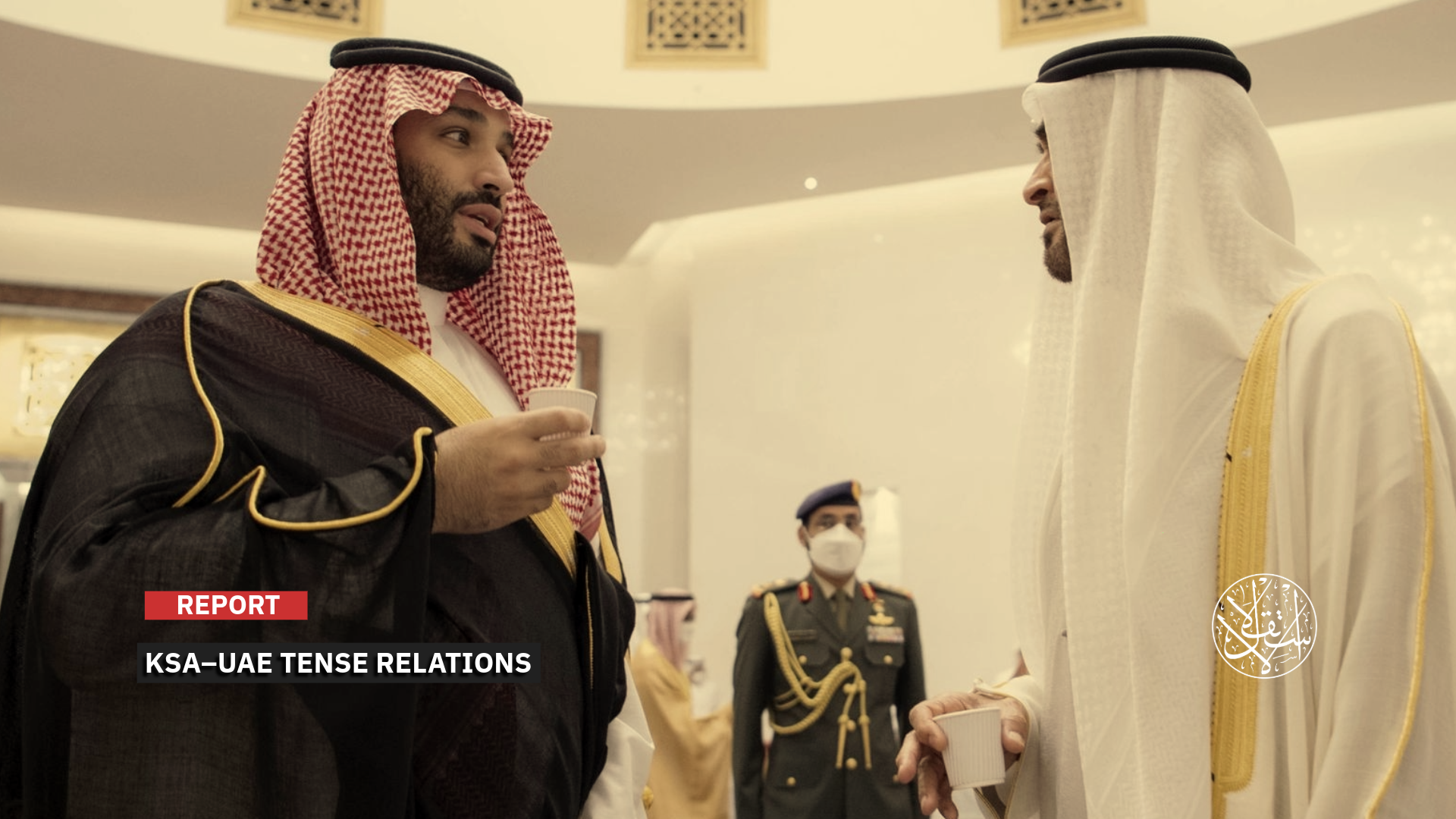
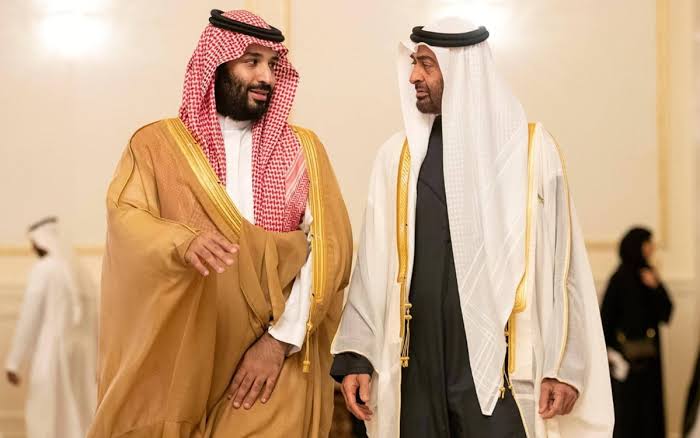
The Emiratis felt they had no choice but to go directly to the top, but MBS is unlikely to be pleased with this approach.
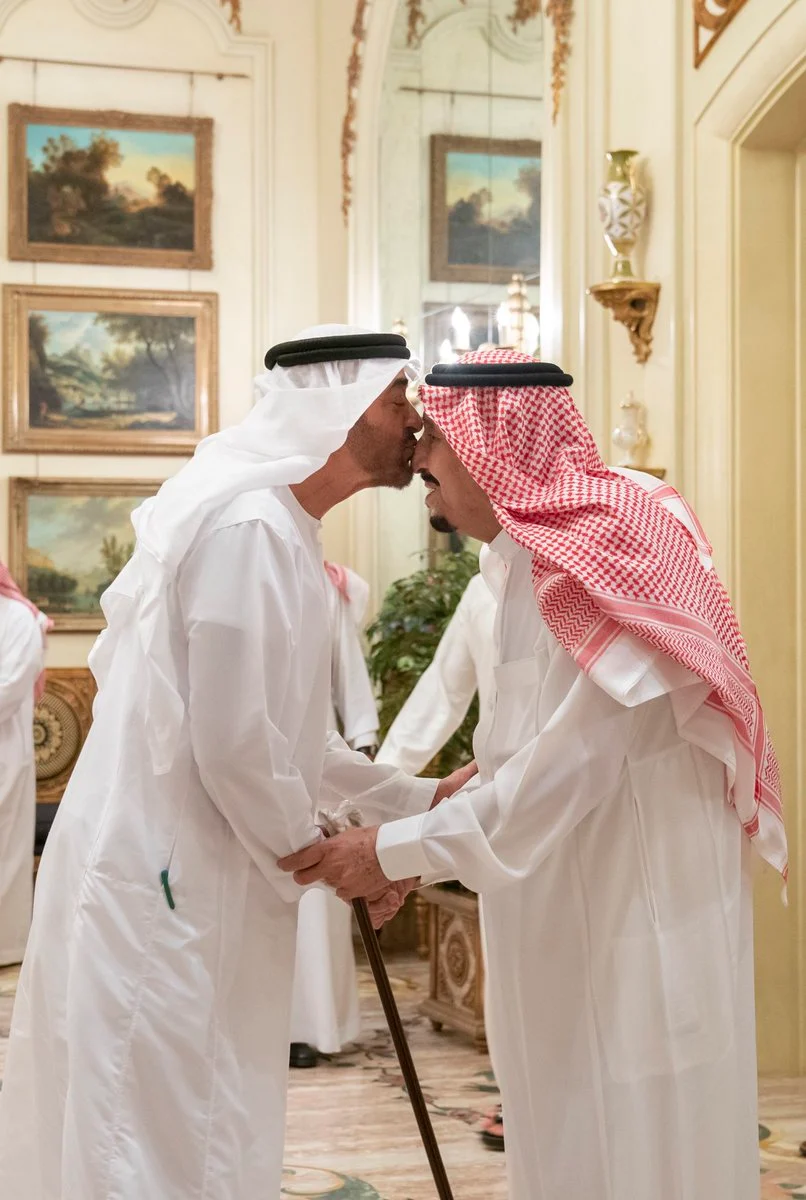
The handwritten note from the United Arab Emirates (UAE) president, Mohammed bin Zayed (MBZ), to Saudi Arabia’s King Salman was not simply an invitation to the 2026 UN Water Conference.
Its timing, and the decision to address it to the 90-year-old Saudi monarch, were read by diplomats as an attempt to reach the palace over the head of Crown Prince Mohammed bin Salman (MBS), the kingdom’s de facto ruler.
The message came after years in which the alliance between the two powerful Gulf leaders had steadily frayed, strained by disagreements over Yemen, Sudan, and oil markets. It also arrived amid a shifting regional landscape, with Saudi Arabia forging new security alignments while the UAE has drawn closer to the Israeli Occupation.
So, is Abu Dhabi seeking reconciliation without making concessions? Why did MBZ choose to write to the king rather than his crown prince? And has the quiet rivalry between the Gulf’s two most powerful states evolved into a struggle for regional leadership and control over the Middle East’s changing order?
Test Messages
On August 24, 2026, the Saudi Press Agency (SPA) reported that King Salman had received a written message from MBZ concerning bilateral relations. The following day, the Emirates News Agency (WAM) announced that the message included a formal invitation to the UN Water Conference, which Abu Dhabi is hosting in partnership with Senegal from December 8 to 10, 2026. The message was received by Saudi Deputy Foreign Minister Waleed el-Khereiji from the UAE ambassador, Matar Salem al-Dhaheri.
The Middle East Eye (MEE) described the invitation letter as the second message between the two leaders in a matter of days. It then shifted the focus from protocol to a struggle for influence, reporting that U.S. and Arab diplomats saw the decision to address the king as an attempt to bypass the crown prince.
The MEE quoted a Western official as saying that the Emiratis felt they had no choice but to go directly to the head of power, adding that MBS would not be happy with this approach.
The report noted that King Salman, who ascended to the throne in 2015 after the death of his half-brother, King Abdullah, rarely leaves the country and that his last known public trip was to Tunisia to attend the Arab summit in 2019.
By contrast, his son holds the reins of power and represents the kingdom at the highest levels. King Salman had returned at the time from a two-day visit to France, during which he met President Emmanuel Macron and discussed bilateral agreements and developments in the Middle East.
The MEE linked the message to tensions that erupted when Saudi Arabia bombed the UAE-backed separatists in Yemen and to the two countries finding themselves on opposite sides in Sudan's war. It also referred to a U.S. offer to mediate, the failure of a senior U.S. official to complete a visit to the UAE, as well as the cancellation of a planned visit by Steve Witkoff, the U.S. president's envoy.
According to the report, the U.S.-Israeli War on Iran gave Riyadh and Abu Dhabi a brief moment of alignment after they joined the United States in striking Iran, before Saudi Arabia backed mediation through its longtime ally Pakistan, which the UAE tried to prevent.
Riyadh then joined Ankara and Islamabad in the “Mecca Joint Defense Agreement,” a defense pact whose parties said it was not directed against their neighbors and was open to new members. The MEE, however, viewed it as a security alternative to the UAE-Israeli Occupation partnership.
The UAE academic Abdulkhaleq Abdulla, who is close to MBZ, had criticized the agreement before concluding that the outreach to the king also appeared to bypass a channel that MBS had previously proposed in a message to UAE National Security Adviser Tahnoon bin Zayed, namely addressing the disputes through Defense Minister Khalid bin Salman.
Tahnoon is nicknamed the “Sheikh of Spies” and is known as Abu Dhabi's troubleshooter, particularly because he played a role in restoring relations with Qatar after the 2017 crisis and, according to Reuters, hosted members of Iran's Islamic Revolutionary Guard Corps (IRGC) to discuss halting attacks on the UAE.
The problem with MBZ's latest message lies more in the identity of its recipient than in its content. British researcher Andreas Krieg summed up his reading of the situation by saying that MBZ had gone directly to the top, bypassing the crown prince and de facto ruler, and that Abu Dhabi was desperate to rebuild its relationship with Riyadh without making the concessions required on Yemen, Sudan, and “Israel.”
On the Saudi side, Saudi political analyst Abdulsalam Saleh offered a sharper reading on X, linking the message to Abu Dhabi's announcement that it had invited 192 countries to the 2026 UN Water Conference. He viewed it as an attempt to demonstrate its presence, summing up his position with the phrase, “Those who hold the decision do not need bloated conferences.”
“Those who are anxious stage major events to buy an image of presence.” He added. “But the more important question is: What if this conference is simply a reaction to the Saudi news? In that case, it would not be a global conference but an attempt to repair a strategic wound.”
“Times have changed, and Abu Dhabi knows that more than ever,” he concluded.
‘Bombing the Allies’
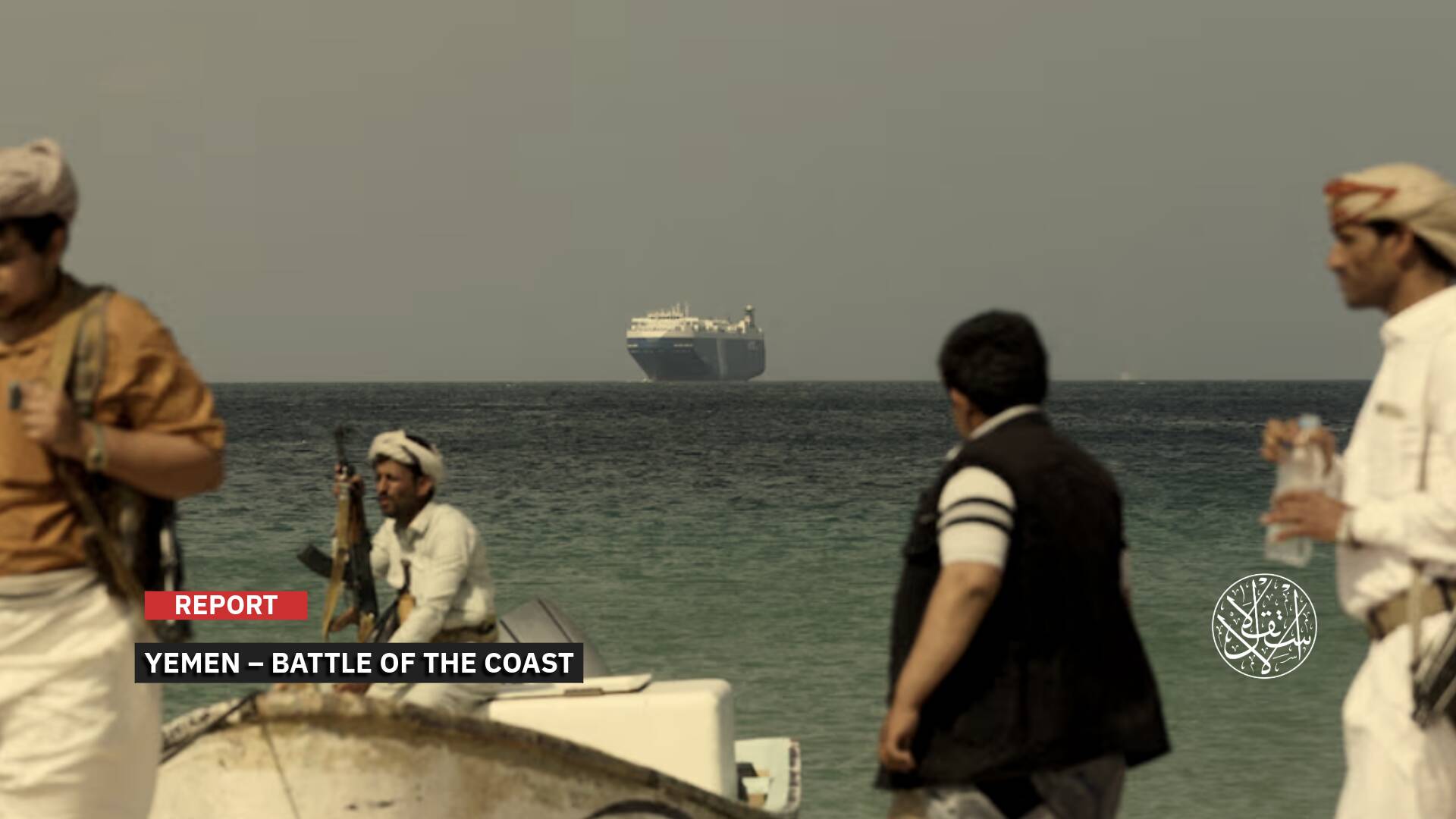
The rift did not begin with the August message. It grew within the alliance itself. Since the military intervention in Yemen in 2015, Saudi Arabia and the UAE had operated under the same umbrella against the Houthis, but on the ground they backed different partners. Riyadh stood by the internationally recognized government, while Abu Dhabi supported the Southern Transitional Council and its separatist project.
In December 2025, the competition shifted from dividing influence to direct confrontation after the UAE-backed separatists advanced in the south and east.
Saudi-led coalition forces then launched a strike on an Emirati military shipment at the port of Mukalla that was destined for the separatists and called for the withdrawal of Emirati forces.
In January 2026, Saudi-backed forces retook Mukalla and other areas, while divisions within the Southern Transitional Council revealed that the dispute between bin Zayed and bin Salman could no longer be concealed behind the rhetoric of alliance.
At the same time, economic competition opened a new front. Since 2021, Riyadh has pushed international companies to move their regional headquarters to the kingdom in order to qualify for government contracts, a move widely seen as a challenge to Dubai.
That same year, a rare public dispute emerged within OPEC over production quotas, marking one of the stages in the allies' transformation into competitors. The UAE then withdrew from the organization and OPEC+ effective May 1, 2026, ending a membership that had lasted nearly six decades.
On August 18, 2026, Reuters reported that Saudi Arabia had tightened scrutiny of bank transfers to the UAE. Businesspeople said some payments had been delayed or returned, while the Saudi Central Bank said it was applying anti-money laundering and counterterrorism financing controls.
The message therefore arrived after the rivalry had moved through three successive arenas: armed proxies, oil, and then the movement of money.
Drawing the Lines Between Camps
The dispute between Riyadh and Abu Dhabi is no longer simply a competition for influence or a difference in how regional issues should be handled. It is becoming a disagreement over what the region should look like and which alliances should shape it. Sudan and the Israeli Occupation offer the clearest examples of this widening gap. In Sudan, the war that erupted on April 15, 2023, exposed clear differences in the two countries' calculations and interests, as each moved closer to a different path in the conflict.
This was especially evident as UN researchers, U.S. lawmakers, and the Sudanese army accused the UAE of providing decisive support, including equipment, mercenaries, and money, to the rebel Rapid Support Forces (RSF) through neighboring countries.
At the same time, Riyadh maintained its position as a mediator through the Jeddah talks it sponsored with Washington, making Sudan an arena where official mediation overlapped with a competition for influence.
The Israeli Occupation, meanwhile, represents a more fundamental divide. The UAE normalized relations with “Israel” in 2020 and then expanded trade and defense cooperation, including agreements between state-owned companies to develop unmanned military systems.
Saudi Arabia, by contrast, has not established diplomatic relations with the Israeli Occupation and has continued to tie any such move to a clear path toward the establishment of a Palestinian state, even as U.S. President Donald Trump made Saudi recognition of “Israel” a condition for moving forward with the civilian nuclear cooperation agreement he sent to Congress on August 25, 2026.
Against these two paths came the “Mecca Joint Defense Agreement” on August 7, 2026, bringing Saudi Arabia, Turkiye, and Pakistan together on the principle that an attack on one of them would be considered an attack on all. The agreement brings together Riyadh's financial weight, Turkiye's military capabilities and defense industries, and Pakistan's military expertise in a framework of collective deterrence that Turkish Foreign Minister Hakan Fidan described as technically similar to Article 5 of the North Atlantic Treaty Organization.
Abdulkhaleq Abdulla's question about the identity of the “common enemy” showed the extent of concern in some Emirati circles. The new equation does not divide the region into two closed camps, but it does reveal a clear difference: Riyadh is building a deterrence network with Ankara and Islamabad while maintaining its condition for a Palestinian state, while Abu Dhabi is relying on its advanced relationship with “Israel” and its security partnership with Washington.
That makes the price of reconciliation greater than a meeting or a message. It touches on the choice of allies, the limits of maneuver in Sudan and Yemen, and the future shape of Gulf security.
Sources
- UAE president's letter to elderly Saudi king seen as jab at Crown Prince
- Saudi Arabia tightens anti-crime oversight on UAE-bound bank transfers
- UAE, Israel to jointly develop unmanned military, commercial vessels
- Political: Custodian of the Two Holy Mosques Receives Written Message from UAE President Mohammed bin Zayed [Arabic]
- Money Transfers Delayed, Others Routed Through Third Countries: What Is Happening Between Saudi Arabia and the UAE? [Arabic]