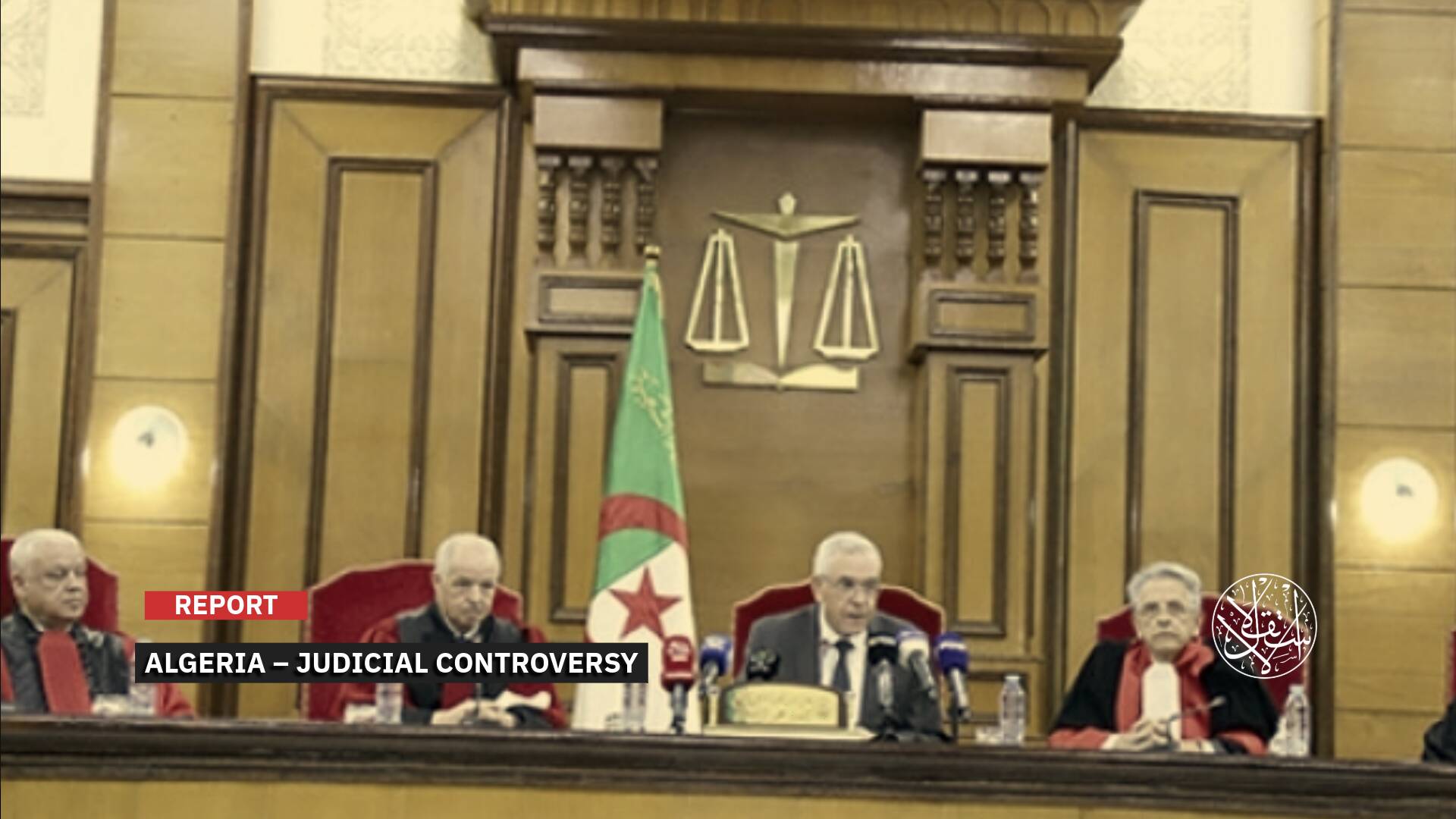
Ideologizing Jerusalem Schools: How Israel’s Ben-Gvir Promotes His Extremist Policies
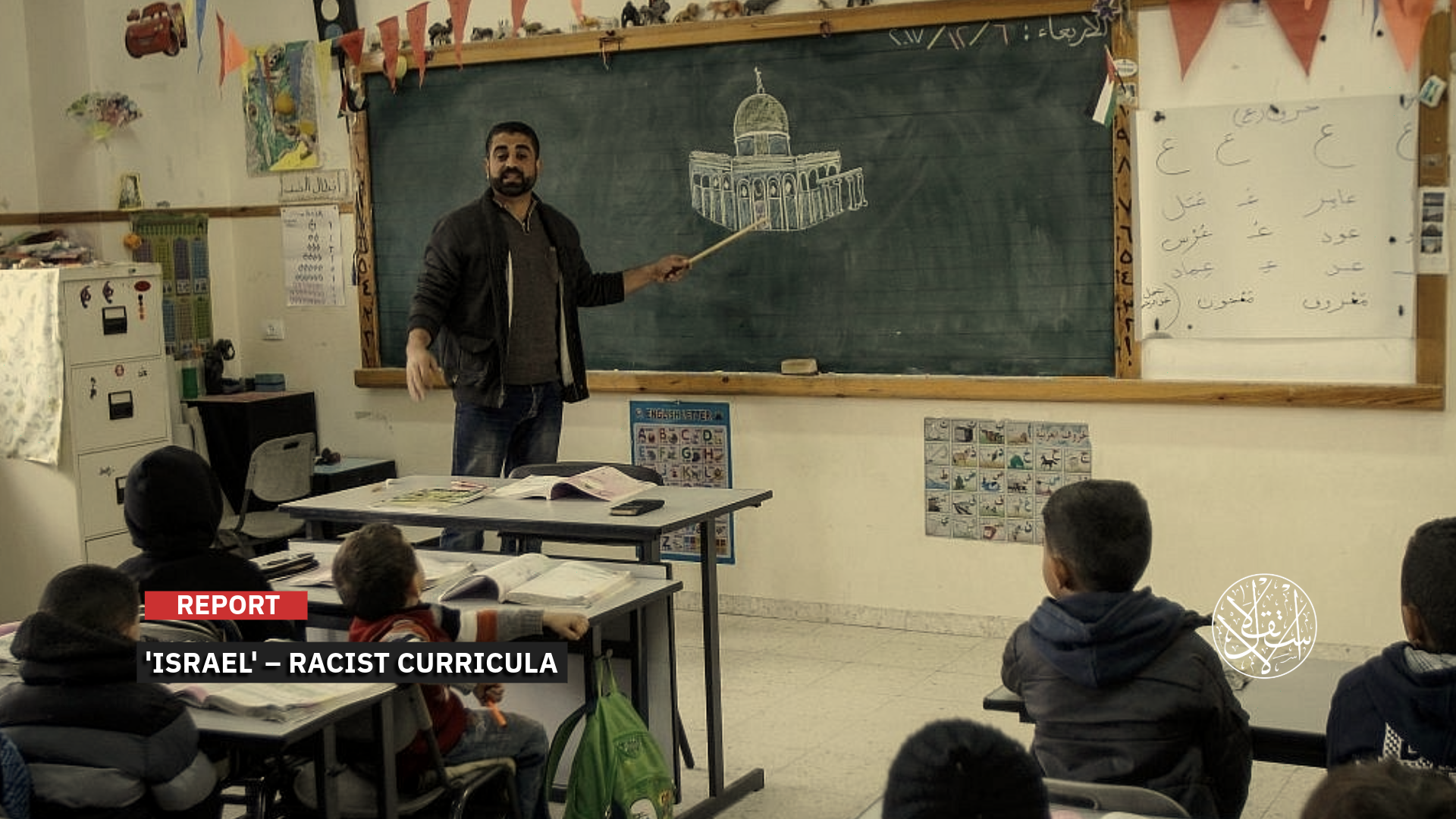
“The Jerusalem Governorate warned against imposing Israeli curricula on more than 45,000 out of 120,000 students.”
With the start of each academic year, education and its institutions in occupied Jerusalem face further Israeli policies aimed at tightening the noose around this sector in every aspect. The latest example is the imposition of the Israeli curriculum and the denial of entry permits to Jerusalem for dozens of teachers from the West Bank.
Palestinian education in East Jerusalem is usually distributed among schools affiliated with the United Nations Relief and Works Agency for Palestine Refugees (UNRWA), private schools, Islamic endowment schools, and municipal schools run by the Israeli authorities.
In a related development, Israeli National Security Minister Itamar Ben-Gvir recently launched a children's picture book glorifying his career and decisions against Palestinians and the Supreme Court, in a publicity stunt ahead of the upcoming elections.
He confirmed that the book is being distributed to Israeli children and schools at the start of the academic year, in an attempt to solidify his rhetoric among the younger generation and bolster his electoral base.
Ben-Gvir's office confirmed that this initiative is proceeding, expressing pride and praise for the launch of the children's book. This has intensified the growing criticism of the extremist minister, who is accused of exploiting children and the education system for incitement and personal political gain.
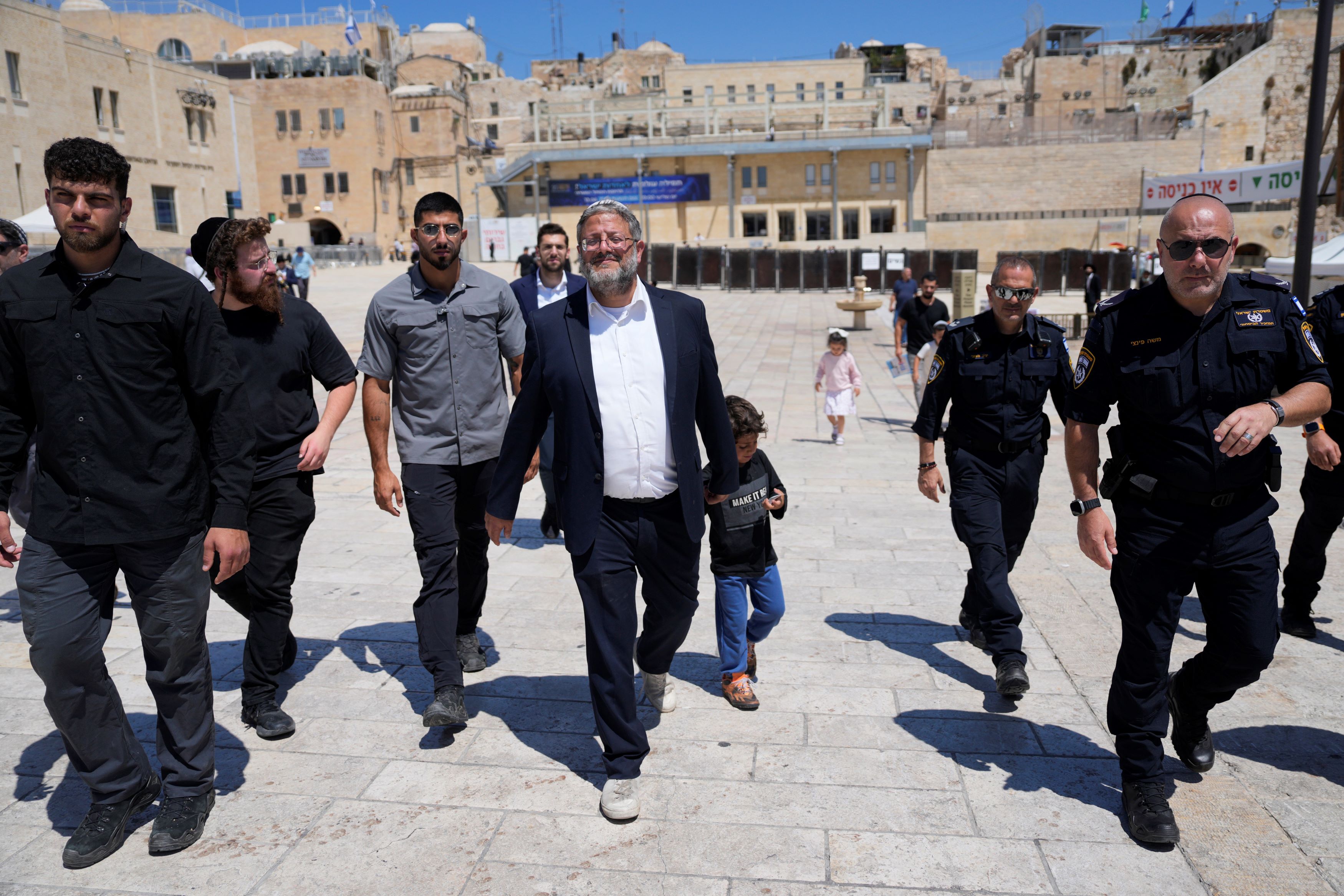
Provocative Policies
The far-right Israeli party Jewish Power recently released a children's book celebrating what it describes as the activities and achievements of party leader and National Security Minister Itamar Ben-Gvir, coinciding with the start of the new school year in the country.
According to Hebrew media outlets, the party intends to distribute the book to students outside of educational institutions, a move targeting young Israelis, who represent a growing electoral base for Ben-Gvir.
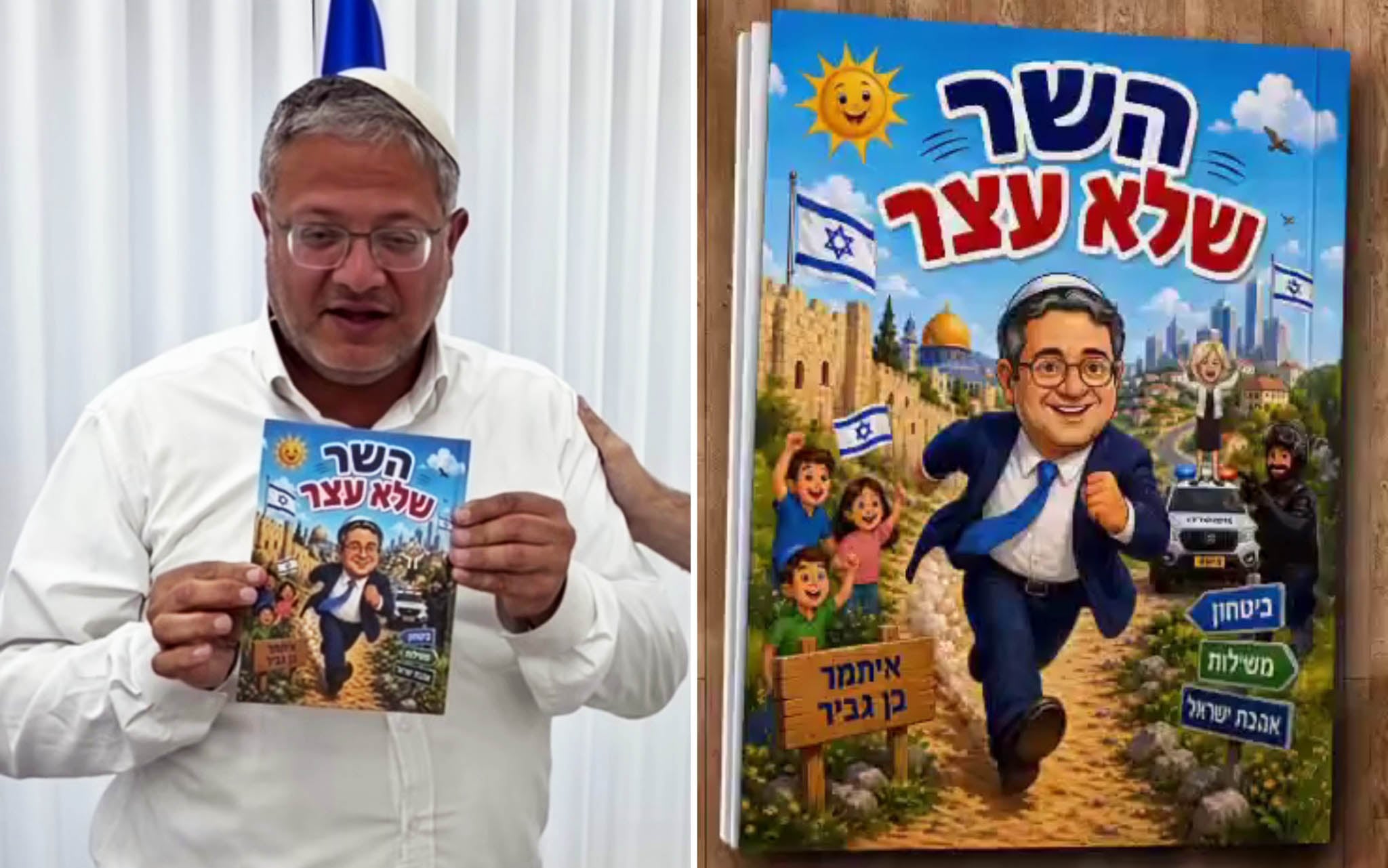
The Hebrew newspaper Yedioth Ahronoth revealed that Ben-Gvir launched a children's book titled 'The Minister Who Never Stopped' during a party conference in Netanya on September 1, coinciding with the start of the school year.
The newspaper reported that the book showcases what the party considers Ben-Gvir's achievements during his tenure as Minister of National Security, along with his leadership of the party.
The book promotes a cultural and political discourse that glorifies violence and harsh punishments against Palestinians.
This goes beyond mere personal promotion; the book's cover features explicitly inflammatory illustrations targeting the judiciary.
One illustration depicts State Attorney Gali Baharav-Miara stepping on a police car, a symbolic and offensive gesture accusing her of obstructing the work of the security services and opposing his policies.
According to details published by the Hebrew newspaper, the book is designed in a comic book style, using simple, direct language aimed at children.
Ben-Gvir appears as a superhero showcasing what he considers his political and security achievements and activities.
The report indicated that his party, Jewish Power, had already begun organizing a broad field campaign to promote the book.
Activists were instructed to position themselves outside schools and educational institutions in various regions to distribute copies to students upon their arrival on the first day of school, and they were provided with specific lists of targeted schools.
Ben-Gvir's office stated: "We are proud to launch the children's book. Through it, we tell the children of Israel and the entire Israeli public the story of Minister Ben-Gvir's tremendous achievements during his four years as Minister of National Security."
This move comes amidst a heated legal and political debate, especially since the event was organized following a legal petition demanding that Ben-Gvir be barred from participating in official ceremonies.
The petition was supported by the Attorney General, who alleged that Ben-Gvir was exploiting police resources for electioneering and campaigning.
Although the Chairman of the Central Elections Committee, Judge Noam Sohlberg, rejected the petition for a complete ban, he emphasized the prohibition of any form of electioneering within such events.
For his part, Ben-Gvir pledged to adhere to the official and professional protocol and refrain from making any campaign-related statements during the event.
It should be noted that Ben-Gvir faces sanctions and bans from several European countries due to his extremist positions against Palestinians and his violations of the rights of prisoners in Israeli occupation prisons.
The media advisor to the Jerusalem Governorate, Marouf al-Rifai, said it was ironic that the extremist Israeli National Security Minister, Itamar Ben-Gvir, writes a children's story and distributes it to Jerusalem schools.
Al-Rifai quoted a passage from the story which reads: "Minister Itamar is not one to mince words, and that's why he enacted the death penalty law for terrorists! And the terrorists know: after a period in prison, filled with cruelty and misery, the day will come when they finally face the noose."
Al-Rifai's remarks came in the context of his warning about the serious repercussions of the Israeli occupation authorities' decision to impose their curriculum on all new grades opening in the official schools affiliated with the occupation municipality in East Jerusalem, including the first and seventh grades.
The decision was concluded to represent a dangerous and unprecedented escalation since 1967, and a direct attack on the national and cultural identity of Jerusalem's generations.
Israeli Curricula
In the same context, the Palestinian Cabinet directed the relevant authorities to strengthen the education sector in occupied Jerusalem and intensify work programs with local and international partners to ensure the continuity of Palestinian educational institutions in the city.
In a statement carried by the Palestinian News Agency (WAFA) on September 1, the Cabinet called for serious and effective international action regarding Israeli measures against Jerusalem schools and the prevention of teachers and educational staff from accessing them.
It warned that these measures threaten the continuity of the educational process for more than 45,000 students, coinciding with attempts to impose the Israeli curriculum on Palestinian schools.
The Cabinet affirmed the State of Palestine's commitment to the Palestinian curriculum and its determination to exert every possible effort to protect the educational process in Jerusalem and in all targeted areas.
The Palestinian Ministry of Education and Higher Education warned on September 1st of a systematic and ongoing targeting of education in occupied East Jerusalem.
It stated that this includes imposing the Israeli curriculum, preventing teachers from accessing their schools, and aims to erase national identity and alter the Palestinian narrative.
The Israeli newspaper Haaretz, on August 31st, revealed a dangerous Israeli occupation plan to Judaize the education system in East Jerusalem by imposing Israeli curricula on its schools for the first time since 1967.
Previously, these schools followed the Jordanian curriculum, and later the Palestinian curriculum after the signing of the Oslo Accords.
The newspaper stated that the process began with the question that has circulated in recent years: why aren't Jerusalemite students learning Hebrew to integrate into Israeli society?
It indicated that the Judaization process has intensified with the increasing pressure of the occupation and the deepening of the apartheid system.
Ziad al-Shamali, an education consultant, believes that the Israeli occupation is completing its siege of Jerusalem on all fronts and in all areas by imposing the Israeli curriculum in municipal schools and schools that teach the Israeli Ministry of Education's curriculum.
He emphasizes that the Israeli occupation has been imposing a new reality since the beginning of this year, as the new decision stipulates that all schools, both old and new, will officially fall under the jurisdiction of the occupation municipality and will therefore be required to teach the Israeli curriculum.
Palestinian Identity
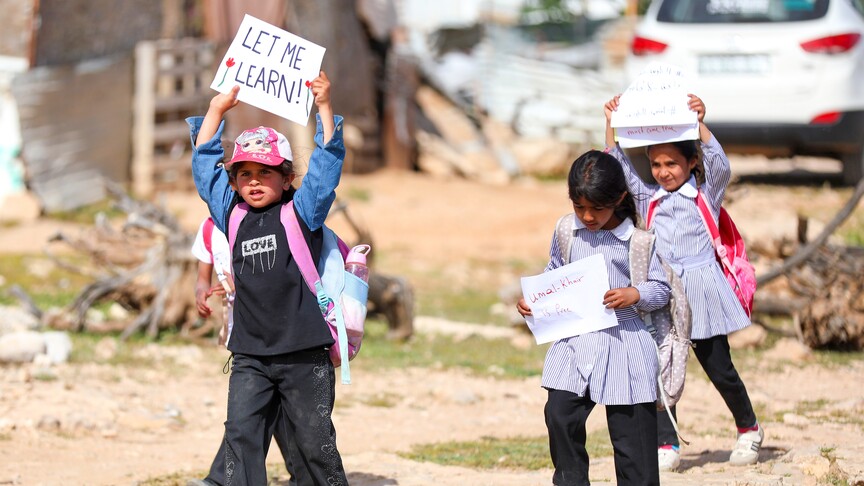
On August 31, the Jerusalem Governorate warned against the imposition of the Israeli curriculum on more than 45,000 out of 120,000 Jerusalemite students—38%—in schools affiliated with the occupation municipality in occupied East Jerusalem.
It considered the move to be an attempt to erase Palestinian identity, falsify the national narrative, and a direct attack on the right of Jerusalemite students to a national education that preserves their history, language, and belonging.
She affirmed her full support for the teaching staff and parents in confronting these policies, calling on international, human rights, and educational institutions to "intervene immediately to stop the violations against education in the occupied capital."
The imposition of the Israeli curriculum coincides with another crisis threatening the continuity of the educational process in East Jerusalem.
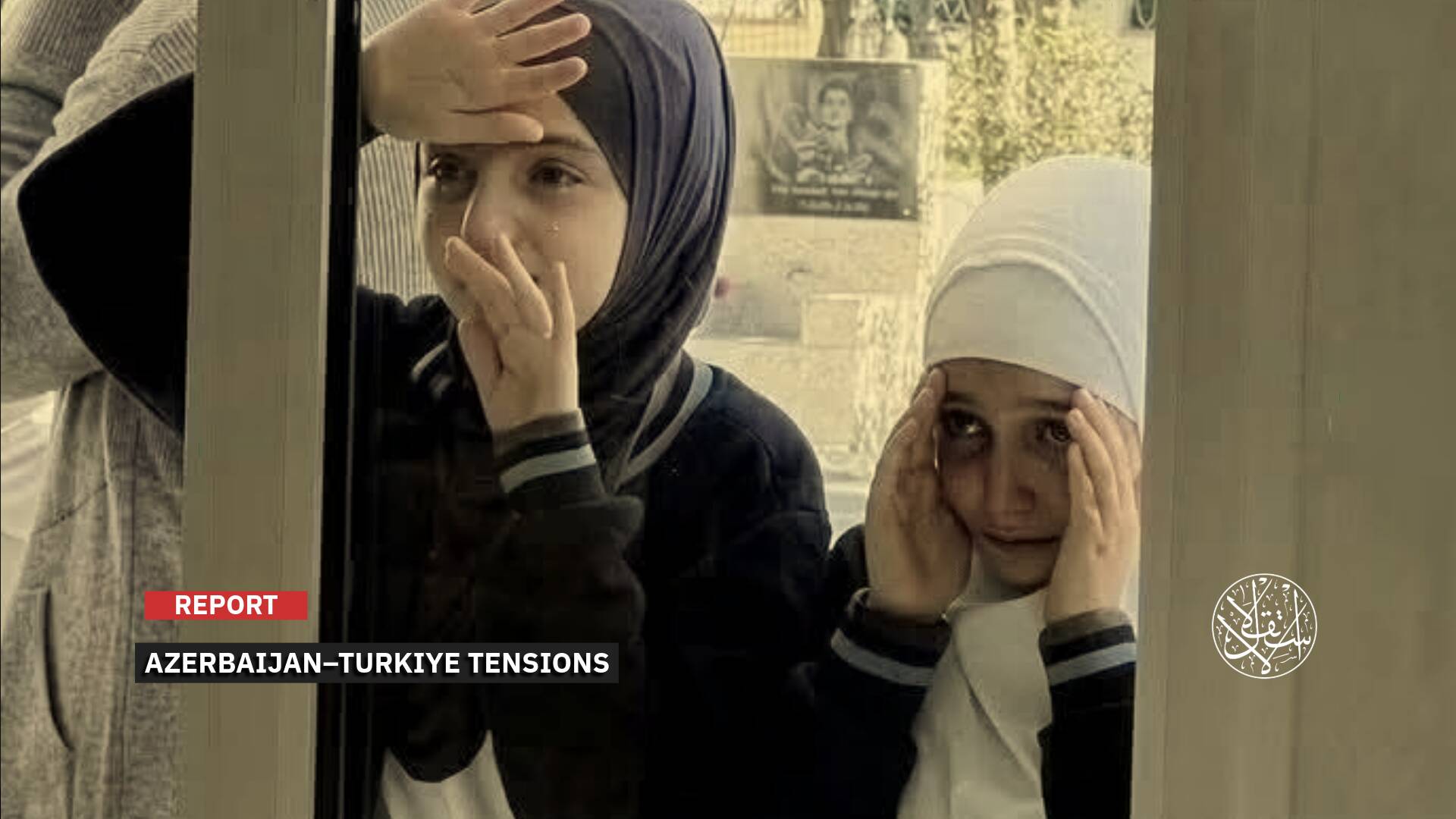
Palestinian private schools and Christian schools announced the suspension of classes starting September 1, 2026, in protest against the Israeli authorities' refusal to renew entry permits for a large number of teachers and staff members holding West Bank IDs.
The schools summarized the reasons for the strike in their statements, citing the inability to guarantee a safe and stable start to the academic year without the necessary personnel.
The staffing crisis at East Jerusalem schools has been worsened by recent Israeli legislation targeting Palestinian schools.
A Knesset law passed earlier this year prohibits the employment of teachers holding academic degrees from Palestinian Authority institutions within the Israeli educational system.
This effectively targets the core of East Jerusalem’s teaching workforce, where approximately 60 percent of the 6,700 Arab educators hold Palestinian degrees, according to the Haaretz report.
For its part, the Israeli human rights organization Ir Amim stated that approximately 15,000 students were prevented from returning to their classrooms, and that the crisis is not limited to permits but is part of a broader crackdown on Palestinian education in Jerusalem.
It emphasized that education is a right, and that preventing teachers from reaching their schools effectively prevents students from receiving an education.
In turn, political analyst Ismail Masalmani, in a statement to Al-Estiklal, affirmed his desire for the children of Jerusalem to have the best education and the widest opportunities. For the future, but not at the cost of their Palestinian and Arab identity.
He pointed out that identity cannot be erased by a curriculum, belonging cannot be imposed by an administrative decision, and the Israeli occupation does not acquire the right to change the identity of the population, no matter how long it lasts.
He concluded that it is paradoxical to ask a Jerusalemite student to study the concept of citizenship in a Jewish and democratic state, while he and his family live as permanent residents without the right to participate in Knesset elections or run for office, and without other rights.
He considered the battle over education to be part of a broader struggle over Jerusalem, following years of pressure related to housing, the economy, politics, and sovereignty, noting that controlling education and awareness is no less dangerous than controlling the land.
Sources
- Israel imposes curriculum on 45,000 Palestinian students in East Jerusalem
- Ben Gvir’s party distributes book at schools glorifying him, depicting Arab MKs as ‘enemy’
- Jerusalem schools strike after Israel enforces curriculum and bans teachers
- Israeli occupation authorities impose a siege on the education of Jerusalemite children [Arabic]