He Returned from America to Protect His Home: How Louay Abu Rida Found Himself Confronting Settlers
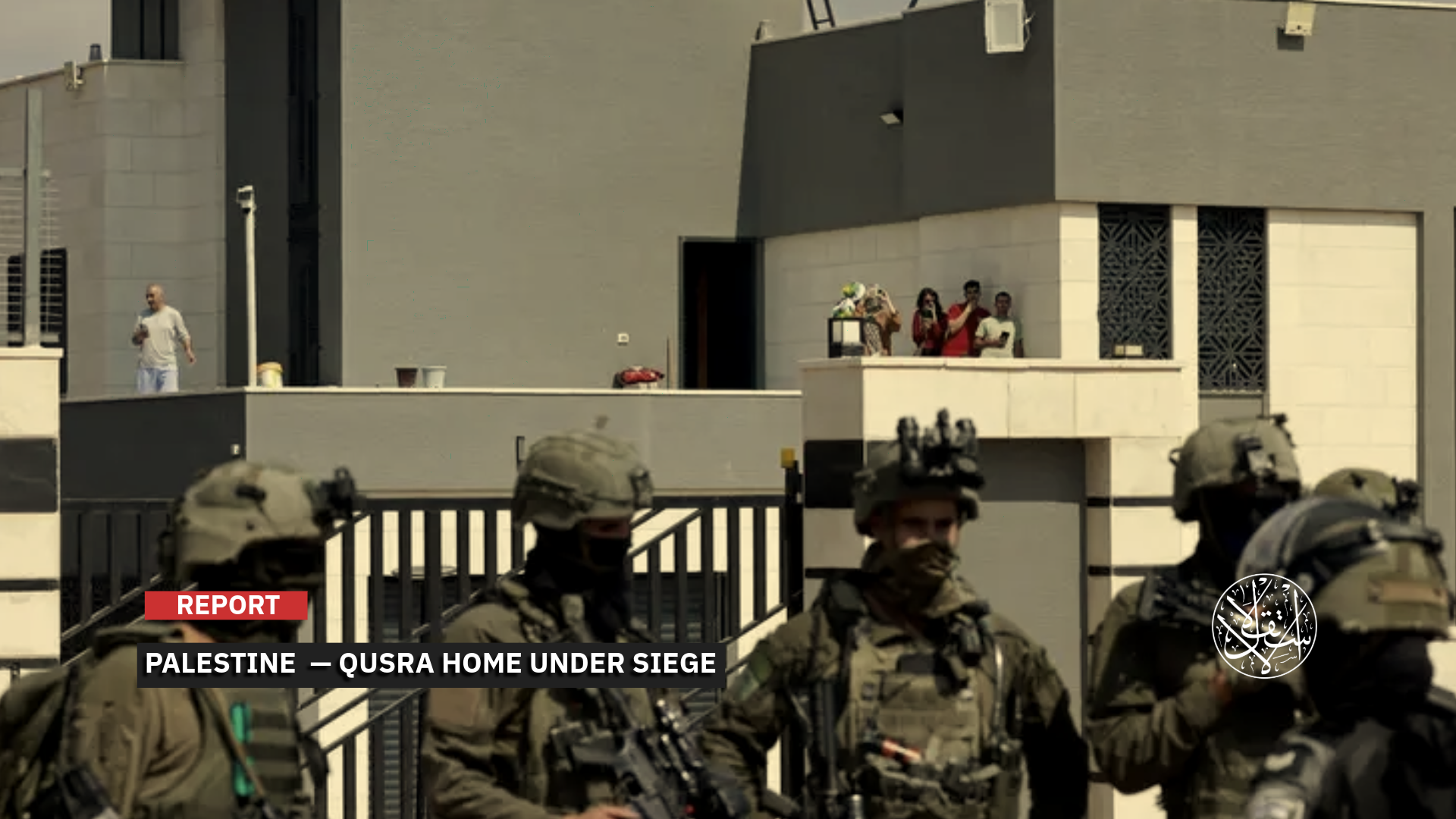
9 Americans have been killed by settlers or Israeli Occupation Forces in the West Bank since 2022.
For seven nights, Palestinian American businessman Louay Abu Rida, 46, from the village of Qusra, south of Nablus, who has lived in Ohio for more than two decades, watched on his phone as settlers laid siege to the home he had built on his family’s land.
He could see Israeli settlers surrounding the house, located in the northern West Bank, while the roads leading to it were closed. His brother Qusay and nephew Ahmad were trapped inside, without water or electricity and struggling to get food into the house.
The footage showed soldiers shaking hands with settlers and praying alongside them, while Palestinian homes remained under siege. Abu Rida also said that soldiers dismantled one of the surveillance cameras and that other equipment stopped working while the army was in the area.
Return to Qusra
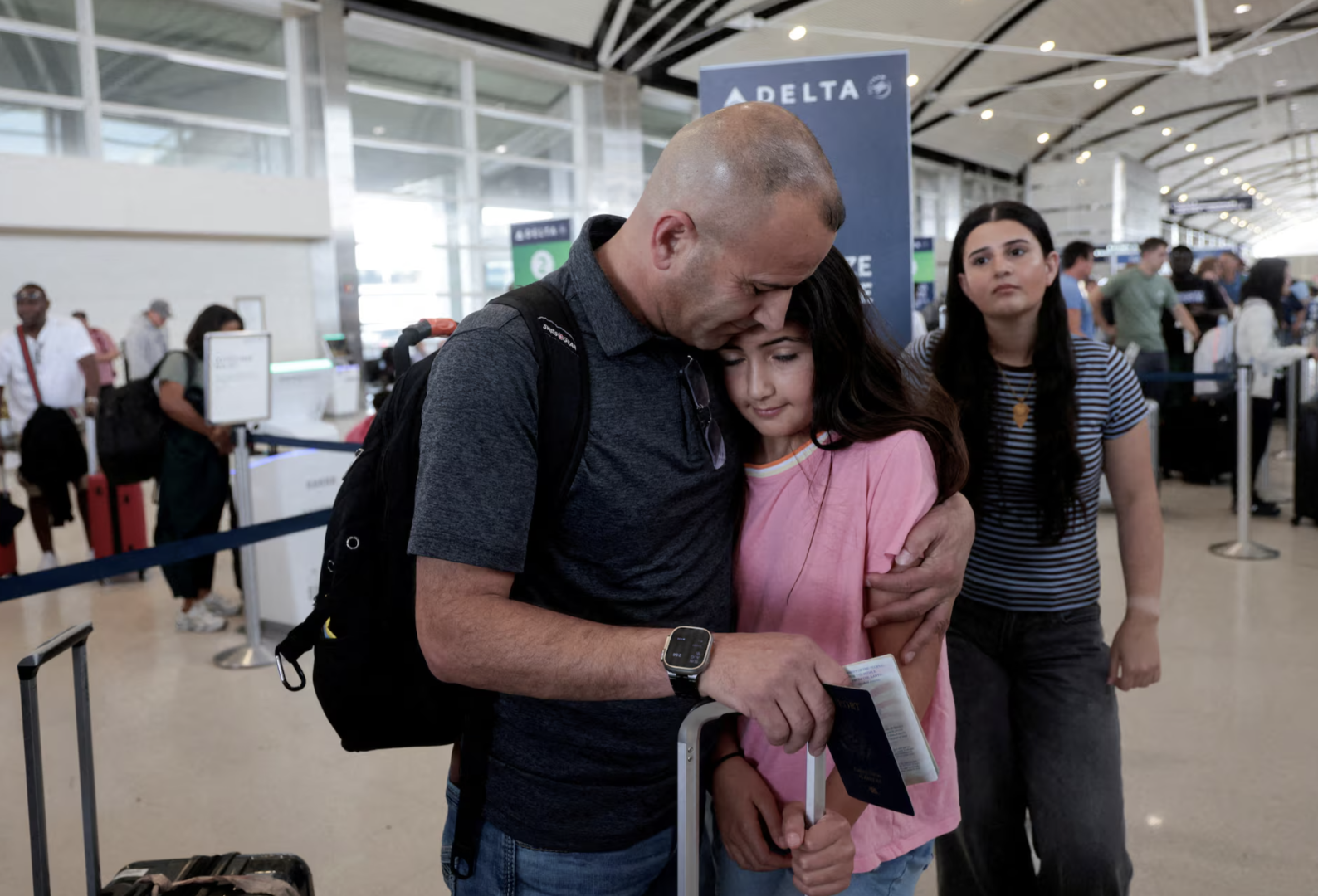
Louay Abu Rida left Qusra about 23 years ago to settle in Ohio, where he obtained U.S. citizenship in 2009, married, and started a family. But he kept an important part of his life in the village, where his 83-year-old mother, Aisha, lives alongside his brothers, sisters, and extended family.
He returned at least once a year, and his family said that before the war, his visits sometimes reached three times a year. In recent years, after his mother suffered a stroke, he increased his visits and made an effort to remain closer to her.
In the United States, Abu Rida and his family built a substantial business enterprise, beginning in 1999 and later expanding into a network of gas stations, grocery stores, and car washes across Ohio, Michigan, and Indiana.
Louay became the group's president and CEO, overseeing dozens of locations and employing hundreds of people, alongside charitable activities in Toledo, Ohio.
An official with the city's Jewish Federation described Louay and his brother as businessmen who provided jobs, supported local institutions, and built relationships with different parts of the community, reflecting the degree of economic and social stability Abu Rida had established.
But that stability did not turn Qusra into merely a place to visit. When his eldest daughter turned seven, he took her to the village for two months and enrolled her in a local school so she could experience the place her family came from. The same idea later shaped his plans for the house he began building around 2023.
Abu Rida said he spent nearly $1 million on the house and wanted it to be a place he could return to with his two daughters so they would remain “part of my family’s story.”
For him, the house became a way of preserving the connection between the generation raised in the United States and the village he had left more than two decades earlier.
The land itself is tied to his grandparents and had been cultivated by his family for generations. Abu Rida said in a statement to the Council on American-Islamic Relations in Ohio that he officially purchased the plot in 2014 and holds its title deed and a Palestinian building permit.
So when settlers began approaching him, Abu Rida was not simply watching from Ohio as a property was put at risk. He was watching over the place he had chosen to keep alive the bond between his daughters and his village.
He Returned to Protect His Home
According to Abu Rida, direct harassment around the house began in January 2026. As fears grew that settlers might try to take over the property, his brother Qusay moved into the house in March to live there and protect it.
The family had been watching what happened in nearby Jalud, where a Palestinian family was besieged under similar circumstances before being forced to leave and settlers took control of its home. That scenario made remaining inside Abu Rida’s house a crucial matter for his brother.
On August 9, the pressure turned into a direct siege. Dozens of settlers arrived in the area, set up tents and an outpost near the entrances, and placed rocks on the roads leading to three homes.
Qusay and his 18-year-old son, Ahmad, were inside Louay’s house. The United Nations said that around 15 Palestinians, including two children, were trapped in the affected homes, with water and electricity cut off and normal movement severely restricted.
Louay called his brother from Ohio and offered to withdraw if he felt he was in danger, but Qusay refused to leave the house and asked them to find a way to get food inside.
From that day on, surveillance cameras became Abu Rida’s means of monitoring events hour by hour. According to Reuters, he spent seven nights barely sleeping, watching settlers set up barriers and move around the house, with soldiers alongside them.
The U.S. network ABC News verified footage showing soldiers shaking hands with settlers, exchanging drinks with them, and praying alongside them.
Abu Rida said on August 13 that soldiers had dismantled one of his cameras. He later said that surveillance equipment had stopped working and that belongings had gone missing while the army was in the area.
The Israeli military said the siege of the homes was “illegal, reprehensible and unacceptable.” It sent reinforcements and dismantled outposts established by settlers.
However, it declared the area a closed military zone and restricted Palestinian movement there. Soldiers also temporarily took over homes, while settlers remained able to reach the areas surrounding them.
Pressure increased after footage from August 10 showed soldiers arriving at the site with settlers. The reserve-force commander seen in the footage remained in his position until September 1, when the military announced that he had been removed. The military, however, refrained from disciplining the other soldiers, saying they had been carrying out his orders.
Unable to get food to his brother, Abu Rida decided to move from monitoring the siege to confronting it himself. He left his wife, two daughters, and businesses in Ohio, said goodbye to his family at Detroit airport, and arrived on the road leading to his home on the evening of August 17.
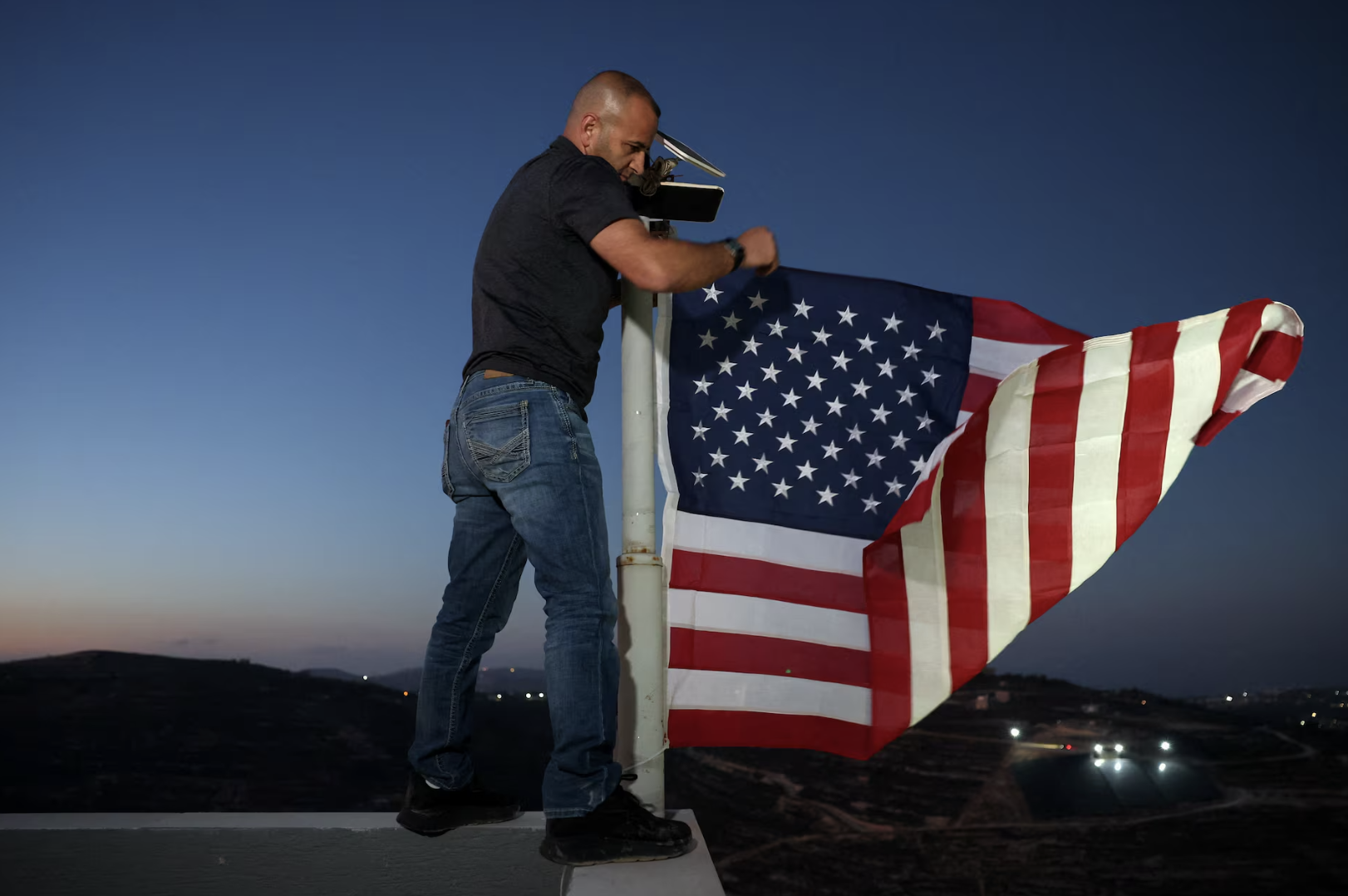
Reuters documented him waiting for about half an hour roughly 100 meters from the gate before a military vehicle escorted him inside. Once he arrived, he climbed onto the roof and raised a large American flag.
The following day, he explained that if settlers took over the house, they would raise their flag over it. He therefore wanted the American flag to be there first.
Palestinian Americans say some homeowners in the West Bank use the flag to signal their U.S. citizenship and try to deter settlers and soldiers.
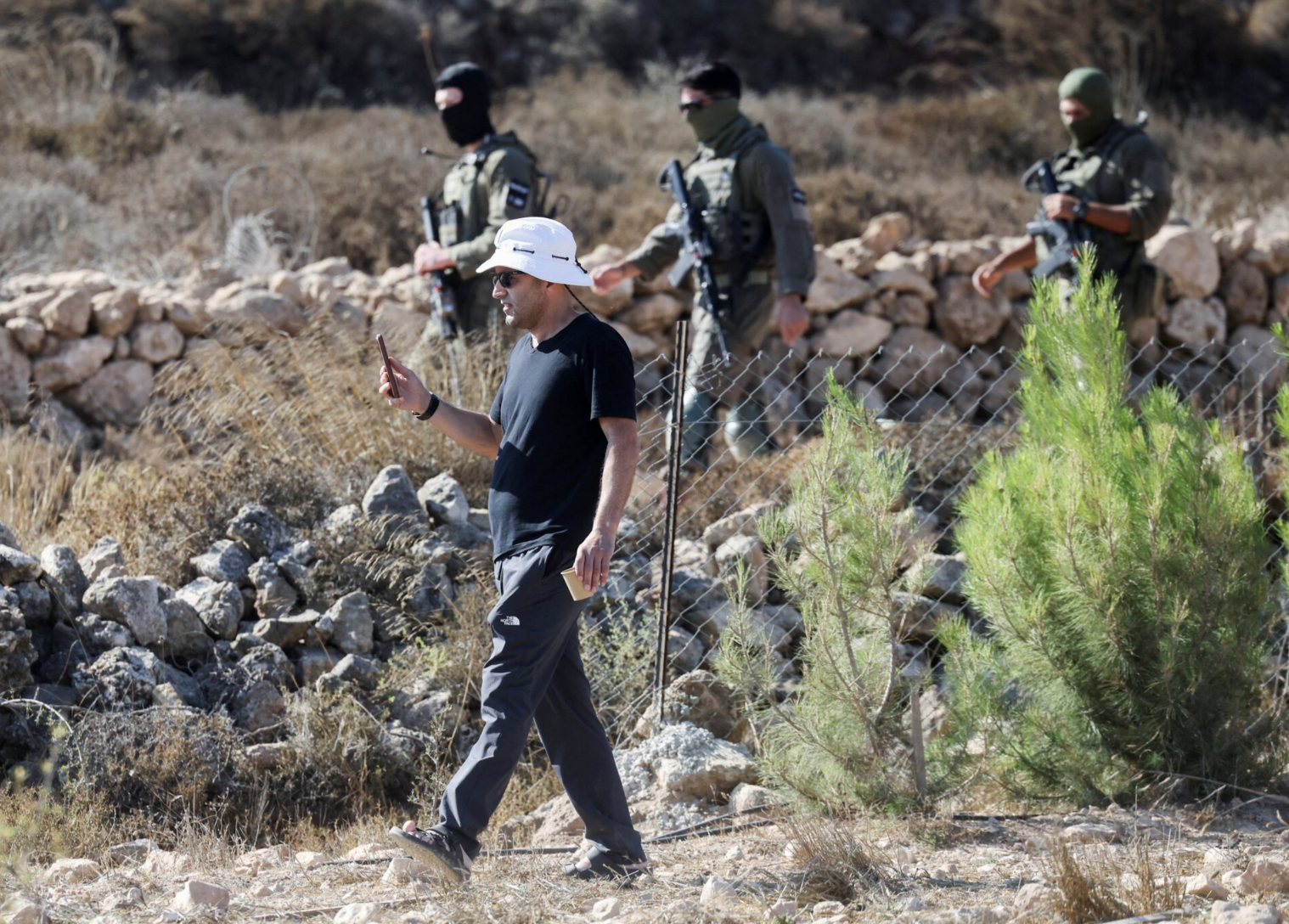
On the morning of August 18, Abu Rida walked out among the cherry and fig trees surrounding the house. A settler approached him while filming with his phone and asked him in Hebrew whether he had come to cause trouble. The homeowner responded by calling him a “terrorist settler.”
Soldiers intervened after a military patrol had passed several times and told the settler to move away because the area was under a military closure.
But they also ordered Abu Rida to return to his home and rejected his demand that the Israeli who had entered his land be arrested.
After that, his ability to leave the house and bring food inside remained subject to coordination with the Israeli authorities.
He also hosted a neighboring family that the army had removed from its home, including two children aged two and four.
Days later, speaking to the U.S. program Democracy Now!, he said that condemnations had been issued while the situation on the ground remained unchanged.
From Louay to 9 Victims
Before leaving Ohio, Louay Abu Rida began testing what his U.S. citizenship could do for him. He contacted the U.S. Embassy in Jerusalem, asking it to intervene to protect his home and family. He said the initial response he received was that the matter fell outside the embassy’s jurisdiction and that he should contact the Israeli or Palestinian authorities.
The position changed after footage of the siege spread and the case reached the U.S. media. U.S. Ambassador to Israel Mike Huckabee described the settlers involved in the siege of homes in Qusra as “terrorists” and called what happened a “horrific act of terrorism.” The embassy said it was in contact with the Israeli military and police regarding the situation.
On August 20, Huckabee went further, saying that taking over a home or land belonging to someone else and intimidating their family into leaving was against the law. He suggested that the United States could impose measures on those involved, including barring them from entering the United States.
However, in the same interview, he acknowledged that he was unaware of any sanctions actually being prepared. At the time, Israeli police had not announced the arrest or charging of any settler over the August 9 siege.
In Ohio, the Council on American-Islamic Relations became involved in the case and pressured the state’s representatives in Congress. Abu Rida said he had contacted the embassy and the office of a member of Congress, but had seen no tangible protection for his home.
The pressure later reached the White House, which called on Israeli Prime Minister Benjamin Netanyahu to condemn settler attacks.
Netanyahu did not respond until August 29, when another home in Qusra came under a new attack. He described the attackers as “a handful of rioters.” But events on the ground once again produced the same pattern: Israeli occupation forces arrested Palestinians who were inside the house, while no settler at the scene was arrested.
As of September 1, families on the outskirts of Qusra still needed to coordinate with the military to leave their homes. Police said they had gathered evidence and issued arrest warrants following the August 29 attack, but did not announce that any arrests had been carried out.
The Abu Rida case came against a backdrop more consequential than diplomatic statements. On August 26, 45 U.S. senators called on Netanyahu to complete investigations into the deaths of nine American citizens at the hands of settlers or occupation forces in the West Bank since 2022.
The list includes Omar Assad and journalist Shireen Abu Akleh in 2022; Tawfic Abdel Jabbar, Muhammad Khudur, and Aysenur Ezgi Eygi in 2024; Amer Rabee, Sayfollah Musallet, and Khamis al-Ayyad in 2025; and Nasrallah Mohammed Jamal Abu Siam, a 19-year-old born in Philadelphia, who was killed by a settler’s gunfire during an attack in Mikhmas in February 2026.
Congress had raised the issue of accountability before the number reached nine. In July 2025, 29 senators wrote that the Netanyahu government had held no one accountable in the seven cases documented at the time, and that the U.S. government had failed to ensure justice for its citizens.
After the deaths of Khamis al-Ayyad and Abu Siam brought the total to nine, senators returned to the issue in August 2026, calling for the investigations to be completed and for American citizens in the West Bank to be protected.