How Right-Wing Populists’ Victory in the Czech Elections Sparked Widespread Concern
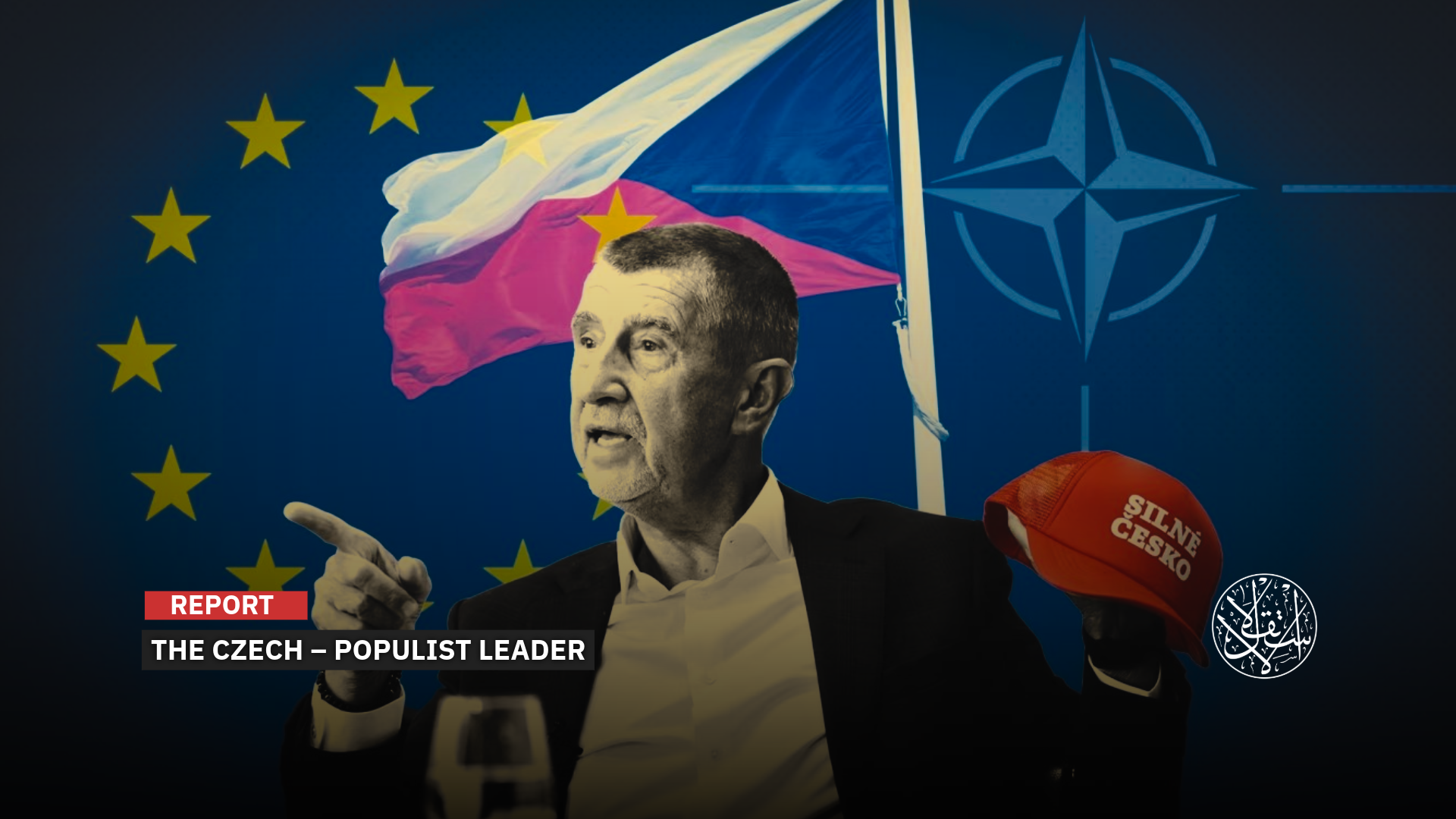
“In the European Parliament, Andrej Babis’s victory strengthens the far-right Patriots for Europe group.”
Europe is preparing for a new chapter of political uncertainty. Four years after his government was toppled and two years after his presidential defeat, populist politician Andrej Babis has returned to the forefront of the Czech political scene.
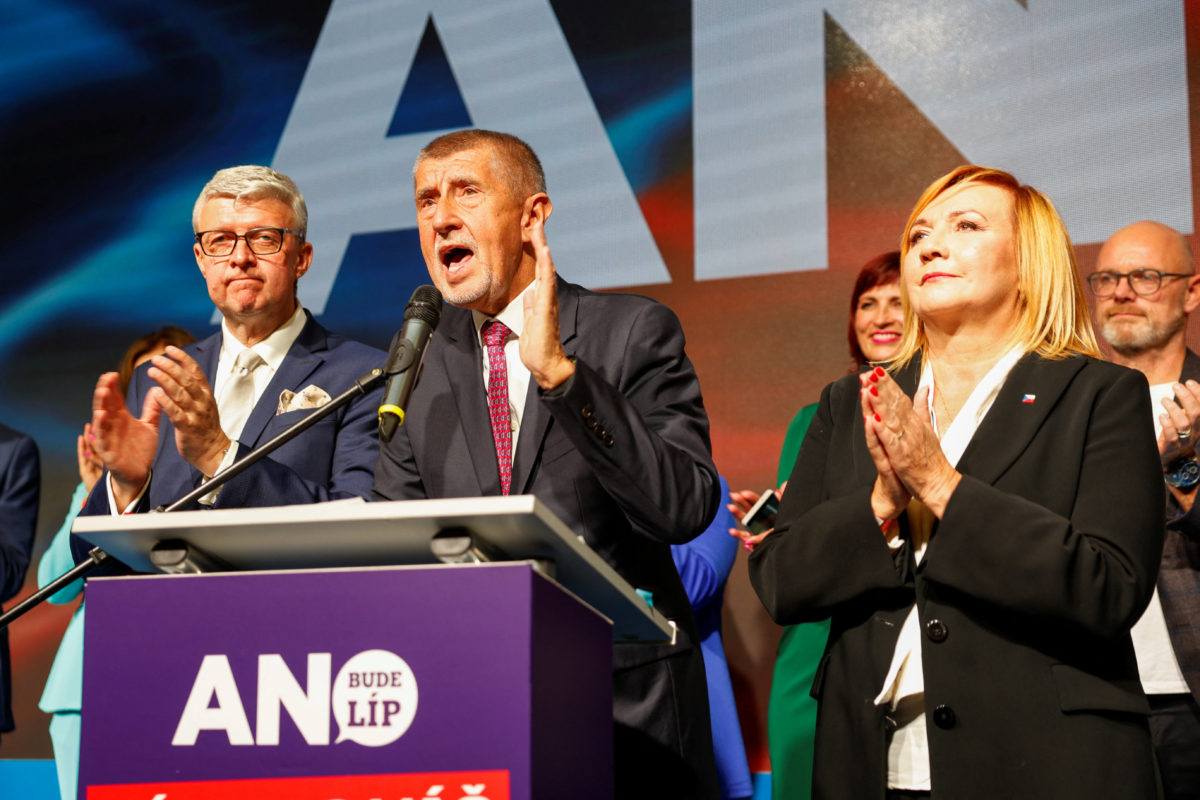
His ANO party won the recent parliamentary elections with more than a third of the vote, campaigning on promises of social welfare and prioritizing Czech interests over Ukraine.
While this victory does not give him an absolute majority, it puts him on the cusp of forming a new government, either through a minority government or in alliances with far-right and Eurosceptic parties.
Babis, 71, was no ordinary politician. His life was filled with controversy, and his immense wealth made him a pivotal figure in Czech politics, just as Donald Trump has been in the U.S.
His critics fear that his return to power could turn the Czech into a new flashpoint within the EU, similar to Hungary under Viktor Orbán and Slovakia under Robert Fico.
Babis co-founded the Patriots for Europe group in the European Parliament, which includes far-right parties such as Hungary's Fidesz, France's National Rally, and Austria's Freedom Party.
In response to these criticisms, Babis recently said: “We want to save Europe... We are clearly pro-EU and pro-NATO.”
Populist Victory
The ANO movement, an abbreviation of Action of Dissatisfied Citizens that means ‘Yes’ in Czech, led by Andrej Babis, won the Czech parliamentary elections with 34.5% of the vote, securing 80 of the 200 seats.
The centre-right SPOLU coalition, led by Prime Minister Petr Fiala, came in second with 23.4% of the vote, followed by the Mayors and Independents (STAN) with 11.2%, the Pirates with 9%, the Freedom and Direct Democracy (SPD) movement with 7.8%, and Motorists Unite with 6.8%.
The election results represent a victory for the incumbent opposition in the Czech Republic, a member of the EU and NATO with a population of 10.9 million.
A change in the current center-right government would strengthen the anti-immigration populist camp in Europe and potentially intensify opposition to EU climate targets.
The Czech experienced high inflation rates following the COVID-19 pandemic and Russia's invasion of Ukraine in 2022, but it has slowly recovered from one of the worst declines in real income in Europe.
This, along with a number of corruption scandals, has damaged the ruling SPOLU coalition, which has focused its term on gradually reducing the budget deficit.
Despite its significant victory, ANO fell short of an absolute majority, and its former rivals have pledged not to form a coalition with it, forcing it to consider other options.
Either forming a minority government, which could leave it vulnerable to blackmail in parliament, or entering into a coalition with far-right forces such as the far-right SPD, which won 15 seats, and the Motorists, which won 13 seats.
The SPD is known for its populist rhetoric against the EU, the Green Transition, and immigration policies, and demands that funds be allocated first to Czechs before Ukrainians.
The SPD belongs to the Europe of Sovereign Nations (ESN) group in the European Parliament, which is more extreme than the nationalists, and includes the German AfD.
The Motorists oppose the EU's plans to ban internal combustion engines by 2035, criticize the Green Deal, and call for greater autonomy for Prague within the EU.
Whatever the choice, the next government will be pivotal in the Czech political future and could set a precedent for the absence of a traditional party from power since the Velvet Revolution in 1989.
Czech President Petr Pavel has stated that he will announce the new government in November at the earliest to allow politicians time for negotiations.
Political Blackmail
Andrej Babis is one of the most prominent figures of the nationalist populist movement in Central Europe. He is often called ‘Czech Trump’ or the ‘Berlusconi of Central Europe’ due to his immense wealth, media influence, and pragmatic management style.
Born in 1954 in Bratislava to a family associated with the communist regime, he began his career in state institutions before becoming a major capitalist after the fall of communism.
In 1993, he founded a fertilizer company that evolved into a conglomerate with companies operating in the fields of chemicals, agriculture and food processing.
With public anger at the political class mounting, Babis founded the ANO movement in 2011, promising to run the country with a business-like mindset and fight corruption and bureaucracy.
Babis served as Minister of Finance from 2014 to 2017, then as Prime Minister from 2017 to 2021.
However, his tenure was mired in endless controversy surrounding his alleged involvement in fraud and corruption cases.
Politically, Babis adopts a conservative nationalist approach, opposing the centrality of the EU without calling for its withdrawal.
He rejects the environmental and immigration policies imposed by Brussels, considering them a burden on the Czech economy.
Regarding Ukraine, he advocates for conditional and rational support, and believes that the country's priority should remain within its borders, not in international arenas of conflict.
Despite denying any loyalty to President Vladimir Putin or Russia, Babis adopts an external approach that challenges prevailing European trends.
During his campaign, he declared that he would halt the Czech-led Ammunition Initiative to arm Ukraine.
He questioned the effectiveness of sanctions on Moscow, believing that military spending should be directed toward improving the conditions of citizens domestically.
In a statement to the Financial Times, he said, “If Trump told me to jump out of a window, I wouldn't do it,” clearly rejecting the former US president's demands to increase NATO spending to 5% of GDP.
He also considered the threat from Russia exaggerated, asserting that NATO possesses sufficient superiority, and indicating his desire to pursue a rational policy that does not unnecessarily provoke Moscow.
Babis makes no secret of his hostility to many EU policies. He opposes the Green Deal climate agreement, despite having previously endorsed it when he was in power in 2019, considering it a burden on the middle classes.
He also rejects European migration policies, describing them as a threat to national identity, in addition to his skepticism about deep European integration.
Although he does not officially call for withdrawal from European institutions or NATO, he is adept at political blackmail to achieve domestic gains.

European Concerns
Babis's rise is not just the return of a businessman to power, it is a sign of a volatile European era, with declining trust in traditional parties and growing fears of economic crises and wars.
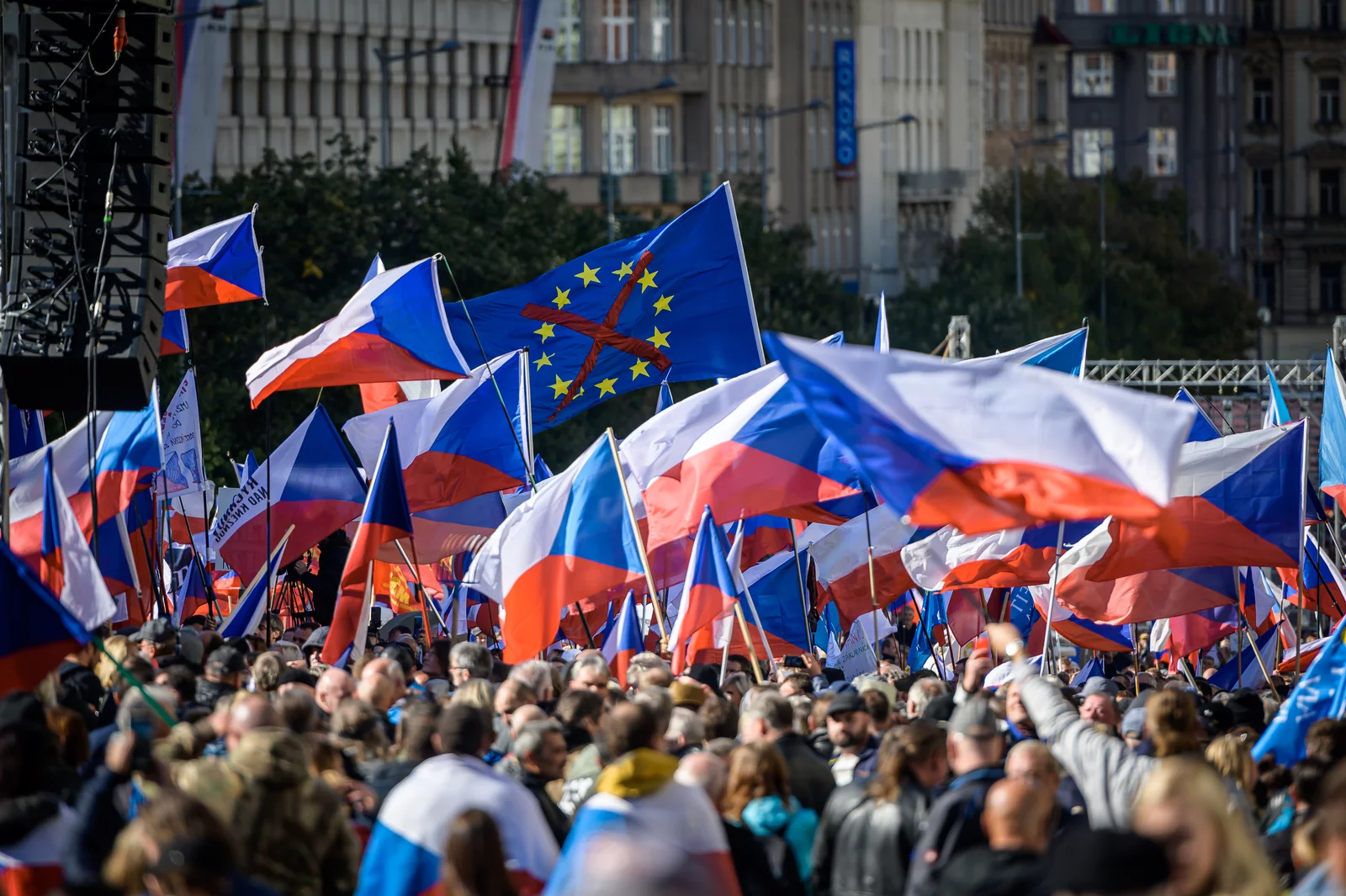
The EU is closely monitoring developments in the Czech Republic, fearing that Babis's return could strengthen the anti-Brussels populist movement within Eastern Europe at a time when European blocs are struggling to hold together.
In the European Parliament, Babis’s victory strengthened the far-right Patriots for Europe group, increasing the weight of nationalist and radical forces in EU decision-making.
In the European Council, Babis could now join Hungarian prime minister Viktor Orban in obstructing Ukraine aid packages, enforcement of rule-of-law conditionality for EU funds and agreement on the migration pact and climate measures.
“Truth has prevailed! Babis has won Czech parliamentary elections with a convincing lead. A big step for the Czech, good news for Europe,” Orban said in a post on X.
Italy’s far-right League leader Matteo Salvini said that Babis had crushed the left in the Czech vote.
Both Le Pen and Jordan Bardella of the far-right National Rally also hailed ANO’s victory.
Others from the Patriots, like Denmark’s Anders Vistisen, the Netherlands’ Geert Wilders, Austria’s Harald Vilimsky and Hungary’s Kinga Gal, expressed joy over the result.
Kirill Dmitriev, a close adviser to Russian President Vladimir Putin and head of Russia’s sovereign wealth fund, said that “Europe is waking up.”
“Congrats to Babis. Enough of uncontrolled immigration, war fever, censorship and economic decline. The Right choice is winning across Europe,” he wrote on X.
In another context, Babis faces a long-running legal case related to his alleged fraud of €2 million from the EU, which allowed his agricultural empire, Agrofert, one of the country's largest conglomerates, to obtain financial support intended for medium-sized businesses.
The case has recently resurfaced, with Babis awaiting a ruling from the Prague District Court. He denies any wrongdoing, insisting the case is politically motivated.
However, this case could pose an obstacle to his return to the prime ministerial position if President Pavel Vucic decides, in accordance with his constitutional powers, to reject his appointment due to a conflict of interest related to his company.
Sources
- Babiš triumphs in Czechia, sending ripples through the EU
- Populist party of billionaire Andrej Babiš wins big in Czech parliamentary election
- Eurosceptic Babiš on course to win power in Czech election
- Andrej Babiš to hold talks with other Czech parties on forming government
- Patriots for Europe group rejoices over Babiš victory