How 'Israel' Is Trying to Establish a New Security Reality in Southern Syria
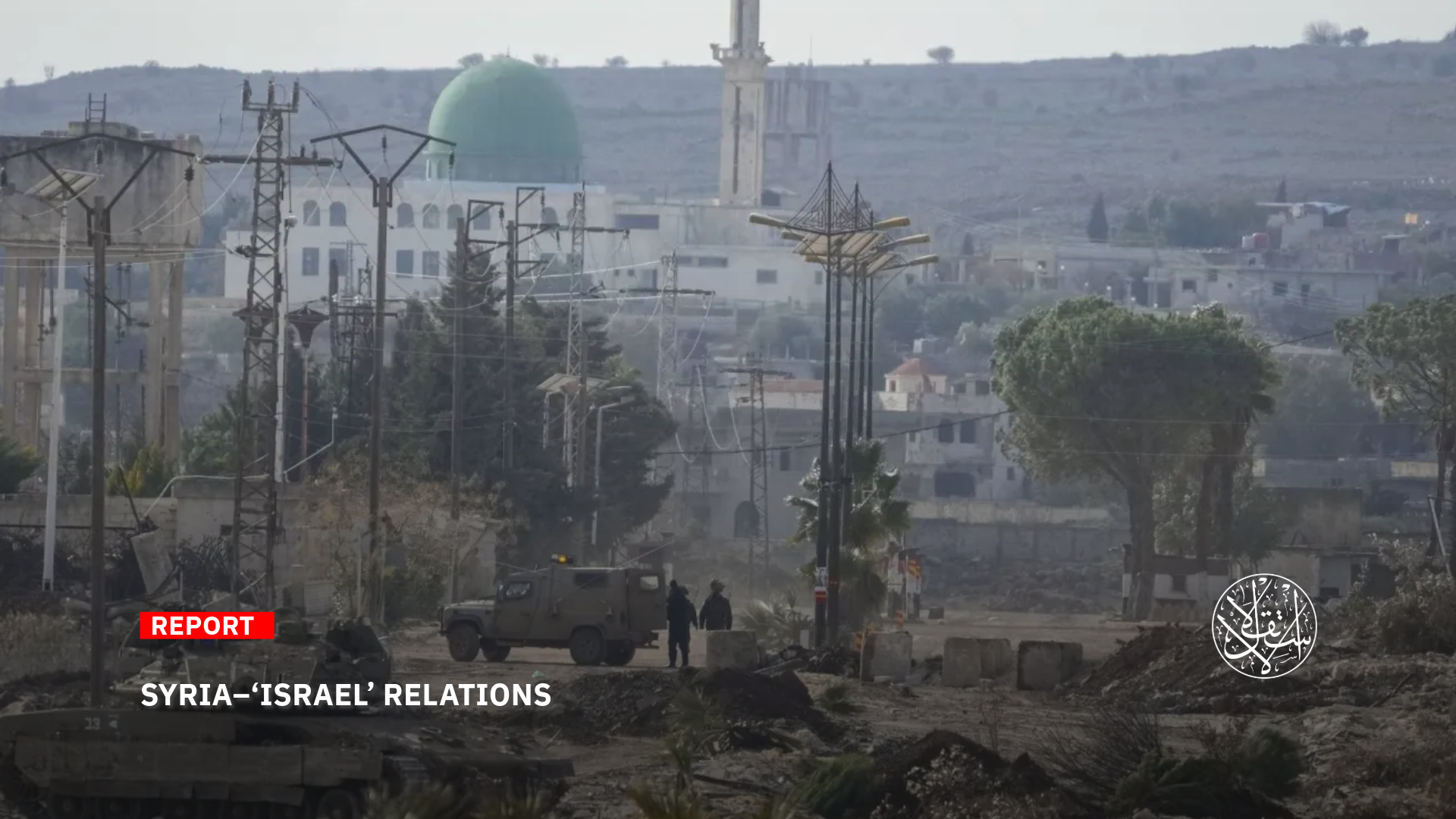
“Netanyahu recently called for demilitarizing of southern Syria.”
With the strong political and popular reactions to Israeli Prime Minister Benjamin Netanyahu's provocative statements about turning southern Syria into a demilitarized zone, the Israeli indicator towards the new Syrian administration began to take another direction.
The Israeli attacks and criticisms reached the point of accusing the new Syrian administration of being an Islamic jihadist group from Idlib that took control of Damascus by force, as stated by Israeli Foreign Minister Gideon Sa'ar.
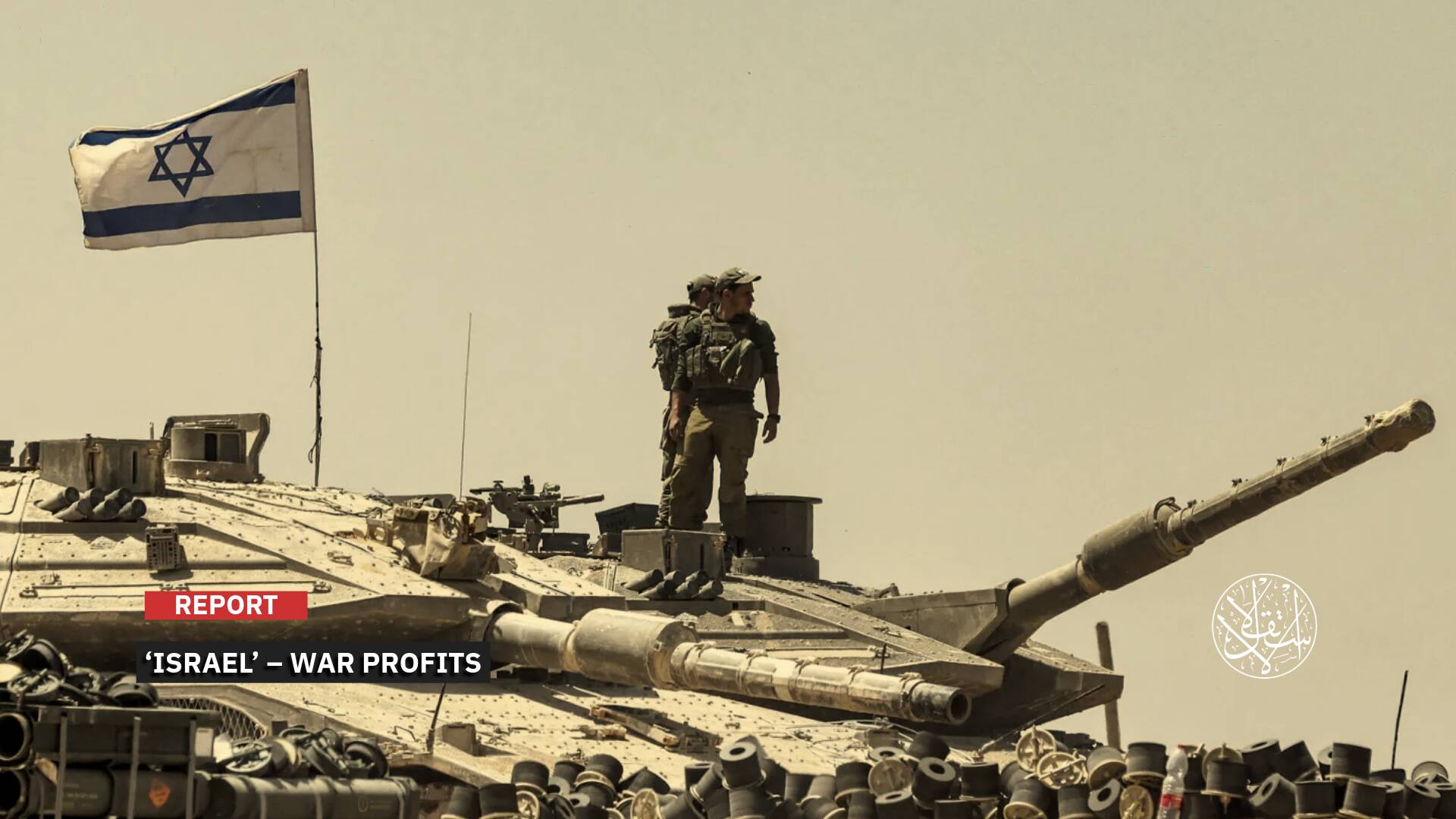
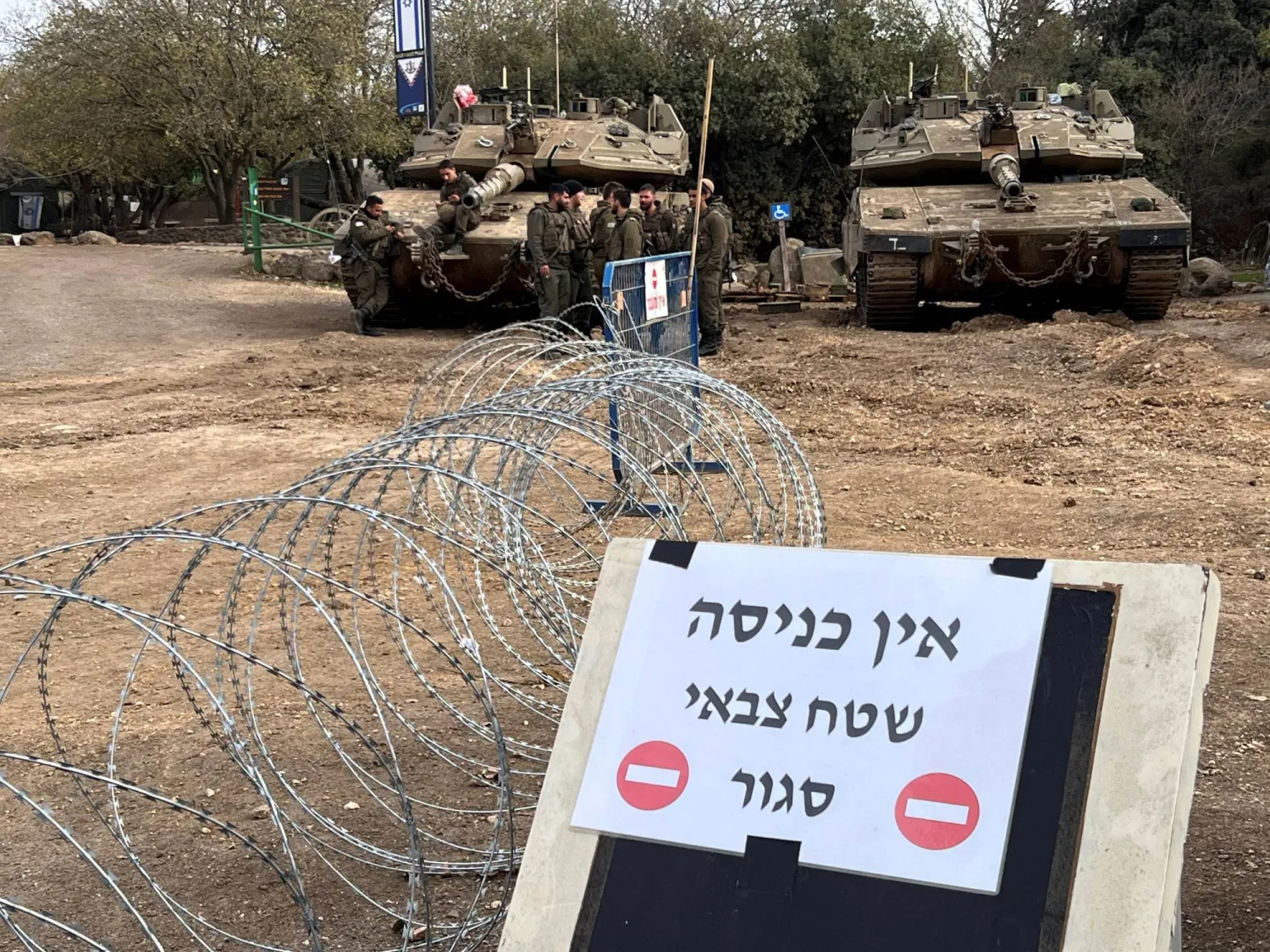
It is noteworthy that “Israel” had exploited the chaos left by the fall of the Bashar al-Assad regime on December 8, 2024, when it occupied the Syrian buffer zone in Quneitra, declaring the collapse of the 1974 Agreement on Disengagement, in addition to launching airstrikes that destroyed military sites, vehicles and ammunition of the new Syrian army.
The Israeli army justified its recent operations inside Syria by saying that the presence of military forces and weapons depots in the southern part of Syria constitutes a threat to it, adding that Tel Aviv will continue to work to eliminate any threat against its citizens.
As the Israeli military escalation continues, fears are growing that southern Syria will become a hotbed of new regional conflict, especially in light of Israel's adoption of a policy of preemptive strikes, which could lead to unexpected reactions inside Syria.
This raises questions about the options available to Damascus to respond to the repeated Israeli aggression, as all indications indicate that “Israel” will not stop until it imposes the reality it seeks.
Israeli Escalation
For several weeks, “Israel” has continued its military and political escalation against Syria, which is trying to recover from the effects of the war that ravaged the country, rebuild the state, and impose control over the entire national territory.
The ongoing Israeli escalation is tightening the noose on the new Syrian administration led by interim President Ahmed al-Sharaa, especially after Tel Aviv moved to incite sectarian conflicts with the aim of dividing the devastated country.
On the evening of February 25, the Israeli army carried out airstrikes against areas on Syrian territory, targeting the vicinity of the al-Kiswah area south of the capital Damascus and the Izraa airport in the Daraa countryside, coinciding with a ground incursion on several axes in Quneitra and Daraa.
Army Minister Israel Katz commented on the strikes, saying that the air force attacked forcefully in southern Syria, as part of the new policy we have set regarding demilitarization in the region, adding that the message is clear: We will not allow southern Syria to turn into southern Lebanon.
The latest Israeli escalation came after hostile statements by Israeli officials.
Netanyahu recently stressed that “Israel” will not allow the presence of forces of the new Syrian army in areas south of the capital Damascus.
“We demand that the provinces of Quneitra, Daraa and As-Suwayda be made demilitarized zones. We will also not accept any threat to the Druze community in southern Syria,” he said.
In turn, Israeli Foreign Minister Gideon Minister Sa’ar called for turning Syria into a federal state with autonomous regions, claiming that a stable Syria can only be a federal Syria that includes different autonomous regions and respects different ways of life.
These statements come at a time when Israeli allegations are increasing about the repositioning of armed factions near its northern border.
Tel Aviv claims that some of these groups receive support from Iran and Hezbollah, which threatens its strategic security.
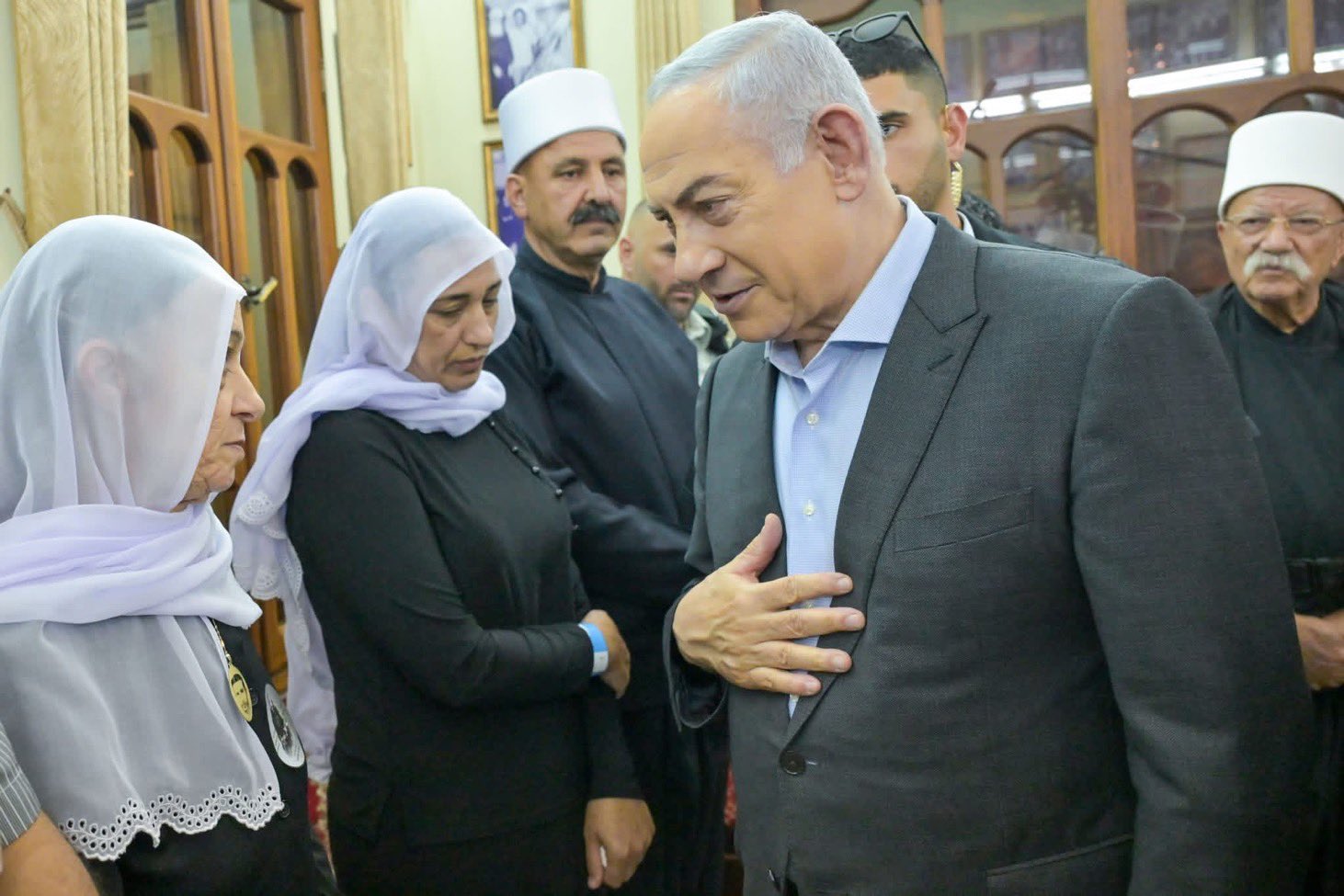
As part of its efforts to strengthen its influence in southern Syria, “Israel” also claimed that it is committed to protecting the Druze community, by promoting the idea that its alliance with Tel Aviv may provide protection for the Druze community in light of the ongoing chaos.
Recently, unofficial contacts have been observed between Druze figures in the occupied Golan and Israeli officials with the aim of promoting the idea of cooperation with “Israel”.
This is not the first time that the Israeli Prime Minister has brandished this card. After the fall of the Assad regime, Netanyahu did not miss the opportunity to reveal his readiness to provide all possible assistance to the Druze in Syria, which was discussed in the media as part of an Israeli plan aimed at extending more control over southern Syria.
In a related context, Israeli media reported that Israeli security services have begun in recent days to make preliminary preparations to introduce Syrian workers in the construction and agriculture sectors to Israeli settlements in the occupied Syrian Golan.
However, these attempts were met with widespread rejection from the Druze community inside Syria.
The Druze leaders stressed their adherence to the Syrian national identity, and their categorical rejection of any Israeli project aimed at dividing the country or creating suspicious local alliances.
Syrian Acumen
On its part, the new Syrian administration, in a statement issued by the Syrian National Dialogue Conference, condemned these military operations, describing them as a blatant violation of Syrian sovereignty.
The conference also called for an immediate and unconditional withdrawal of Israeli forces from Syrian territory, warning of the repercussions of continued escalation.
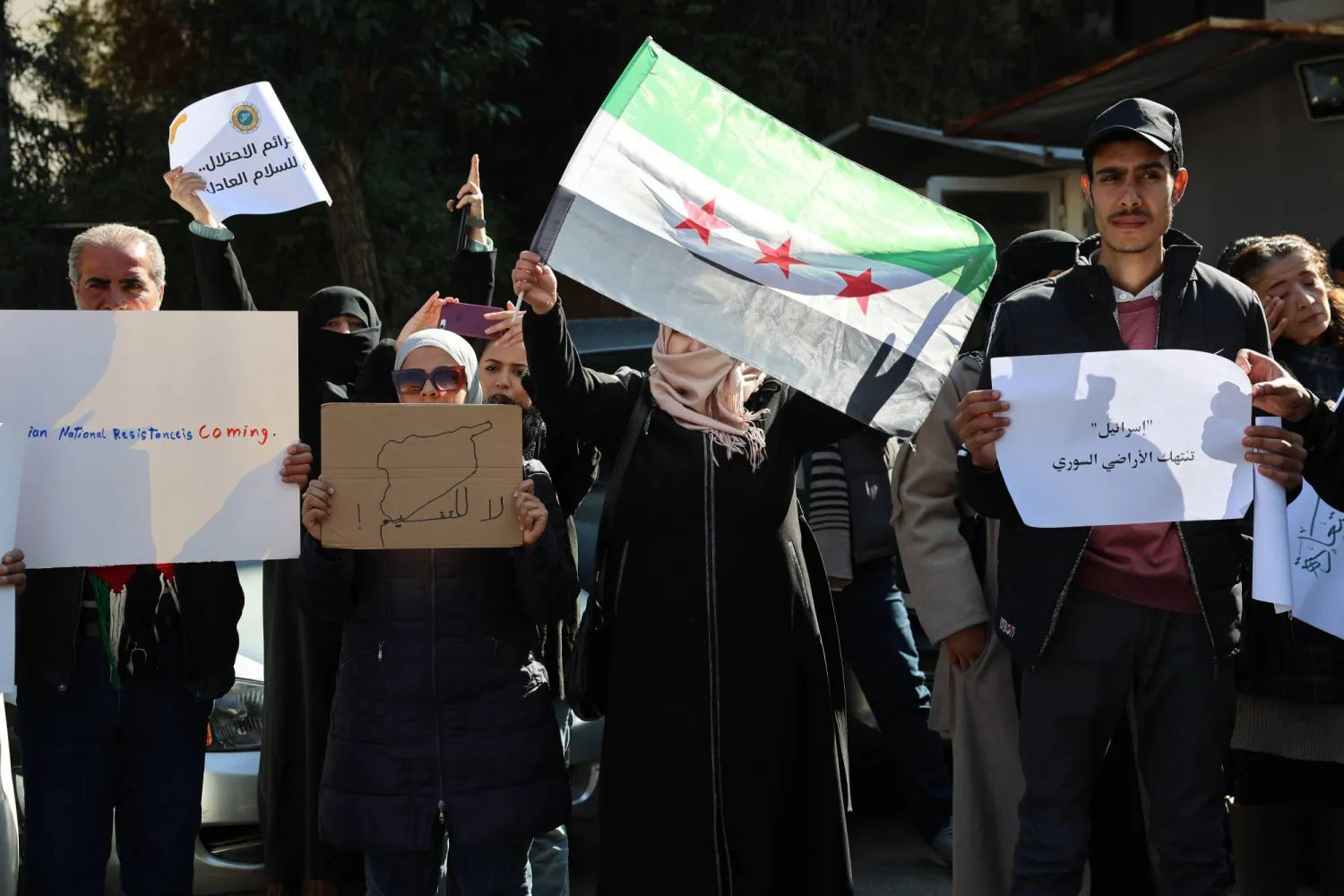
On the popular level, As-Suwayda, which has a Druze majority, witnessed mass protests rejecting Netanyahu’s statements and the increasing Israeli interference in the affairs of southern Syria.
The demonstrators raised banners, some of which were written in Hebrew, such as “No to federalism,” in addition to slogans affirming the unity of Syrian territory and warning against any external attempts to impose a new reality that serves Israel’s interests.
It is noteworthy that the new Syrian administration had tried to deal with the Israeli threats with a kind of political acumen, avoiding all attempts at provocation to drag it towards new escalation fronts that it is not yet ready for.
In an interview with The Times in mid-December, interim President al-Sharaa said that he would not allow Syria to be used as a launching pad for attacks against “Israel” or any other country, demanding that Tel Aviv withdraw from the Syrian sites it had entered.
In mid-January, the new Syrian leadership began gradually engaging in the Israeli occupation of the Golan Heights and Israeli violations in southern Syria.
In a press conference with Qatari Foreign Minister Mohammed bin Abdulrahman Al Thaniin the capital Damascus, Mr. al-Sharaa refuted “Israel’s” allegations to justify its violations in southern Syria and its control over the buffer zone.
The buffer zone includes a dam that supplies water to areas of southern Syria, as there are suspicions that Israel seeks to seize water and other resources.
New Security Reality
Military analysts believe that the recent Israeli moves carry strategic dimensions that go beyond responding to direct security threats, as Tel Aviv aims to establish a new security reality in southern Syria, exploiting the state of instability that followed the fall of the Assad regime.
Israel's strategy in southern Syria is based on four main elements aimed at achieving its security and military interests.
First, exploiting the state of instability in Syria to impose new security arrangements that prevent any hostile military presence near its borders, taking advantage of the internal division and ongoing geopolitical changes.
Second, taking advantage of unlimited US support, as Washington provides political and military cover for Tel Aviv's moves, allowing it a wide margin to carry out its military operations without any effective international deterrence.
Third, expanding Israeli regional influence through a policy of gradual expansion, which is based on establishing a military foothold in the areas it controls, then expanding later according to field data.
Finally, “Israel” uses the security threat discourse to gain international sympathy and justify any future military operations, whether against armed factions or the new Syrian army, as part of its attempt to strengthen its influence and secure its northern borders.
In addition, “Israel” is adopting a long-term strategy in southern Syria, where it has not only maintained a military presence in the buffer zone, but has also begun building military bases and digging tunnels, indicating long-term intentions for permanent presence in the region.
Last January, recent satellite images revealed that the Israeli army is building settlement sites and military bases and paving new roads in the buffer zone separating the occupied Golan Heights from Syria.
According to Netanyahu’s statements, the Israeli army has no intention of withdrawing from southern parts of Syria for now, especially the strategic Mount Hermon.
Geopolitical Rivalry
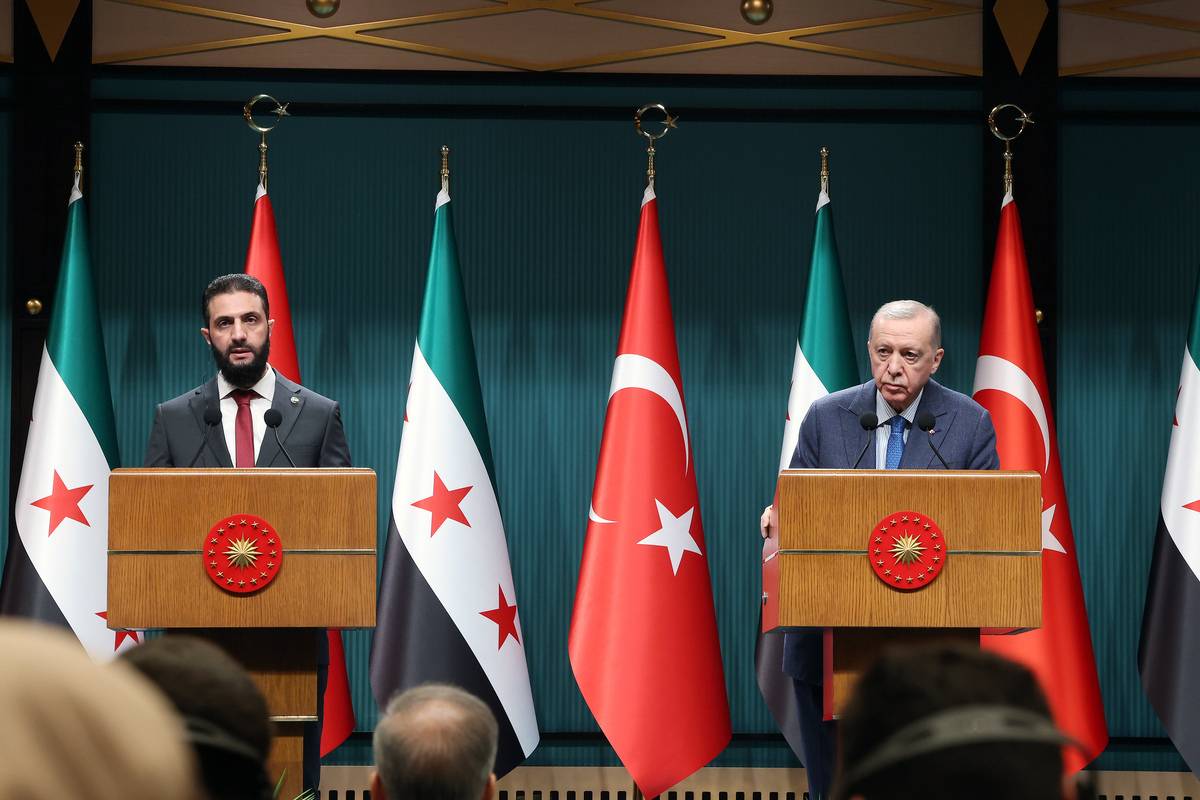
In a broader geopolitical context, the prospects of signing expanded military cooperation agreements between Turkiye and the new Syrian administration are increasing, likely including a permanent Turkish military presence in Syria and influence within the new Syrian army, which Ankara will actively participate in training and arming.
These developments may put “Israel” in an unexpected direct confrontation with Turkiye in the coming years, and Tel Aviv will have to deal with a new equation in which it finds Turkish forces close to its borders.
Therefore, the recent Israeli steps in southern Syria can be interpreted as part of preemptive measures to prevent any potential Turkish military threat from reaching its borders.
It is worth noting that the future of the geopolitical balance in the new Syria is more likely to be the result of the competition between Turkiye and “Israel” than any other parties concerned with Syria.
With the possibility of the withdrawal of US forces from northeastern Syria, Turkiye's chances with the new Syrian administration are increasing towards securing control over the areas held by the Syrian Democratic Forces (SDF), which Netanyahu considers Israel's only friend in Syria.
This may open the way for broad Turkish-Israeli understandings, under US auspices, as part of the potential US withdrawal agreement, including the normalization of relations between Ankara and Tel Aviv.
In turn, political analyst Mahmoud Alloush explained in a statement to Al-Estiklal that “the Israeli escalation comes as a translation of the goals set by Netanyahu in his recent speeches, which included an Israeli vision for a new Syria based on dismantling the unity of Syrian territory and encouraging separatist tendencies.”
“These Israeli goals are in line with the Useful Syria project, which aims to make Syria a completely demilitarized state, not just the southern region,” he said.
Mr. Alloush also pointed out that “in light of the internal crises suffered by the new Syrian administration, the options for responding to the ongoing Israeli aggression seem very limited.”