Hezbollah and the Houthis Branded ‘Terror Groups’ in Iraq: Who Is Behind the Storm?
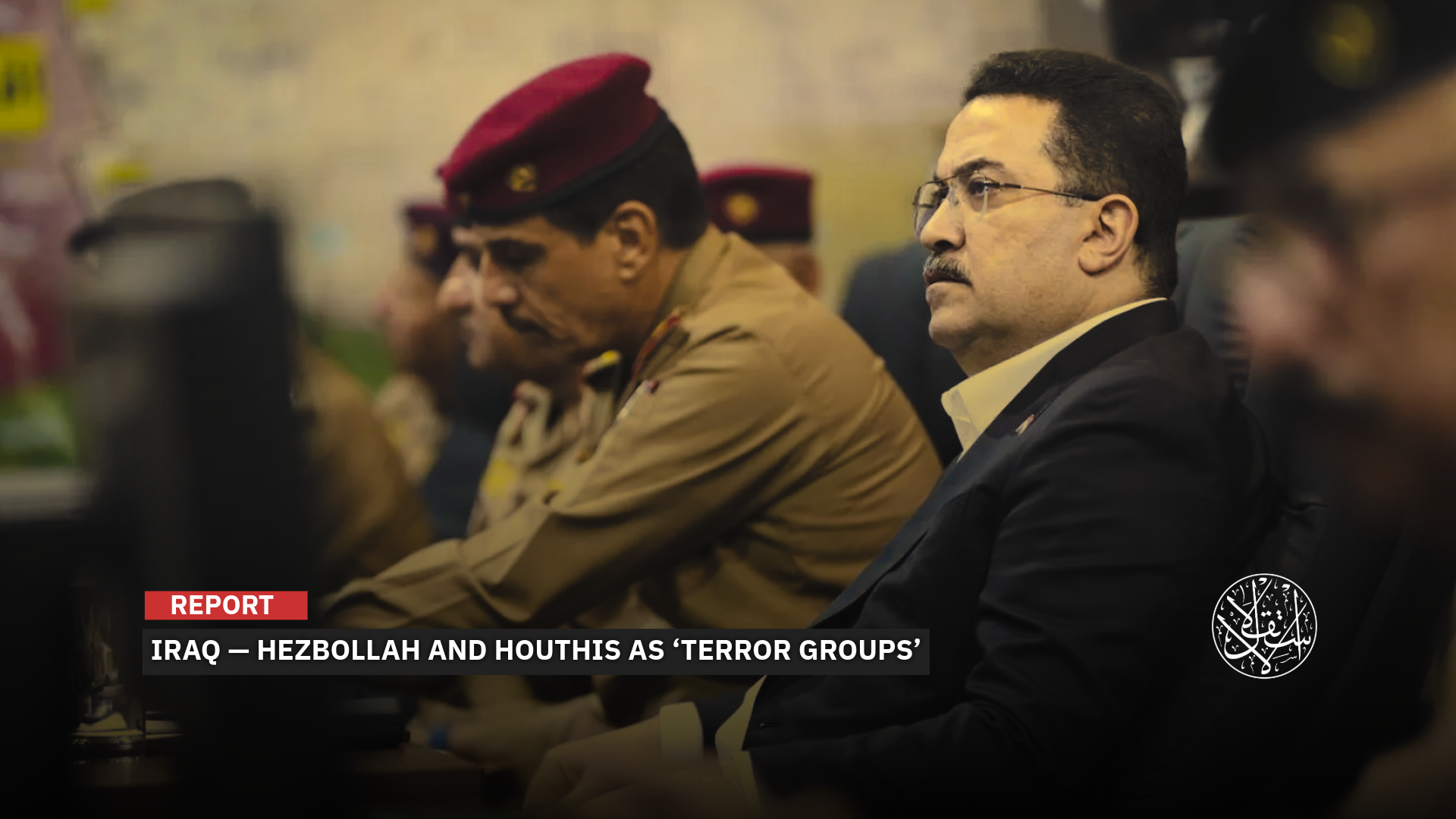
The Iraqi Prime Minister said the controversy was triggered by a staff error inside the committee responsible.
In a move that sent political shockwaves through Iraq, the Official Gazette published a decision listing Lebanon’s Hezbollah and Yemen’s Houthi group as terrorist organizations, a step the Iraqi central bank later walked back, calling it an “unintentional mistake.”
At the same time, Iraqi Prime Minister Mohammed Shia’ al-Sudani ordered an urgent investigation and pledged accountability, saying the mistake originated within the committee responsible for asset freezes.
He also underscored that the government’s political and humanitarian stance toward what he described as aggression against the people of Lebanon and Palestine had not changed.
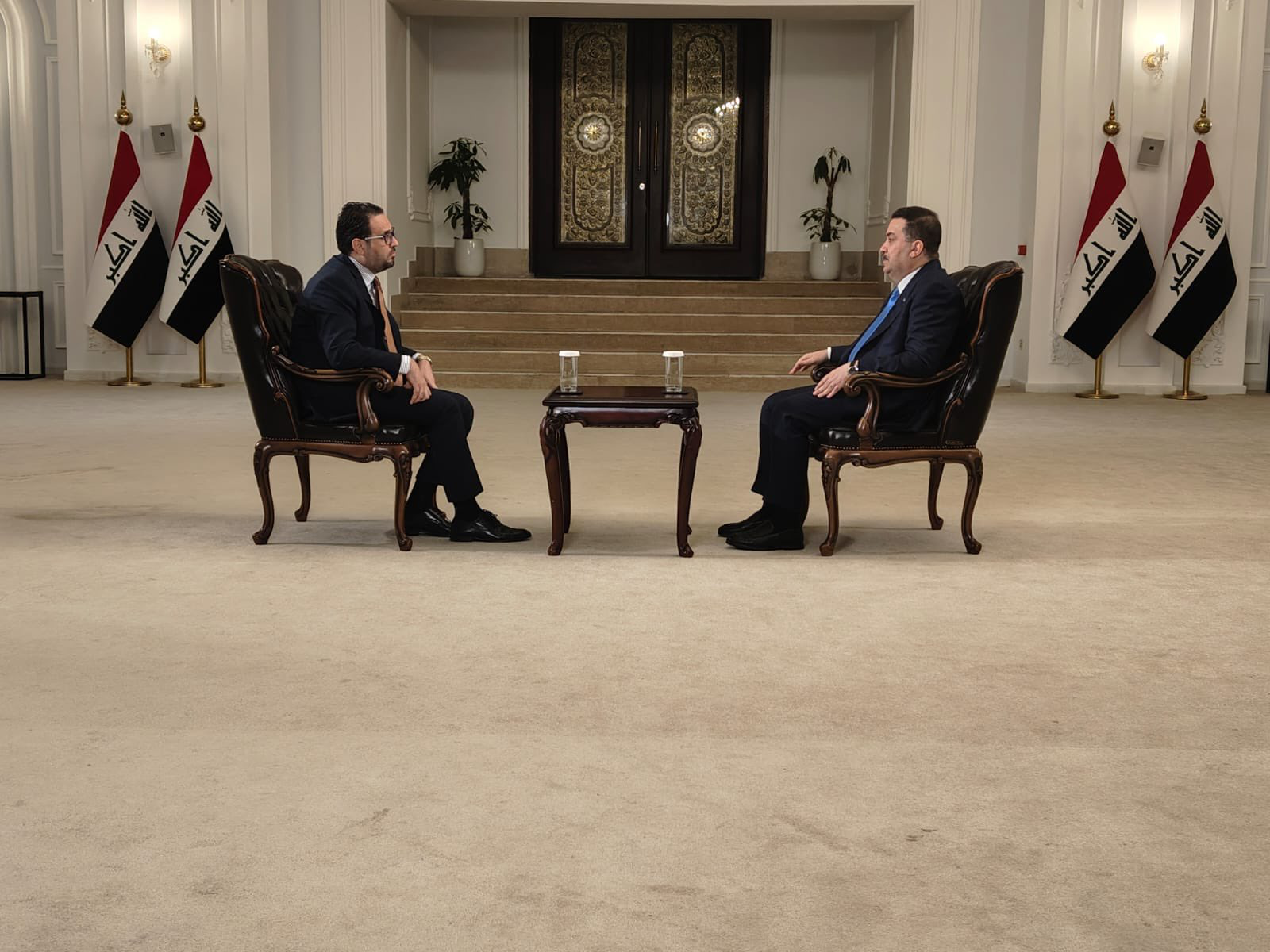
In a televised interview on December 7, 2025, al-Sudani said the committee had acted on information from international sources, but a staff member had failed to properly review the decision. He stressed that his government had not officially designated either group as a terrorist organization and accused critics of exaggerating the episode for political gain.
A Fierce Backlash
Although the designation of Lebanon’s Hezbollah and Yemen’s Houthi group appeared in the Official Gazette of Iraq on November 17, the decision itself had been issued earlier, on October 28, by the committee in question. The controversy, however, did not erupt until December 4, when the listing resurfaced widely across Iraqi media and social media platforms, igniting a wave of political outrage.
The committee is affiliated with the General Secretariat of the Council of Ministers and includes 13 ministries and security and intelligence bodies, among them the intelligence and national security services, as well as the ministries of interior, foreign affairs, justice, and finance. It is chaired by a deputy governor of the Iraqi Central Bank, and its decisions are considered final and binding on all state institutions.
Publication of the ruling in the Official Gazette effectively put it into immediate force, at least for financial entities and agencies operating at border crossings, including banks, financial institutions, customs authorities, and trade control bodies.
The designation was part of an official decision issued by the Committee for the Freeze of Terrorist Funds, ordering the freezing of the assets of 24 entities placed on the terror list, including Hezbollah and the Houthis, on charges of “participation in the commission of a terrorist act.”
The move drew sharp criticism from political figures aligned with Iraq’s Shiite Coordination Framework, with some directing harsh attacks at Prime Minister Mohammed Shia’ al-Sudani. In some cases, calls went as far as demanding that he be “punished” for the decision, reflecting the intensity of the backlash.
According to Aqeel Abbas, a spokesperson for the State of Law Coalition led by former prime minister Nouri al-Maliki, al-Sudani was also removed from all Coordination Framework WhatsApp groups as a punitive step tied to the same issue, a claim he made during a televised interview on December 5.
The first to publicly weigh in on the issue was Mustafa Sanad, a lawmaker aligned with the Coordination Framework, who stated bluntly that Iraq has classified the Houthis and Hezbollah as terrorist organizations. He described the decision as a “disgrace” and a “shameful position,” while also invoking remarks by U.S. president Donald Trump about his nomination for the Nobel Peace Prize—support he claimed had come from Prime Minister Mohammed Shia’ al-Sudani.
Donald Trump said in remarks published on December 1 that Iraq’s prime minister had backed his nomination for the Nobel Peace Prize. The statement was met with fury among Iran-aligned figures in Iraq, who described the stance as a “betrayal of the blood” of Iran’s Quds Force commander Qassem Soleimani and Abu Mahdi al-Muhandis, the deputy head of Iraq’s Popular Mobilization Forces, both killed in a U.S. airstrike ordered by Trump in early January 2020.
Hussain Mouanes, head of the Hoquq Movement affiliated with Kata’ib Hezbollah, launched a fierce attack on al-Sudani’s government, branding it “a trembling and subservient authority.” In a post on X on December 4, he said the government “does not possess even the minimum level of dignity,” insisting that it was “neither sovereign nor brave.”
Similarly, Saud al-Saadi, head of the Hoquq Movement’s parliamentary bloc, said, “Hezbollah in Lebanon and Ansar Allah in Yemen [the Houthis] are today offering the world lessons in humanitarian principles, dignity, honor, sovereignty, and independence, and in defending the nation and its dignity.” By contrast, he added that “cowards and the feeble” were moving to place them on the terrorist list, a step he described as reflecting “a shameful downward trajectory and the beginning of a dangerous phase of submission.”
Binding Decision
Commenting on the fallout from Iraq’s reversal on listing Lebanon’s Hezbollah and Yemen’s Houthi group, Iraqi affairs researcher Hamed al-Obaidi told Al-Estiklal that “freezing or cancelling the decision is little more than an attempt to appease public opinion and defuse the anger of Iran-aligned groups in Iraq.”
“The decision remains binding on Iraqi financial institutions, and removing it from the Official Gazette does not mean it stops being enforced; the Central Bank of Iraq risks international sanctions, as these organizations are on global lists, so Iraq is obliged to deal with them.”
“Raising the issue domestically is primarily aimed at undermining Prime Minister Mohammed Shia’ al-Sudani’s efforts to secure a second term and pushing Iran to veto his nomination, portraying him as aligned with the U.S. camp against the Iranian axis in the Middle East,” he added.
Separately, Iraqi political analyst Firas Elias commented on the gazette publication, saying it “does not necessarily mean that Iraq has classified the Houthis or Hezbollah as terrorist organizations through an independent national decision or political agenda; the matter is procedural and logistical, tied to the work of the Committee for the Freeze of Terrorist Funds in line with international lists issued by the United Nations.”
In a post on X on December 4, Elias clarified that “Iraq is not issuing a political judgment labeling these groups as terrorists; it is fulfilling international financial obligations to freeze the assets of individuals or entities listed by the UN.”
He noted that under UN Security Council resolutions, Iraq is legally required to freeze or block the assets of any internationally listed person or entity, regardless of its political stance toward them.
Elias stressed that Iraq has not undertaken a political classification of these entities as terrorist organizations through domestic legislation, unlike Saudi Arabia, the United States, and the European Union.
Iraqi parliamentarian Yousef al-Kalabi, a member of the Coordination Framework, said that “what is published in the Official Gazette of Iraq is final and cannot be deleted or amended except through an official decision or law.”
Al-Kalabi told the Iraqi newspaper Almuraqeb on December 4 that “the decision to freeze the assets of Ansar Allah [the Houthis in Yemen] and Lebanon’s Hezbollah in the Iraqi gazette is final and binding, and any talk of reversing it is little more than a bid to calm the media.”
Washington Is Disappointed
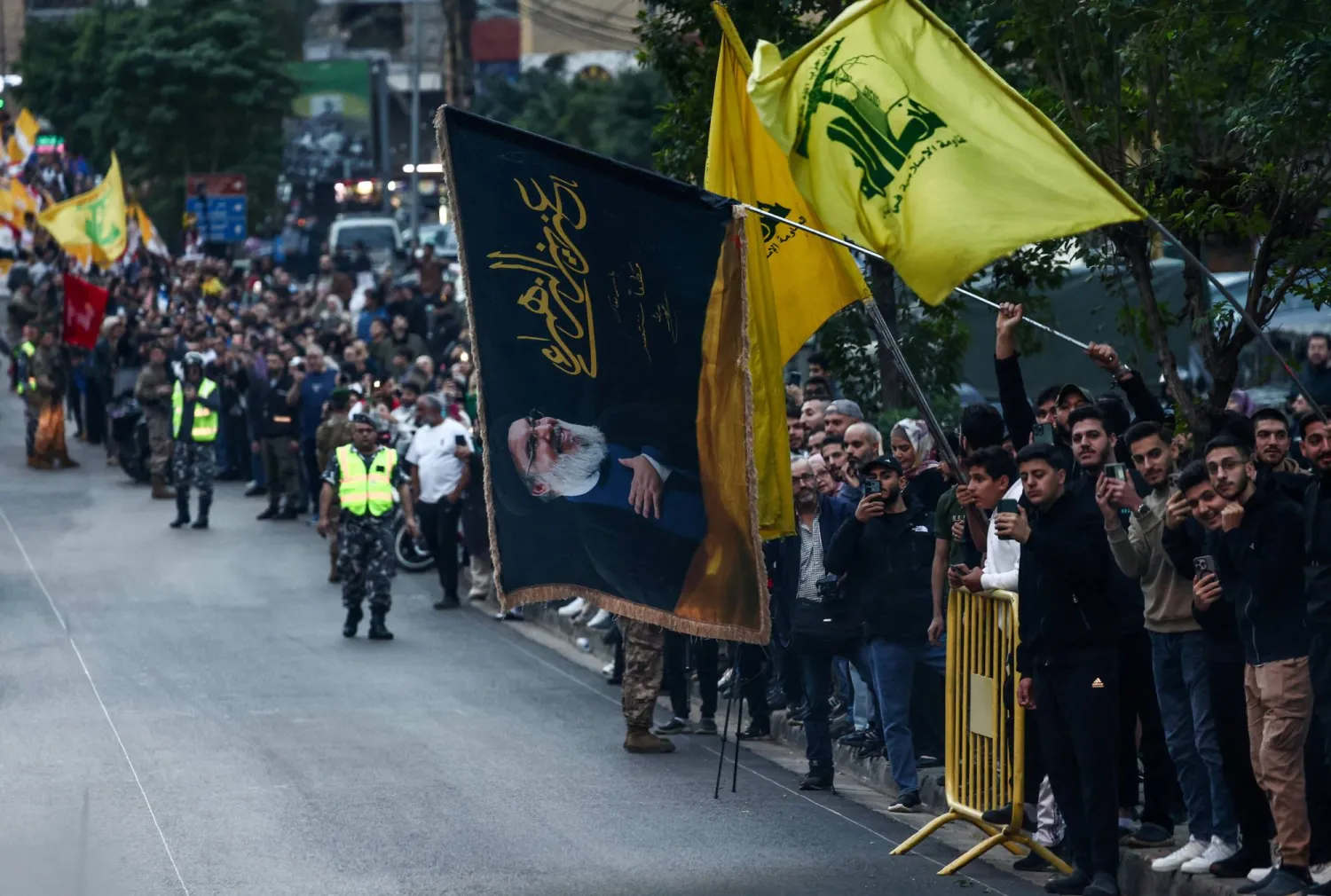
Amid the ongoing controversy, a spokesperson for the U.S. State Department expressed Washington’s frustration at Iraq’s reversal on the decision to freeze the assets of Hezbollah and the Houthis, warning that both groups pose “threats” to the Middle East amid rising regional tensions.
Iraqi news network Rudaw reported on December 6 that the spokesperson, who was not named, said the United States expects Baghdad to take practical steps against Iran-aligned armed groups, including those operating on Iraqi soil.
“We are disappointed by Iraq’s retraction of the decision to freeze assets of Lebanese Hezbollah and the Houthis,” the spokesperson told Rudaw.
Washington will continue to “press Iraq to take concrete actions against these Iranian proxies and Iran’s proxy militias in Iraq who threaten U.S. and Iraqi interests.”
“All countries need to take actions to ensure their territories are not used by these and other Iranian terrorist proxies to train, raise money, acquire weapons, or conduct attacks,” the spokesperson added.
In response, the Iraqi presidency said it had not ratified the decision to designate Hezbollah or the Houthis as terrorist organizations and denied prior knowledge of it.
In a statement released by the Iraqi News Agency (INA) on December 5, the presidency said it “has no knowledge of and did not ratify” the decision to freeze the assets of the two groups.
The statement clarified that “such decisions are not sent to the presidency,” and that what does reach the office is limited to “laws voted on by the Council of Representatives and presidential decrees” for review, ratification, and publication.
It added that decisions by the Council of Ministers, the Committee for the Freeze of Terrorist Funds, the Anti-Money Laundering and Countering Financing of Terrorism Office, or instructions issued by any authority “are not sent to the presidency.”
The statement added that the presidency only learned of the decision after it appeared on social media.
Sources
- Iraqi Presidency: We Learned of the Decision to List Houthis and Hezbollah Through Social Media [Arabic]
- US 'disappointed’ by Iraq’s reversal of freezing Hezbollah, Houthi assets
- After Listing Hezbollah and the Houthis as Terrorist Groups, Iraq Backtracks and Issues Urgent Clarification [Arabic]
- What Can Be Learned From the Crisis Over Labeling Hezbollah and Ansar Allah as Terrorist Groups? [Arabic]
- Lawmaker Says Reversing Decision to Freeze Resistance Groups Requires Legislation [Arabic]