From Chill to Pressure: Is Pakistan Bearing the Cost of UAE’s Growing Closeness to India?
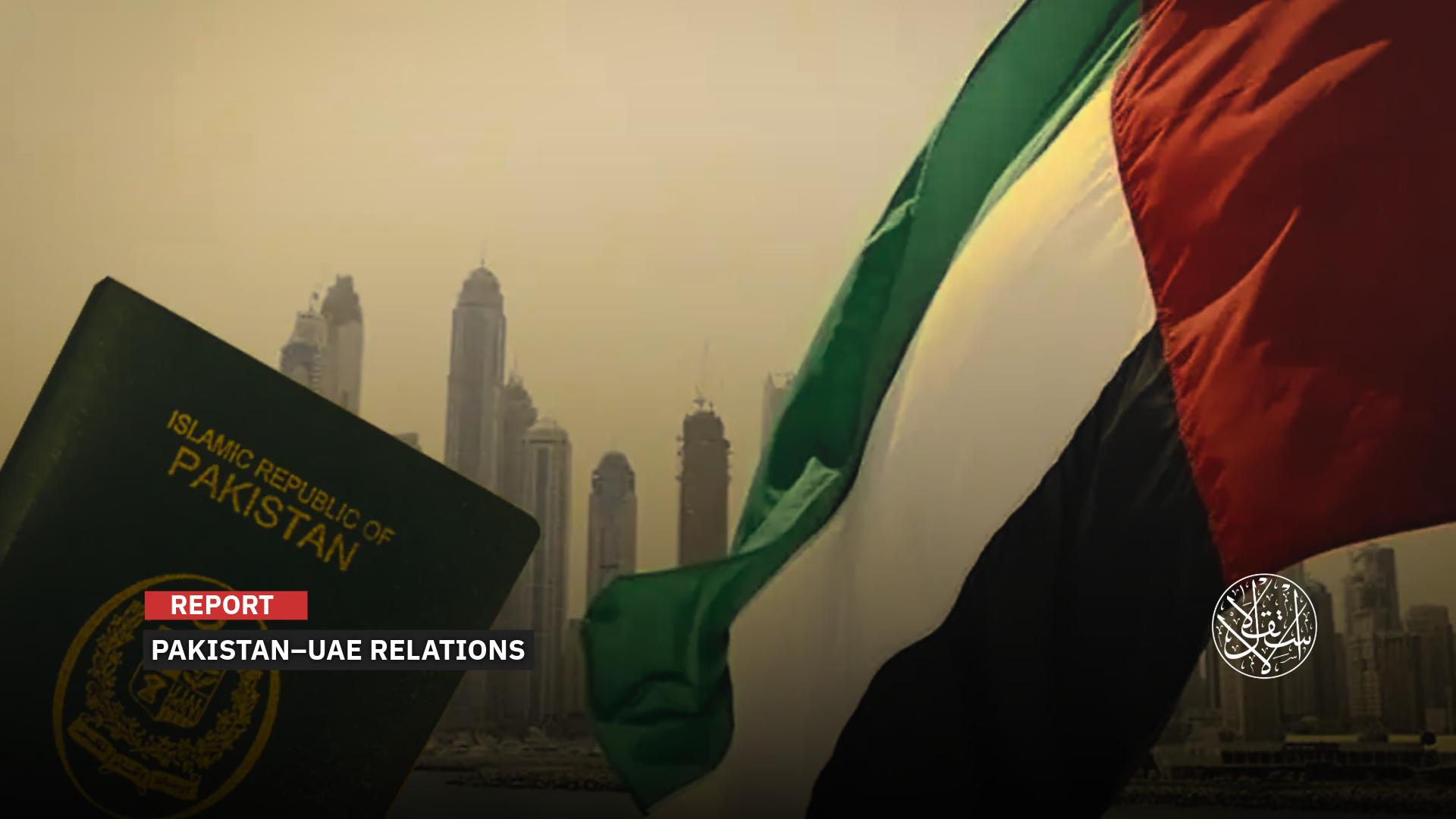
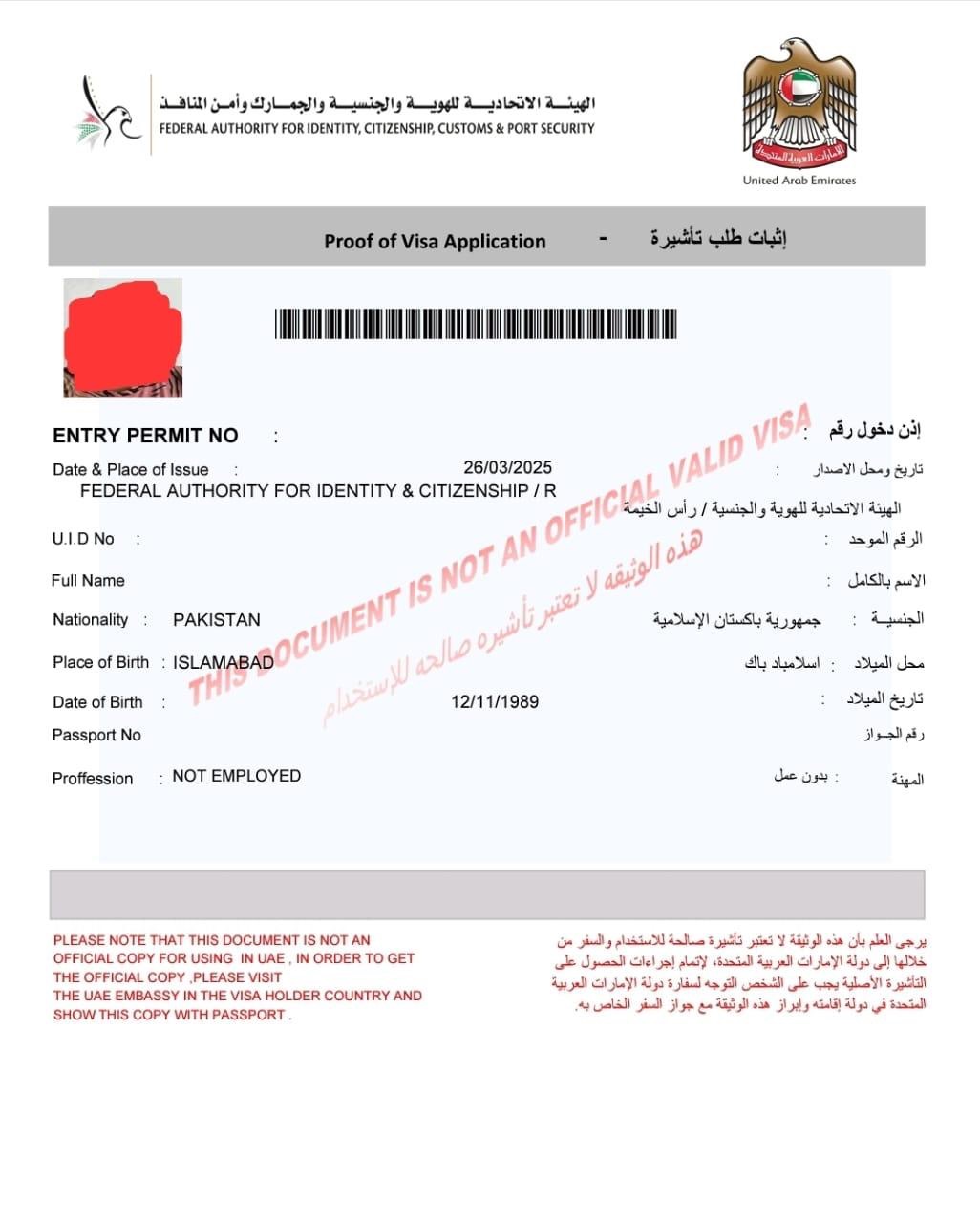
Amid the shock of travel agencies in Karachi, Lahore, and Islamabad, UAE visa rejection rates have reached nearly 80 percent.
For thousands of Pakistanis, the United Arab Emirates has long been a prime destination for work, migration, and family reunification. Now it suddenly feels like a door quietly swinging shut.
The UAE insists there is no official ban in place, yet the on-the-ground reality tells a very different story: mass visa rejections, sweeping pressure on residency permits, and procedures that are more tangled than at any point in recent memory.
This abrupt shift raises fundamental questions about whether the tightening is temporary or part of a broader redesign of the UAE’s foreign labor market. It also feeds speculation about political realignments driven by Abu Dhabi, especially as its strategic courtship with New Delhi, Pakistan’s longtime rival, accelerates.
Against this backdrop, Pakistanis are left grappling with a complicated question that blends politics, security, labor dynamics, and shifting regional alliances. Are these measures just a passing wave of bureaucratic caution, or the start of a new era in which Pakistani labor loses ground as the UAE’s foreign policy tilts more toward India than its former traditional partner, Pakistan?
For now, one thing is clear: the current crisis reflects a new reality inside the UAE, one where security calculations merge with strategic interests and where visas and residency permits become tools that mirror shifting power balances and evolving alliances.
Silent Squeeze
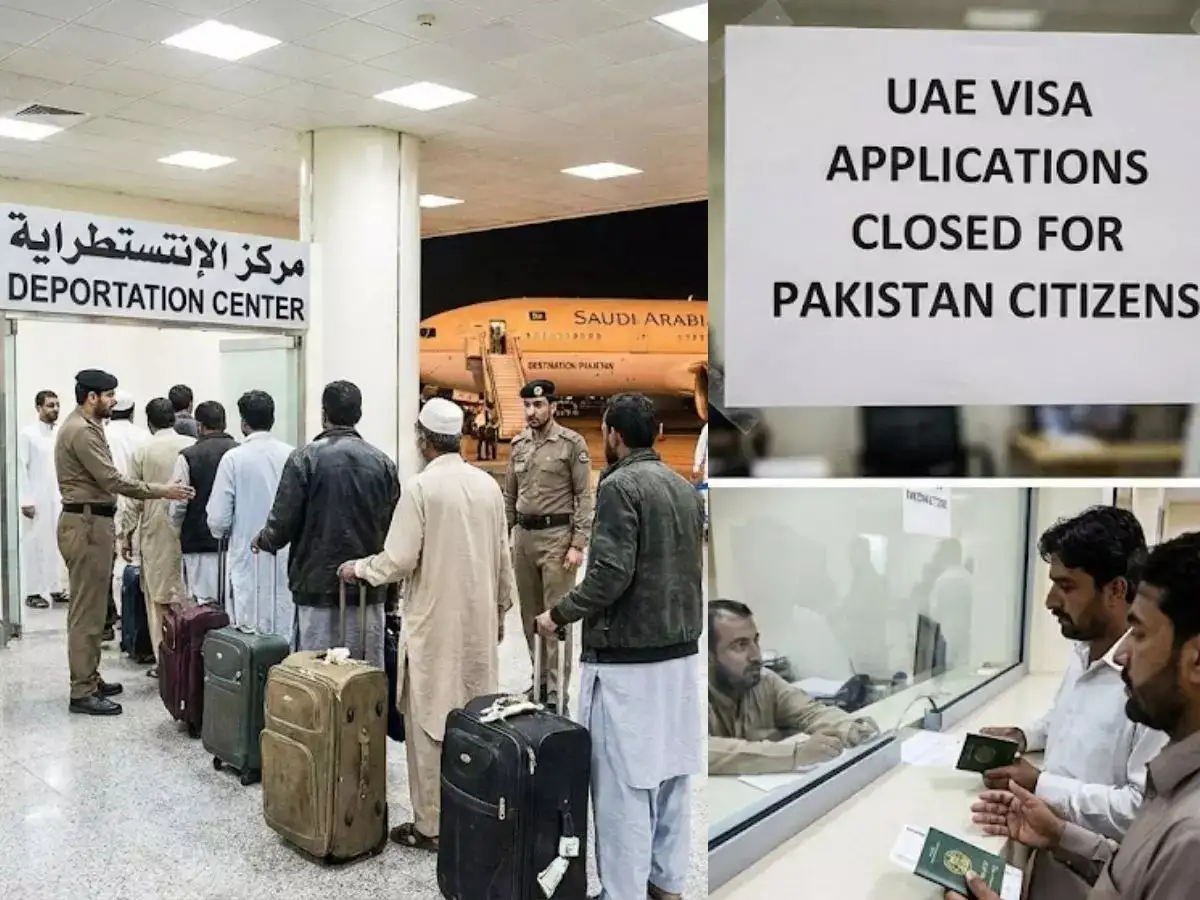
The story began to surface, according to the Pakistani outlets Dawn and Geo News, on November 18, 2025, when officials from Pakistan’s Interior Ministry delivered a striking briefing to the Senate Committee on Human Rights.
Salman Chaudhry, the ministry’s additional secretary, confirmed that the United Arab Emirates had begun granting visas only to holders of blue and diplomatic passports. Holders of green passports, who make up the overwhelming majority of Pakistanis, had become almost entirely shut out of obtaining any new type of visa.
Although Abu Dhabi has avoided acknowledging any formal decision, the signs on the ground have been clearer than any official statement. Travel agencies in Karachi, Lahore, and Islamabad reported rejection rates climbing to nearly 80 percent for first-time visit applications and single-entry visas, a surge that sent shockwaves through Pakistani circles.
The UAE Consulate in Karachi quickly denied the existence of a new policy. It attributed the unprecedented spike in rejections to an increase in applications, a justification that convinced few, especially as complaints mounted in recent months about more stringent vetting and expanded security checks.
Consistent Emirati sources, according to Geo News, attribute the tightening to security assessments and point to growing concern over Pakistani residents entering on visit visas and then becoming involved in begging networks or street crimes. Officials and diplomats in Islamabad argue that this explanation does not capture the full picture and that deeper political factors sit behind the security narrative.
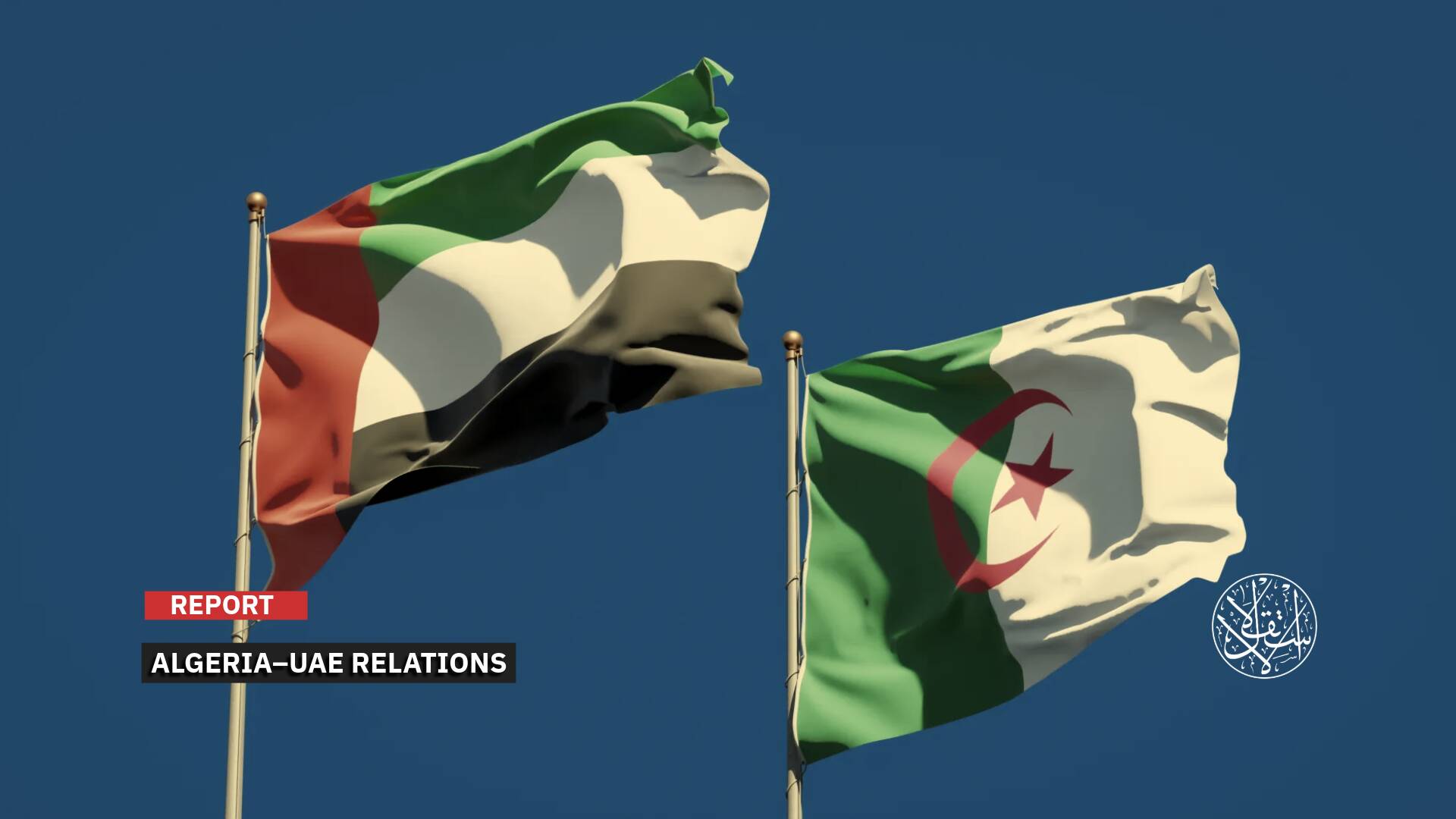
UAE-Pakistan relations have visibly cooled for years, while a remarkable surge has taken place in the strategic partnership between Abu Dhabi and New Delhi. A strong personal relationship between UAE President Mohammed bin Zayed and Indian Prime Minister Narendra Modi has become the foundation for a new regional direction that extends beyond economic coordination into security and politics.
This shift has been reflected in several areas, from military cooperation and intelligence coordination to positions on the Kashmir dispute. The UAE has refrained from supporting Pakistan’s stance and has instead moved to deepen its ties with India.
Observers argue that the quiet tightening on Pakistanis is not simply a reorganization of the labor market. They see it as a sign of a new balance of influence inside Abu Dhabi that clearly favors New Delhi at the expense of the longstanding position Pakistani workers have held in the Gulf.
The UAE remains one of the main destinations for Pakistani workers. More than 800,000 citizens apply for visas to Gulf countries each year, and the UAE accounts for the largest share. Any long-term restrictions would therefore leave deep marks on Pakistan’s economy, which relies heavily on remittances.
At a time when Pakistan is experiencing a severe economic crisis, remittances from overseas workers are one of the country’s most vital sources of foreign currency. They are also a lifeline for thousands of families that depend on employment opportunities in the UAE for their survival. Visits between relatives who have lived in the country for decades have also become an essential part of social ties within Pakistani communities in and outside the UAE.
Concern is now growing over whether this temporary tightening is the prelude to an entrenched policy. Pakistan’s Interior Ministry has warned that the situation could evolve into an explicit ban that would be difficult to reverse later.
Residency and Renewals
The issue is no longer limited to new visas. Numerous accounts indicate that the complications have also spread to residency and renewal procedures for Pakistani workers who already live in the United Arab Emirates. According to recruitment offices in Pakistan, workers’ files are now subject to far stricter scrutiny from UAE authorities, to the point where even a minor mistake in the paperwork can lead to the cancellation of residency or the refusal to renew it.
Recent informal reports speak of a noticeable rise in the number of residencies canceled for security reasons without sufficient explanation. This has raised fears that these measures could expand and affect wider segments of the Pakistani community.
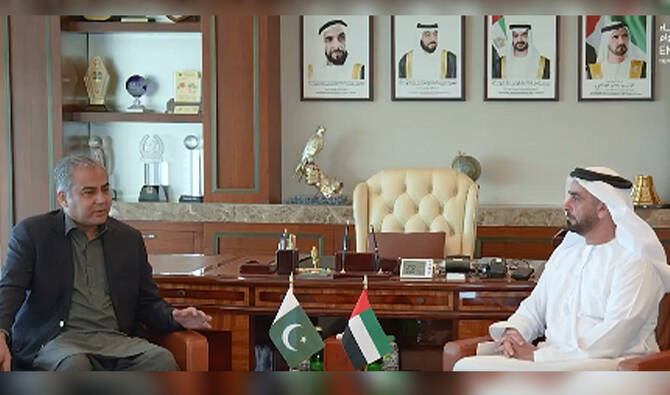
At the same time, the Pakistani government says it is holding quiet discussions with Abu Dhabi to address the situation. The absence of any timeline or clear indications of an imminent breakthrough, however, reinforces the sense that the issue goes beyond administrative glitches or short-term pressure. It appears that the UAE’s political repositioning in the region has begun to directly shape the movement of Pakistani residents, influencing the mobility of people before it shows up in policies and diplomacy.
UAE’s Approach to India
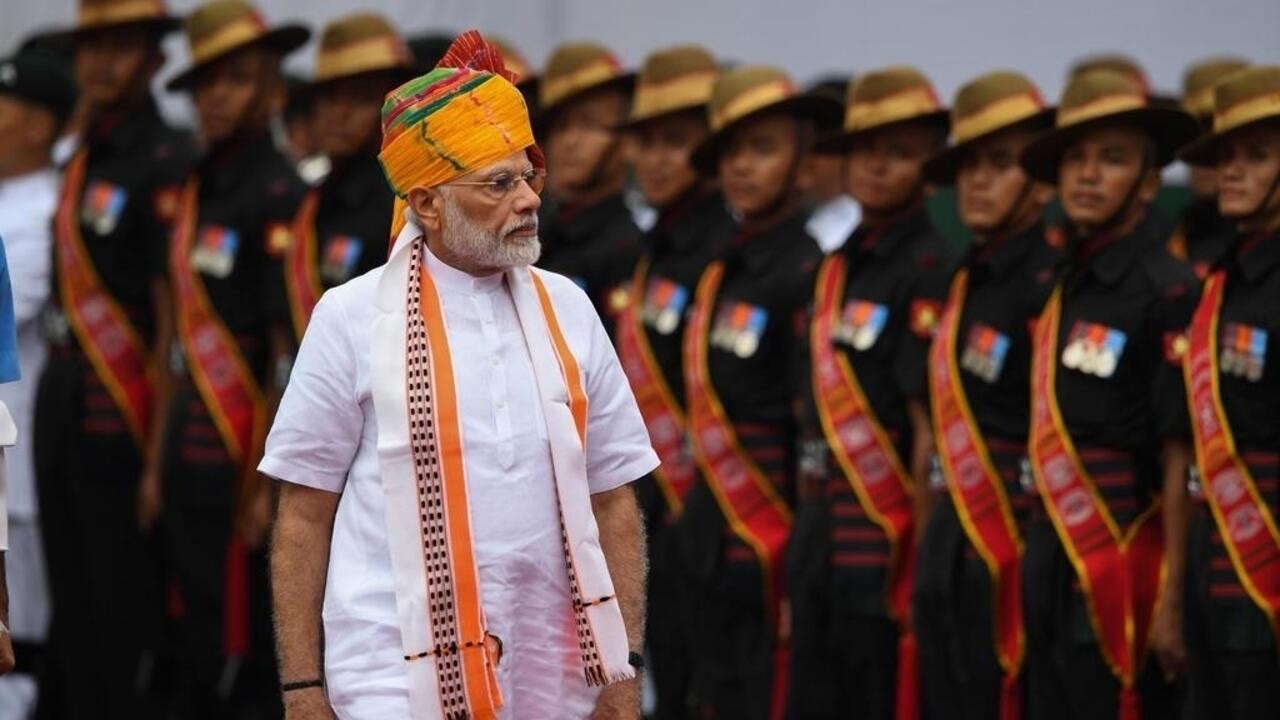
It has become clear that Abu Dhabi has chosen to move beyond many of the traditional calculations that once shaped its relationship with New Delhi, a contrast that stands out sharply when compared with its approach to Pakistan. This shift was on full display in 2019 when the United Arab Emirates inaugurated the first Hindu temple in the Gulf region. The ceremony in Abu Dhabi was held on a grand official scale and was attended by Indian Prime Minister Narendra Modi along with senior Indian officials, with Sheikh Mohammed bin Zayed, then crown prince, participating.
Indians are the largest expatriate community in the UAE. They account for about 35 percent of the population of roughly 10 million people, making it the largest Indian diaspora anywhere in the world. Their standing is anchored in significant economic ties. Bilateral trade between the two countries amounts to about 5 billion dollars, which made the UAE India’s third-largest trading partner in 2020 after the United States and China.
The UAE is also the third most important destination for Indian exports. New Delhi recorded exports worth nearly 16 billion dollars between 2020 and 2021. Key Indian goods exported to the UAE include petroleum products, precious metals, gemstones, jewelry, metal goods, as well as foodstuffs and textiles.
Strategically, the UAE and India are both members of the West Asia Quad, a grouping that also includes the United States and the Israeli Occupation. This reflects the depth of the partnership and the new alliances taking shape in the region.
A Haven for Extremists
UAE-India relations have not stopped at economics and trade. They have reached far more sensitive levels that intersect with the ideological and political dimensions of the Hindu nationalist party that governs in New Delhi.
In a development that caused widespread shock, the Indian outlet Coastal Digest reported on May 20, 2022, that the extremist Hindu organization RSS was considering strengthening its presence in the United Arab Emirates and in other Gulf states.
According to the report, recent developments indicate that the group, which adheres to the Hindutva ideology, is working to expand its footprint inside the UAE, where a significant number of sympathizers can be found among members of the Indian expatriate community.
The outlet also noted that the organization’s chief, Mohan Bhagwat, had held a series of meetings with prominent Indian businessmen in the UAE in order to mobilize financial and organizational support that could bolster the group’s activities and its reach in the Gulf region.
It added that dozens of Indian businessmen, including B. R. Shetty, the chief executive of the NMC group based in the UAE, took part in a meeting held on the sidelines of an event promoting the Hindutva ideology near the city of Kochi in the Indian state of Kerala.
The report stated that the “historic visit” made by Indian Prime Minister Narendra Modi to Abu Dhabi in 2018 marked a significant turning point. It encouraged RSS sympathizers in the Middle East to strengthen their presence and deepened their alignment with the structures of the extremist organization.
Pakistani commentators argue that Emirati leaders now appear to be moving along a clear path toward deepening ties with the Bharatiya Janata Party led by Modi, a party that promotes the Hindutva ideology and supports the RSS, in ways that negatively affect Muslims and the historic relationship with Pakistan.
Sources
- Is the UAE quietly blocking visas for Pakistani citizens?
- UAE not issuing visas to Pakistanis, Senate panel told
- UAE not issuing visas to Pakistanis, interior ministry official tells Senate body
- UAE Suspends Visa Issuance for Most Pakistanis Amid Security Concerns
- UAE Halts Visas For Pakistanis Amid Rising Cases Of Begging And Crime