Despite Signs of Rapprochement Between the Two Countries, Why Is Egypt Hesitant About Syria’s New Ambassador?
There is an Egyptian position primarily linked to the Syrian revolution and its success.
Despite growing signs of Egyptian–Syrian rapprochement following the fall of Bashar al-Assad’s regime in late 2024, Cairo continues to approach the rebuilding of relations with Damascus cautiously.
In recent months, ties between the two countries have seen increasing political and economic activity, including exchanges of official visits and meetings, as well as the opening of cooperation channels in energy, trade, and investment, as Syria’s new government seeks to break its regional isolation and reposition itself in the Arab world.
Despite these developments, the transition from political rapprochement to fully established diplomatic and institutional relations still faces complex challenges and calculations.
Egypt is closely monitoring internal changes in Syria and is addressing issues related to security, stability, and reconstruction through a gradual approach, avoiding hasty steps that could be difficult to reverse later.
In this context, the issue of appointing a Syrian ambassador to Cairo has emerged as an important test of mutual trust between the two sides and their readiness to move relations toward a more solid phase.
It also reflects the broader political and diplomatic balances shaping relations between the two countries during a rapidly changing regional landscape marked by the reshaping of Arab alliances and alignments.
Politically Cautious
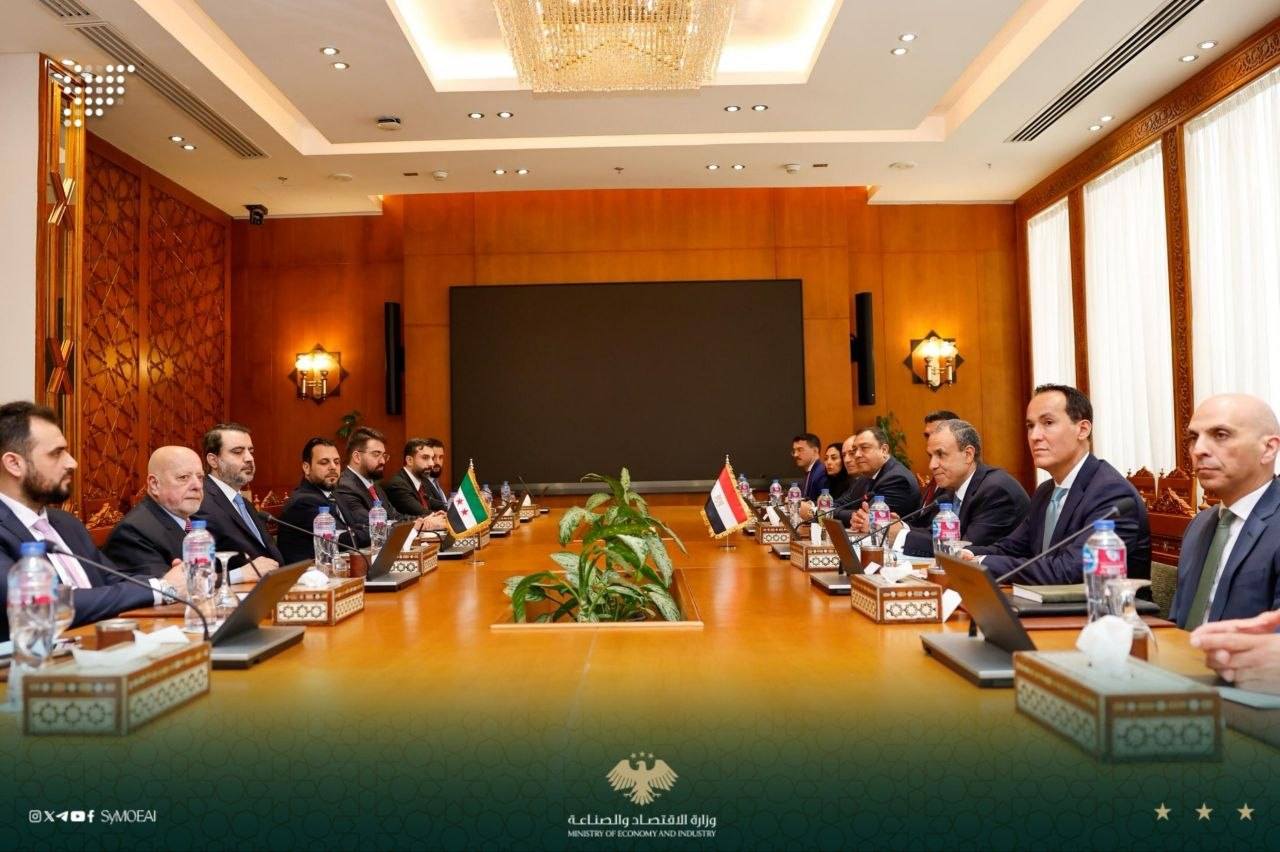
The trajectory of restoring Egyptian–Syrian relations after the fall of Bashar al-Assad remains shaped by political and security calculations that go beyond traditional diplomacy, despite growing signals of mutual interest in strengthening cooperation and opening a new chapter in bilateral ties.
In this context, Asharq al-Awsat reported in early June 2026 that Egypt has reservations about several members of the Syrian diplomatic delegation proposed for postings in Cairo, which has delayed the completion of their accreditation procedures, including Syrian ambassador-designate Muhammad Taha al-Ahmad.
Al-Ahmad serves as Director of the Arab Affairs Department at the Syrian Ministry of Foreign Affairs and previously headed the Higher Committee for the Syrian parliamentary elections formed by President Ahmed al-Sharaa in June 2025.
He holds academic qualifications from Syrian and Egyptian universities, including a master’s degree from Cairo University, and previously held ministerial positions in the “Salvation Government” that administered areas controlled by Hay’at Tahrir al-Sham in Idlib before the fall of the former regime.
According to a source familiar with Egyptian–Syrian relations cited by the newspaper, Damascus nominated al-Ahmad for the ambassadorial post in Cairo during a phase of relative political stability, but Egyptian authorities have expressed unofficial reservations about the nomination due to his political background, without issuing a formal rejection.
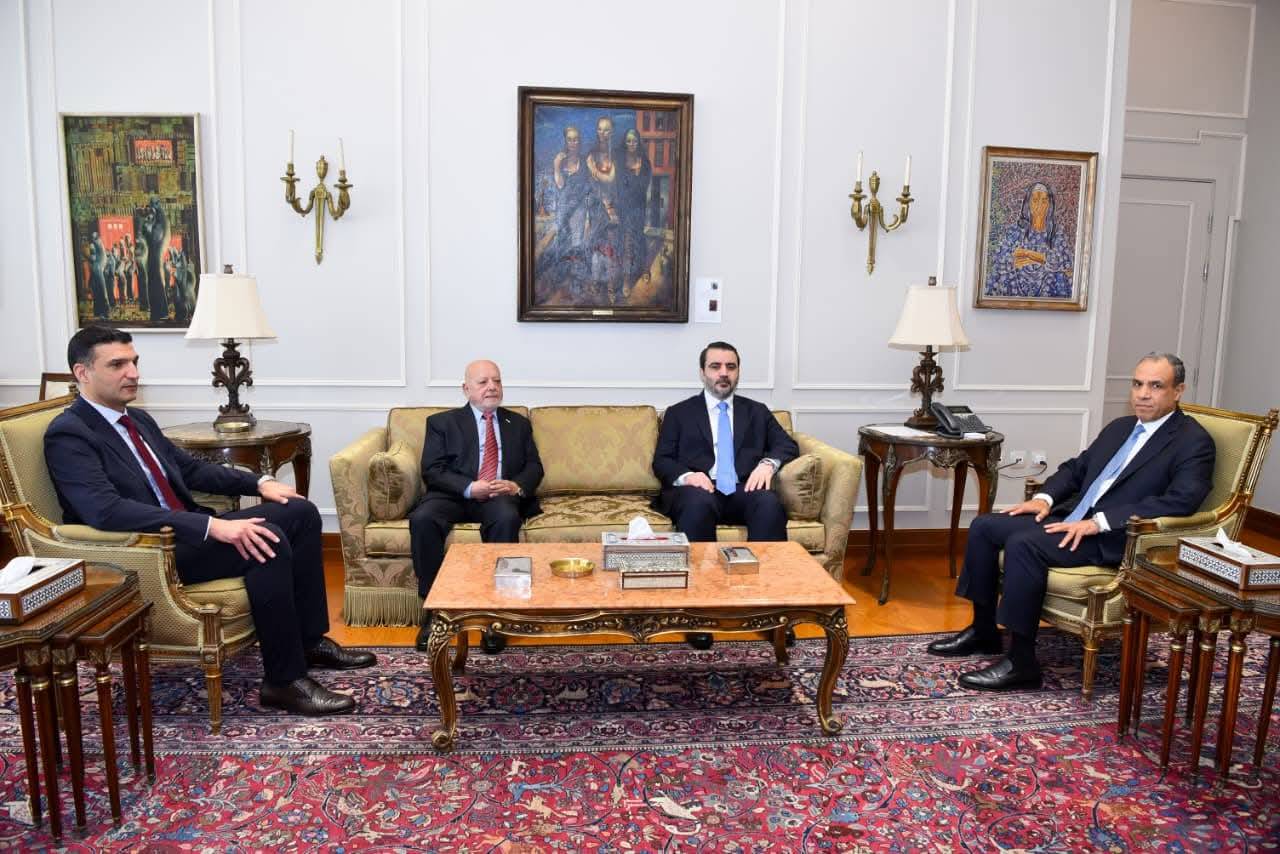
The same source noted that Syria’s insistence on the nominee has complicated some procedures related to organizing the Syrian diplomatic mission in Cairo, despite al-Ahmad’s participation in the official delegation accompanying Syrian Foreign Minister Asaad al-Shibani during his visit to Egypt in May 2026, where he followed up on several bilateral issues.
These developments reflect the current nature of Egyptian–Syrian relations, which combine gradual openness with political caution. Unlike some Arab countries that have moved quickly to build broad political and economic partnerships with Syria’s new leadership, Egypt appears more inclined toward gradual engagement and testing Damascus’ positions before advancing to deeper levels of coordination.
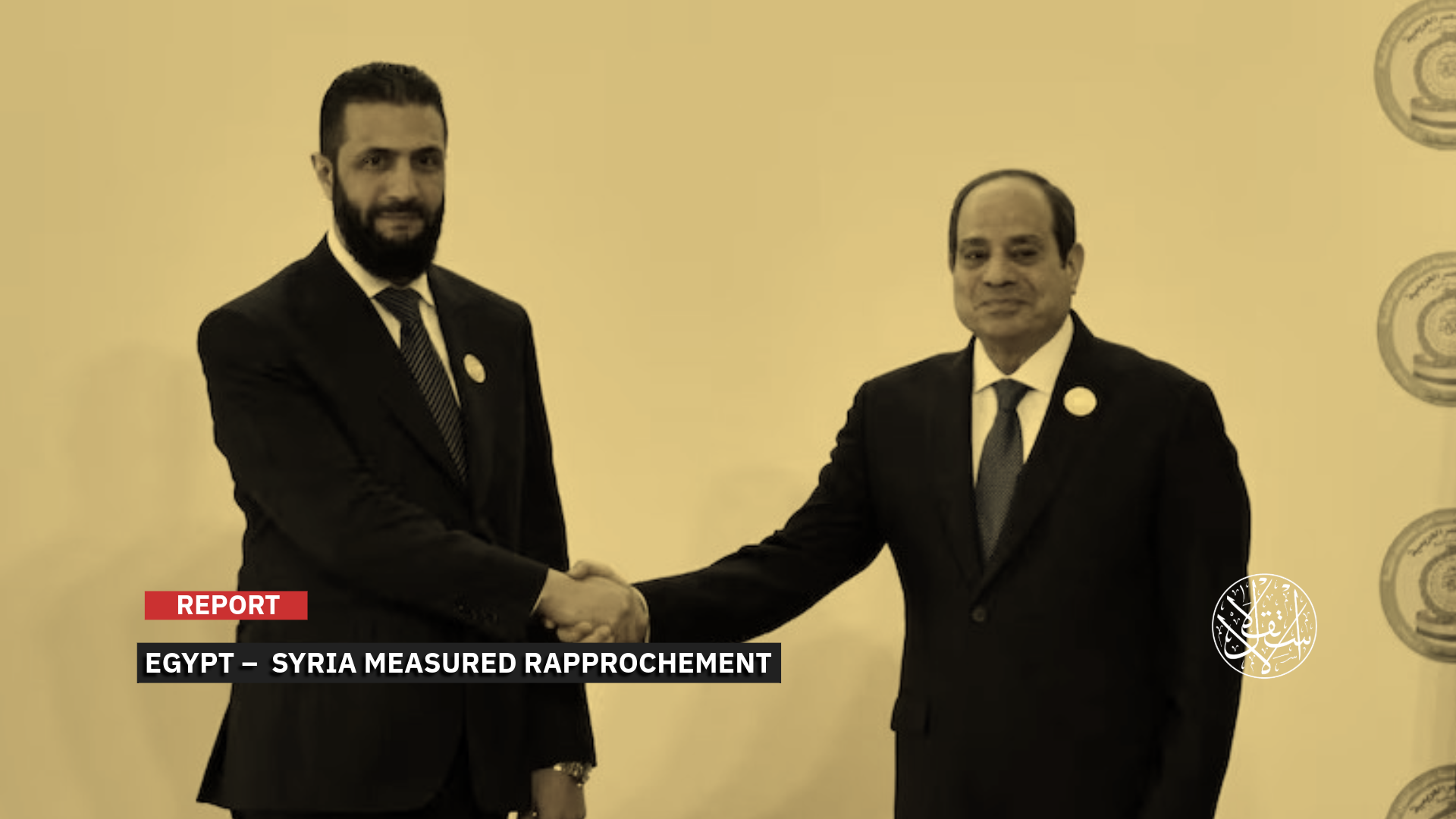
Nevertheless, recent months have seen clear signs of both sides seeking to break the stalemate. In May 2026, Syrian Foreign Minister Asaad al-Shibani paid an official visit to Cairo leading a high-level delegation, seen as an attempt to push relations toward a more advanced stage.
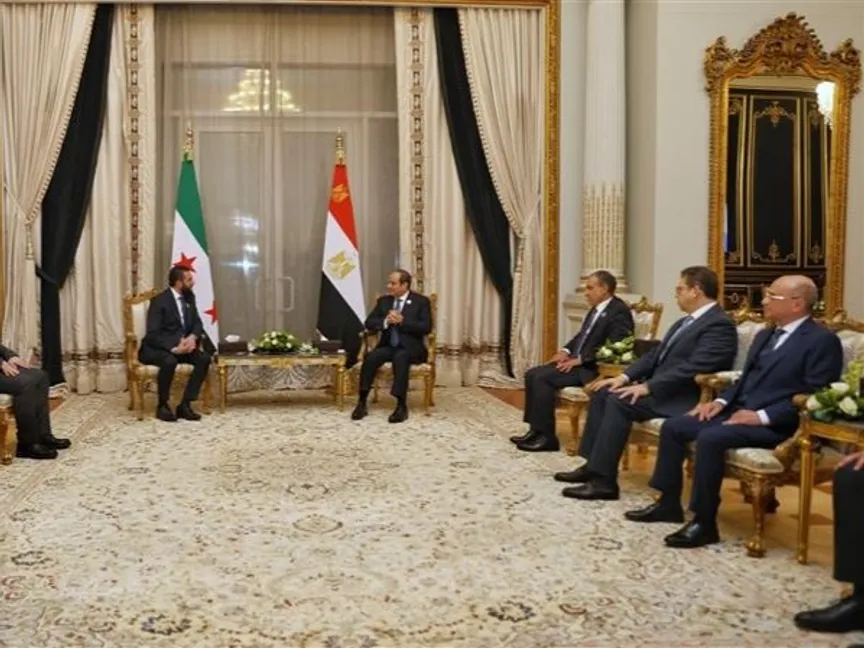
This was preceded by a meeting between Egyptian President Abdel Fattah el-Sisi and Syrian President Ahmed al-Sharaa on the sidelines of the Arab–European consultative summit in Cyprus in late April 2026, where media reports described a positive atmosphere and cordial exchange, fueling speculation about a possible diplomatic breakthrough.
However, this political rapprochement has not fully translated into diplomatic representation, raising questions about Cairo’s readiness to move from cautious observation to deeper engagement with Syria’s new administration.
By contrast, economic cooperation appears to be progressing more rapidly than the political track. An Egyptian delegation led by Ahmed el-Wakil, head of the Federation of Egyptian Chambers of Commerce, participated in the Syrian–Egyptian Economic Forum in Damascus in January 2026, signaling growing interest in revitalizing trade and investment ties.
The energy sector has also seen concrete steps, including an agreement to supply Egyptian natural gas to Syria, as well as two memoranda of understanding between the energy ministries of both countries covering cooperation in gas, petroleum products, and infrastructure rehabilitation, reflecting mutual economic interests that continue to advance despite ongoing political reservations.
Egyptian Reservations
Despite the political and economic momentum in Egyptian–Syrian relations over recent months, observers argue that Egypt’s reservations over the approval of the new Syrian ambassador cannot be understood as a mere procedural dispute or personal objection to the nominee, but rather reflect a broader Egyptian approach toward the transformations in Syria following the fall of Bashar al-Assad’s regime and their regional implications.
In this context, academic, writer, and political analyst Ahmed al-Hawas told Al-Estiklal that “the Egyptian position is not related to the ambassador himself or whether he is replaced or accepted, but is primarily linked to the stance on the Syrian revolution in general and the fall of Bashar al-Assad’s regime.”
He added that the current Egyptian system, according to this view, emerged in a context that opposed democratic change processes in the region, which explains part of its reservations toward the political transformations brought about by the Syrian revolution.
Al-Hawas explained that Egyptian President Abdel Fattah el-Sisi has, over recent years, consistently addressed Egyptian public opinion by warning against repeating scenarios of chaos and state collapse seen in countries such as Syria and Iraq, arguing that this discourse used Syria as a negative example to justify policies of stability and resistance to internal calls for change.
He added that emerging signs of improvement in the new Syria, whether through reconstruction plans, economic reforms, or efforts to restore state institutions, could weaken this narrative by presenting an alternative model to what had been promoted in previous years.
According to al-Hawas, the success of any political experience emerging from popular will could reinforce the belief that peoples are capable of rebuilding their states and achieving stability without authoritarian systems.
He argued that the core issue is not the name or background of the ambassador, but rather the nature of the relationship Cairo seeks to establish with the new Syria.
He said the Egyptian state had preferred the continuation of the al-Assad regime and the previous balance of power, and therefore does not fully welcome the success of the new political experiment in Damascus or its growing openness to the Arab and international environment.
He also noted that Egypt’s position has, in his view, been reflected in certain measures concerning Syrians residing in Egypt, pointing to stricter regulations introduced after the fall of the al-Assad regime, following a previous period of more relaxed entry and residency policies for Syrians.
While Cairo continues to maintain political and economic channels of communication with Damascus, these reservations reflect an ongoing state of caution and anticipation in dealing with the new Syrian landscape, making full normalization between the two countries dependent on future developments and on both sides’ ability to overcome the political considerations that continue to shape bilateral relations.
Challenges of Rapprochement
Observers believe that any Egyptian move toward upgrading diplomatic representation with Damascus will not rely solely on procedural or direct political considerations, but will remain tied to Cairo’s assessment of internal developments in Syria, and the ability of the new administration to consolidate stability, build effective state institutions, and extend full control over Syrian territory.
In this context, several security-related issues remain central to Egyptian decision-making, most notably the challenge of asserting state authority across different Syrian regions, addressing armed groups operating outside official institutions, and dealing with the difficulties of rebuilding security, administrative, and economic structures after years of conflict.
For this reason, experts argue that moving to a higher level of diplomatic relations between Cairo and Damascus will remain conditional on tangible progress in security, stability, state-building, and the strengthening of official institutions.
Egypt is also closely monitoring the ability of Syria’s new administration to manage the complex economic and security challenges left by years of war, and its success in achieving internal stability and creating conditions conducive to reconstruction and economic recovery.
From this perspective, Egypt’s current reservations do not appear to reflect rejection of engagement with Damascus, but rather a desire to wait for greater clarity regarding the nature of the new political system and its long-term capacity to ensure stability.
Accordingly, relations between the two countries are likely to remain governed in the coming period by a gradual and cautious approach, in which Egypt’s level of engagement increases in parallel with Syria’s progress in consolidating state authority and strengthening its sovereign and security institutions.
This approach aligns with Egypt’s official positions expressed in recent months. During his meeting with Syrian Foreign Minister Asaad al-Shibani in Cairo on May 3, 2026, Egyptian Foreign Minister Badr Abdel-Aaty emphasized the importance of preserving Syrian national state institutions, combating terrorism and extremism in all its forms, and addressing the issue of foreign fighters, while rejecting any external interference in Syrian affairs.
He also reaffirmed Egypt’s support for the aspirations of the Syrian people and its full respect for Syria’s sovereignty, unity, stability, and territorial integrity, reflecting Cairo’s effort to balance openness toward Damascus with its traditional security and political considerations.
Sources
- “Egyptian Reservations” Over Syria’s New Ambassador Hinder the Formation of the Diplomatic Mission [Arabic]
- Syrian Foreign Minister Visits Cairo Leading a High-Level Delegation [Arabic]
- Foreign Minister Discusses Bilateral Relations with His Syrian Counterpart and Affirms Egypt’s Support for Syria’s Sovereignty [Arabic]
- Egyptian Delegation Visits Damascus to Participate in an Economic Forum, Bringing Together Chamber of Commerce Leaders [Arabic]