Amman–Sana’a Flights: What’s Behind Saudi Arabia’s Welcome and the Houthis’ Rejection?
The Houthis described Jordan's initiative as 'trivial political point-scoring' during a sensitive period.
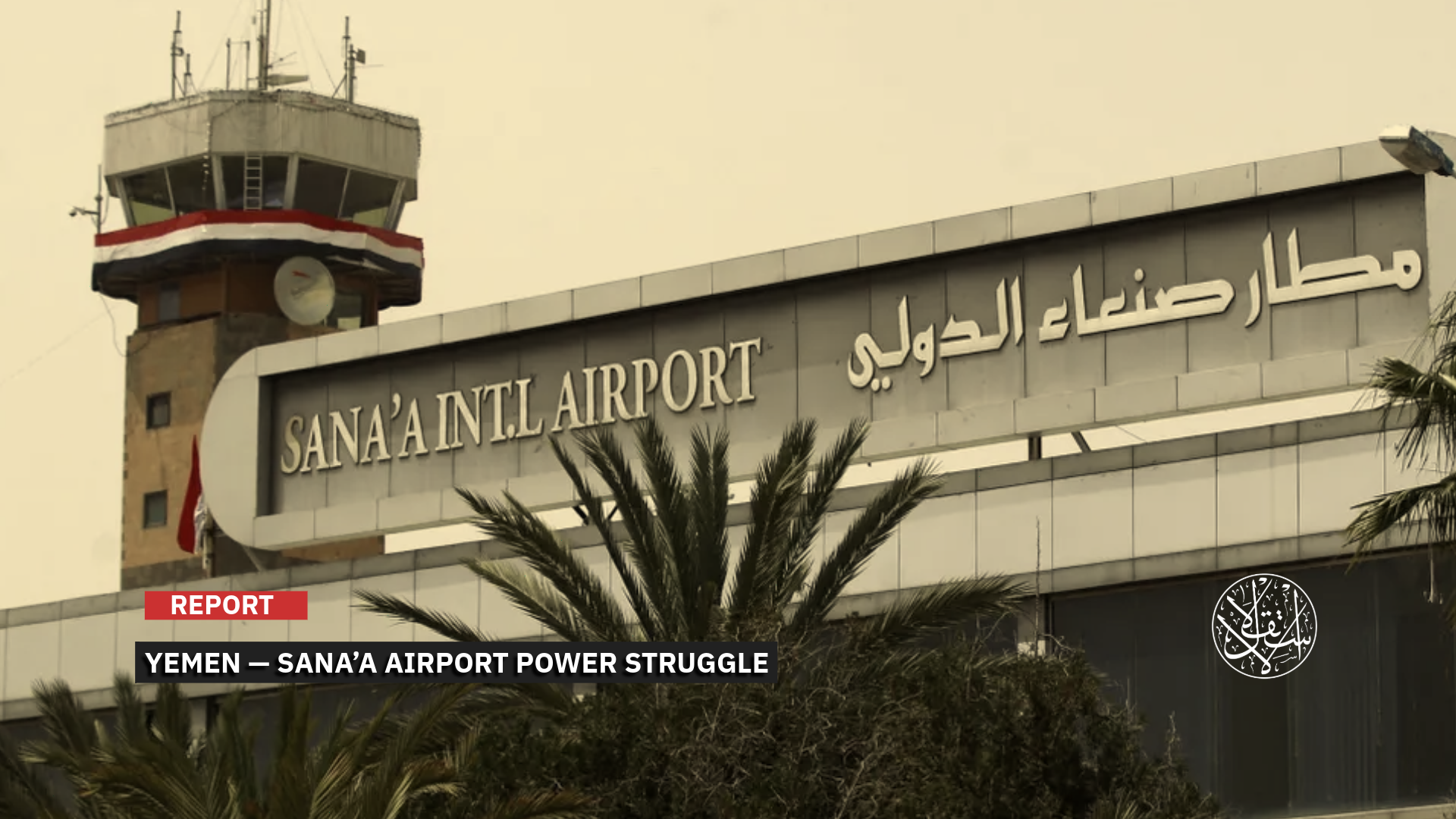
Jordan's initiative to launch regular flights from Amman to Sana'a has raised several questions about the significance of the move, particularly following the recent escalation in Yemen.
The tensions were triggered by the Saudi Arabia-led Arab coalition's strike on Sana'a International Airport, followed by the Houthis' retaliatory attack targeting Abha International Airport.
On July 13, 2026, Yemen's Ministry of Defense announced that it had targeted the runway of Sana'a International Airport to prevent an Iranian aircraft from landing.
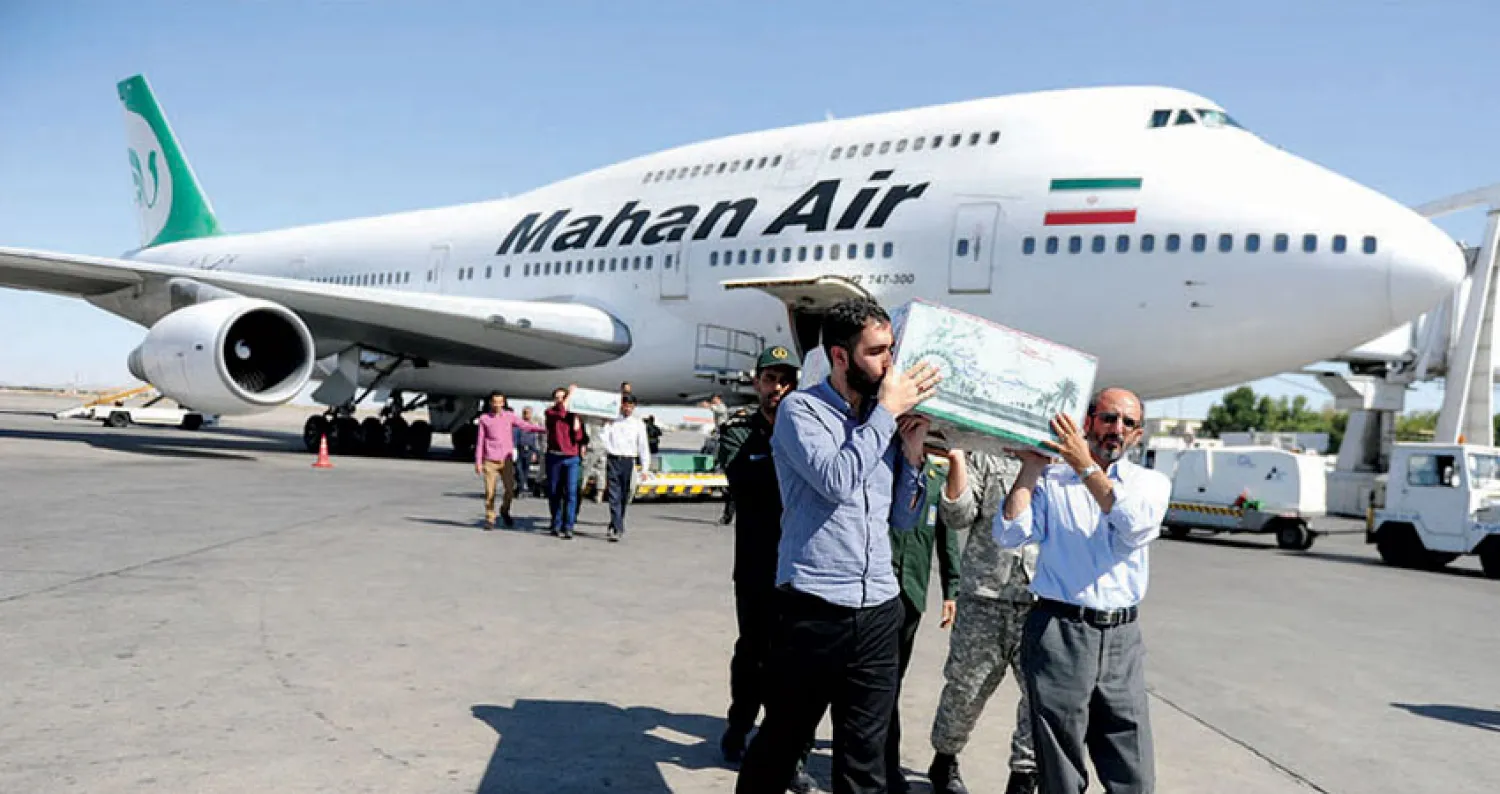
Meanwhile, Iran's Fars News Agency reported that a Mahan Air plane carrying a Houthi delegation returning from Iran was diverted to al Hudaydah Airport in western Yemen after the attack on Sana'a Airport.
The Chairman of Yemen's Presidential Leadership Council, Rashad al-Alimi, stated that "the Houthi militia insisted on proceeding with the reception of a new Iranian flight outside the legal and sovereign frameworks governing civil aviation operations," according to the state-run Yemen News Agency (SABA) on July 14.
Jordan’s Initiative
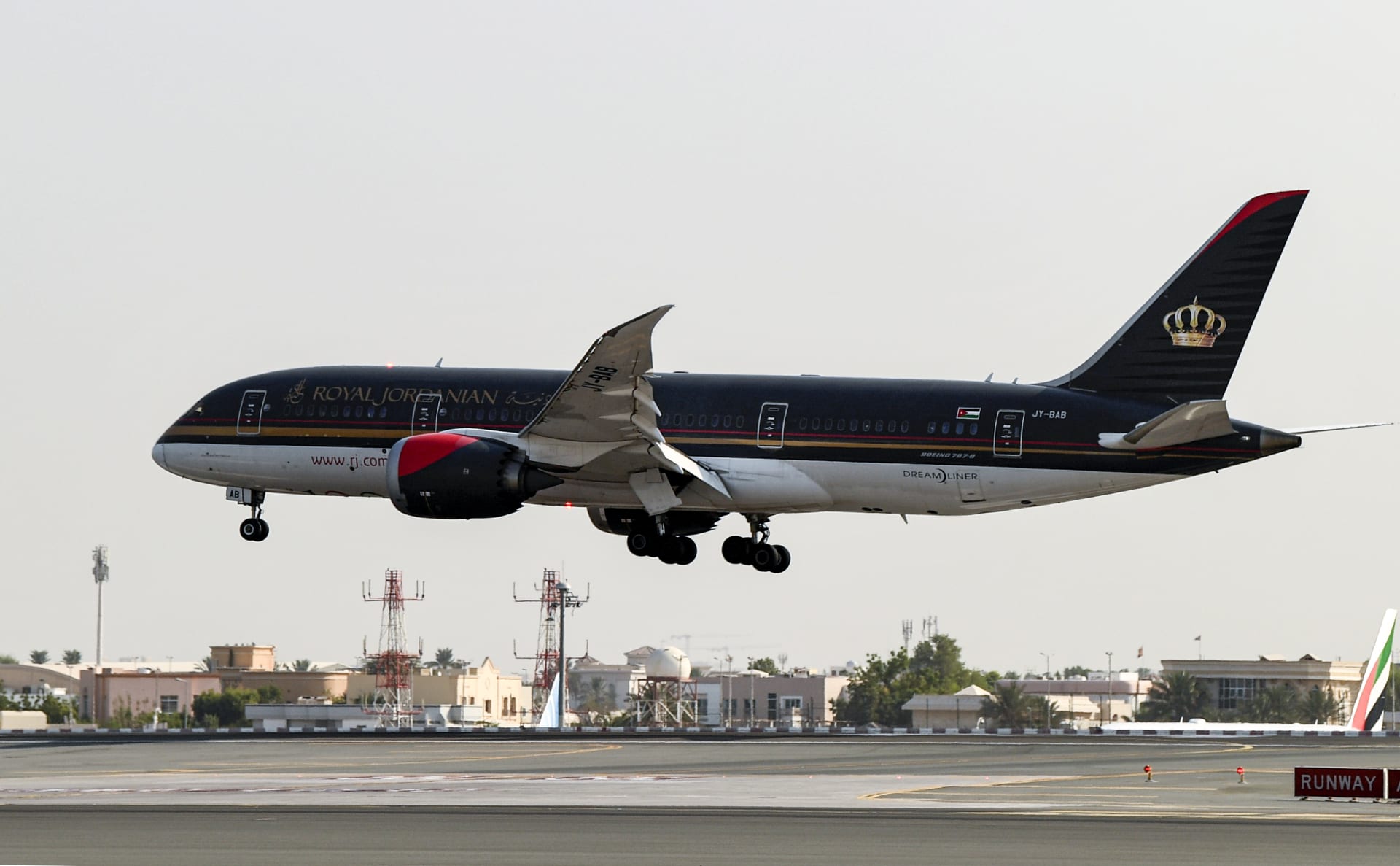
Against this backdrop, on July 17, Jordan's Ministry of Foreign Affairs and Expatriates announced that Royal Jordanian Airlines would launch an initiative to operate regular flights between Amman and Sana'a.
In a statement, the Jordanian Foreign Ministry said the initiative was launched "in response to the humanitarian needs of our brothers in the sisterly Republic of Yemen, in support of the efforts of the sisterly Kingdom of Saudi Arabia to advance the peace process in Yemen, and in implementation of previous understandings regarding the operation of commercial flights between Jordan and Yemen," according to the Jordan News Agency (Petra).
The ministry added that technical and logistical arrangements would be completed to begin operating the flights.
The Yemeni government welcomed Jordan's humanitarian initiative, expressing its deep appreciation for Jordan's longstanding support for Yemen over the past decades, according to the state-run SABA News Agency.
The government affirmed its full commitment to providing all necessary facilitation measures to ensure the success of the initiative, "stemming from its responsibility toward citizens and its conviction that protecting the interests of Yemenis and alleviating their suffering is a supreme national priority, inseparable from its constitutional duty to safeguard national sovereignty."
It stressed that "this initiative is fully consistent with the proposals previously put forward by the Yemeni state to operate Sana'a International Airport in a legal and secure manner through the national carrier, Yemenia Airways, to any destination agreed upon, in a way that serves all citizens without discrimination while preserving the country's sovereignty."
The Yemeni government also reiterated that "the Houthi militia has been responsible for obstructing and undermining all initiatives aimed at enabling the national carrier, Yemenia Airways, to operate. It is now obliged to abandon this destructive approach and release the company's funds and assets that it continues to hold."
On the same day, Saudi Arabia's Ministry of Foreign Affairs welcomed the initiative announced by Jordan's Foreign Ministry to operate regular commercial flights between Amman and Sana'a, saying it would help meet the humanitarian needs of the Yemeni people and facilitate civilian travel.
In a statement, the ministry said the Kingdom welcomed the Yemeni government's approval of the initiative, describing it as a positive step that reflects its commitment to facilitating measures that serve Yemeni citizens and support efforts to alleviate humanitarian suffering, according to the Saudi Press Agency (SPA).
The Saudi Foreign Ministry also called on the Houthis to engage positively with the initiative instead of repeating previous decisions that had increased the suffering of the Yemeni people, and to refrain from any practices or escalatory measures that would drag Yemen and its people into further hardship.
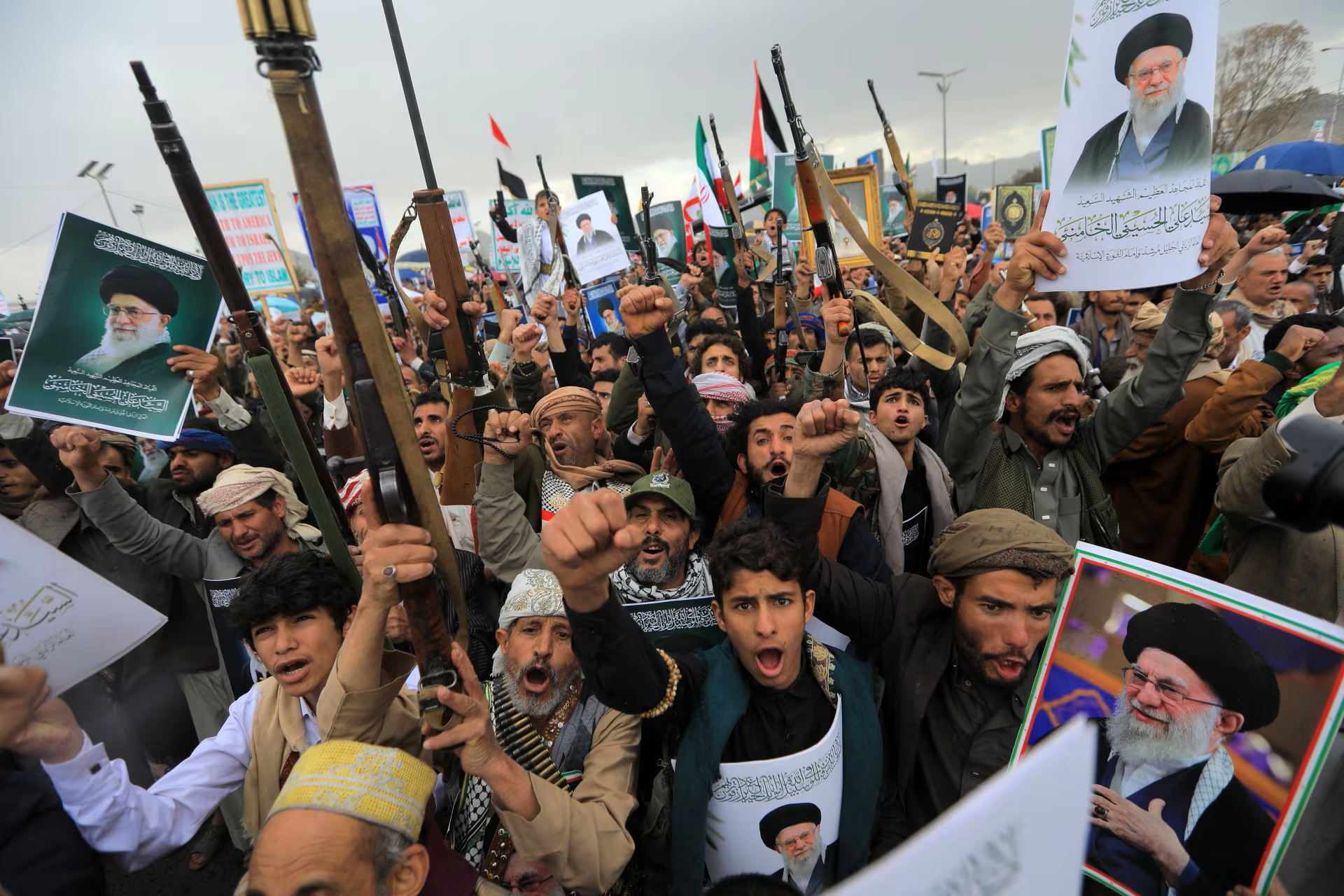
The Houthi movement, however, rejected Jordan's initiative. Abdulwahid Abu Ras, Deputy Foreign Minister in the Houthi administration (which is not internationally recognized), said that announcements by some airlines about resuming flights to Sana'a Airport were their own concern and amounted to "petty grandstanding at a sensitive time."
Abu Ras said the movement had decided to "secure all of its rights, not just the resumption of air flights, and without begging anyone for them," according to the Houthi-affiliated SABA News Agency.
Multiple Implications
Regarding the Jordanian initiative, its timing, and the reasons behind the Houthis’ rejection of it, Yemeni writer and political analyst Ahmed al-Zurqa said that "the initiative carries two interconnected dimensions: the first is humanitarian, involving the easing of civilians’ suffering and the resumption of travel, while the second is political and security-related, linked to managing the repercussions of the Mahan aircraft crisis."
In remarks to Al-Estiklal, al-Zurqa added that "it is difficult to view the initiative as a purely Jordanian move separate from the regional context. It came within the framework of coordination with Saudi Arabia and the Yemeni government, after the Iranian aircraft crisis became a point of tension that threatened to reopen a direct confrontation between the Houthis and Riyadh."
He noted that "Saudi Arabia needed a way out that would achieve a delicate balance: maintaining humanitarian flights on one hand, while preventing the establishment of a direct air corridor between Sana'a and Tehran on the other."
Al-Zurqa said that "Jordan’s choice was not accidental. Amman has close political and strategic relations with Saudi Arabia, and in recent years it has developed an institutional role in the Yemeni file. It has also hosted rounds of prisoner-exchange negotiations between the Yemeni government and the Houthis, giving it a position that enables it to take action."
He stressed that "the timing of the initiative cannot be separated from the Mahan crisis. After the Iranian aircraft was prevented from landing, followed by the targeting of Sana'a Airport’s runway, and then the Houthi response through missile and drone attacks toward Saudi Arabia, the crisis became at risk of shifting from a dispute over an air flight into an open regional confrontation."
He pointed out that "Saudi Arabia’s welcome of the initiative reflects several overlapping calculations. First, it removes from the Houthis one of their most important propaganda tools, namely accusing Riyadh of closing Sana'a Airport and preventing civilians from traveling. With regular flights operating through Jordan, it becomes easier for Saudi Arabia to argue that its objection is not to the operation of the airport itself, but rather to Iranian flights that are not coordinated with the Yemeni government."
He continued, "Second, the initiative serves a security objective by reorganizing air traffic within a framework subject to internationally recognized procedures, reducing the possibility of using the airport to strengthen the military or logistical ties between the Houthis and Iran."
As for the third consideration, according to the writer, "Riyadh appears interested in expanding channels of communication regarding the Yemen issue. For years, it has relied heavily on Omani mediation in its contacts with the Houthis, but bringing Jordan into this file could open an additional Arab channel, even if limited to humanitarian and technical matters. This would give Saudi Arabia greater flexibility in managing the crisis and reduce its dependence on a single mediator."
In contrast, the Houthi rejection is not solely because the initiative fails to meet their humanitarian demands, but also because it does not fulfill the political, security, and economic objectives the group seeks, according to al-Zurqa.
He explained that "the Houthi movement was not only defending an air route with Iran, but also the image it has created of itself as a force capable of imposing its will. The higher the level of threats, the narrower the room for political maneuvering becomes, because any later concession would require justifications that preserve its image of strength among its supporters."
New Power Dynamics
Yemeni journalist Adnan al-Gabarni, who specializes in military affairs and Houthi-related issues, said that "the legitimate government does not object to the resumption of flights to and from Sana'a Airport through Yemenia Airways, under agreed arrangements, while the Houthis insist that the airport be reopened through Iranian airlines and the Sana'a–Tehran route."
In a post on X on July 13, al-Gabarni added that "the most important key point is that the group’s objective is not merely to reopen the airport, facilitate citizens’ travel, or even implement the commitments of the roadmap. Rather, the Houthis have come to believe that this is the right moment to impose new equations in the region, which is a broader objective of the entire axis."
He continued, "Therefore, the Houthis are using the airport issue as a pretext in this unusual manner. But even if approval were granted for the Sana'a–Tehran route, for example, and negotiations over the roadmap resumed, Abdulmalik (the Houthi group’s leader) would find another justification to continue escalation and the war."
Researcher Maysaa Shujaa al-Deen from the Sana’a Center for Strategic Studies said that "although the recent escalation in Yemen was triggered by the arrival of two unauthorized Iranian aircraft at airports controlled by the Houthis, the real catalyst behind this escalation lies in the memorandum of understanding signed between the United States and Iran on June 18, as well as in the broader regional context."
In a policy analysis published by the center on July 17, the researcher added that "since the signing of the memorandum, Houthi media outlets have intensified their anti-Saudi rhetoric, demanding the immediate implementation of the roadmap and the fulfillment of the political and financial concessions the group expects to obtain from Riyadh."
According to Shujaa al-Deen, Iran and its allies view the memorandum of understanding as a decisive political victory, as its first provision addressed one of Tehran’s key demands by explicitly linking a bilateral ceasefire between the United States and Iran with a halt to military operations in Lebanon.
As a result, Shujaa al-Deen believes that the Iranian slogan of "unity of fronts", which emphasizes solidarity and mutual defense among members of the axis, has gained greater recognition, even from its opponents.
She noted that, based on this perceived achievement, the Houthis sought to capitalize on the momentum to strengthen their political influence, both domestically and regionally.
She added that the escalation also serves as an effective tool for mobilizing internal support and diverting attention from tribal unrest in al Jawf province and growing public anger over economic deterioration in areas under their control.
On July 18, the internationally recognized Yemeni government announced that it had prevented an Iranian Mahan Air aircraft from continuing its flight to the capital, Sana'a, which is controlled by the Ansar Allah (Houthi) movement. The government said the aircraft had not obtained the required official permits to enter Yemeni airspace.
Yemen’s Transport Minister Mohsen al-Omari said in remarks to state television that civil aviation authorities had ordered the aircraft to return because the flight had not followed the approved channels and legal procedures required by the General Authority of Civil Aviation and Meteorology in Aden.
He added that the decision was part of efforts to regulate air traffic and preserve sovereign procedures related to the management of Yemeni airspace.
Yemen’s aviation sector has remained divided in terms of airport and airspace administration since the Houthis seized control of Sana’a in 2014. Several major airports, including Sana’a International Airport, are under Houthi control, while the internationally recognized government manages the Civil Aviation Authority from the temporary capital, Aden.