Defensive Shield or Gateway to War? The Houthis Put the Mecca Agreement to a Tough Test
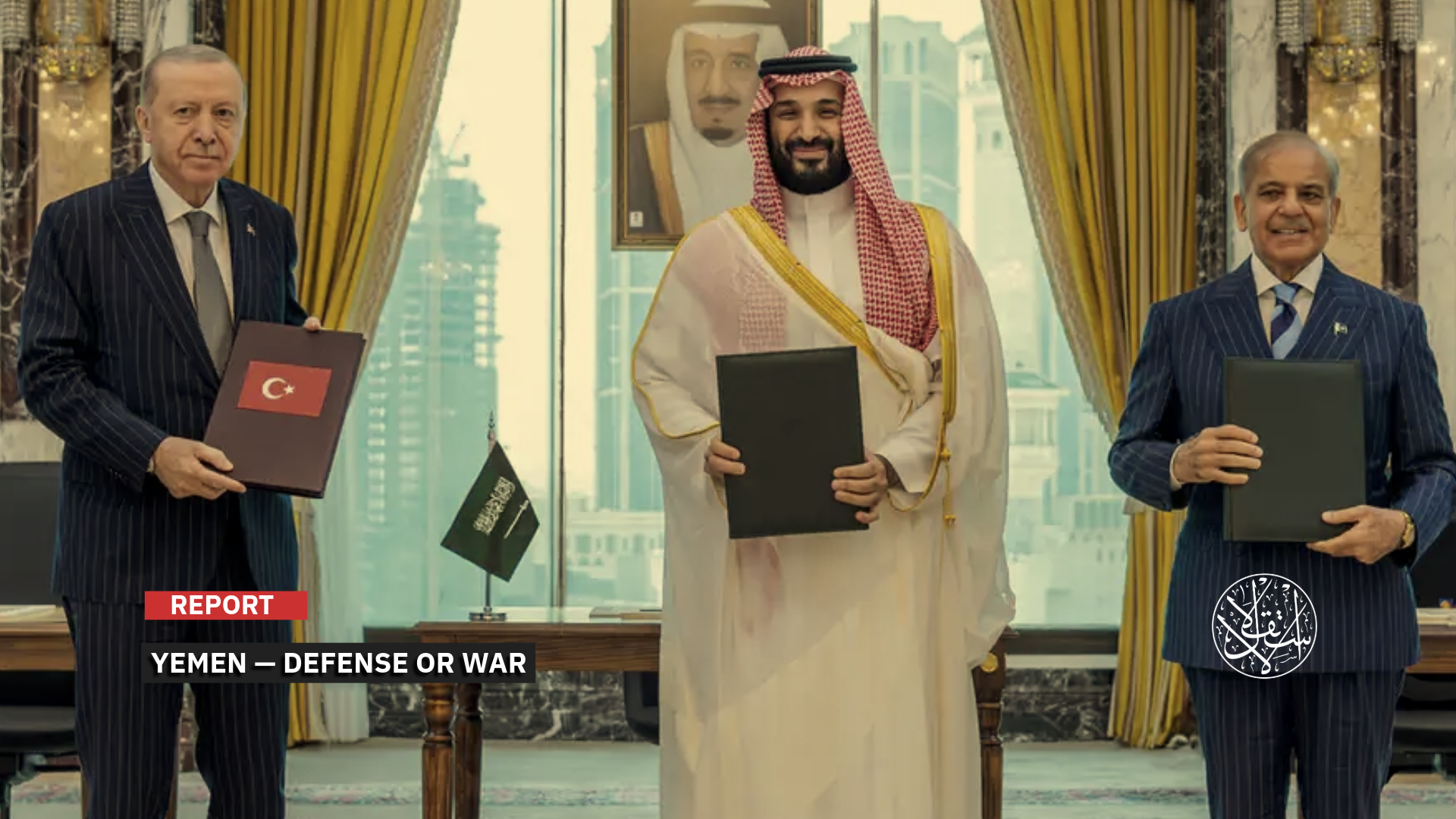
Pakistan says that the Houthi attacks on Saudi Arabia have put the agreement into effect.
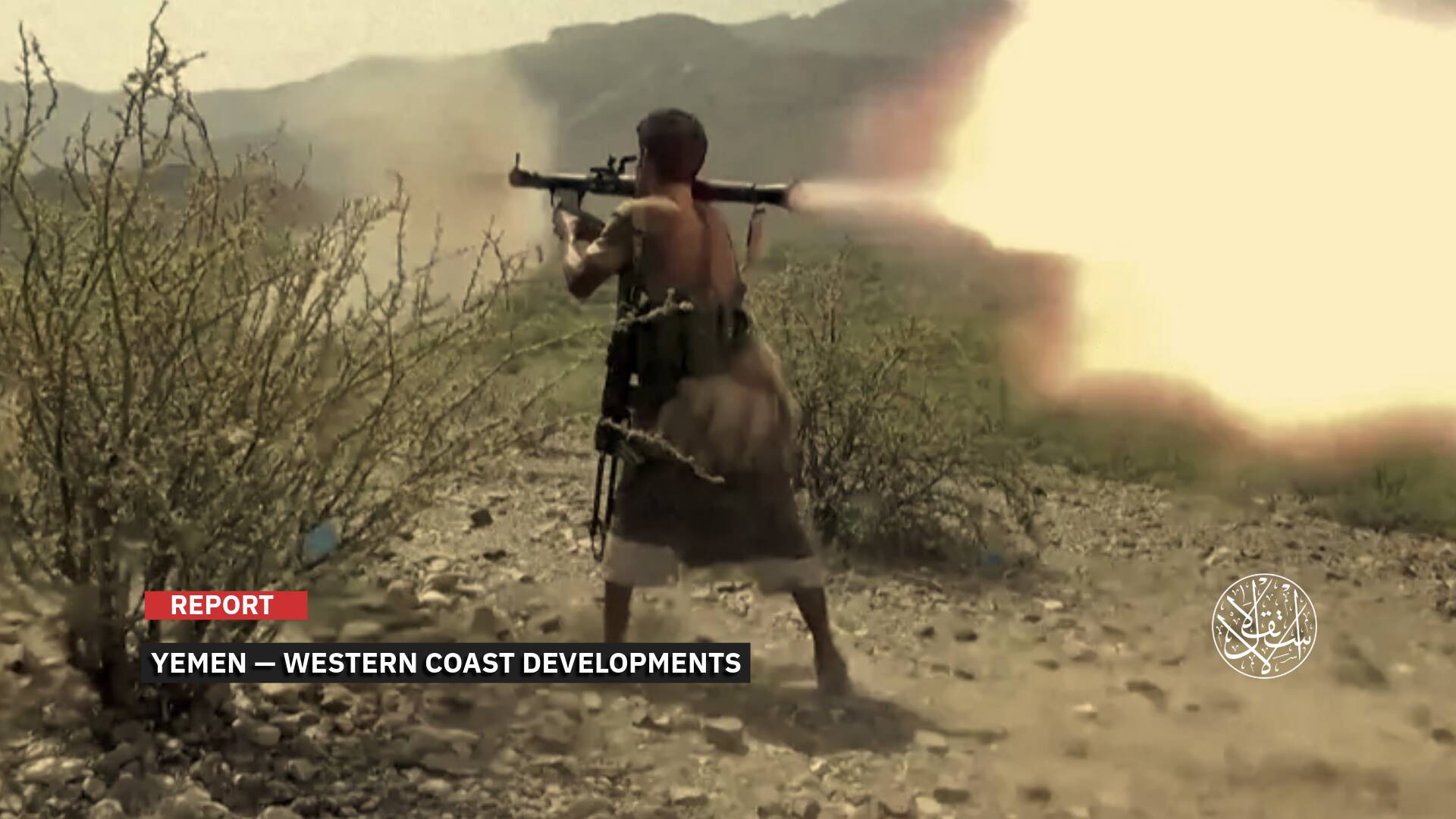
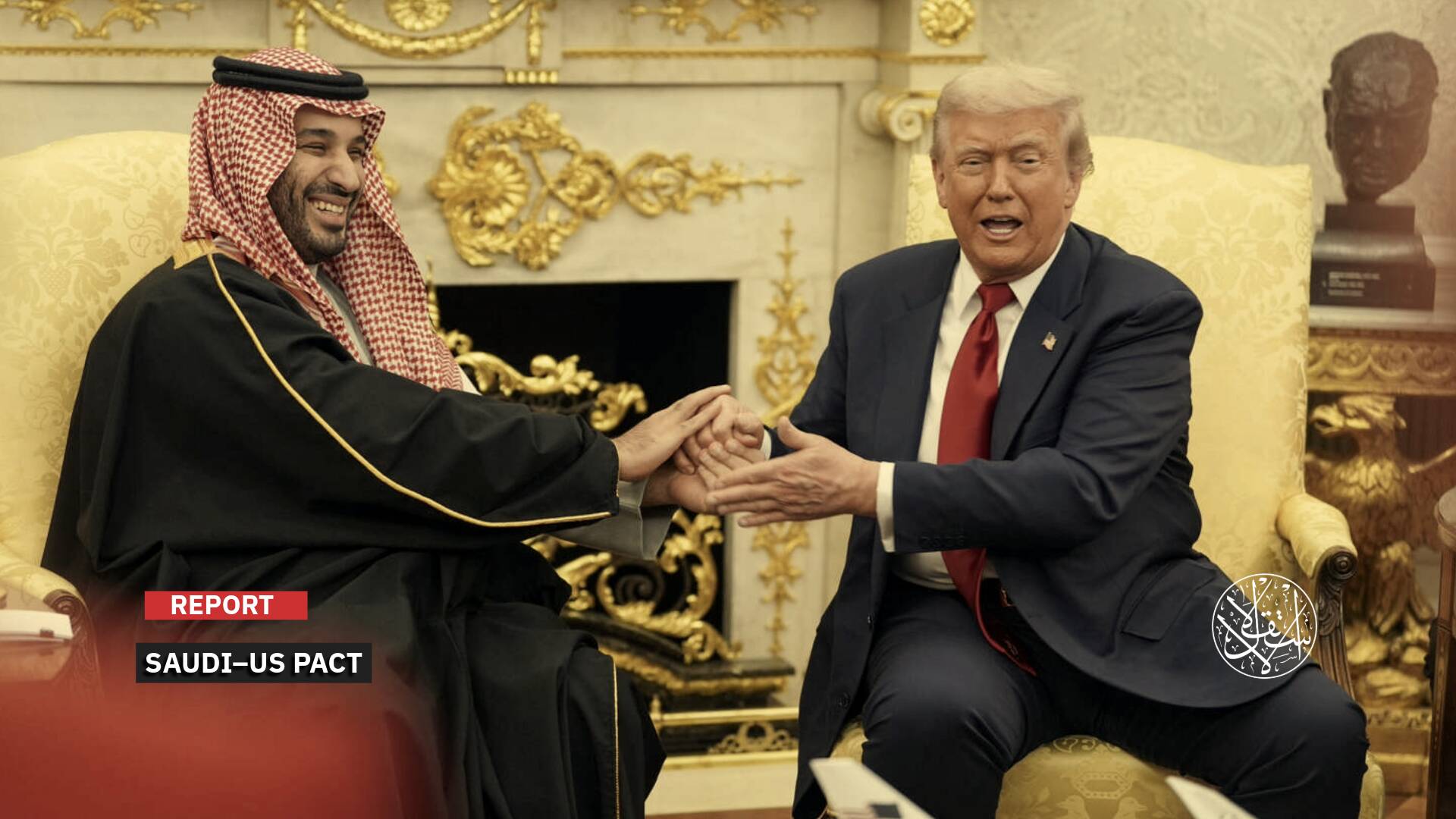
The Houthi attacks on Saudi Arabia are putting the mutual defense agreement between Riyadh, Islamabad, and Ankara to a test that goes beyond political statements, after Pakistan moved to urge Iran to rein in the activities of the Houthi militia, in an effort to contain the escalation before it turns into a broader regional confrontation.
Pakistan’s talk of putting the agreement “into effect” raises questions more sensitive than mere political solidarity: What would actually activating the agreement mean? Would it remain limited to protecting Saudi territory, or could it, if the attacks continue, develop into direct military intervention inside Yemen?
Defense Without War
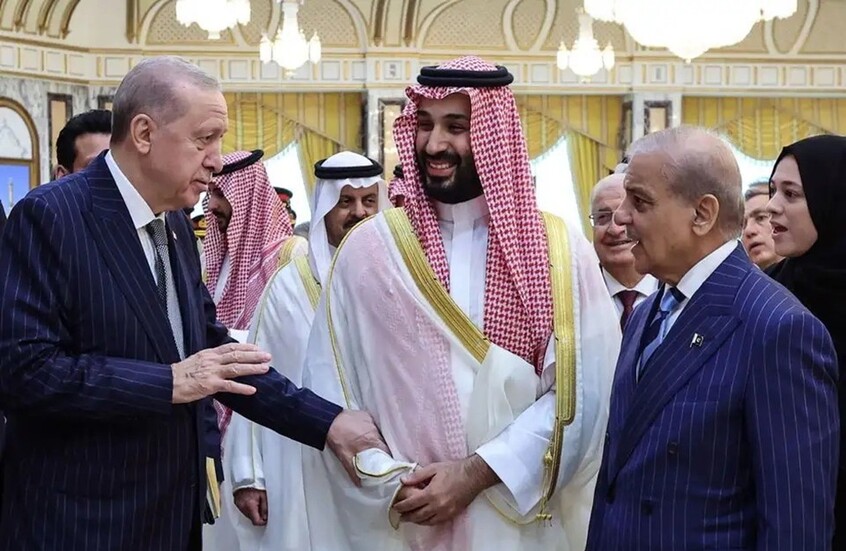
The countries involved in the agreement are, so far, trying to draw a clear line between their commitment to defending Saudi Arabia and becoming involved in the Yemen war.
On September 9, 2026, Pakistani Defense Minister Khawaja Asif said that the Houthi attacks on Saudi Arabia had put the agreement into effect, and that any attack on one of the three countries would be considered an attack on all of them.
However, according to observers, this announcement does not mean that Pakistan and Turkiye are preparing to send troops to Yemen to fight the Houthis.
Reuters reported on September 9, citing an unnamed senior regional diplomat, that Islamabad was seeking to prevent escalation and reach a diplomatic solution before being forced to intervene militarily.
The agency also quoted an unnamed Pakistani source as saying that Saudi officials had held meetings in Riyadh with senior military representatives from Pakistan and Turkiye to coordinate a response to the attacks.
The three countries agreed that any response would come from within Saudi territory and that their forces would not enter Yemen.
This means that the “activation” could begin in Saudi airspace rather than on Yemeni territory, through the protection of cities, facilities, and military bases and the coordination of military capabilities, rather than opening a new front inside Yemen.
This approach is reinforced by what Pakistan’s Foreign Ministry announced on September 10, stating that there had so far been no discussions about a military response under the agreement, while reaffirming Islamabad’s commitment to it when circumstances require.
In this context, the diplomat who spoke to Reuters believes that Iranian and Houthi pressure could produce the opposite result by pushing Saudi Arabia, Pakistan, Turkiye, and other U.S.-aligned countries to strengthen security coordination rather than weaken it.
Accordingly, based on the current situation, the sensitivity of the test facing the mutual defense agreement lies in the scale of the attacks.
The wider the attacks become, the more the need to protect Saudi Arabia itself could push the countries party to the agreement to expand their military role, even without a prior decision to enter a new war in Yemen.
The Yemen Quagmire
In the same context, Qatari political science professor Ali al-Hail warned that moving from defending Saudi territory to confronting the Houthis inside Yemen could drag the three countries into a conflict that would be difficult to resolve.
Speaking to Al-Estiklal, al-Hail said that the experience of mutual defense agreements in the Arab world and the Gulf does not encourage optimism about the Saudi-Turkish-Pakistani agreement developing into a direct military commitment.
Al-Hail cited the failure to activate mutual defense agreements when Qatar came under an Israeli attack in September 2025, despite its membership in the Gulf Cooperation Council and the presence of Peninsula Shield forces.
He argued that such experiences make these agreements, in many cases, closer to “paper commitments,” despite the assumption that they are binding on the signatory states.
However, according to his assessment, the greater danger is not only related to the extent to which the agreement is honored, but also to the nature of the adversary the three countries could face if they decided to shift to an offensive posture.
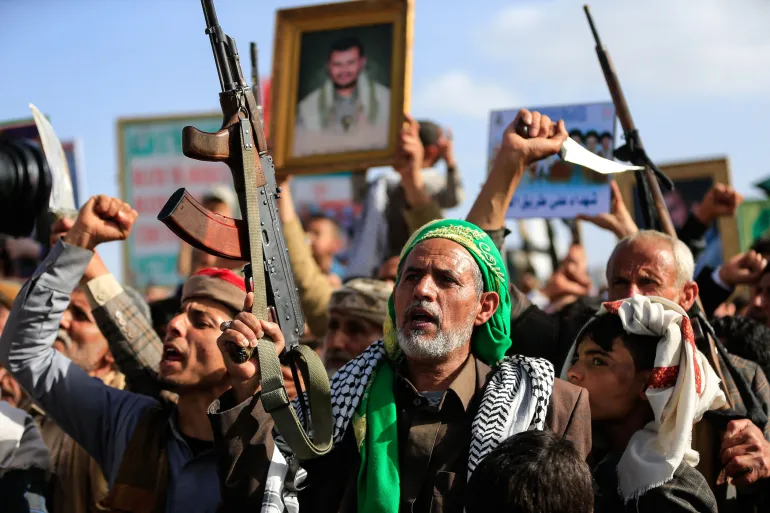
The Houthis, al-Hail said, are not a conventional army with which a conflict can be settled through a traditional military strike.
Rather, they rely on guerrilla warfare, taking advantage of Yemen’s geography, while also possessing the ability to manufacture and repair ballistic missiles and drones.
He noted that previous experience has demonstrated the group’s ability to strike targets deep inside “Israel”, as well as attack ships and a U.S. aircraft carrier, arguing that this reflects the difficulty of engaging in an open confrontation with them.
Therefore, Saudi Arabia, Turkiye, and Pakistan entering a direct war inside Yemen may not provide a quick path to protecting the kingdom.
Instead, according to al-Hail, it could turn into a prolonged war of attrition. He stressed that Yemen’s mountainous and rugged terrain gives the Houthis an advantage in this type of conflict and that the countries involved could find themselves facing a “Yemen quagmire.”
Al-Hail does not separate this situation from a broader regional conflict. He argues that the continuation of the war in Yemen and the expansion of confrontation between Arab parties serve “Israel”, adding that “Israel wants wars to erupt between Arabs and Arabs, and within the same country, between its own people.”
He also claimed that “Israel”, in his view, is behind a large part of what is happening in the Middle East, including the wars in Yemen and Sudan, the Strait of Hormuz crisis, and the two wars against Iran in 2025 and the ongoing war.
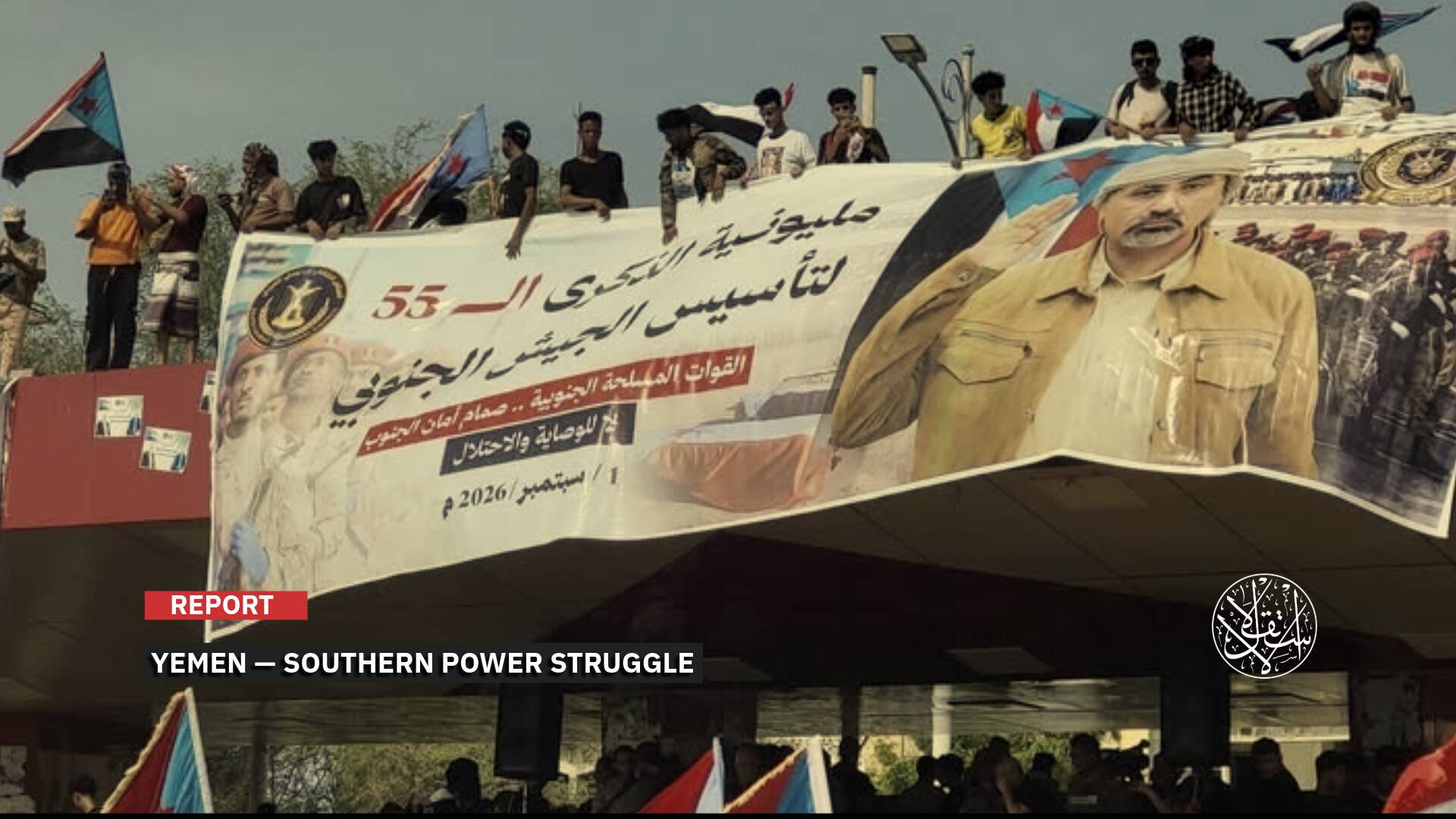
Al-Hail further argued that “Israel’s” influence in Yemen is likely to expand with the resurgence of the UAE-backed Southern Transitional Council, pointing to the presence of the council’s president, Aidarus al-Zoubaidi, in the UAE, while the two main officials of Yemen’s “legitimate” government are based in Riyadh.
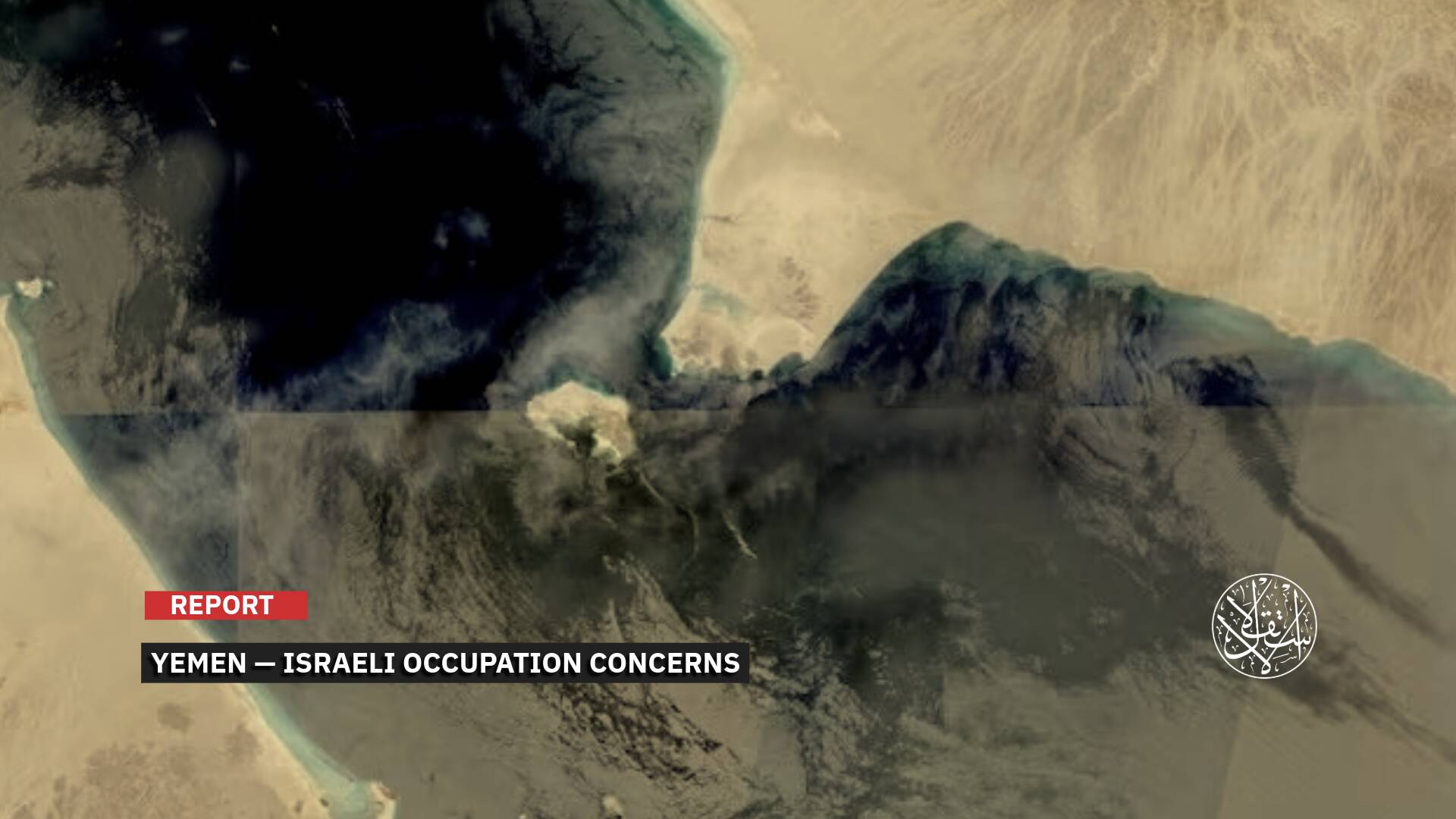
Al-Hail described the Yemeni situation as increasingly resembling a “proxy war,” warning of the possibility of an Israeli military base being established on Socotra Island, which would further complicate the conflict.
Deterrence Shield
By contrast, Yemeni writer and political analyst Ahmed al-Zarqa set a different threshold for activating the agreement, arguing that the continuation of Houthi attacks does not automatically mean that the Mecca Agreement would lead to direct military intervention inside Yemen.
Speaking to Al-Estiklal, al-Zarqa said the agreement stipulates that any armed attack against one of the three countries is considered an attack against all of them, but that it is “defensive in nature” and does not automatically entail participation in operations inside Yemen once it is activated.
He noted that Khawaja Asif spoke of the possibility of making the agreement “operational” in response to Houthi attacks on Saudi Arabia, but Pakistan’s Foreign Ministry clarified in a statement that there had been no discussions about a military response under the agreement, while reaffirming its commitment to it when circumstances require.
According to al-Zarqa, continued attacks could first lead to the activation of defensive measures to protect Saudi territory, while moving to strikes inside Yemen would require an additional decision, particularly if the attacks develop into a sustained threat to cities, energy facilities, and infrastructure.
At this stage, Turkiye and Pakistan could, according to al-Zarqa, play military and security roles without entering the Yemen war, through air defense, early warning, surveillance, the protection of facilities and military bases, intelligence and military coordination, and maritime security.
The Pakistani position appears clearer on this point. Officials in Islamabad have stressed that any military role at the current stage would be linked to defending Saudi territory, while Turkiye has not announced any specific form of military participation.
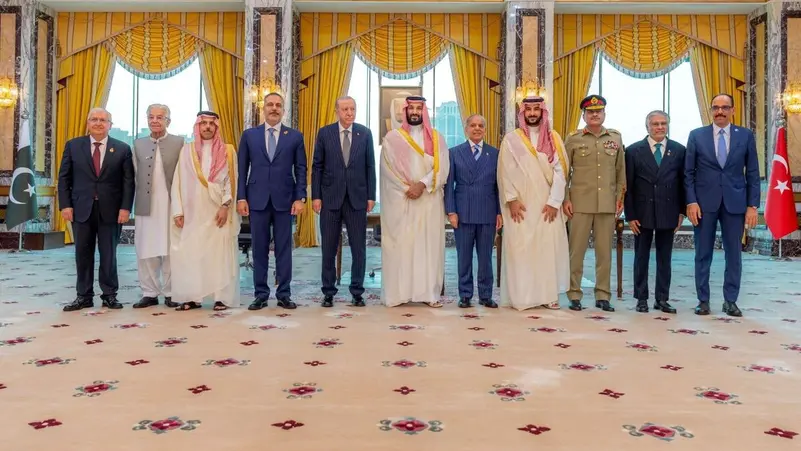
Al-Zarqa argued that the Mecca Agreement could initially serve “as a deterrence and protection umbrella for Saudi Arabia,” allowing Riyadh to expand its security network and share the burden of defending its territory, while Yemen’s government forces remain the primary party fighting inside Yemen.
According to al-Zarqa, this approach differs from the course Saudi Arabia took in March 2015, when it led a large-scale war, whereas the current approach focuses on supporting government forces and building regional defensive umbrellas around the kingdom.
The most sensitive factor remains Pakistan’s role toward Iran. According to al-Zarqa, Islamabad has an opportunity to mediate because of its relations with both Riyadh and Tehran, and it has already conveyed a warning to Iran over the continuation of Houthi attacks.
However, the success of this pressure depends on Tehran’s ability and willingness to influence the behavior of the Houthi militia.
If the attacks subside, the Mecca Agreement could fulfill its deterrent function without undergoing a major military test. But if attacks on Saudi cities and facilities continue, pressure on Ankara and Islamabad will increase to demonstrate that their commitment to collective defense does not stop at statements.
Al-Zarqa summed up this dilemma by saying, “The more successful Pakistani diplomacy is in containing the escalation, the less need there is to test the agreement militarily; the more it fails, the greater the cost of not activating it.”
According to the analysts’ assessment, the real challenge facing the Mecca Agreement is not necessarily the decision to enter Yemen, but determining the point at which merely protecting Saudi territory becomes less costly than allowing the attacks to continue.
Between these two options, Pakistan is moving along the path of diplomacy and deterrence, while Turkiye appears to face a similar test.
Meanwhile, the Houthis remain the factor capable of pushing the agreement from a defensive umbrella into a broader military test, according to observers.