Darfur Under RSF Militia Grip: How Hemedti Is Reshaping Territory, Power, and Identity
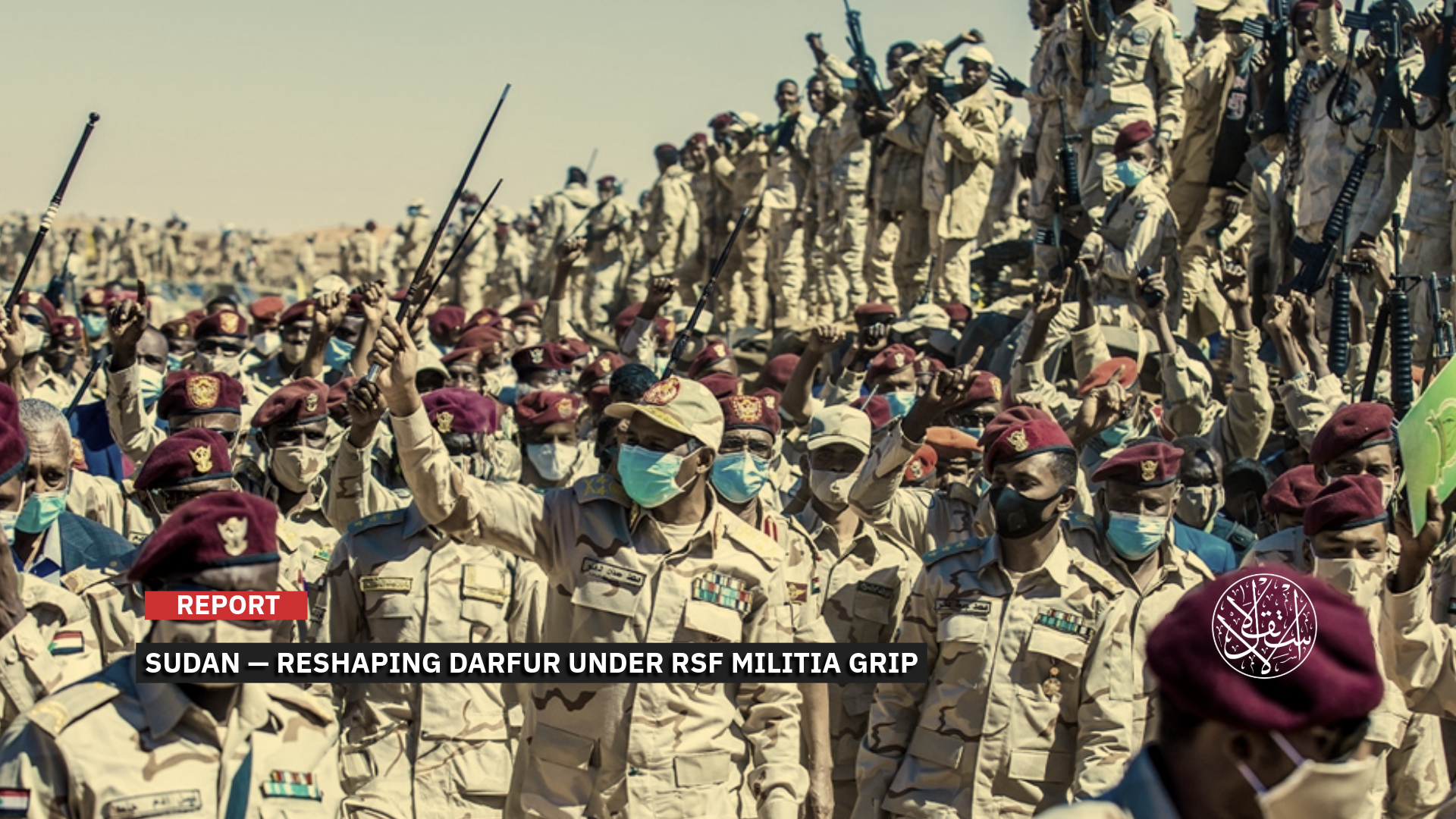
RSF militia control did not stop at imposing a new military reality; it was also accompanied by a gradual shift in local power dynamics.
The transformations unfolding across Darfur under the expanding influence of the UAE-backed Rapid Support Forces (RSF) are no longer confined to shifting front lines or changing military control in the militia’s war against the Sudanese army. Increasingly, they are reaching into the region's political and social fabric, fueling concerns that a new reality is being engineered—one that extends well beyond the battlefield.
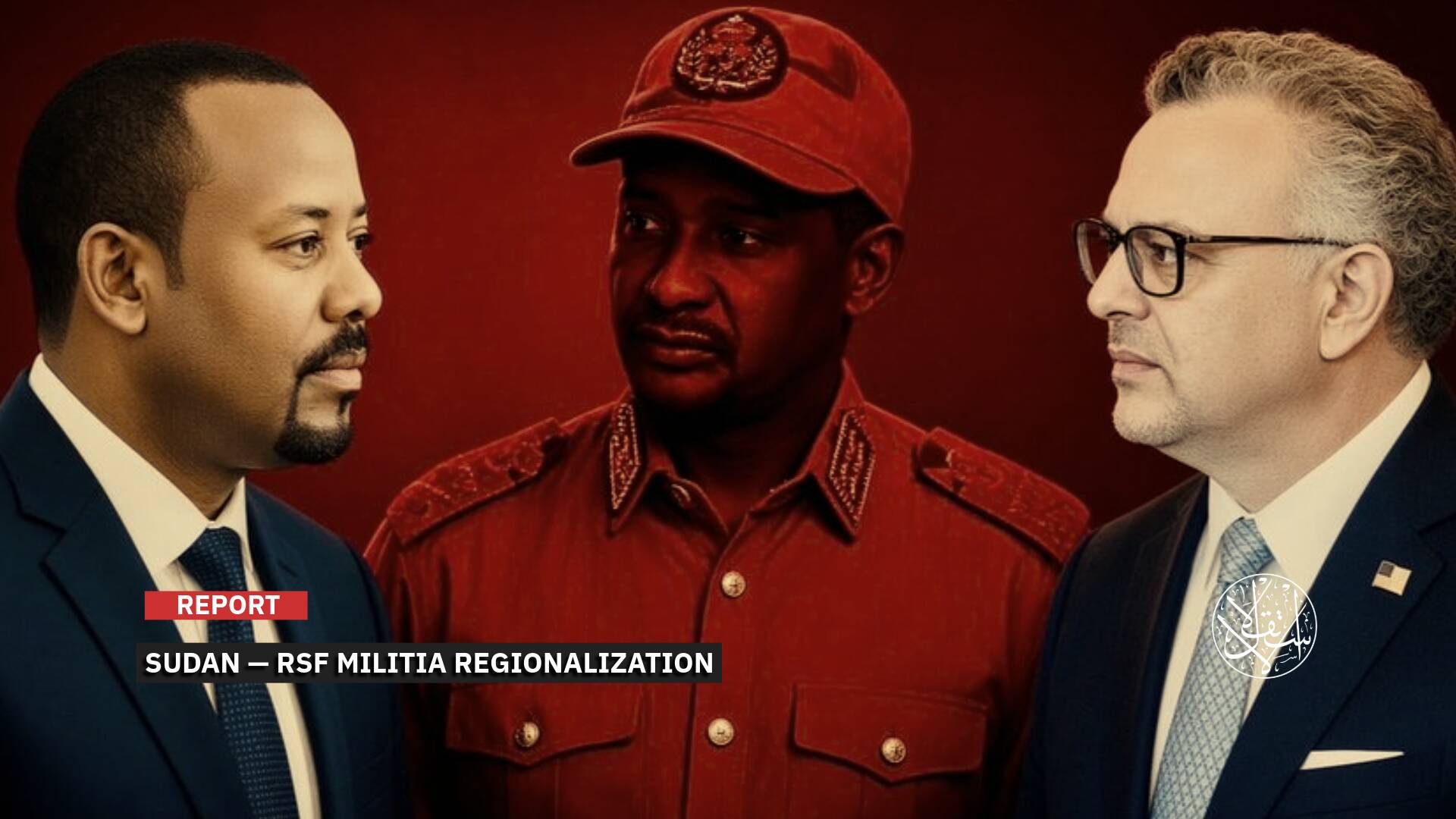
While attention remains focused on the fighting in North Darfur, a different process is taking shape on the ground. Led by RSF commander Mohamed Hamdan Dagalo, better known as Hemedti, the militia appears to be reshaping local governance in areas under its control through the appointment of new state governors and the reorganization of traditional tribal administrations. These efforts come amid growing tribal tensions in communities that until recently formed part of the RSF's social and political base.
On June 3, 2026, local reports, including one published by Darfur24, revealed discussions within the Tasis Sudan Founding Alliance over the appointment of new governors for Darfur's states and West Kordofan. The move appeared less like a temporary wartime arrangement and more like an attempt to establish parallel governing structures separate from Sudan’s internationally recognized authorities in Port Sudan.
The developments are part of a broader trajectory that has been taking shape since the outbreak of war in April 2023. RSF militia control has not simply imposed a new military reality; it has also been accompanied by a gradual shift in local power dynamics.
From el-Fasher to el-Geneina, from Mellit to Jebel Marra, and from Zalingei to Kabkabiya, Darfur has witnessed changes affecting long-established systems of traditional authority. Those shifts have unfolded alongside waves of displacement, demographic upheaval, and the rise of new local elites and power brokers.
The growing concern is that Darfur is undergoing more than a wartime transformation. What is emerging may be a far-reaching effort to redraw the region’s demographic, social, and political landscape under the realities imposed by the war and the balance of power it has created.
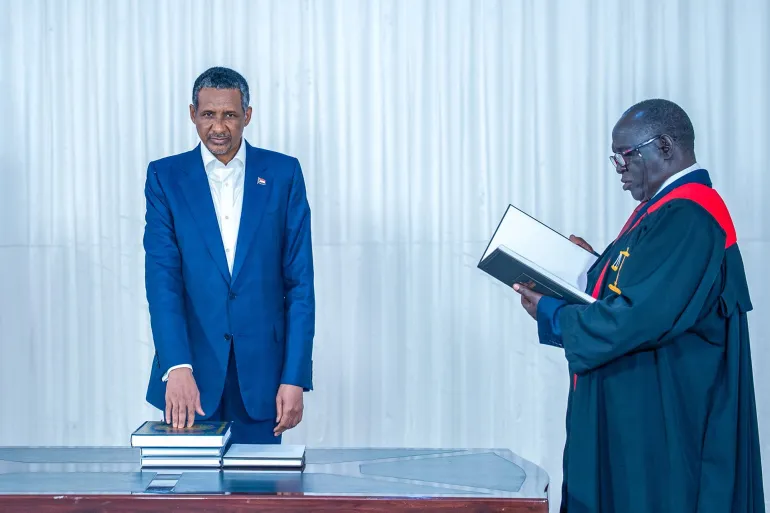
Who Governs Darfur?
The danger of these shifts lies not only in the reshuffling of officials or the redistribution of local posts but also in their reach into one of Darfur’s most sensitive domains: social authority and traditional legitimacy.
For decades, customary administration formed the backbone of Darfur’s political and social order. Relations between tribes and land, dispute resolution, the management of hawakir (land rights), and the definition of local authority all passed through a deeply rooted system of sultans, kings, chiefs, and sheikhs. Their influence derived less from the modern state than from inherited custom and longstanding social convention.
Successive Sudanese governments have attempted to co-opt or influence this system for political ends, but it has largely continued to reflect the region’s historical and social balances over many decades.
The war that erupted in April 2023, however, opened the door to an unprecedented reshaping of this traditional structure.
As the RSF militias expanded their control across most of Darfur’s states, new forms of local authority and alternative customary figures began to emerge in areas outside the central government’s reach. RSF-aligned structures increasingly became key actors in redistributing local power and redrawing the map of traditional leadership.
In North Darfur, the city of Mellit has emerged as a clear example of these shifts. Located north of el-Fasher and historically associated with the Berti tribe, the city has in recent months witnessed new customary arrangements alongside the expansion of RSF authority, in what appears to be a reconfiguration of traditional power centers in line with the war’s evolving balance of power.
These changes have not been limited to the north. Other states, particularly Central Darfur, have seen growing debate over the future of traditional leadership within major tribal groups, following adjustments to long-standing positions that once served as stable social reference points. At the same time, new local administrations have emerged that are increasingly tied to the dominant military power on the ground rather than to the region’s historical social structures.
These developments cannot be separated from the broader political project led by Hemedti. Since announcing a political and military alliance in July 2025 that advanced the idea of establishing a parallel authority, steps throughout 2026 have gradually moved toward building local governing institutions and appointing new officials across areas under RSF militias’ control.
Darfur24 reported that arrangements to appoint new governors for Darfur’s states and West Kordofan are not merely administrative measures imposed by wartime necessity but part of a more coherent effort to construct an alternative authority with its own political, administrative, and security apparatus.
The importance of this trajectory lies in the fact that any new political project in Darfur cannot rely on military power alone. It requires a social base capable of conferring legitimacy, customary structures that provide local endorsement, and networks of influence able to gradually replace the traditional systems that governed the region before the war.
From this perspective, the struggle in Darfur is no longer simply about territory. It is increasingly about who has the authority to represent society itself—and to shape its future.
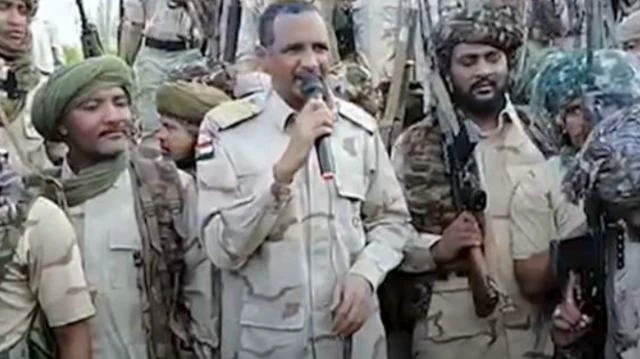
Waves of Displacement
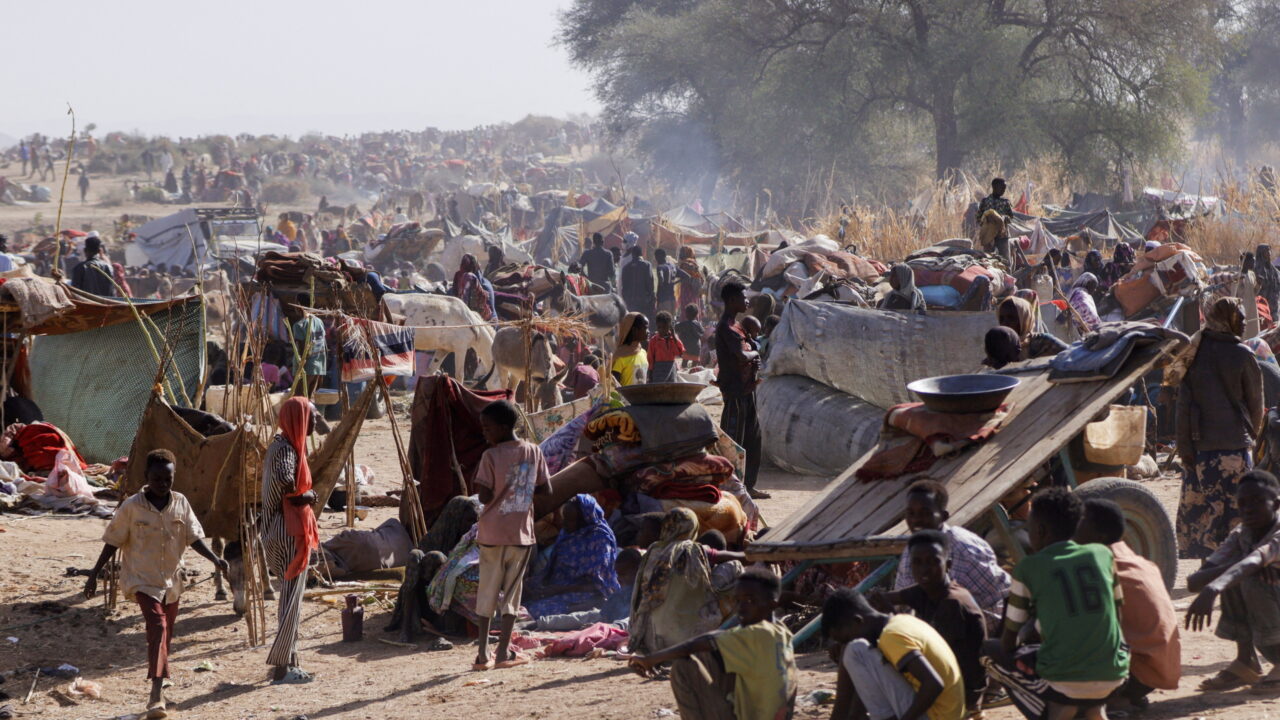
As the balance of power shifted on the ground and efforts to reshape Darfur’s political and social order accelerated, the region’s population map was undergoing equally profound changes, driven by unprecedented waves of displacement that have redrawn the demographic reality across large parts of the territory.
Since the early months of the war in April 2023, major cities such as el-Geneina, Zalingei, and el-Fasher have become epicenters of successive humanitarian crises, as tens of thousands fled fighting, communal violence, and widespread abuses.
With the RSF militias expanding their control across West, Central, and South Darfur, displacement intensified further. Civilians were forced to seek safety within Sudan or across borders into Chad, South Sudan, and the Central African Republic, marking one of the largest population movements the region has seen since the outbreak of the Darfur crisis in the early 2000s.
El-Geneina was among the first cities to experience this dramatic shift. During 2023 and 2024, the United Nations and international human rights organizations documented large-scale killings targeting the Masalit community, followed by mass displacement that pushed tens of thousands across the border into Chad.
The border town of Adre quickly became a major reception center for refugees fleeing West Darfur, turning into a refuge for thousands of families who had lost their homes and livelihoods.
As the focus of fighting shifted toward North Darfur, the center of the humanitarian crisis shifted with it. Intensifying battles around el-Fasher and the imposition of a sustained siege triggered successive waves of displacement toward Tawila, Jebel Marra, and other areas still outside RSF militias’ control.
Throughout 2025 and into early 2026, the United Nations repeatedly warned of deteriorating humanitarian conditions inside el-Fasher amid continued shelling, fighting, and the near-total disruption of aid delivery to hundreds of thousands of trapped civilians.
In February 2026, the Independent International Fact-Finding Mission on Sudan said that what had occurred in el-Fasher showed indications of acts that could amount to genocide, pointing to the targeting of non-Arab communities on ethnic grounds, alongside grave violations including killings, sexual violence, and enforced disappearances.
Data from the International Criminal Court (ICC) also indicated that more than 107,000 people were displaced from North Darfur within just weeks between October and December 2025, reflecting the pace of accelerating demographic change in the region.
The International Organization for Migration has warned that displacement has not slowed in 2026 but has continued at high levels both within Darfur and across borders, amid growing fears that temporary displacement may solidify into a long-term and potentially irreversible reality.
Meanwhile, UN agencies continue to caution that millions of Sudanese are now almost entirely dependent on humanitarian aid, as agricultural production declines, economic activity collapses, and infrastructure is destroyed across vast areas of the region.
The danger of these displacement waves lies not only in their immediate humanitarian toll but also in their long-term impact on Darfur’s future. Villages emptied of their populations, cities transformed in their demographic makeup, and regions turned into continuous zones of displacement do not easily return to their pre-war state.
With each new wave of displacement, the balance of society, power, and property shifts further—making demographic transformation a central dimension of the struggle over Darfur’s identity and political future.
Changing Identity
If forced displacement marks the first step in reshaping societies, the more sensitive question concerns what becomes of the areas left behind.
Throughout the current war, local and international reports have increasingly documented accounts of RSF militia personnel and allied groups taking control of homes, farms, and property abandoned by civilians who fled the fighting.
According to these reports, the phenomenon is no longer limited to temporary use of vacant property. It has, in several areas affected by large-scale displacement, evolved into emerging patterns of population settlement and administrative reorganization.
El-Geneina stands out as one of the clearest examples of these shifts. Following the deadly attacks on the Masalit community in 2023 and 2024, displaced residents and refugees—some of whom have returned only briefly—have described armed individuals and affiliated families settling in homes abandoned by those who fled to Chad.
Human rights reports have also cited overlapping testimonies indicating that entire neighborhoods experienced rapid and visible changes in their demographic composition over a short period as a result of mass displacement.
In North Darfur, similar accusations have emerged around el-Fasher, Mellit, and several villages along the roads linking northern and central parts of the region. Local accounts said new population clusters have appeared in areas emptied by war, alongside the reconfiguration of customary administrations and shifts in traditional power balances that had remained stable for decades.
These developments carry particular sensitivity in Darfur because of the region’s long-standing and complex relationship between land, identity, and tribal belonging. The hawakir system—a customary land tenure arrangement dating back centuries—is not merely an economic framework but a cornerstone of social and political legitimacy for tribes and local communities.
For this reason, any large-scale change in land ownership or control is not viewed simply as a byproduct of war but as a deeper transformation that could reshape power relations in Darfur for decades to come.
Mass displacement, the redistribution of customary authority, and rapid demographic change are all fueling growing concerns that the war has moved beyond military confrontation into a broader process of re-engineering the region’s social and demographic map.
If these realities become entrenched on the ground, any future political settlement will face not only the challenge of ending the war but also the far more complex task of returning displaced populations, resolving land and hawakir disputes, and restoring social balances that have been profoundly disrupted since the war began.
Kabm: Rising Chaos
If el-Fasher and el-Geneina represent the face of displacement and the redrawing of Darfur’s demographic map, then what unfolded in the Kabm area of South Darfur in May and June 2026 reveals another, no less dangerous dimension: the fragmentation of local alliances and the escalation of conflicts within the very social environment that the RSF militias have relied on to expand their influence across the region.
In late May, deadly clashes erupted between the Salamat and Beni Halba tribes, two prominent communities that have maintained close ties with the RSF militia over recent years.
The fighting quickly escalated into one of the most severe waves of communal violence Darfur has witnessed since the beginning of 2026.
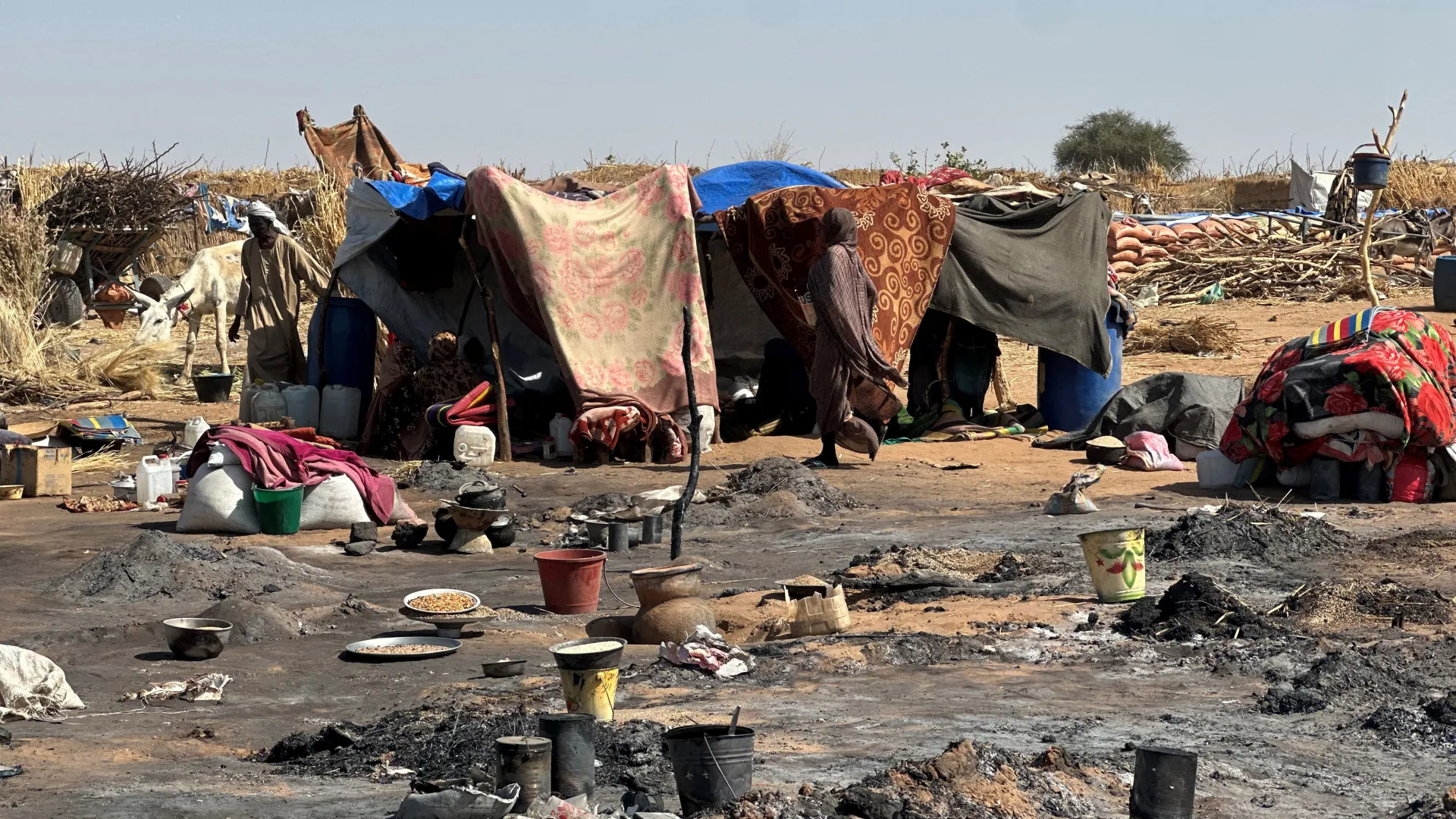
The Emergency Lawyers group reported dozens of civilian deaths and injuries, along with the displacement of thousands of residents from the area. The International Organization for Migration also documented new waves of displacement toward Nyala, Reheid El Birdi, and Shattaya.
Yet the significance of these events lies not only in the casualty figures but also in the nature of the actors involved and what they reveal about the evolving dynamics of the region.
According to Emergency Lawyers, what occurred cannot simply be classified as a traditional tribal dispute over land or resources. The groups involved, it said, largely belong to the military and social ecosystem associated with the RSF militia itself, making the clashes an indication of widening fractures within the network of alliances that has underpinned the force’s influence in Darfur.
This development reflects another reality that has begun to take shape as the war drags on: weapons, now widely circulated across the region, are no longer directed solely at military adversaries but have become embedded in local disputes themselves—whether over influence, resources, or newly created administrative positions shaped by the war.
Here emerges one of the central paradoxes of the project to control Darfur. Forces that for years relied on an extensive network of tribal alliances to expand their influence and consolidate their presence on the ground are now facing growing challenges from within the very social base that enabled their rise.
In recent months, reports have increasingly pointed to disputes and tensions between local groups that once fought on the same side, driven by competition over economic resources, control of trade routes, influence within customary administrations, and access to emerging political and administrative positions in RSF-held areas.
The events in Kabm underscore that the conflict in Darfur is no longer simply a confrontation between the Sudanese army and the RSF militia. It has become far more fragmented and complex, with internal disputes emerging that risk reproducing cycles of communal violence even within territories controlled by a single actor. This raises growing questions about the capacity of any emerging local authority to govern the region and manage its social balances amid deepening and accumulated divisions.
Sources
- Claiming Darfur: Inside the RSF’s Plan to Remap Western Sudan [Arabic]
- 7 Questions on Deadly Clashes Between Two RSF-Aligned Tribes [Arabic]
- udan: Evidence in El-Fasher reveals genocidal campaign, targeting non-Arab communities, UN Fact-Finding Mission says
- Tribal Violence Spreads in South Darfur, Leaving 50 Dead [Arabic]
- Tasis Alliance Moves to Appoint New Governors for Darfur States [Arabic]