Between Washington and Tehran: Is Africa Becoming a Proxy Warfare Zone?
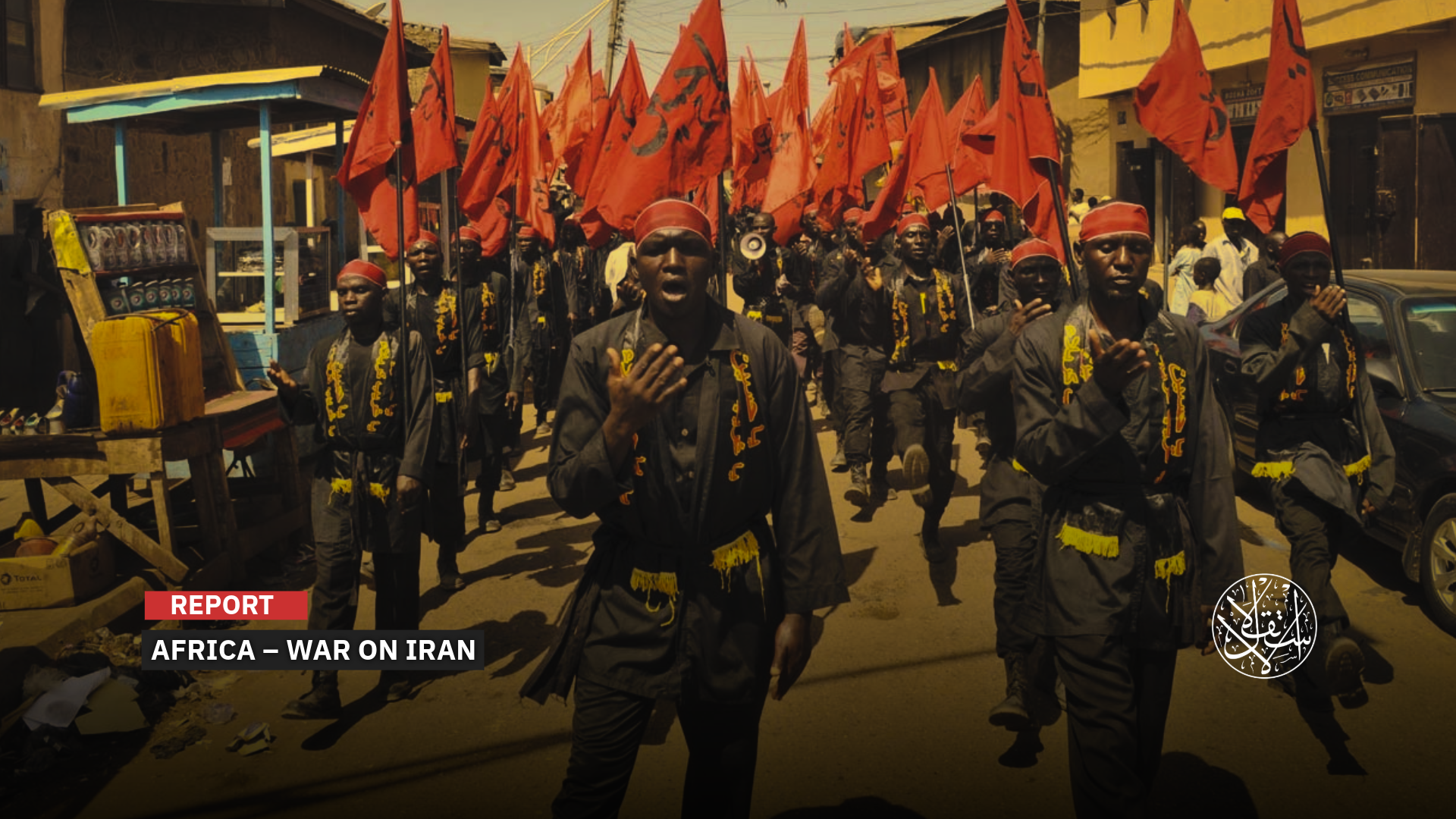
“Nigeria is already a cornerstone of Tehran’s strategy in Africa.”
Despite Africa's geographical distance from the war waged by the U.S. and “Israel” on Iran since February 28, its repercussions extend far beyond the region, reaching Africa both directly and indirectly.
Fears of a global energy crisis, pressures on food security, the impact on shipping lanes, and the reshaping of international balances are all factors that present the African continent with a true test of its ability to maintain neutrality and protect its interests.
Conversely, some observers believe this war represents a genuine test of Africa's resilience—economically, in terms of security, and diplomatically.
Economic Turmoil
Despite the distance of the current Iranian war from Africa, its repercussions extend to farther geographical areas, complicating the continent's crises on several fronts.
The most obvious repercussion of the Iranian war on Africa is in the energy markets, where the disruption of supplies through the Strait of Hormuz has led to a rise in global oil prices. This has led to a spike in fuel, transport and food costs across Africa.
The aforementioned has directly impacted fuel, transport, and food costs within the continent, further burdening fragile economies and exacerbating living pressures.
Countries across Africa have taken measures such as diluting petrol and restricting electricity consumption to cope with the fuel crisis triggered by the war on Iran.
While some oil-producing countries, such as Nigeria and Angola, have benefited from higher prices, weak infrastructure and refining limitations have limited these gains.
According to an analysis published by World Politics Review, most African countries are net energy importers, making them more vulnerable to shocks resulting from global market volatility.
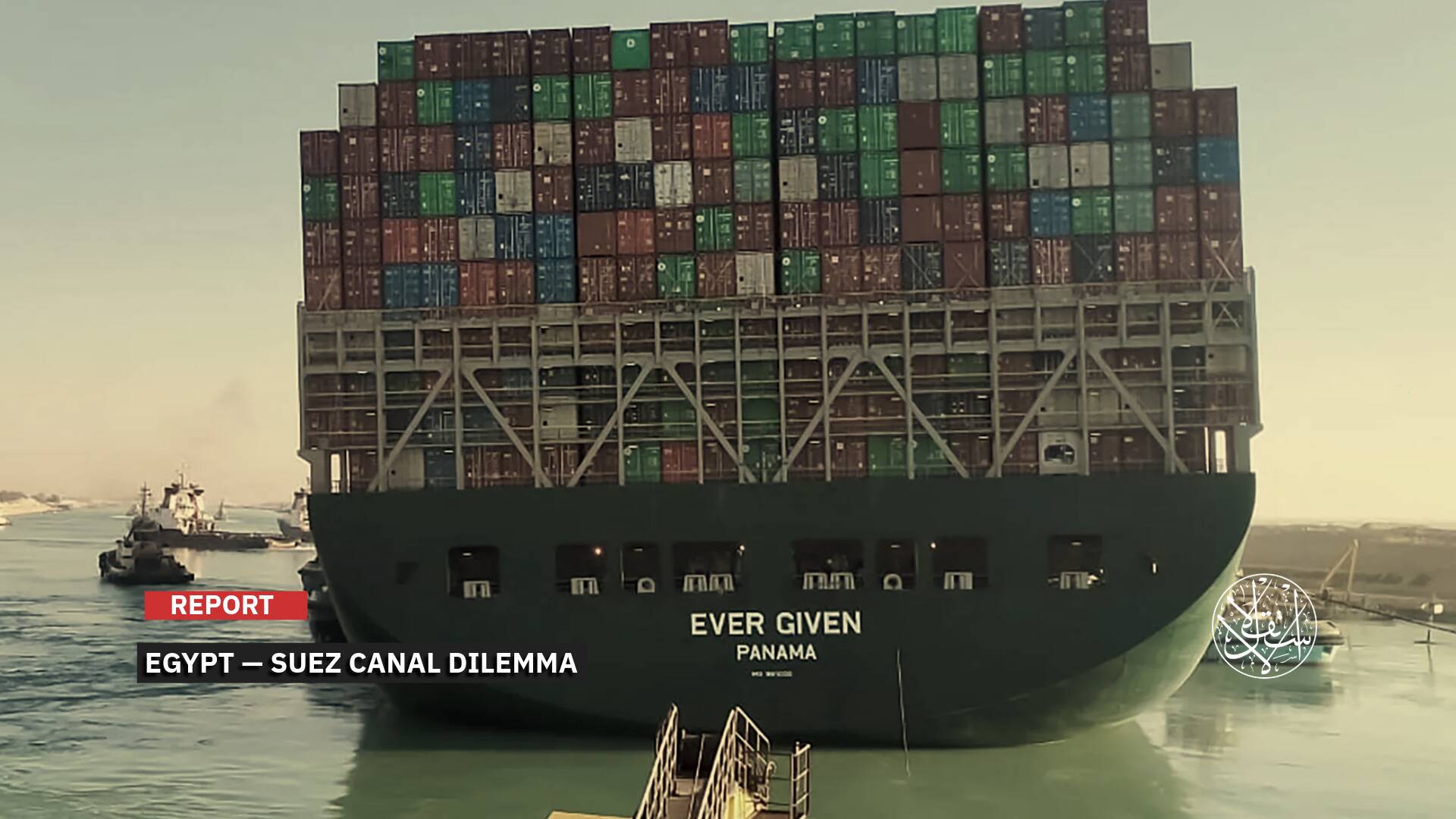
There are also evident in the disruption of global trade routes, as shipping companies have been forced to reroute to longer routes, such as around the Cape of Good Hope, leading to increased shipping costs and delivery times, which has impacted commodity prices in African markets.
The aviation sector was also significantly affected, with airlines such as Ethiopian and Kenya Airways canceling hundreds of flights.
This downturn impacted trade and business activity, leading to further economic losses and highlighting the interconnectedness of African economies with global geopolitical developments.
Furthermore, heightened geopolitical risks could complicate African countries' access to international finance and negatively impact their exports.
The war on Iran arrives at one of the most financially vulnerable moments for many West African governments.
Countries across the region are grappling with elevated debt servicing burdens, weakened currencies and limited fiscal space — leaving them poorly positioned to absorb an external commodity shock.
The Institute for Security Studies (ISS) warned that depreciation-driven debt deterioration could complicate ongoing debt restructuring processes in Ghana, Zambia and Ethiopia, while countries like Kenya and Nigeria — where debt servicing already consumes more than 30% of government revenues — would face even tighter fiscal constraints if oil import costs surge simultaneously.

Pragmatic Approach
In light of this escalation, African countries find themselves facing a difficult political test, forcing them to balance diplomatic neutrality with the pressures of increasing international polarization.
Washington has long supported the African continent with aid and other forms of assistance, while Tehran has consolidated significant influence there over the past years.
African countries have taken a range of stances on this war, from condemning the American and Israeli strikes on Tehran to denouncing the attacks launched by Iran against neighboring countries.
African regional organizations, such as ECOWAS and the African Union, have called for restraint, warning that continued escalation could turn the continent into a proxy war zone.
For his part, the Chairperson of the African Union Commission, Mahmoud Ali Youssouf, called for restraint, expressing his deep concern over what he described as a dangerous escalation of hostilities.
He warned of the repercussions of this escalation, which threatens to destabilize the global economy and disrupt energy markets, negatively impacting food security.
African governments adopted positions aligned with the African Union's stance. Several countries called for an immediate ceasefire and stressed the need to respect sovereignty and international law.
South Africa condemned the US military strikes against Iran and warned of the war's repercussions on global stability, while countries like Namibia adopted a neutral stance, urging the parties to the conflict to resolve the dispute peacefully and diplomatically.
Kenya, Somalia, and Ethiopia condemned the Iranian strikes on the Gulf states, while Senegal declared its rejection of the use of violence and called for restraint and dialogue.
Nigeria and Ghana called for restraint and de-escalation, while Uganda urged its citizens to leave Iranian territory.
Tanzania advised its citizens in areas affected by the tension to exercise extreme vigilance and caution.
Egypt, Morocco, and Tunisia have an interest in ending the war to lower prices and facilitate maritime navigation, but they affirmed their alignment with the Gulf states in confronting Iranian aggression.
Looking at the general African position, it is based on a policy of non-alignment with a pragmatic approach that prioritizes national interests.
Despite this, some African countries have faced intense pressure to abandon this approach, particularly within the halls of the United Nations.
The continent holds approximately 28% of the total votes, making it a crucial arena for both Tehran and Washington to vie for influence.
According to observers, Iran's historical or close economic ties with some African countries create a complex network of interactions that combines international pressures, security considerations, economic balances, and internal social factors.
This situation may lead countries like Uganda to adopt a cautious policy, while Zimbabwe might see Iran's isolation as an opportunity to deepen cooperation, albeit at the risk of secondary sanctions.
Algeria, too, may find itself in a difficult position, torn between its historical support for the resistance axis and its strong relationship with Iran, and its need to maintain balanced relations with the Gulf states and the U.S.
Reports have revealed that some West African countries that have recently experienced military coups—Burkina Faso, Mali, and Senegal—are also targeted by Iran in religious and cultural activities.
These countries are under considerable suspicion, making it natural for them to align with Tehran, even if discreetly.

Security Risks
On the other hand, a US-Israeli war on Iran could create security instability in Africa, leading to increased fragility.
The continent could become an unintended arena for competition and pressure between the parties involved in this conflict.
Generally speaking, one of the most direct impacts of this war on Africa is the potential for the confrontation to spill over onto the continent through regional proxies.
The war could directly impact security arrangements in the Horn of Africa, particularly Western military bases, especially American ones, in Kenya, Somalia, Djibouti, and Eritrea, making them potential targets for attacks, particularly by the Houthi group.
There is also a risk that this war could lead to attacks on African countries by armed groups, especially targeting Western interests there.
Concerns are growing about attacks on military installations and shipping, especially in the Horn of Africa, which is linked to the Gulf via strategic waterways. This could exacerbate instability in a region already suffering from intertwined crises.
Observers believe that expanding military influence in the Red Sea could transform the region into an open battleground, directly threatening regional security.
In this context, the Institute for Security Studies (ISS) warned of the possibility that Shiite groups might resort to attacks on American and Western interests as an expression of solidarity with Tehran should the conflict escalate further.
With the possibility of US defense budgets being diverted toward a war with Iran, this could give armed groups like al-Shabaab and ISIS an opportunity to strengthen their influence in the region.
Yemeni Information Minister Moammar Al-Eryani confirmed the arrival of additional IRGC commanders and experts in Sana'a last week, coinciding with Houthi attacks on “Israel”.
He stressed that this was not a coincidence, but rather part of a recurring pattern reflecting the level of direct Iranian oversight of the Houthis, accusing them of being an instrument within a transnational military system.
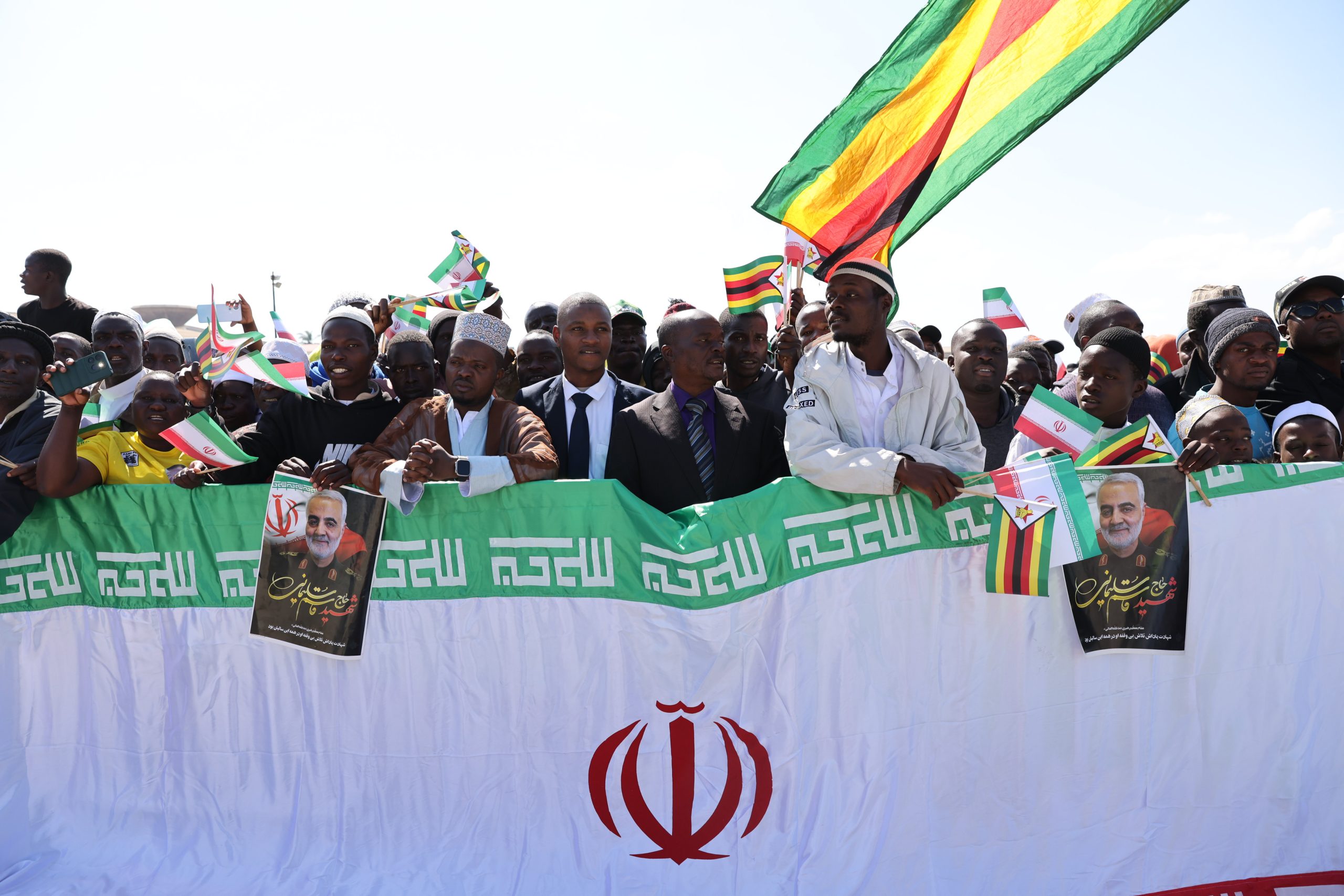
Washington is concerned about the security of its citizens and its military and diplomatic bases in Africa, according to a report published by the French magazine Jeune Afrique.
The report indicated that the US State Department issued an alert on March 22 urging Americans living abroad to exercise increased vigilance.
On March 10, the U.S. Embassy in Djibouti issued a warning to its citizens residing in the country, and the State Department announced a reduction in embassy staff.
However, there are unmistakable signs of the extent of U.S. concerns. On March 1, the day after the announcement of Ayatollah Ali Khamenei’s death, thousands of members of the Islamic Movement in Nigeria (IMN), a Shiite group loyal to Iran, demonstrated in several northern cities.
Nigeria is already a cornerstone of Tehran’s strategy in Africa, where the regime has built a strong support network.
A U.S. security source based in West Africa told Jeune Afrique that, given Iran’s reactions, it is likely that its proxies will launch some kind of retaliatory attack against U.S. and Israeli facilities.
Sources
- Africa Is Already Feeling the Impact of the Iran War [Analysis]
- Africa: When Tehran Burns, Africa Pays - Fuel, Geopolitics and the Cost of Living
- From the Gulf to the Sahel: How the Iran-Israel War Is Threatening West Africa’s Fragile Economies [Study]
- Why the Iran war is coming at the wrong time for Africa [German]