Al-Shawadfi: Egyptian Preacher with Global Reach Killed in Unexplained Attack in the Philippines
During his years in the Philippines, al-Shawadfi earned the nickname “Teacher of Peace.”
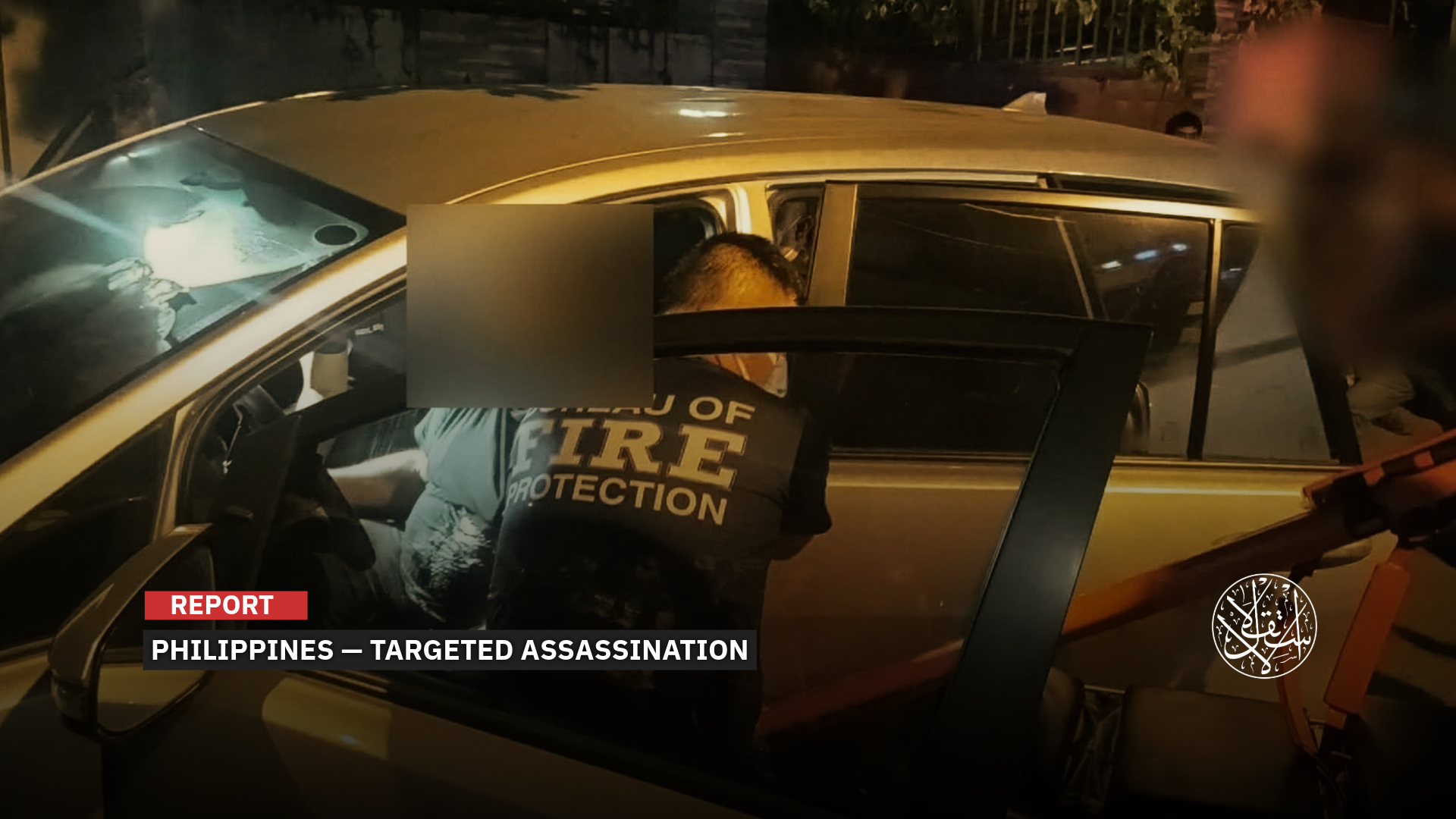
In an incident that bore the hallmarks of a targeted assassination rather than a routine criminal act, the Egyptian Islamic preacher Dr Abdelrahman al-Shawadfi was killed in the southern Philippine city of Zamboanga.
Al-Shawadfi died on the evening of November 29, 2025, after being shot at close range by an unidentified gunman riding a motorcycle.
CCTV cameras captured the attack in full, rekindling concerns over the long pattern of assaults on Islamic preachers and religious leaders in the southern Philippines.
The killing has prompted a wave of questions about possible motives and the broader context, particularly given the complex interplay between religious and political forces in the Muslim Moro areas, which have endured decades of tension and conflict.
The significance of the incident lies in the fact that the victim was not a local cleric, but a well-known Egyptian preacher active across the Bangsamoro region and the city of Cotabato.
His work in education and charitable initiatives is widely seen as having contributed to a stronger contemporary Islamic presence in mixed communities where Muslims, Christians, and Indigenous groups live side by side.
How Did the Assassination Happen?
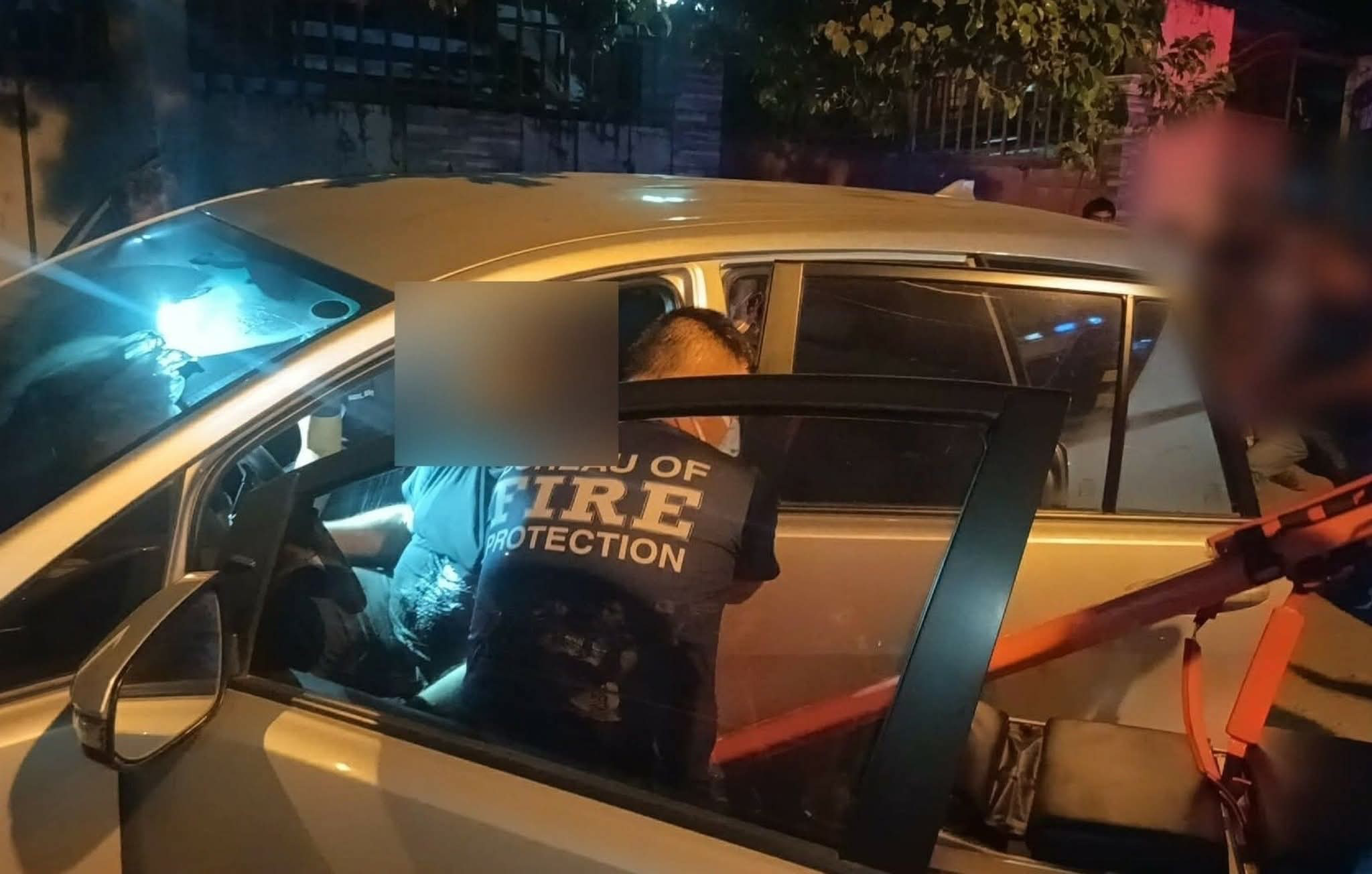
Initial information released by Philippine police indicates that al-Shawadfi, 47, had been driving a gray Toyota Innova with an unidentified passenger when he entered a side road in the Lumbangan district of Zamboanga City.
According to investigators, an armed man on a motorcycle drew near, then dismounted with speed and precision before walking directly to the driver’s door and firing several shots at close range, hitting al-Shawadfi in the head and chest.
After carrying out the attack, the assailant returned to his motorcycle and fled within seconds.
Surrounding CCTV cameras captured the sequence of the attack clearly, a detail authorities described as crucial evidence that could help trace the gunman’s route.
Local witnesses said they heard a burst of gunfire before seeing the motorcycle speed away toward one of the inner alleys.
According to the Philippine Star, the preacher had been on his way to inspect a property when the shooting occurred. Emergency responders transported him to a Zamboanga hospital, but he was pronounced dead on arrival as a result of severe bleeding from his wounds.
Police have been treating the case as a planned assassination since the earliest hours of the investigation, noting that the professional manner of execution suggested prior monitoring of al-Shawadfi’s movements and an intentional choice of a time and place with minimal foot traffic.
During his years in the southern Philippines, al-Shawadfi was widely known as the “Teacher of Peace,” a reference to his prominent role in initiatives aimed at fostering understanding among Muslims, Christians, and Indigenous communities, alongside his extensive work in education and charitable outreach.
He served as the administrative director of Asia Academy, a school that enrolls hundreds of children from low-income families, and last year he established a small Islamic school in the Cotabato City.
According to Ali Abdel Raziq, a researcher on new Muslim communities, al-Shawadfi was not a traditional preacher, but a field-based figure who worked daily in villages and poor neighborhoods, taking part in relief campaigns, distributing aid and organizing study circles and lessons for new Muslims.
These activities earned him wide respect in local circles, not only among Muslims, but also within Christian communities and among local officials, who praised his moderate tone and social engagement.
Brig Gen Edwin Quilates, police chief for the Zamboanga Peninsula, said al-Shawadfi was well known in Cotabato and the Bangsamoro region, adding that he “contributed to dialogue and coexistence initiatives over the past years.”
Targeting Preachers
Philippine observers have not treated al-Shawadfi’s killing as an ordinary criminal incident, but have instead linked it to a long series of attacks targeting Islamic preachers and workers in the religious field, both in the Muslim-majority south and the predominantly Christian north.
Among the most notable precedents was the killing of the Filipino Islamic preacher Abdullah Badjem the on December 6, 2018, in the northern city of Baguio.
Badjem was assassinated outside an Islamic educational institute when a masked gunman shot him four times in the head and chest.
Badjem had been a key figure at the Discover Islam Center, overseeing programs that, according to the center’s records, led more than 770 people to embrace Islam within just a few years.
He also served as a volunteer imam at the Philippine Military Academy, the institution that produces most of the country’s military leadership, a role that gave his presence added symbolic weight in a society marked by enduring religious and political sensitivities.
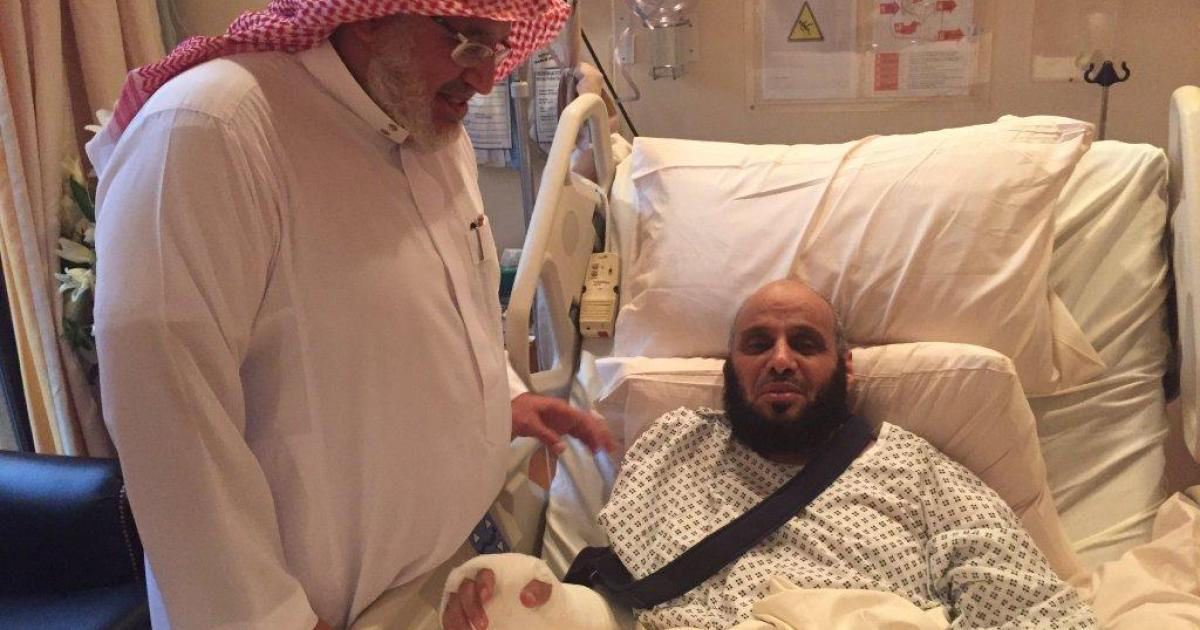
In 2016, Saudi preacher Aaidh al-Qarni was shot after giving a lecture in Zamboanga City, an attack that left him and several companions wounded. No group claimed responsibility at the time, although the International Union of Muslim Scholars condemned the shooting and described it as “an act of terrorism,” urging the government to identify those involved.
Across several decades, the Muslim Moro areas have witnessed repeated waves of violence against preachers and imams during the 1970s and 1980s, often carried out by extremist Christian militias, amid a bloody conflict with Islamic movements leading resistance efforts in the south.
The Manili Mosque massacre of 1971 remains one of the most horrific of these events, with around 70 Muslims killed, including preachers and teachers, by extremist Christian militias, in what many researchers regard as part of an organized attempt to curtail the spread of Islam in specific areas.
Observers offer several explanations for this recurring pattern of assassinations, among them the view that the Philippines has, over the past two decades, ranked among the countries with the fastest growth in the number of new Muslims.
Islamic centers note that mixed areas, particularly in Luzon and the predominantly Christian north, have witnessed a marked rise in conversions among non-Muslim residents.
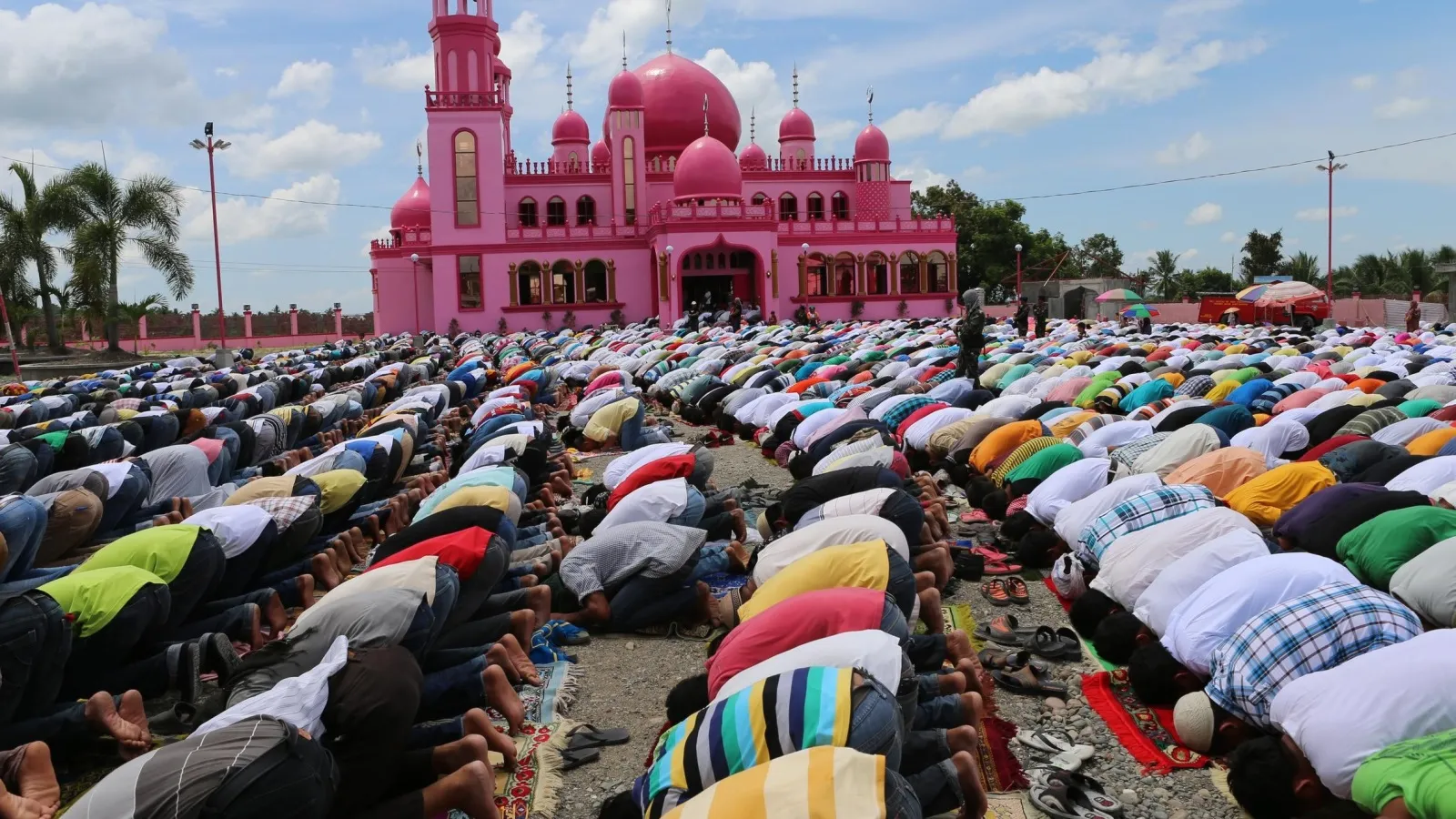
The Muslim population of the Philippines stands at around 5.1 million, or roughly 6 percent of the total population. Most are concentrated in the south, in regions such as Mindanao, the Sulu archipelago and Palawan, the area known as Bangsamoro or the Moro region.
Some researchers argue that preachers who gain significant visibility in these areas can become potential targets, whether for extremist groups or for actors who fear the growing influence of Islamic religious outreach, especially in regions undergoing rapid social and religious change.
Added to this is the long history of discrimination faced by Filipino Muslims over the past century, beginning with the American colonial period and continuing under successive post-independence governments.
Although the Tripoli Agreement was signed on December 23, 1976, stipulating autonomy for the Moro areas, successive administrations, including that of Ferdinand Marcos, did not honor its provisions, a failure that contributed to deteriorating conditions and the eruption of armed conflict that continued for decades.
Among the most notorious militias accused of targeting Muslims was the extremist group Ilaga, which has been blamed for widespread atrocities, including the burning of homes, mosques and schools, as well as the displacement of thousands of families. The influence of some of its members remains present in certain areas today.
Targeted Assassination
Dr Mohammed Abu Zaid, a professor at al-Azhar University, told Al-Estiklal that the killing of the Egyptian preacher Abdelrahman al-Shawadfi in the Philippines “appears closer to a targeted assassination linked to his religious and social work, rather than an ordinary criminal act.”
“Al-Shawadfi was clearly targeted because of his activities, the nature of his work, and his growing presence in religiously mixed areas. It is difficult to separate the crime from the context of his outreach and community efforts.”
“We are looking at a figure who left a tangible impact among new Muslims, particularly young people, and also among segments of the Christian community who viewed him as a model of ethics and humanity. This is a highly sensitive factor in a country marked by intense competition over religious discourse and social influence,” he added.
Abu Zaid explained that the incident “reveals a set of serious challenges,” foremost among them the rising security risks facing both local and foreign preachers in specific parts of the Philippines.
“Religious outreach there has become so fraught with danger that many Islamic institutions may reconsider sending their envoys or supporting new field projects.”
“When preachers with strong community ties are repeatedly targeted, the message to those working in the field is that the price may be their lives,” he said.
“What is striking is that the preachers who are usually targeted are the ones most closely connected to ordinary people, the most active in education, relief work and charitable projects.” He stressed, “The loss of such figures does not simply mean losing a sermon-giver or lecturer, it means a profound vacuum in neighborhoods and villages that rely on them for education, problem-solving, distributing aid and supporting new Muslims. The poor are the first to pay that price.”
Abu Zaid said these assassinations place the Philippine government before a real test, adding, “The Islamic world is watching to see how the authorities will respond to these crimes. Will they uncover the perpetrators and provide better protection for those working in the Islamic field, or will the Philippines become increasingly seen as unsafe by religious institutions and community figures?”
“The assassination of Abdelrahman al-Shawadfi goes beyond being a crime against an individual. It reflects a complex reality in the Philippines, where religious tension intersects with state policies within a dense web of interactions,” he concluded.
Sources
- The Full Details of the Killing of a Prominent Egyptian Preacher Shot Dead in the Philippines [Arabic]
- “Muslim Scholars” Condemn the Shooting of Saudi Preacher al-Qarni in the Philippines [Arabic]
- Assassination of a Renowned Islamic Preacher Who Guided Hundreds of Thousands to Islam in the Philippines [Arabic]
- Islam in the Philippines: What Every Muslim Should Know About the Moro Muslims [Arabic]