Controversial Pardon: Will Netanyahu Succeed in Escaping Punishment?
“Netanyahu's critics suggested he should retire from politics or call early elections.”
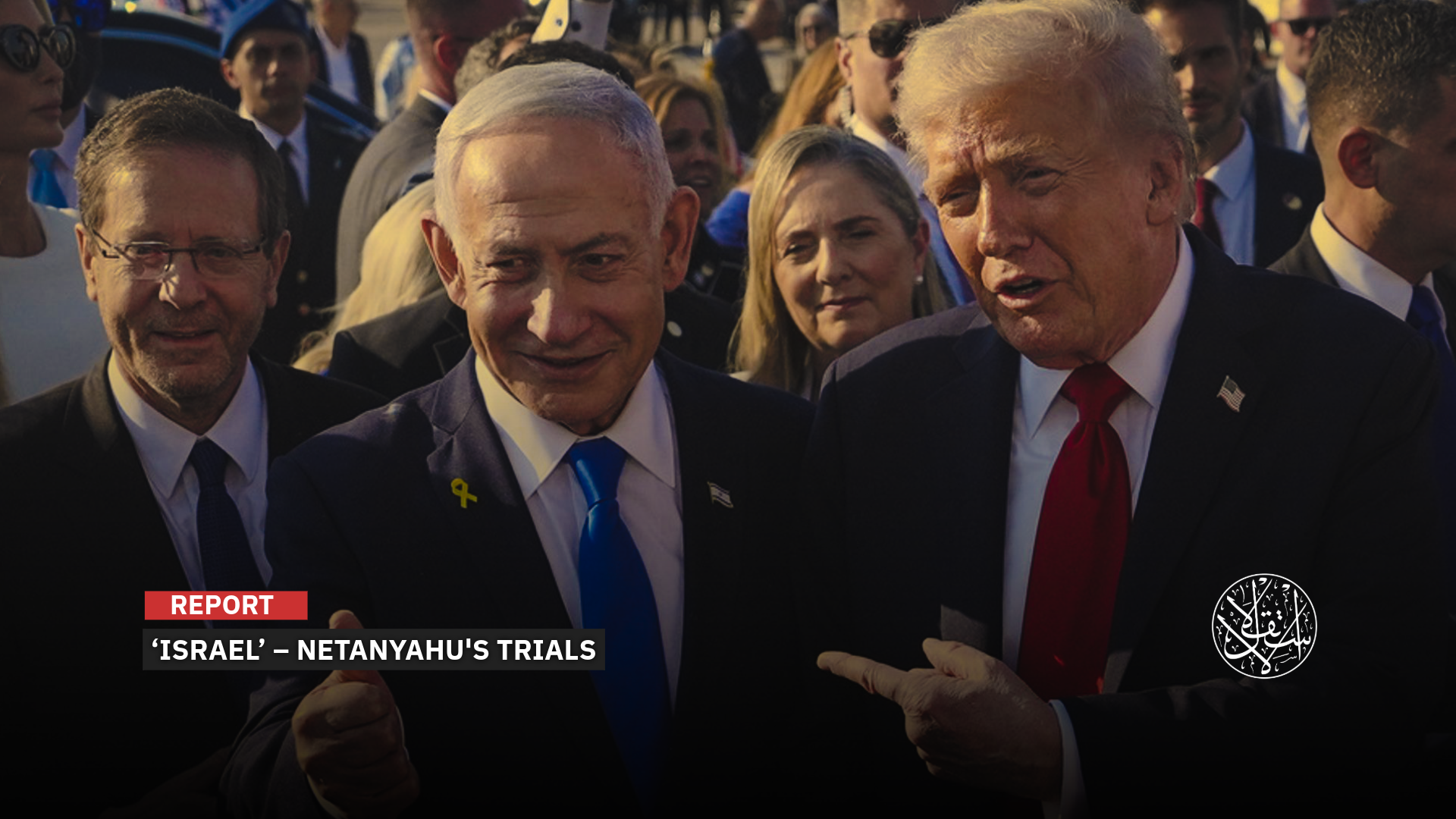
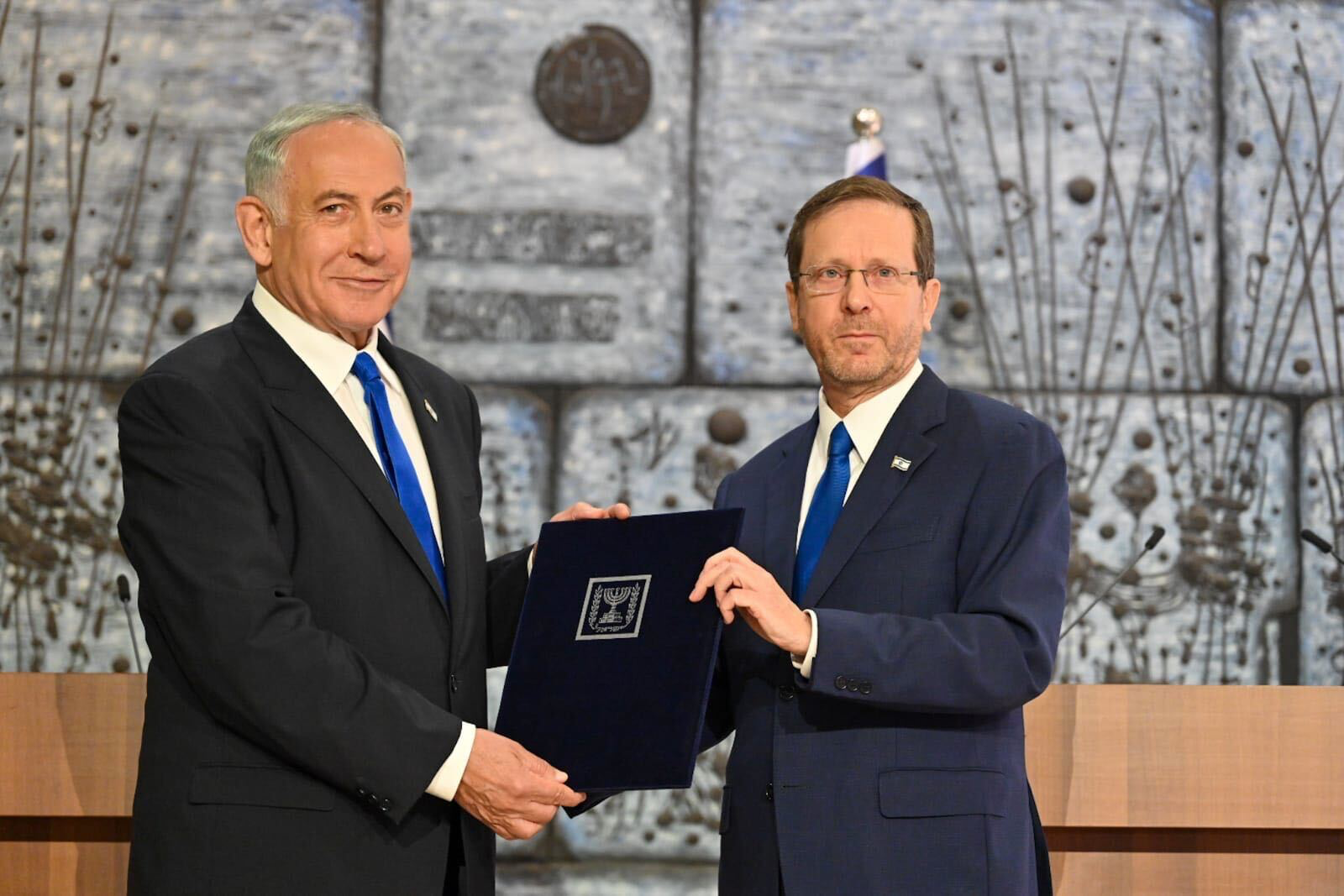
Israeli Prime Minister Benjamin Netanyahu, with the direct support of US President Donald Trump, formally requested a pardon from Israeli President Isaac Herzog, a move that sparked a political storm in “Israel”.
Netanyahu, who is facing charges in three corruption cases, including bribery, fraud, and breach of trust, did not plead guilty in his letter, arguing that the president has the authority to grant such a pardon.
While several ministers rushed to defend the pardon, the opposition insisted that Netanyahu's request should be rejected, accusing him of trying to evade prosecution without taking responsibility.
Herzog's response was cautious. He affirmed that he would consider the request sincerely, but acknowledged that the issue was causing widespread concern and division within Israeli society.
The fallout from Netanyahu's recent trial has created a rift in Israeli society between those who support the request and those who oppose it unless Netanyahu pleads guilty and resigns from office.
Israel's Channel 12 reported that Netanyahu's trial session was held on December 1st, but the judges did not address his request for a presidential pardon.
Netanyahu's Trial
Netanyahu continues to maneuver to escape his legal crisis, having requested a pardon without admitting guilt in the three corruption cases that have plagued him for years.
He has repeatedly asked for the cancellation or shortening of his trial sessions, citing travel, security and political reasons, or his preoccupation with the Israeli offensive in the Gaza Strip, which has been ongoing for over two years.
Between Case 1000, concerning lavish gifts from businessmen; Case 2000, related to alleged agreements with the publisher of Yediot Aharonot to ensure favorable coverage; and Case 4000, connected to favors he allegedly granted to the owner of the Walla! news site in exchange for media support, Netanyahu teeters on the brink of conviction, which could land him in prison.
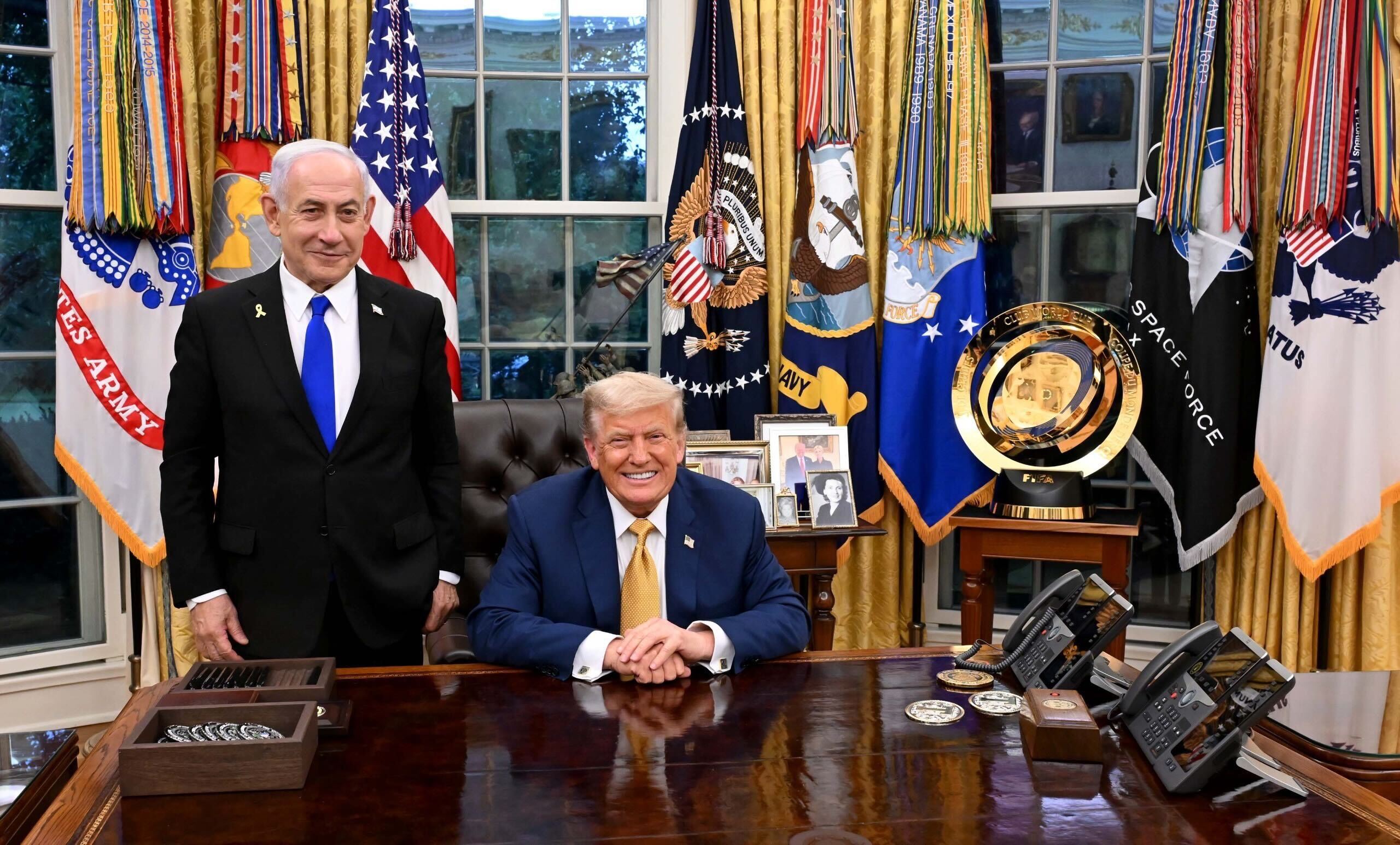
As the pressure mounts, Netanyahu appears to be relying on his friendship with Trump, who sent an official letter to President Herzog urging him to grant a pardon to what he called a leader who guided “Israel” with a decisive hand during wartime.
In a letter from his legal team, Netanyahu's lawyers asserted that a pardon would allow the prime minister to dedicate his efforts to preparing for the next sensitive political phase in the Middle East.
Netanyahu's political allies supported the pardon. Right-wing National Security Minister Itamar Ben-Gvir endorsed the request, stating that it was of paramount importance to the security of the state.
Foreign Minister Gideon Sa'ar argued that ending the prime minister's trial was in the best interest of the state and its unity.
In turn, the Israeli presidency announced on December 1, 2025, that it had not set any conditions for Netanyahu's request for a pardon from his corruption trial.
The statement indicated that Herzog had not yet begun discussing the matter and emphasized that he would not be swayed by pressure from any quarter and would consider the request responsibly and with due seriousness.
The Israeli newspaper Haaretz reported that Herzog was likely to demand concessions from Netanyahu in exchange for a presidential pardon, such as establishing a government commission of inquiry into the events of October 7, halting legislation against the judiciary, or preventing government control over the media.
Herzog intends to make a decision regarding Netanyahu in consultation with the Supreme Court division of the Justice Ministry to ensure the move is subject to judicial review.
However, if Herzog goes against the position of Attorney General Gali Baharav-Miara, he will likely have to defend the move in petitions that could even lead to its annulment.
It should be noted that Herzog still insists on following proper procedures, especially after Trump asked him last month to pardon Netanyahu.
The Israeli President's Office stated that anyone requesting a pardon must submit a request according to the rules.
Political Opposition
The opposition was quick to criticize Netanyahu's request, as he has faced accusations of inciting division within Israeli society and prolonging the war in Gaza for his own political gain.
Prominent opponents argued that any pardon must be conditional on Netanyahu leaving political life and admitting guilt, while others called for early national elections before any pardon decision.
In this context, former Prime Minister Naftali Bennett said, “I will support ending the trial if Netanyahu agrees to withdraw from the political scene, in order to get Israel out of this mess.”
Opposition leader Yair Lapid said that there should be no pardon without Netanyahu admitting guilt, expressing remorse and retiring from public life.
Yair Golan, head of the left-wing Democratic Party, said on X, “Only the guilty ask for a pardon.”
Former justice minister Haim Ramon said on 1 December: “There will be no pardon. It is impossible to resolve this story at this moment without Netanyahu retiring from political life.”
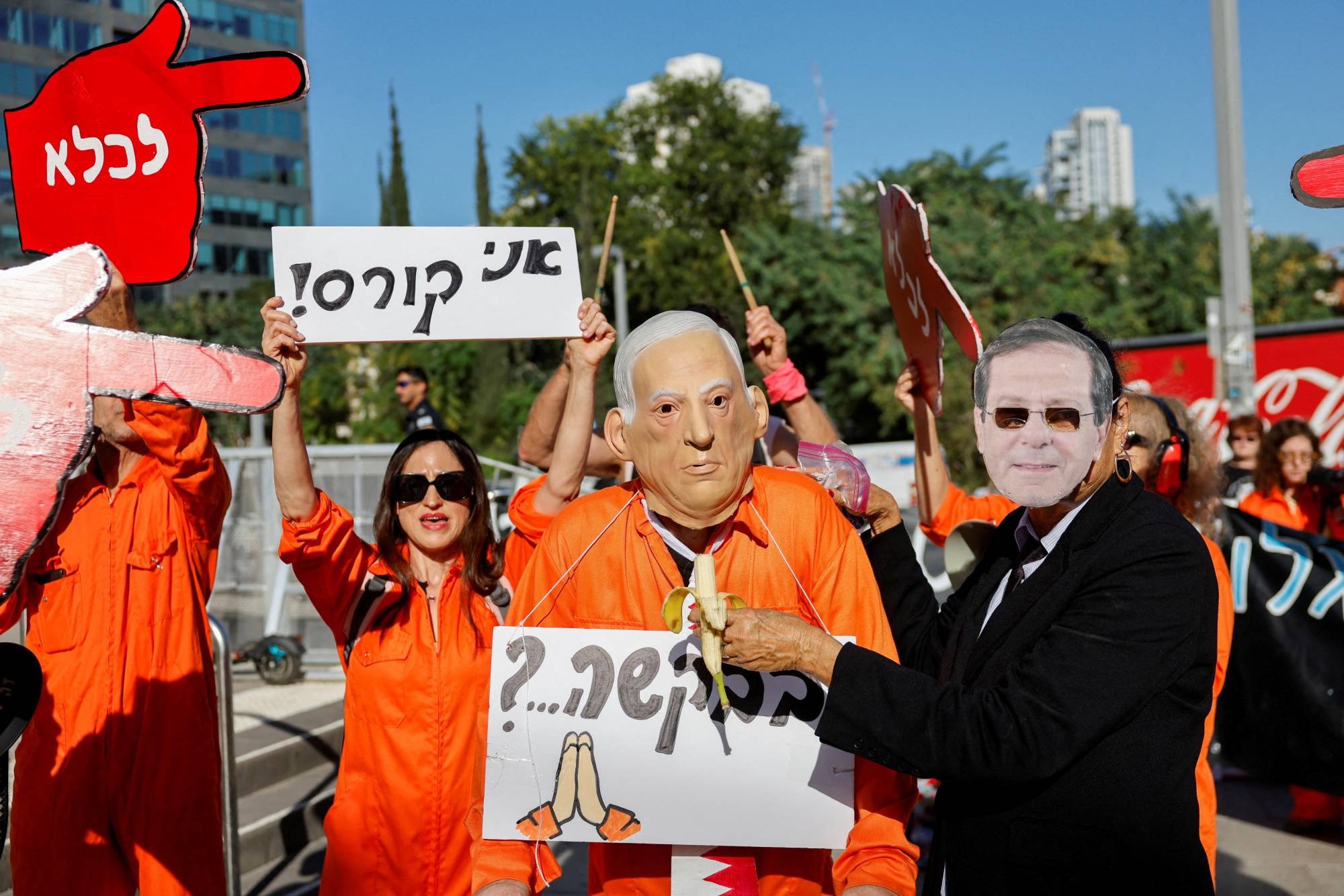
On the popular level, hundreds of Israelis demonstrated in Jerusalem against granting Netanyahu a pardon.
They emphasized that “Israel” is not Trump’s protectorate, demanding the completion of the investigation and the prosecution of those responsible.
Baharav-Miara explained that only a guilty plea could mitigate the sentence, accusing Netanyahu of having sought for years to undermine the judicial system—a battle that culminated in his recent attempt to dismiss her.
Protesters gathered outside the court where Netanyahu’s trial is being held, some wearing orange jumpsuits similar to those worn by prisoners, demanding Netanyahu’s arrest.
Interest in Netanyahu’s trial has returned after the ceasefire deal in Gaza, which he deliberately prolonged for political reasons related to remaining free from prosecution.
He and his extremist government launched a campaign to curtail the powers of the judiciary, sparking widespread protests and Western concerns about Israeli democracy.
Over the past few weeks, Netanyahu has adopted He delivered an anti-judicial speech after having temporarily backed away from his plans for judicial reforms.
Legal Challenges
Netanyahu's unprecedented request for a pre-conviction pardon raises complex legal questions, especially without admitting guilt.
Legal experts say the president is unlikely to grant a pardon for a trial that is ongoing — usually pardons come only after a conviction.
One former prime minister, Ehud Olmert, requested — and was rejected — a pardon for corruption crimes that led to his resignation and the end of his political career.
Netanyahu has repeatedly protested his innocence and denies any wrongdoing, calling the trial a political witch-hunt orchestrated by the deep state.
If Netanyahu is convicted in the cases against him, it would be a devastating blow that could jeopardize his chances of regaining public trust.
However, if he receives a pardon during the trial, it would be interpreted as a preemptive measure to protect him, allowing him to remain in the political arena and run for another term as prime minister in the elections scheduled for October 2026.
Barak Medina, a professor of law and economics at Tel Aviv University, believes Netanyahu's request lacks a legal basis and faces several crucial obstacles that could make its approval virtually impossible—and might even end Netanyahu's term immediately if granted.
An Israeli court previously allowed pre-conviction pardons for Shin Bet officials in 1986, but that precedent was based on the defendants' confessions and their resignations to protect security secrets.
Netanyahu, however, does not admit to any wrongdoing and has no intention of resigning, making his request far removed from the conditions previously established by the court.
The Attorney General now has the power to halt any trial if the public interest so requires, which could weaken the option of seeking a presidential pardon.
Netanyahu claims that his trial is hindering his ability to perform his duties, but this directly contradicts ‘the Basic Law: The Government’, which allows for the trial of a sitting prime minister.
Netanyahu himself previously asserted in court that he is capable of running the government despite the ongoing trial, and therefore he cannot use the same justification to request a pardon now.
Legal precedent indicates that any defendant who requests a pardon forfeits the right to a trial, and the indictment alone is sufficient to disqualify them from holding any public office.
In other words, granting Netanyahu a pardon would effectively end his term immediately. Even if the pardon were to eliminate any potential penalties, the law does not allow for the removal of the moral disgrace resulting from confessing or requesting a pardon.
Madina indicated that the only solution that might offer Netanyahu a legal way out is for him to formally acknowledge and accept the existence of a moral failing that prevents him from continuing in office, followed by a presidential pardon for the sentence only, not its political repercussions, while the other option is for the trial to proceed to its conclusion.
There is no doubt that Netanyahu is trying to buy time and muddy the waters, as his request comes at a sensitive time, with “Israel” effectively entering an election year scheduled for next October, unless early elections are called.
Israeli analyst Benny Ashkenazi, writing in the newspaper Israel Hayom, says that the Prime Minister's request for a presidential pardon carries clear political considerations.
He added that Netanyahu realizes his chances are slim, but this move shifts the focus of the public debate from the controversial draft law exempting ultra-Orthodox Jews (Haredim) from military service, which currently poses a political obstacle for him, to the pardon request.
He stressed that this move would greatly benefit Netanyahu in his election campaign, noting that if he were granted a pardon, it would undoubtedly be a major achievement for him.
“Even if it were rejected, it would allow him to claim that the charges against him were baseless, and that the president himself refused to grant him a pardon,” he said.
Sources
- What You Need to Know About Netanyahu's Bid for a Presidential Pardon in His Corruption Trial
- ‘With Netanyahu everything is possible’ — will Israeli PM receive pardon?
- Herzog Is Likely to Demand Concessions From Netanyahu in Exchange for Presidential Pardon
- The problematic contradiction in Netanyahu's pardon request [Hebrew]
- Netanyahu in Focus: Knesset Demands Immediate Steps from the Attorney General [Hebrew]