Lack of Social Protection Globally and How It Affects Immigrants
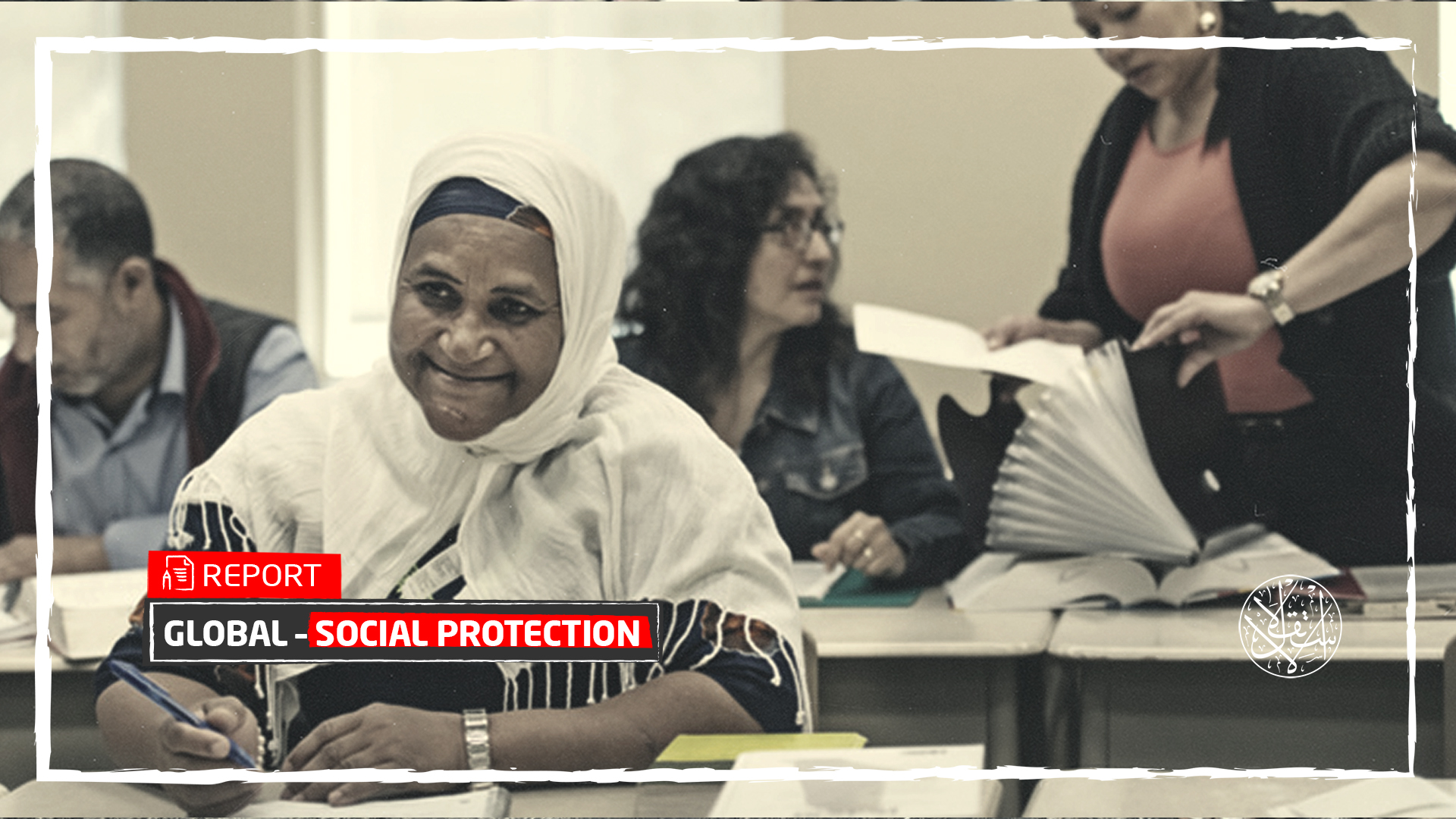
The International Labor Organization (ILO) published a new report a couple of days ago affirming that more than 4 billion people around the world have no social protection. The ILO Director-General Guy Ryder said on Wednesday 1st September at a news conference that “Effective and comprehensive social protection is not just essential for social justice and decent work but for creating a sustainable and resilient future too."
The ILO report proclaimed “the lack of social protection leaves people vulnerable to ill-health, poverty, inequality and social exclusion throughout their lifecycle. Denying this human right to 4 billion people worldwide is a significant obstacle to economic and social development.”
The UNICEF overview of international practices about the social protection of Migrants stated that “Migrants, refugees and asylum seekers often face recurrent and seemingly insurmountable barriers in accessing social protection as a right in countries of destination, especially in low- and middle-income countries.”
In this regard, Director of Human Rights Monitor Salma Ashraf said to Al-Estiklal: “Social protection is a very necessary requirement, especially for refugees who fled their countries as a result of wars or humanitarian or political circumstances. As long as the state accepts their presence, it is obligated to provide them with free access to social services.”
Loss of Social Protection
The ILO report disclosed that “currently, only 47 percent of the global population are effectively covered by at least one social protection benefit, while 4.1 billion people (53 percent) obtain no income security at all from their national social protection system.” It explained that “there are significant regional inequalities in social protection. Europe and Central Asia have the highest rates of coverage, with 84 percent of people being covered by at least one benefit.”
It added, “The Americas are also above the global average, with 64.3 percent. Asia and the Pacific (44 percent), the Arab States (40 percent) and Africa (17.4 percent) have marked coverage gaps.”
Basic Need for Migrants
Salma Ashraf stressed to Al-Estiklal that “the Social protection for migrants, refugees and asylum seekers is fundamental to facilitate their integration into the host country.” In fact, it is necessary to mention that social protection does not only cover the health care and retirement income security, but it also helps during vulnerable situations like unemployment, sickness, disability, work injury, maternity, or loss of the main income earner, as well as providing appropriate help for families with children.
Salma Ashraf pointed out that “social protection is very necessary to maintain social justice, to provide equal opportunities, and protect refugees, especially those who leave work and retirees.”
She explained, “Otherwise, chaos will prevail, and illegal acts will become abundant due to extreme poverty and the need to provide for survival.”
Shahra Razavi, Director, ILO Social Protection Department, on her part, said in an interview with The Hill Newspaper that “Social protection is an important tool that can create wide-ranging social and economic benefits for countries at all levels of development. It can underpin better health and education, greater equality, more sustainable economic systems, better-managed migration and the observance of core rights.”
She stressed that “building the systems that can deliver these positive outcomes will require a mix of financing sources and greater international solidarity, particularly with support for poorer countries. But the benefits of success will reach beyond national borders to benefit us all.”
Barriers to Health Care
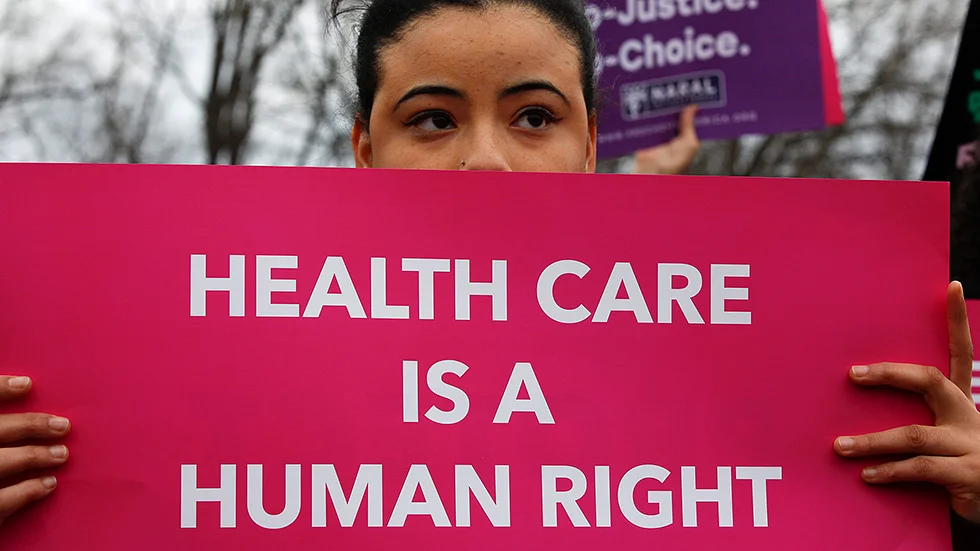
Ai Seon Kuan, Ph.D. student at Oxford University, elucidated in her study “Barriers to health care services for migrants” that “there are substantial gaps in the health care system provided to migrants that need to be filled. There is a lack of professional medical interpreters and training programs. A lack of legal framework for medical interpreting, and inadequacy in the dispersal of information on existing resources may facilitate the integration of migrants into society and the health care system. Overcoming these barriers may improve migrants’ access to health services.”
The joint council for the welfare of immigrant official website quoted Joseph undocumented immigrant saying: “I just try as much as possible not to get sick. I know you can’t prevent it, but if I had pain, I would never go [to the doctor]. I can’t call the ambulance or anything, I would never have done that because of the fear.”
Another study about Barriers to health care for undocumented immigrants explained that “Individual barriers included fear of deportation, communication ability, financial resources, shame/ stigma, and knowledge about the health care system.
“Fear of deportation, whether real or imagined, was identified as a barrier. Undocumented immigrants reported avoiding health care and waiting until health issues were critical to seek services because of their concerns of being reported to authorities. This was seen in countries as diverse as France, the US, and Denmark.”
Alessandra Piacenti published an article about “Migrants’ Access to Healthcare: Barriers to Wellbeing,” in which she says: “The main barriers to benefit from the health care services for ‘Undocumented’ migrants was the inability to provide paperwork (such as proof of ID or address), and as a general misunderstanding of guidelines from healthcare representatives.” Piacenti continued, “Many tend to refuse or only temporarily register those migrants unable to provide documentation. This trend particularly affects vulnerable groups such as undocumented migrants and their children, asylum seekers and recently arrived migrants, who may be denied treatment because they do not yet possess the ‘necessary’ documentation.”
Perpetuating the Cycle
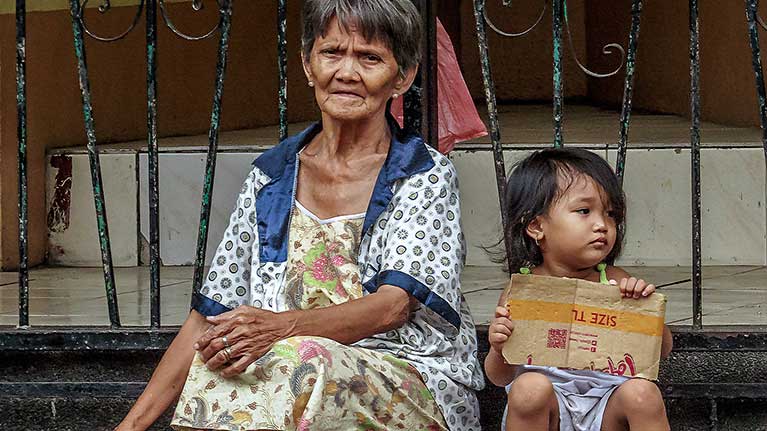
The disparity in social protection is present on two levels. First in the same country between the high-income and low-income people. Second, countries’ spendings on social protection also vary.
The ILO released two warnings that “the current gaps in social protection could compromise recovery plans, expose millions to poverty, and affect global readiness to cope with crises similar to coronavirus in future.”
The report added, “Government spending on social protection also varies significantly. On average, countries spend 12.8 percent of their gross domestic product (GDP) on social protection (excluding health), however, high-income countries spend 16.4 percent, and low-income countries only 1.1 percent of their GDP on social protection.”
Salma Ashraf said to Al-Estiklal: “Social protection prevents wide class differences between members of the same society and eventually from deep clashes between those on the top and those on the bottom.”
Salma added “Equal benefit from the social protection can erase the reproduction and perpetuation of the Immigrants status-Quo. In another word, social protection can provide better opportunities for the children of poor and low-income migrants. Thus a better future for all.”
Sources
- More than 4 billion people still lack any social protection, ILO report finds
- Over 4B people worldwide have no social protection: Report
- More than 4 billion people worldwide without social protection - ILO
- Migrants’ and refugees’ health status and healthcare in Europe: a scoping literature review
- Barriers to health care services in migrants and potential strategies to improve accessibility: A qualitative analysis
- Improving Social Protection for Migrants, Refugees and Asylum Seekers