Mohammad Bagher Ghalibaf: Iran’s Wartime Parliament Speaker and Washington’s Backchannel for Negotiation
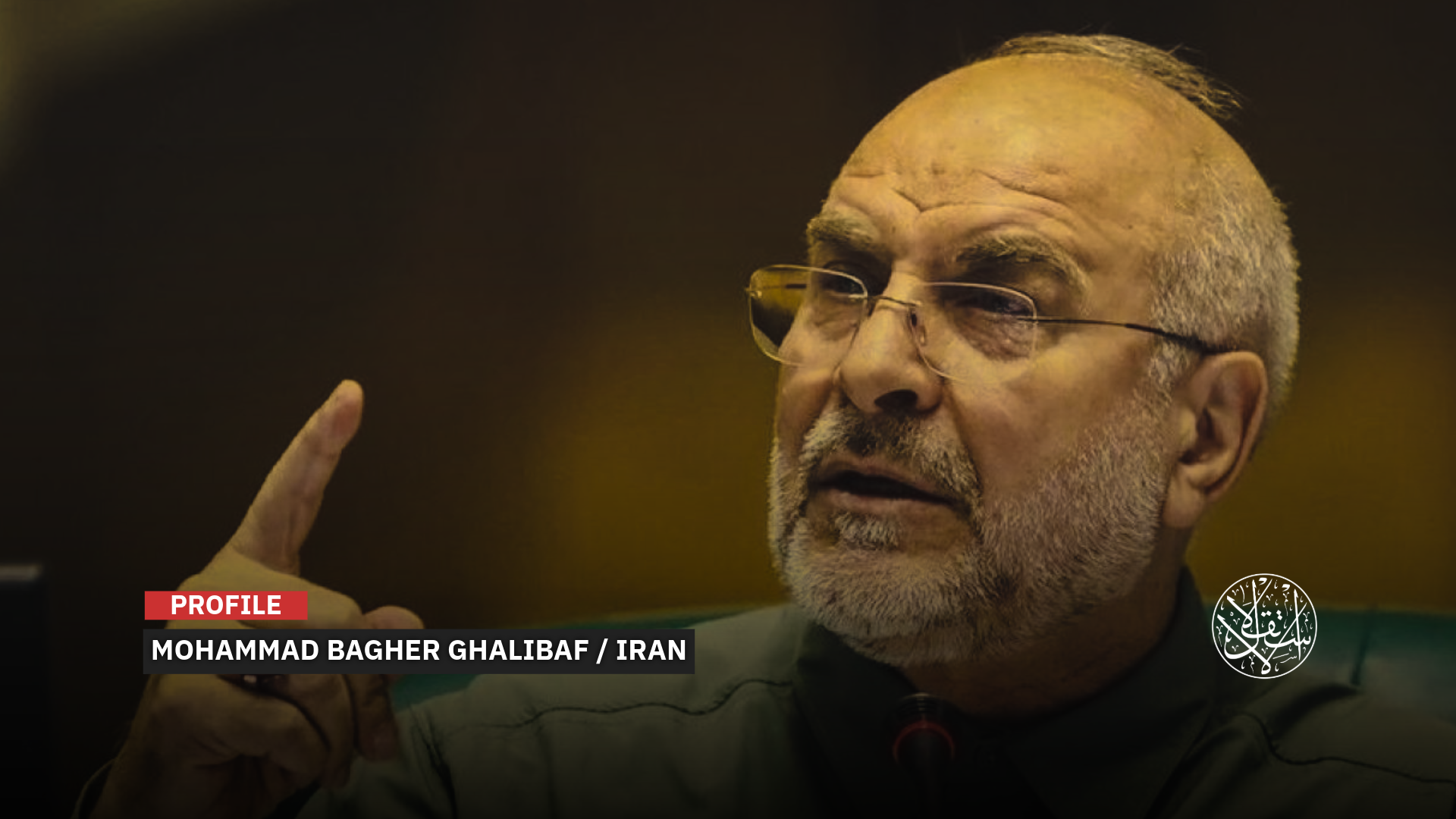
Mohammad Bagher Ghalibaf has built his image on his ability to manage and maneuver.
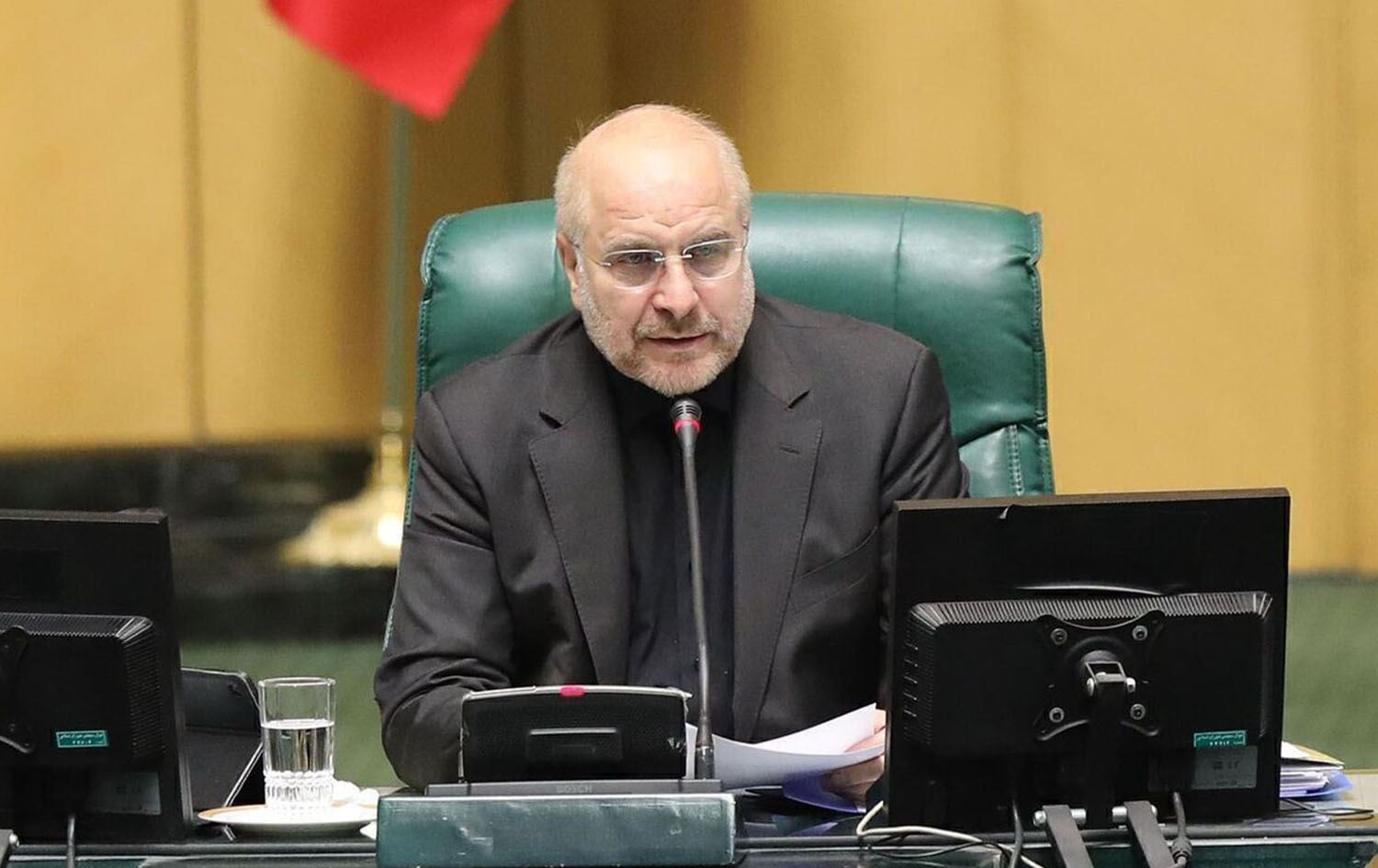
At one of Tehran’s most sensitive moments, the name of Mohammad Bagher Ghalibaf has returned to the forefront not as one of Iran’s most hard-line figures, but as a potential channel of communication with the administration of U.S. President Donald Trump.
Ghalibaf has since emerged as a central pillar of power in the country, particularly following the assassination of Supreme Leader Ali Khamenei and several prominent figures, to the extent that Hebrew and Western media report he has taken charge of talks with the Trump administration in an effort to de-escalate tensions and bring the U.S.-Israeli War on Iran to an end.
From IRGC to Parliament
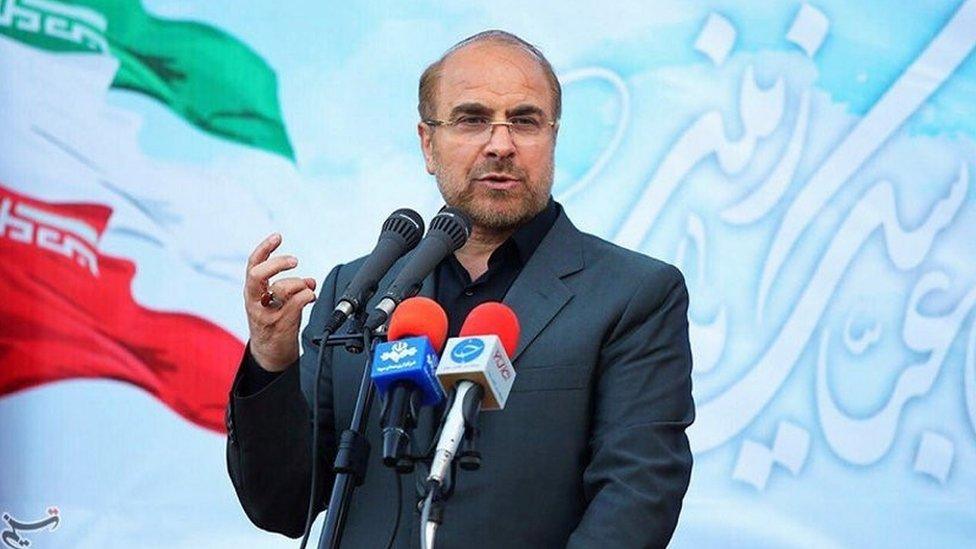
Mohammad Bagher Ghalibaf was born in 1961 in Torqabeh, in eastern Iran, and grew up in a modest family far removed from the religious establishment.
With the outbreak of the Iran-Iraq War in 1980, he joined the Islamic Revolutionary Guard Corps (IRGC) at a young age, rising within three years to the rank of general and later taking command of its air force division.
In the years that followed the war, he led the IRGC’s construction arm before becoming air force commander—a trajectory that gave him both security and administrative experience. The blend helped shape a figure with a military mindset, but one equally versed in managing large-scale projects, paving the way for a later civilian role.
Ghalibaf took part in the suppression of student protests in 1999 and was among those who signed a letter to then reformist president Mohammad Khatami warning that they would step in to crush the unrest if he did not act.
He was later appointed national police chief, where his record reflected a dual approach: ordering forces to open fire on protesters in 2002, while also launching programs to modernize the police and improve its public image and services.
That tension, between force and reform, would come to define him, earning him the label of a “pragmatic hardliner.” In 2005, he ran for president but lost to Mahmoud Ahmadinejad.
He returned to prominence when he was appointed mayor of Tehran after Ahmadinejad left office, a post he held until 2017.
His years at city hall were not without controversy, including allegations of corruption—among them claims, reported by independent media, that funds from the municipal budget were directed to his wife.
After three further unsuccessful presidential bids in 2013, 2017, and 2024, he returned to parliament, becoming speaker in 2020, a position he holds to this day.
His rise across roles, from military commander to police chief, mayor, and ultimately parliament speaker, has made him a rare bridge between Iran’s civilian and military institutions.
What sets him apart from figures such as former national security council chief Ali Larijani or his predecessor Saeed Jalili is this mix of rigidity and pragmatism.
Larijani has long been cast as a moderate technocrat close to the clerical establishment, while Jalili is associated with ideological hardline positions.
Ghalibaf, by contrast, has built his image on his ability to manage and maneuver, to the point that some Western diplomats have viewed him as a figure who could be “usable” both inside and outside the government.
Why Is His Name Back in Focus?
The name of Mohammad Bagher Ghalibaf began to resurface in the aftermath of the U.S.-Israeli War on Iran in which Supreme Leader Ali Khamenei and several senior figures were assassinated.
Faced with a leadership vacuum, the authorities turned to Ghalibaf—parliament speaker and former general—as a forceful voice, issuing threats of retaliation and promising painful operations against the United States and the Israeli Occupation.
In one parliamentary address, he directed his remarks at Donald Trump and Israeli Prime Minister Benjamin Netanyahu, saying: “They have crossed our red line and must pay the price.”
In a separate post on X, he warned companies buying U.S. Treasury bonds that they were stained with Iranian blood, adding that anyone purchasing them was effectively inviting a strike on their headquarters and assets—rhetoric that reinforced his image as a wartime figure and bolstered his standing among hardliners.
At the same time, Israeli and American media reports began to circulate claims that Ghalibaf was acting as a backchannel for talks with the Trump administration.
Reuters cited an Israeli official and another source as saying he was negotiating on Iran’s behalf, while Politico reported that some within the Trump administration viewed him as a figure they could work with and potentially one who could lead Iran in the future.
Israel’s Channel 12 claimed that Tehran was prepared to offer “very significant concessions” on its nuclear program and that the leaks were intended to sow divisions within the government.
These reports gained traction in the same week that Trump threatened to strike Iranian infrastructure and power stations before temporarily stepping back, fueling speculation about possible mediation.
Ghalibaf himself moved quickly to deny the reports. “No negotiations have been held with the U.S., and fake news is used to manipulate the financial and oil markets and escape the quagmire in which the U.S. and Israel are trapped,” Ghalibaf said in a post on X last week.
“Iranian people demand complete and remorseful punishment of the aggressors.”
“All Iranian officials stand firmly behind their supreme leader and people until this goal is achieved,” he added.
The Tasnim News Agency, close to the IRGC, described the leaks as a “political bomb” aimed at unsettling the leadership and damaging the image of the parliament speaker.
Iranian Foreign Ministry spokesperson Esmail Baghaei also said that the only messages exchanged between Tehran and Washington had been relayed through friendly countries, adding that there were no direct negotiations under wartime conditions.
Ghalibaf has stressed in interviews that the Iranian public is demanding accountability for the attacks and that any talk of a ceasefire or negotiations before retaliation would be seen as betrayal.
Amid conflicting accounts over whether talks exist at all, Ghalibaf’s position at the head of parliament leaves room for maneuver. His ties to the IRGC make him acceptable to hardliners, while his tenure as Tehran mayor and his exposure to international forums have given him space to engage with the West.
What Lies Behind His Rise?
The rise of Mohammad Bagher Ghalibaf, at a moment marked by the assassination of senior Iranian figures, points to a deeper shift within the structure of power.
Since Mojtaba Khamenei, son of the former supreme leader, assumed the same position, the IRGC has pushed to expand its influence across political institutions—elevating a close ally like Ghalibaf to the forefront.
Ghalibaf’s profile, a seasoned military figure, executive manager, and lawmaker, makes him well-suited to the role. He can speak to hardliners in the language of war, while reassuring bureaucratic circles with his ability to run civilian institutions.
Farzan Sabet, a governance researcher at the Geneva Graduate Institute, told Agence France-Presse (AFP) that Ghalibaf is likely overseeing much of Iran’s war effort, given his wide-ranging ties across security and political networks—an assessment echoed in Western analyses that cast him as a key link between the leader’s office, parliament, and the Guard.
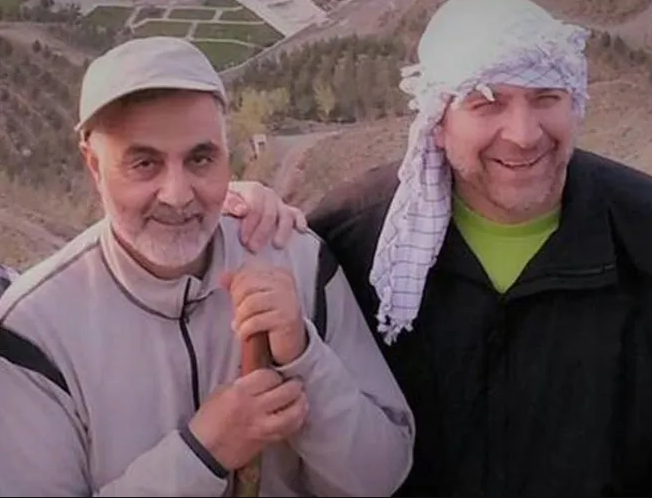
Even so, his prominence does not mean he holds power alone. Western estimates suggest Iran’s leadership is now dispersed across multiple centers, the IRGC, parliament, the leader’s office, and the presidency, particularly in the absence of figures with the weight of Ali Khamenei or former Quds Force commander Qassem Soleimani.
Portraying Ghalibaf as the sole “man of the moment” may therefore overstate his role. He is not in a position to make final strategic decisions, which remain in the hands of the new supreme leader and the national security establishment.
At the same time, his rise appears to serve another purpose: reducing uncertainty and signaling outwardly that the government retains a leadership capable of managing war and, if needed, negotiating, as noted by PBS News.
Yet it also underscores the growing militarization of politics. A former general now serving as parliament speaker has become the most prominent voice in issuing war threats and defining the terms of response.
This raises a broader question: whether Iran is moving toward a model in which civilian institutions serve as a façade for military decision-making, or whether this is a transitional phase before a balance between civilian and military authority is restored.
Ghalibaf’s “pragmatic” image is not without controversy. He faces allegations of corruption dating back to his time as Tehran mayor, while his role in suppressing protests continues to cast doubt on his acceptability as a negotiating partner in Western capitals.
While some diplomats view him as a “usable” figure, others warn against confusing pragmatism with opportunism. His ability to navigate internal divisions and his reliance on support from Mojtaba Khamenei could ultimately make him a replaceable figure, should circumstances require it, according to PBS News.
Sources
- Iran's parliament speaker Qalibaf increasingly central in Tehran
- Iran's parliamentary speaker Qalibaf floated as possible U.S. contact in talks as war rages on
- IRGC outlet denies Ghalibaf's talks with US, calls it plot to sow division
- Iran’s Ghalibaf denies any negotiations with the US
- Qalibaf Rejects Ceasefire, Highlights Iran’s Strong Response to Aggression
- Ghalibaf: Iran’s New Strongman Running War Effort