U.S. Eyes Base Shift from Spain to Morocco as Spain Shows Sympathy Toward Iran
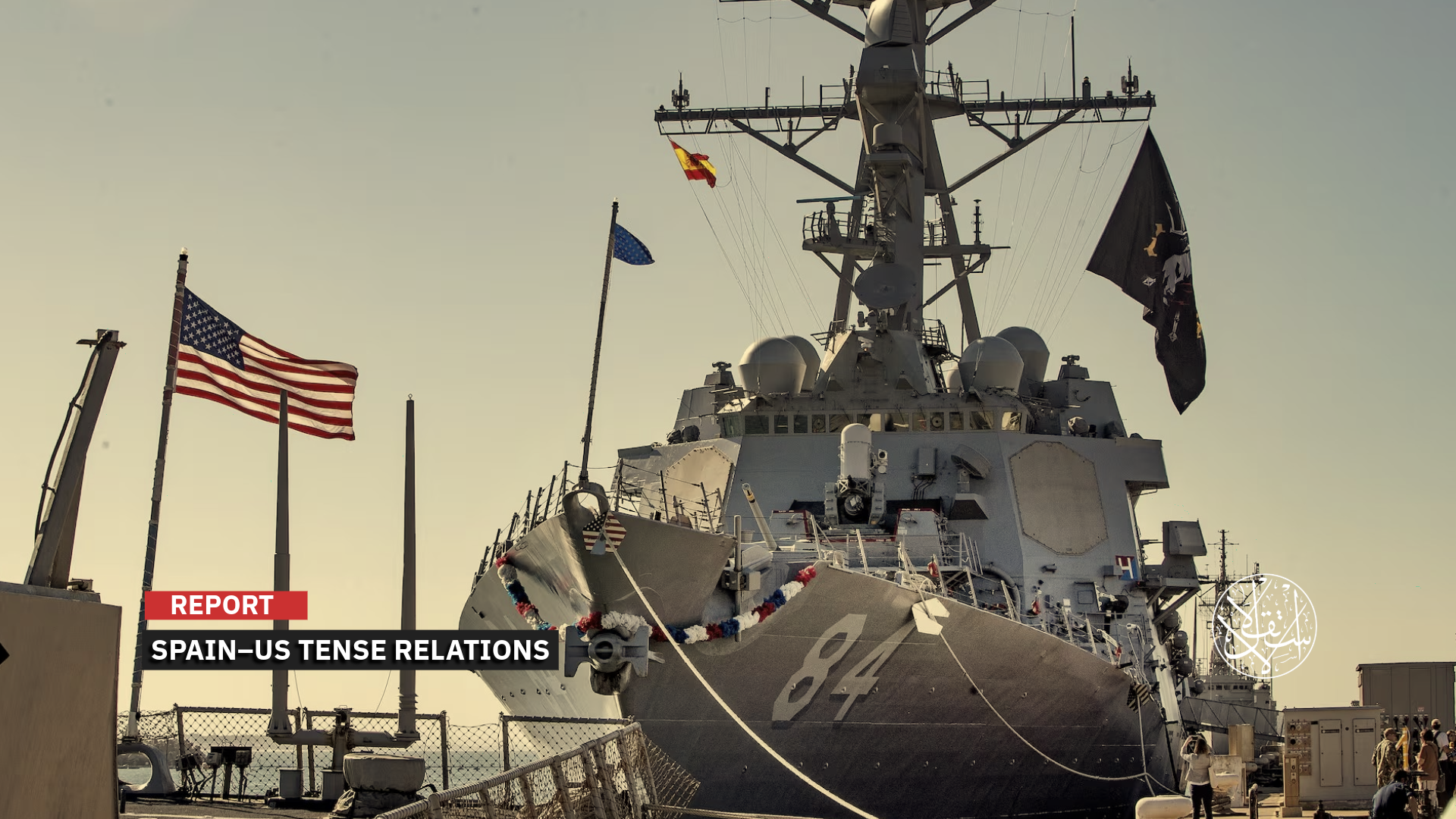
“Spain is positioning itself as the ‘conscience’ of NATO and the European Union.”
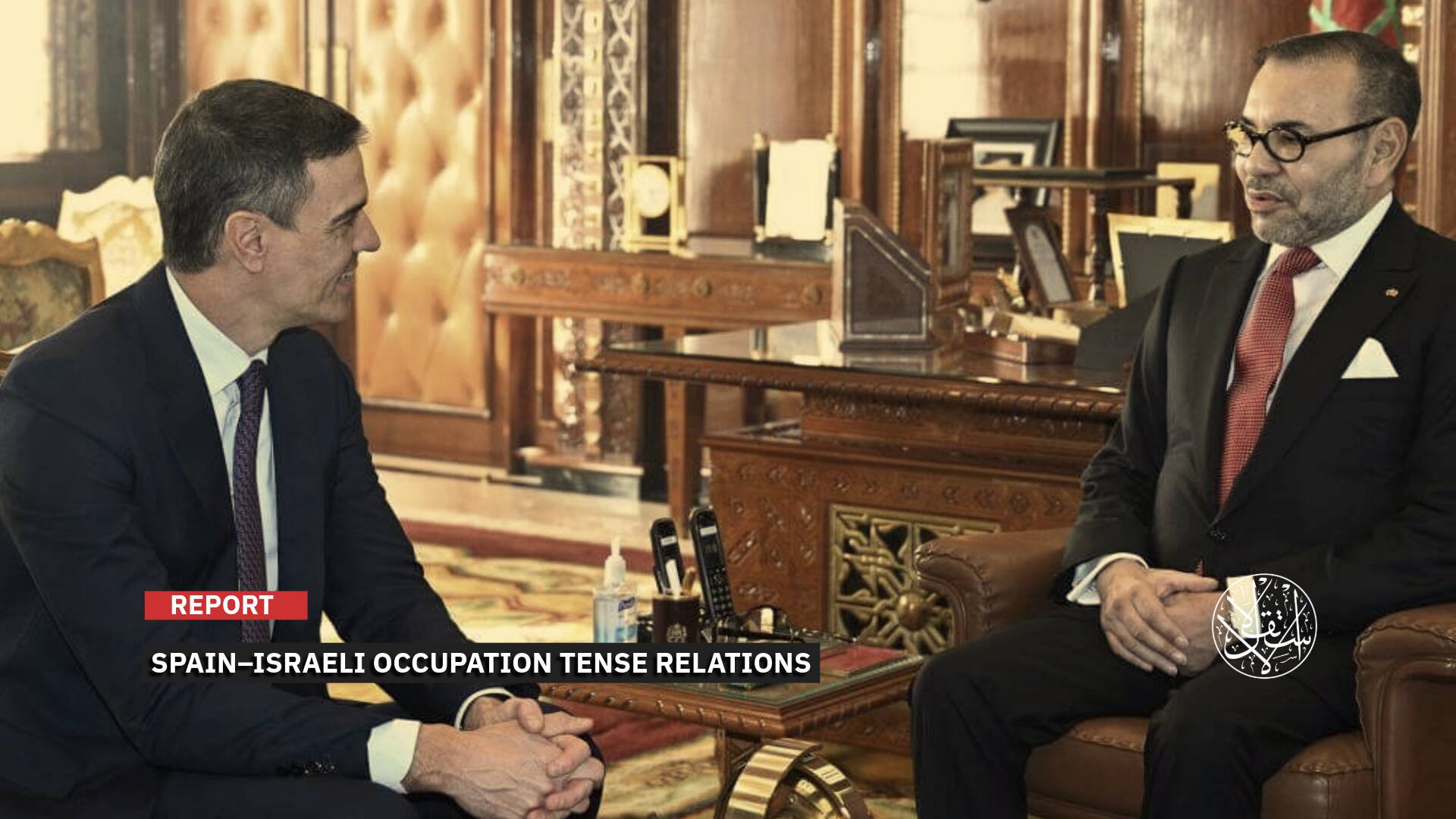
Talk is growing in Spanish political and media circles about a possible U.S. plan to relocate air and naval bases from southern Spain to Morocco as part of a broader “strategic review” of its global force posture.
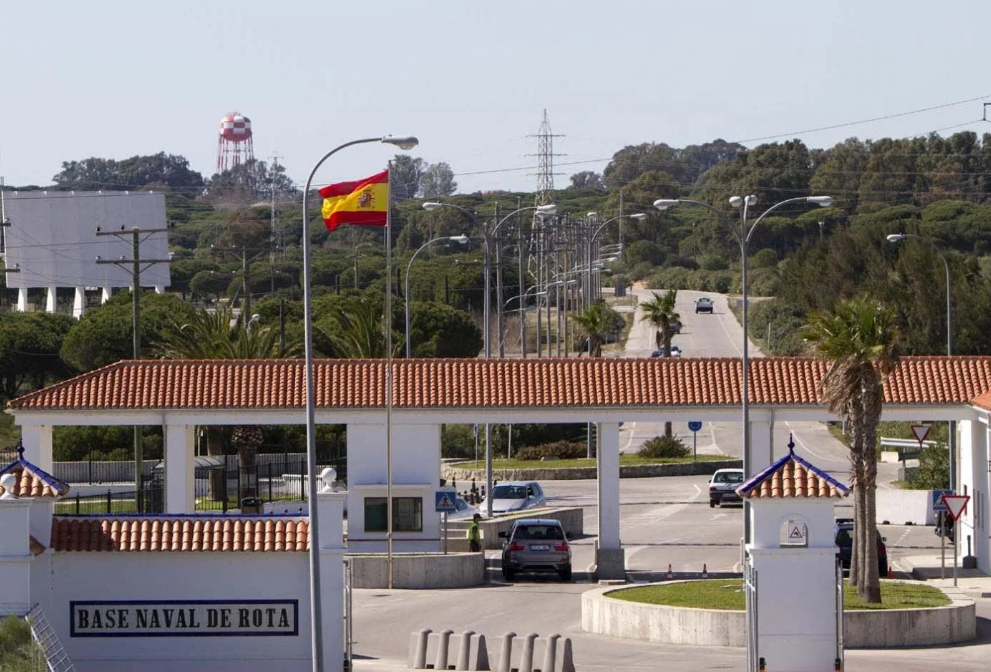
The reports come amid mounting tensions between Washington and Madrid after President Donald Trump threatened sweeping trade sanctions in response to Spain’s refusal to allow its military bases—Rota and Moron—to be used in the U.S.-Israeli strikes on Iran.
Spain has closed its airspace to all aircraft linked to the U.S.-Israeli War on Iran and blocked the use of its facilities at the Rota naval base in Cadiz and the Moron air base in Seville for launch operations.
Over the past two years, Spain, both its government and public opinion, has taken a consistently critical stance against the U.S.-backed Israeli war on Gaza, positioning itself as one of the few European countries to openly restrict Washington’s military use of its territory in subsequent regional escalations.
Morocco–U.S. Relations
Mohamed Bentalha Doukkali, professor of political science and public policy at Cadi Ayyad University in Marrakesh, said that recent Spanish media reports suggesting the Trump administration is considering relocating U.S. forces from Spain’s Rota naval base and Moron air base to Morocco have sparked wide debate in Spanish political circles, particularly around the strategic importance of Rota.
In remarks to Al-Estiklal, Doukkalli said a potential transfer of the Rota base to Morocco is plausible, given Morocco’s similar geographic advantages, its proximity to the Strait of Gibraltar, and its advanced military partnership with Washington.
He argued that such a move would signal broader shifts in U.S. strategy toward North Africa and Southern Europe, reflecting a reconfiguration of traditional military deployments and Washington’s effort to strengthen its strategic presence in North Africa.
He also stressed that Morocco’s military cooperation and strategic alliances have made it a key security hub for the United States and a central partner in U.S. policy in the Mediterranean.
Meanwhile, retired Spanish General Juan Montenegro predicted that the U.S. Morón air base could eventually be relocated from Spain to Morocco, suggesting that such a scenario may materialize “sooner or later” amid rising tensions between Madrid and Washington over the war on Iran.
In comments published by La Razon, the former military official—who represented Spain in NATO and EU military committees between 2018 and 2021—said the United States could resort to symbolic measures against Spain, including shifting part of its military presence to Morocco.
He noted that relocating the Moron air base would not be logistically difficult, adding that it could simply involve transferring a number of aircraft within a matter of months.
The retired general also pointed out that Morocco has signed a long-term defense agreement with the United States and hosts military investments and defense-related industries, making it a viable option for expanding the U.S. military footprint in the region.
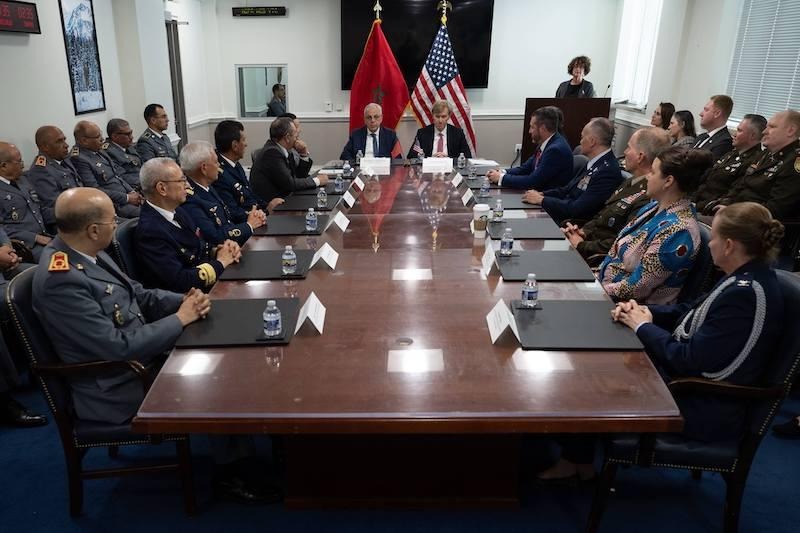
In April 2026, Morocco and the United States signed a defense cooperation roadmap covering the period 2026-2036 on the sidelines of the 14th meeting of the Morocco-U.S. Defense Consultative Committee in Washington.
The developments also come as Morocco moves ahead with upgrading its airbases to host F-16 Viper fighter jets and to allow U.S. bombers, including the B-52, to make stops on its territory, according to military expert Abdelrahman Mekawi in press remarks.
In comments to the local outlet Alayam 24, Mekawi said Morocco is a strategic defense partner of the United States, noting that American B-52 aircraft carried out simulated deterrence and support missions in Morocco in November 2024, including bomb-drop exercises in the country’s south.
He added that the B-2 Spirit stealth bomber is an advanced strategic asset whose deployment in Morocco would depend on specific security and strategic calculations. While he stressed that Washington has not officially announced any B-2 deployment in Morocco, he said such a move could still fall within broader frameworks of military cooperation.
Ideological Rivalry
Political scientist and international relations expert Khalid Yaimout of Sidi Mohamed Ben Abdellah University in Fez said discussions about shifting U.S. bases from Spain to Morocco must first be understood in the context of the broader dispute between Washington and Madrid, which he described as both geopolitical and geo-economic.
Speaking to Al-Estiklal, Yaimout said President Donald Trump, since returning to office, has revived a version of the Monroe Doctrine—originally adopted by the U.S. in 1823—reframed as what he called the “Donroe Doctrine,” aimed at asserting U.S. dominance in Latin America and blocking foreign influence, whether European or Chinese.
He added that this approach, reinforced in the U.S. national security document for 2026, seeks to constrain and displace Spain’s influence and economic interests in Latin America.
Historically, he noted, several European countries—especially Spain—have maintained deep influence in the region, with the Spanish language still widely present and strong political and military ties linking Madrid to elites in many Latin American states.
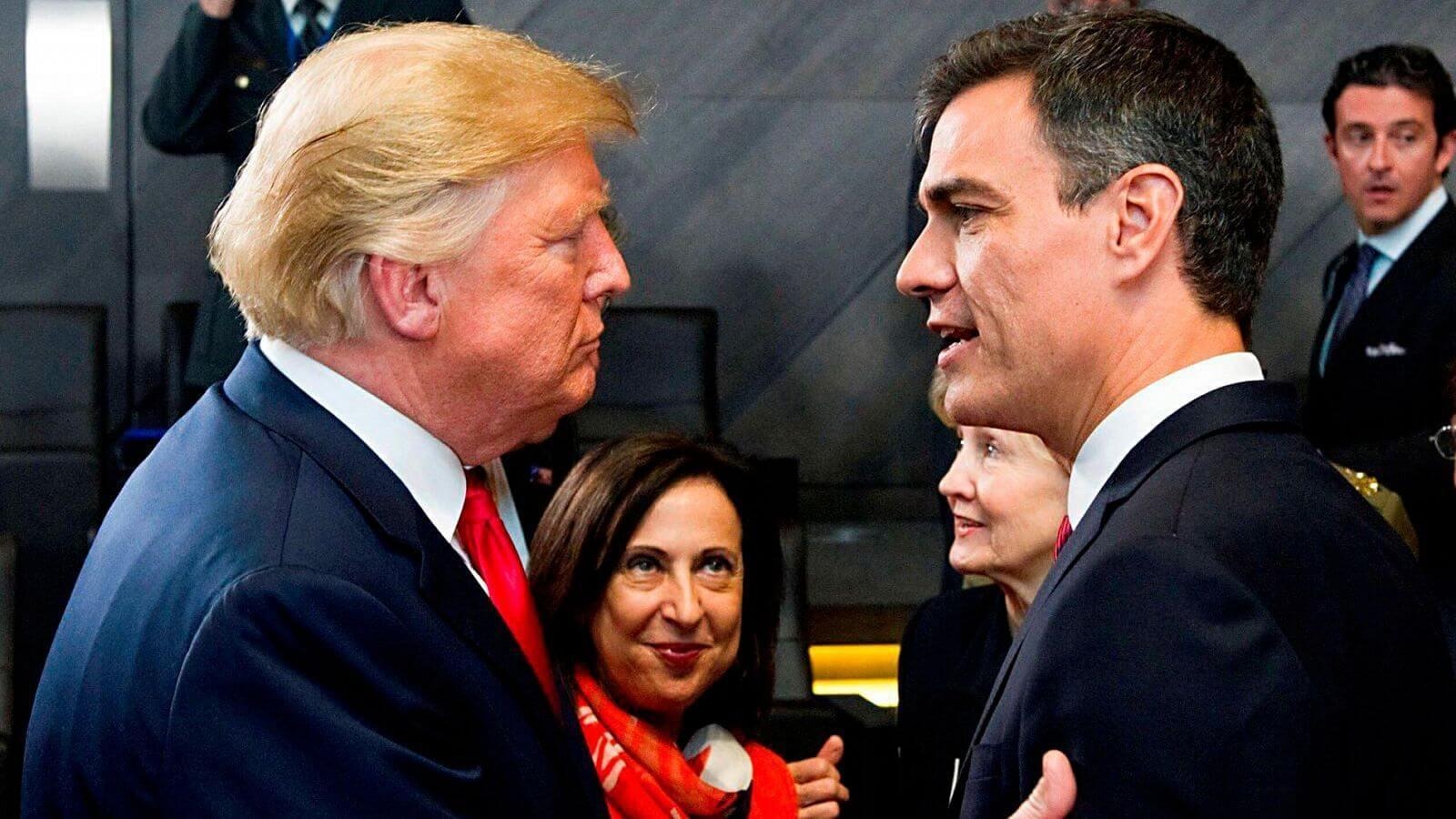
From another perspective, Yaimout said the Trump administration views the Spanish government as “the last progressive, socialist government in Europe” and therefore treats it with ideological hostility, seeing it as an obstacle to the U.S. project in Latin America—particularly in its relations with Brazil, Colombia, Venezuela, Uruguay, Chile, and Mexico, as well as with opposition forces in Argentina, whose president is aligned with Trump’s right-wing faction in the United States.
From the Spanish perspective, Yaimout added, Madrid believes that U.S. dominance over Venezuela has caused it significant economic and geopolitical losses, especially since Spain is among the few countries that had recently secured energy exploration and investment contracts there—contracts now being squeezed by Washington.
On January 3, 2026, Trump announced that the United States had launched a large-scale operation against Venezuela, which he said resulted in the capture of President Nicolas Maduro and his wife.
Yaimout argued that U.S. dominance in Latin America is pushing Spanish cultural, security, military, and economic elites to increasingly orient themselves toward the Anglo-Saxon sphere rather than Spain’s traditional sphere of influence, even as Madrid continues to rely on its established networks with Latin American elites.
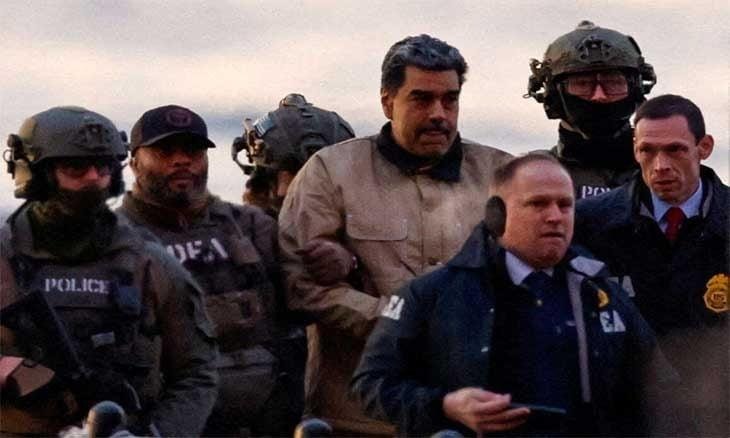
Yaimout also noted that Spain has become a global hub for Latin American investment and capital, given the massive flows coming from major Latin American corporations and financial funds.
He explained that the Madrid Stock Exchange alone attracts more capital from Latin America than France, Italy, and Germany combined—making Madrid, in effect, the region’s main global financial center in Europe.
He added that Spain’s current stance increasingly puts it at odds with the U.S. administration, as Madrid insists on respect for international law and the authority of the United Nations system.
Yaimout further argued that NATO’s foundational framework gives countries hosting U.S. bases the right to refuse American requests for military operations against third countries, especially when such actions are deemed illegal under international law—that is, not authorized by the UN or NATO structures.
Spain is positioning itself as the “conscience” of NATO and the European Union, a framing that helps explain EU backing for Madrid’s position, particularly after Trump threatened economic sanctions against Spain, according to the expert.
Sovereignty Dilemma
On the practicality of relocating U.S. bases from Spain to Morocco, Doukkalli said that beyond Spanish media reports, the United States has already approved an investment of around €400 million to expand the Rota naval base, including new docks and enhanced logistics and maintenance facilities—suggesting a clear plan for long-term U.S. presence there.
“Moving U.S. bases from Spain to a non-NATO country would require renegotiating agreements and building entirely new infrastructure, a process that would take considerable time,” he told Al-Estiklal.
He added, however, that the situation could still change at any moment if the U.S. administration decides to take new measures against Europe in response to political or economic tensions.
He concluded that, as things stand, there is no official U.S. or Moroccan decision on the matter, noting that American bases in Spain operate under long-standing bilateral agreements that ultimately preserve Spanish sovereignty, allowing Madrid to impose restrictions—as it is doing now.
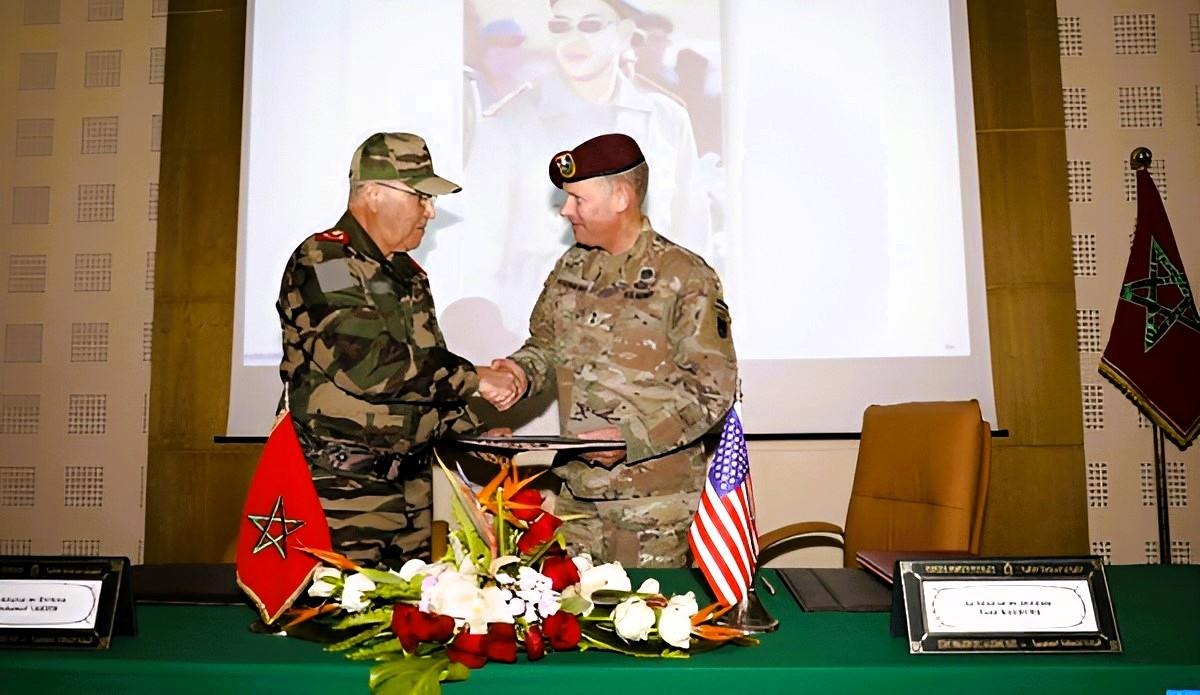
Yaimout, for his part, said that talk of relocating U.S. military bases from Spain to Morocco is highly ideological and reflects more diplomatic pressure than a reality grounded in established international relations and NATO practice.
He argued that the locations chosen for NATO bases—including American ones—were not arbitrary but aligned with the alliance’s long-term strategic vision and its approach to global power projection.
He added that NATO remains the world’s leading military alliance, through which Washington exercises its military dominance globally, including over Europe.
In his view, discussions about transferring U.S. bases to Morocco remain, for now, purely ideological talk within international relations discourse, nothing more.
Sources
- Is the United States Moving Toward Relocating Its Military Bases to Morocco? [Arabic]
- Morocco and the United States Expand Military Partnership with a Ten-Year Agreement [Arabic]
- Spanish General: U.S. Moron Base Could Soon Be Relocated to Morocco Amid Rising Tensions Between Madrid and Washington [Arabic]