Former British Intelligence Chief: ‘Iran Holds the Upper Hand’ in the Current War (Interview)
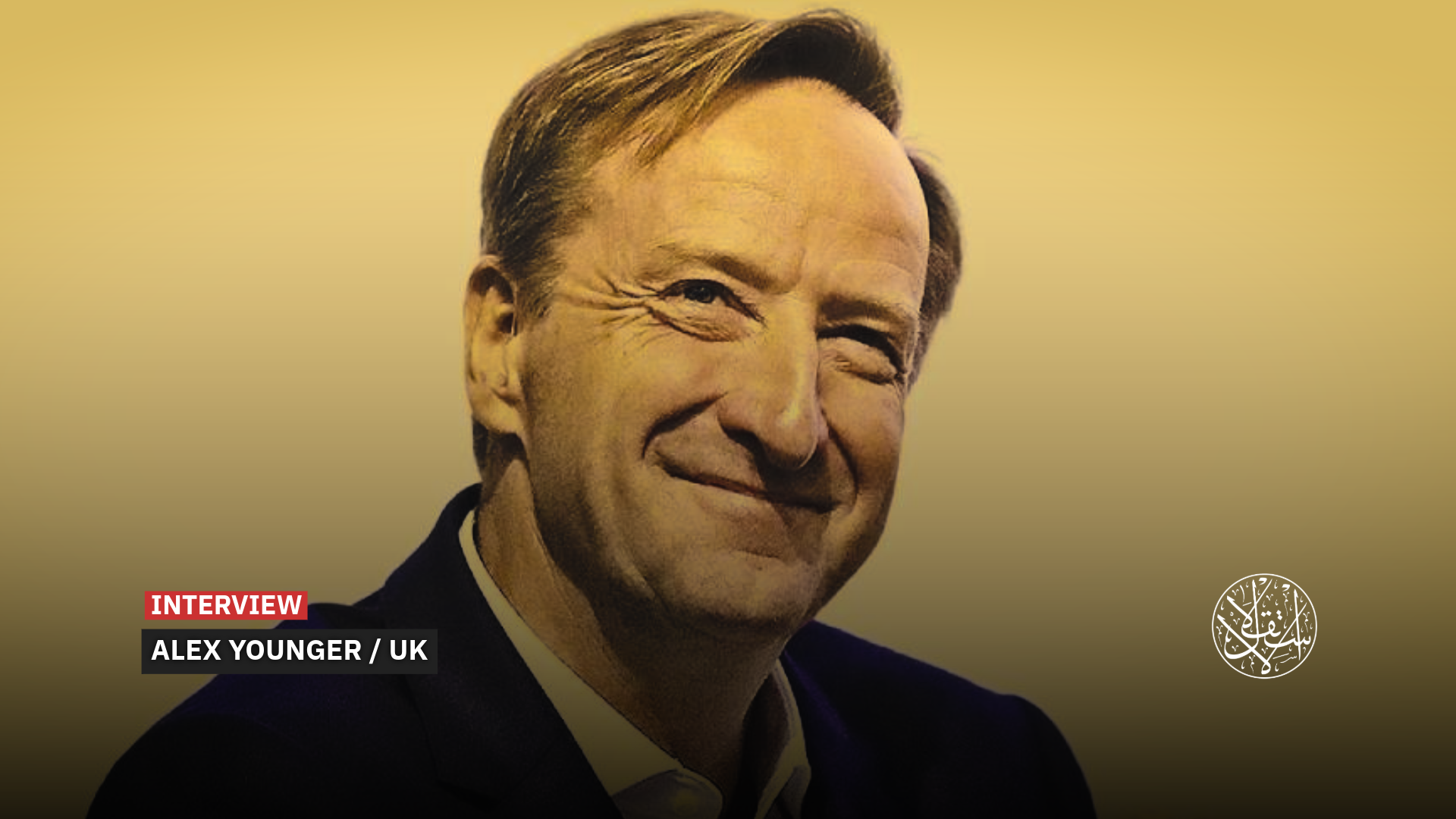
“Iran understood early on the importance of exerting pressure on global energy markets.”
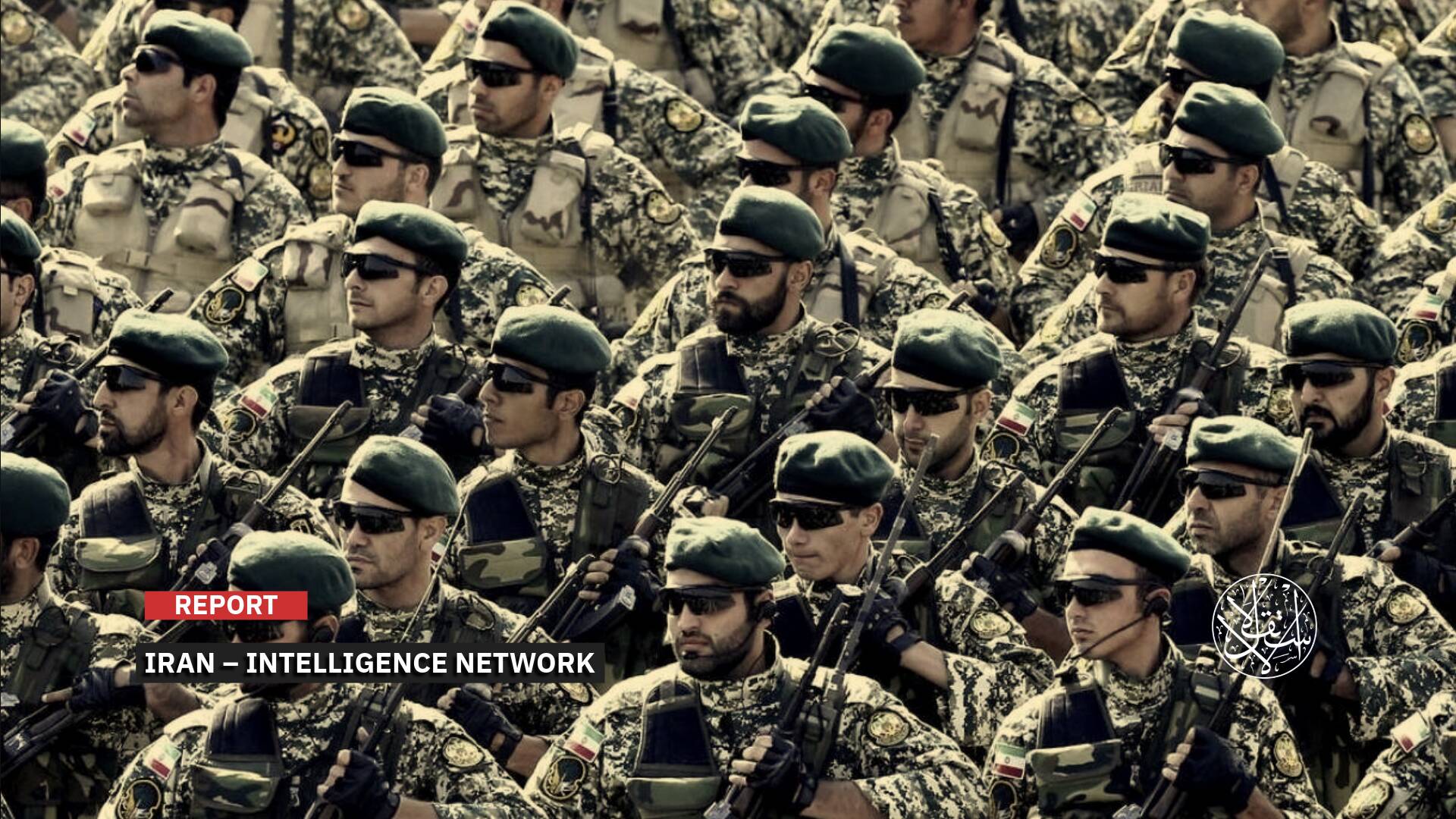
Amid the escalating war in the Middle East, assessments of the balance of power between the United States and Iran remain sharply divided. While political rhetoric tends to project Western military superiority, deeper intelligence readings suggest a more complex picture.
As Washington appears caught in increasingly intricate calculations, Tehran has shown an ability to deploy its more limited tools with notable effectiveness, leaving the course of the war open to multiple scenarios that extend beyond the battlefield to the reshaping of the region’s broader balance.
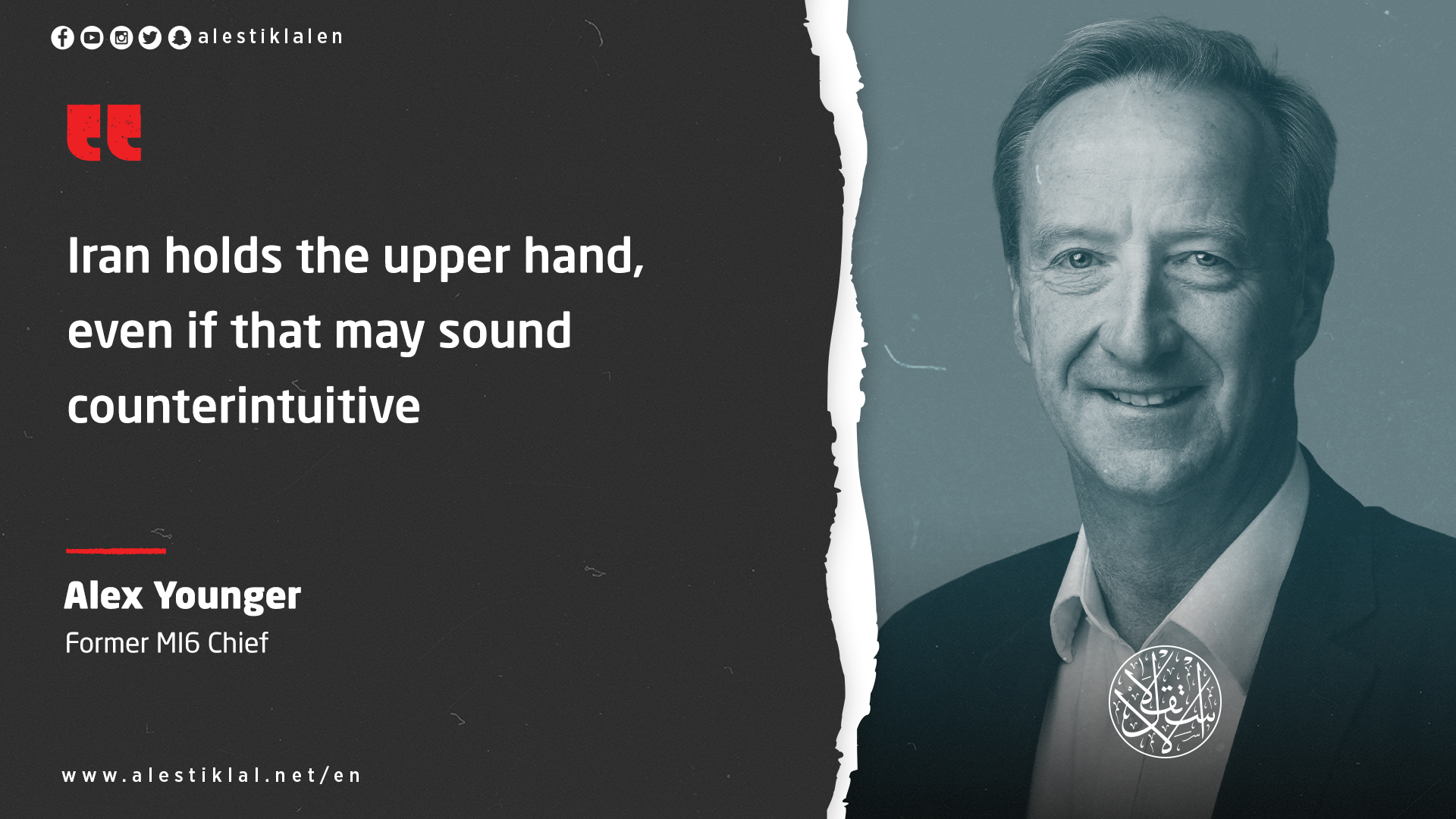
In this context, Alex Younger, the former chief of the British Secret Intelligence Service (MI6), offers a striking assessment, arguing that Iran has so far managed to impose both operational and strategic dynamics that have given it the “upper hand,” despite the significant gap in capabilities.
In an interview with Shashank Joshi, defense editor at The Economist, Alex Younger lays out his view of the war’s trajectory, the reasons behind Iran’s resilience, what he sees as Washington’s missteps, and the possible paths the war may take in the coming phase.
Younger’s reading highlights a striking paradox in the balance of power, where military superiority does not always translate into a swift outcome, particularly in conflicts shaped by overlapping military, economic, and psychological dimensions.
Younger joined MI6 in 1991 and was posted to roles in Europe, the Middle East, and Afghanistan.
He oversaw multiple operations worldwide between 2012 and 2013 before becoming head of MI6 in October 2014, a position he held for nearly six years.
‘Horizontal Escalation’
Who has the upper hand in the current conflict?
At this stage, I believe Iran holds the upper hand. That may sound counterintuitive given the disparity in military power, but it reflects what is actually happening on the ground.
That is a striking assessment. Why do you see it that way?
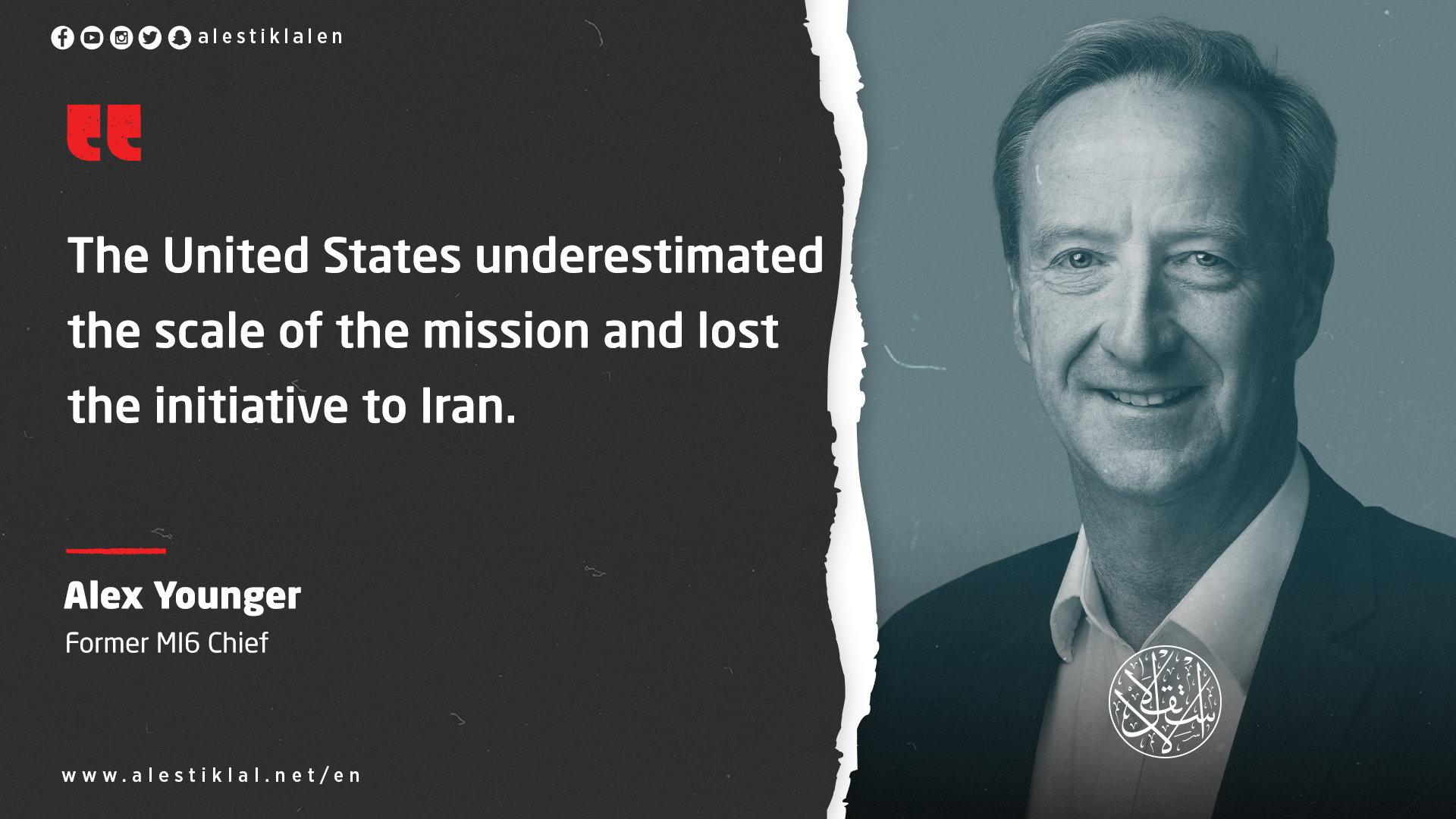
The United States underestimated both the scale and the complexity of the challenge from the outset. There was an assumption that sustained strikes would quickly weaken Iran. Instead, Iran absorbed the shock and managed to regain the initiative relatively quickly.
Is that due more to Iran’s system or to U.S. miscalculations?
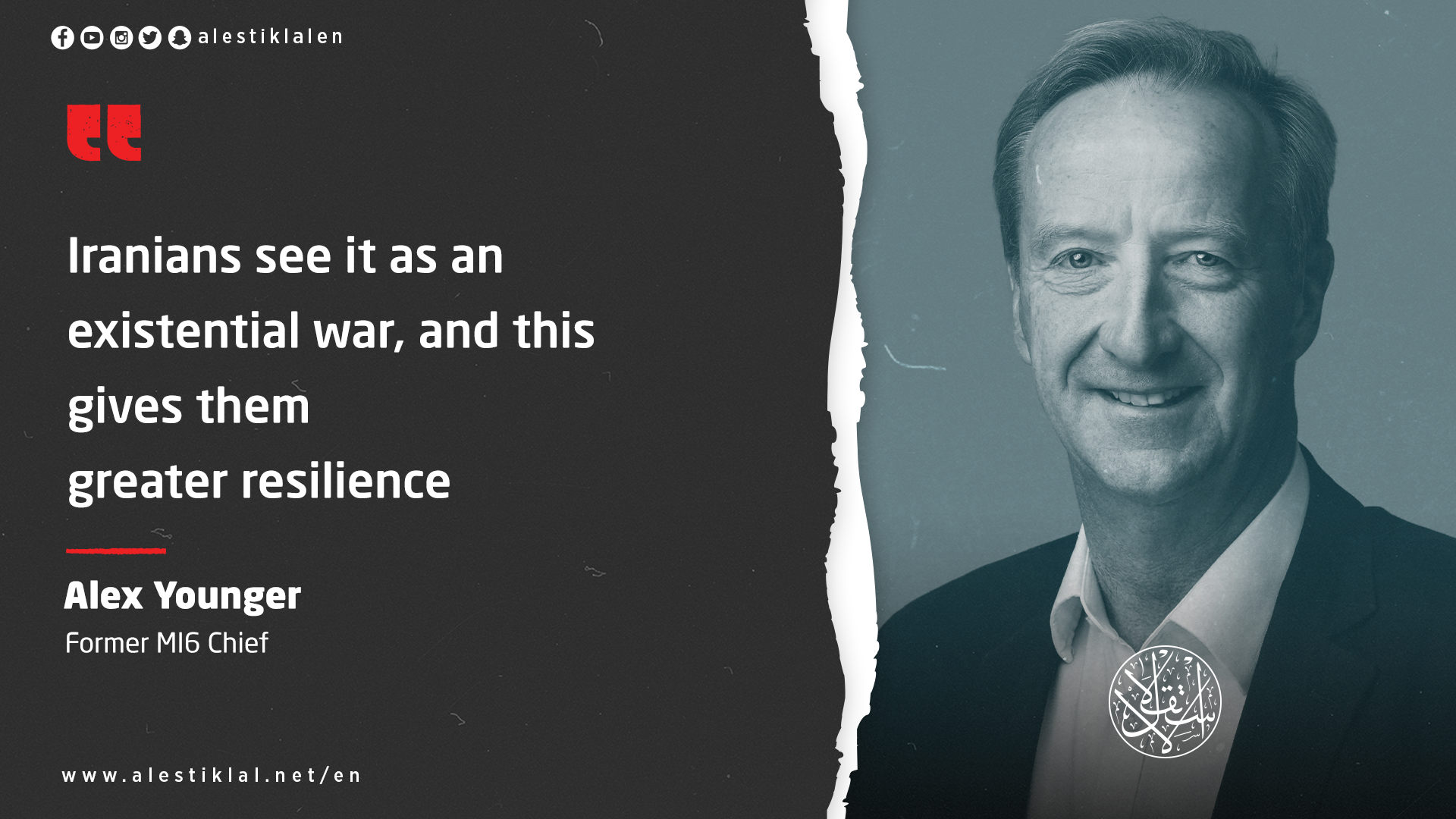
It is a combination of both. Iran has shown far greater resilience than expected, while Washington misjudged the situation. For the United States, this war is a matter of policy choice. For Iran, it is existential. That difference matters enormously.
How has Iran managed to withstand the pressure?
Early decisions by the Iranian leadership were critical, particularly the dispersal of military capabilities and the delegation of authority over the use of force. That ensured continuity under attack and gave Iran flexibility in how it responds.
You mentioned “horizontal escalation.” What does that mean?
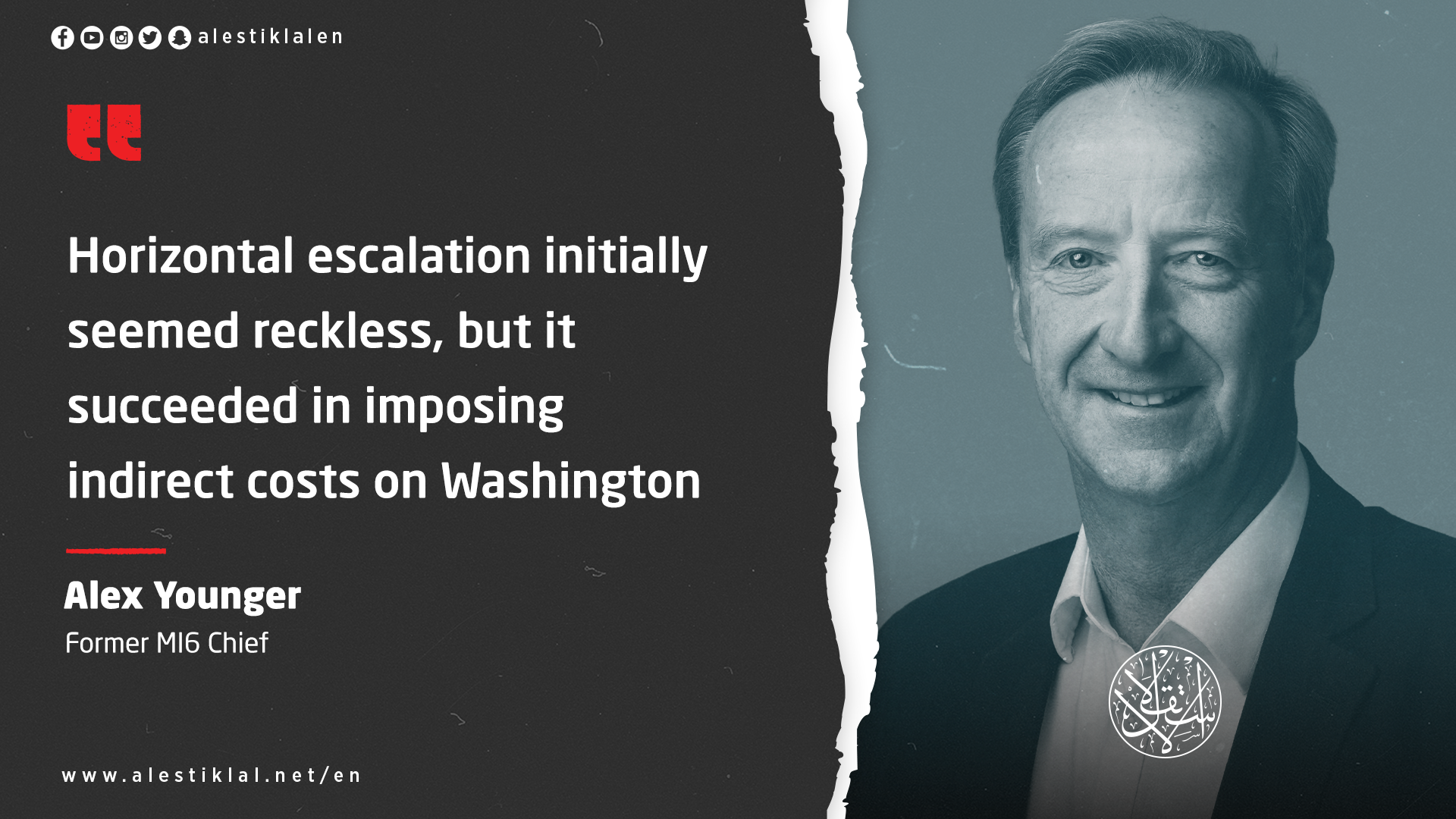
It means expanding the scope of the response across multiple fronts rather than concentrating on one. Iran has launched strikes across a wider set of targets, which disperses U.S. efforts and raises the cost of the conflict. What initially looked reckless has proven effective.
Rules of Engagement
Has this approach changed the rules of engagement?
To a large extent, yes. When you impose indirect costs on your opponent, you reshape the nature of the conflict. Iran has broadened the battlefield beyond direct confrontation, making it harder for the United States to contain the situation.
You also referred to an “energy war.” What role does that play?
Iran understood early on the importance of exerting pressure on global energy markets, particularly by threatening key transit routes. That affects not just the United States, but the global economy, giving Iran leverage beyond the military domain.
Is this a strategic shift in Iran’s behavior?
Not entirely new, but it is a more effective use of existing tools. Iran knows it cannot match U.S. power directly, so it focuses on exploiting vulnerabilities, whether economic or political.
Balance of Power
Does the war serve Iran’s internal narrative?
Yes, to a large degree. When a conflict is framed as existential, societies tend to endure more. That does not mean conditions are easy, but the difference in motivation between the two sides is clear.
How does the U.S. position compare?
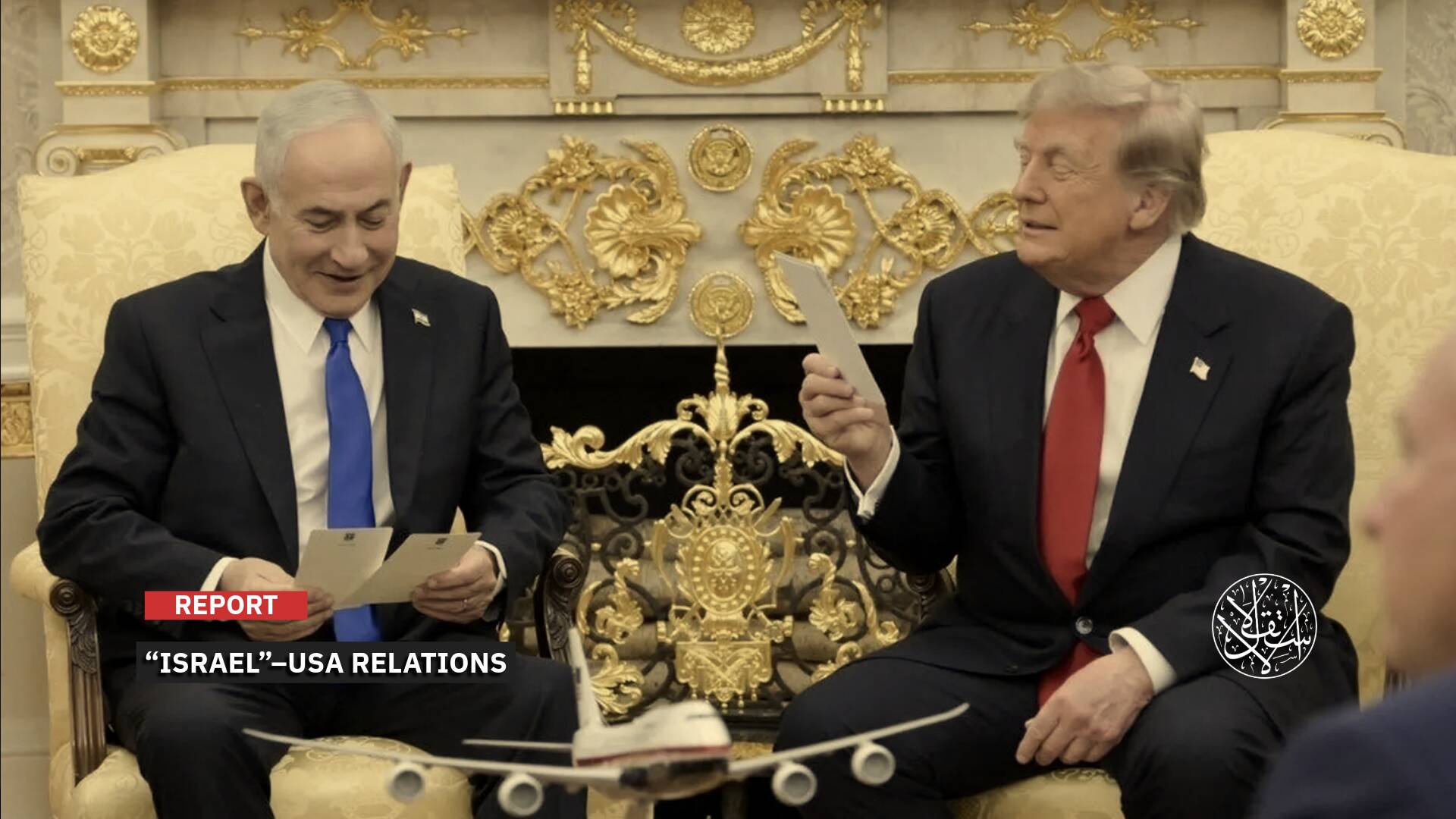
The United States is fighting a war of choice, which places constraints on how far it can escalate. Public opinion, economic costs, and political considerations all play a role.
Could this lead to a shift in U.S. strategy?
It is possible. If costs continue to rise without decisive outcomes, Washington may have to reassess, whether by escalating further or seeking a negotiated exit.
What do you expect in the near term?
This is unlikely to be resolved quickly. It is an open-ended conflict that could move through cycles of escalation and de-escalation. For now, Iran has managed to endure and impose new dynamics, which strengthens its position.
Could the balance of power shift later?
Of course. Wars are inherently dynamic. What we see today may not hold tomorrow. But at present, Iran has established itself as the side with the initiative, and that is a significant development.