Why 25 Thousand Israeli Teenagers Are at Risk of Sleeping in the Streets?
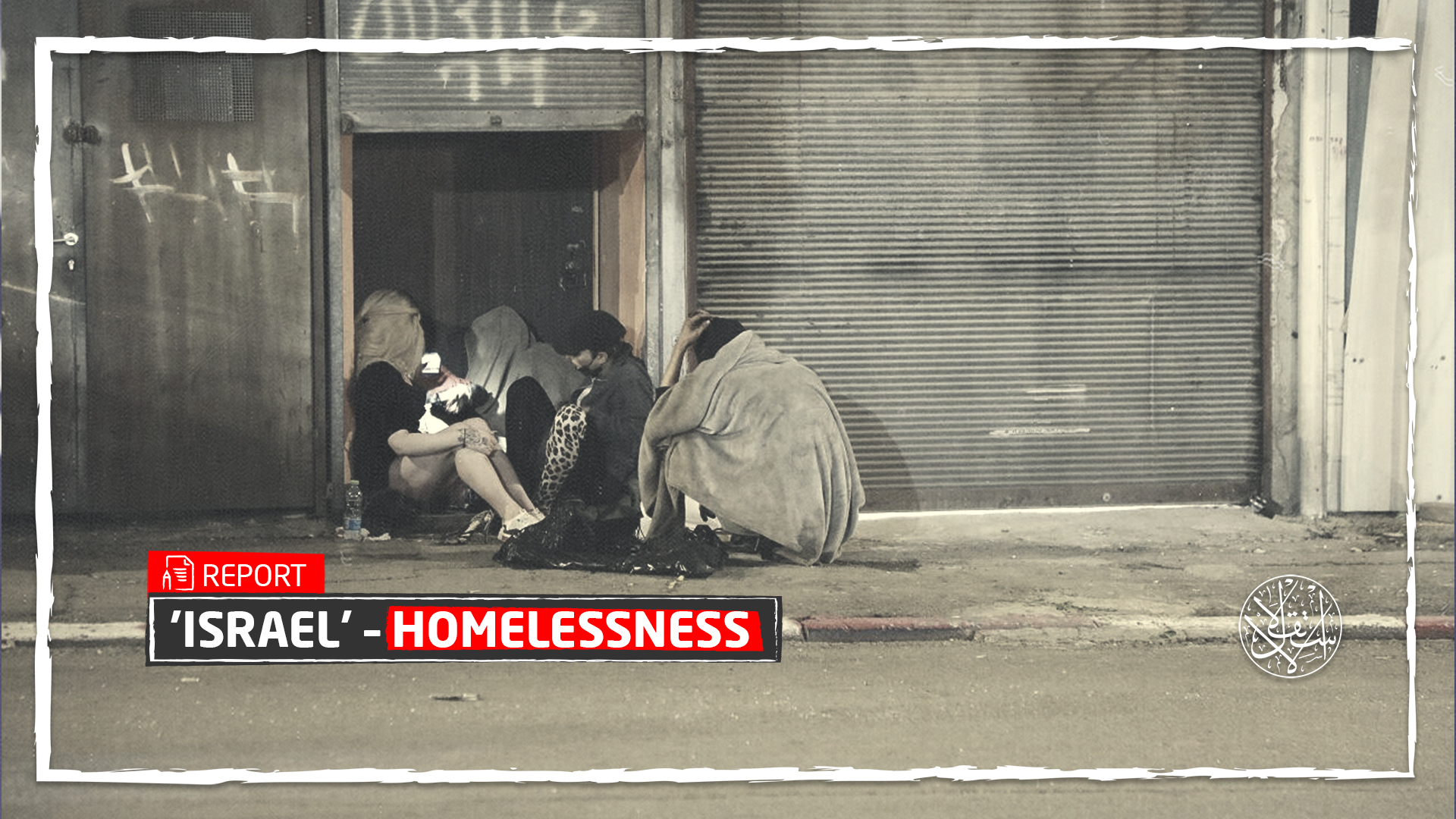
Thousands of Israeli teenagers are at risk of homelessness after dropping out of the educational system, according to a report issued by the Knesset Research and Information Center (RIC).
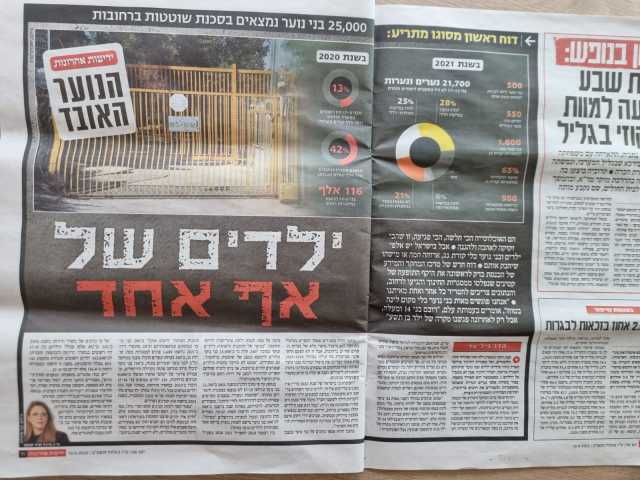
The report, parts of which were published by the Yedioth Ahronoth Hebrew newspaper, warns that nearly 25,000 children and adolescents, aged 14 years and over, have become outside the educational system and risk sleeping in the streets.
The center’s research team found only one child, aged 9, who was homeless and did not belong to any class.
“We meet hundreds [of teenagers] without a safe place [to live in],” says the ELEM/ “Youth in Distress in Israel” association. “Most of them are 14 years old or older, but recently we met a case of a nine-year-old boy.”
There are thousands of Israeli children and teenagers who have no home or food in the occupied territories. The new report by the Knesset’s Research and Information Center, described as the first of its kind, examined the phenomenon of minors who dropped out of education and ended up on the street.
25 Thousand Sleep in Streets
A new report, issued by the Knesset Research and Information Center, has given shocking numbers of young Israeli homeless in the occupied territories.
The ages of the youths living on the streets are mainly between 15-17, but the care providers also register younger boys.
Many of those were exposed to violence at home or faced rejection regarding their sexual identity or their abandonment of religion. The report said they are at daily risk, living in unlivable places, and exposed to violence, crime, and drugs.

“During the year, we have met hundreds of youths who are in the situation of ‘being on the street,’ without a safe place to stay and at various levels of disconnection from frameworks,” says an official at the ELEM association. “The main mass is aged 14 and over, but not only. We only recently encountered a case of a nine-year-old boy. This is a phenomenon that affects the entire population.”
At least 25,000 Israeli children and adolescents are classified as homeless, including groups who have dropped out of schools and spent long periods on the streets, and they can be there forever if they do not receive appropriate assistance, according to the report.
Difficulties to Address the Issue
“The phenomenon of ‘street children’ is recognized as a relatively limited phenomenon,” the authors of the report explain, “but it is a serious one that threatens the safety and security of girls and boys, however, it is a bit complex to address the issue due to the sensitive age period of the girls and boys who often refuse to receive assistance; the lack of suitable and flexible tools could also be a strong reason.”
The authors of the report explain that one of the difficulties in dealing with the phenomenon is the lack of a complete mapping of girls and boys who live on the streets, but this is not the first time that such an issue has arisen. During 2018 and 2019, the State Comptroller studied the high-risk youth who are skipped or are in the process of leaving the educational system and found out that there is a significant lack of data.
“The fact that we live in 2022 and there is still no accurate data about children and youth living in the street is outrageous,” said the former chair of the Committee for the Rights of the Child MK Michal Shir Segman, who commissioned the report.

“At every moment when these children remain on the street, their lives and safety are in immediate and real danger. Homelessness is not a destiny, we as a state and as a society have the responsibility to make the change.”
The authors of the report collected data on teenagers in risk situations trying to give an indication of the extent of the phenomenon.
“In the mapping of the national program for children and youth at risk 360°, it emerged that about 25,000 youth may be found living and sleeping in streets,” they explain.
“Although we are not necessarily dealing with children who already live on streets, it can be assumed that some may newly join the street children in the absence of appropriate and available assistance and addressing.”
According to the CBS data, in 2021, approximately 21,700 youth aged between 13 and 17 were not found in a recognized educational framework.
“Hanging out and dropping out [from schools] in certain situations may cause a deterioration in street life,” the report said.
Approximately 500 runaways were recorded from the Youth Sponsorship Authority frameworks in 2022, and about a third of them were from the locked residence for girls in Jerusalem, Mesila. About 500 teenagers recorded at least one attempt to escape from boarding schools for children and youth at risk.
Hundreds Disappeared
Between December 2020 and April 2021, the See You tracking program met about 200 teenagers separated from their families and about 30 who were homeless.
In 2021, 1,600 applicants got work opportunities, and about 330 girls and boys who worked as prostitutes received help, in addition to 750 youths. ELEM association, addressing vulnerable and at-risk youth, dealt with about 4,400 homeless teenagers found on the streets. In 2020, 353 abandoned children received an abandoned child benefit from the National Insurance Institute; meanwhile, 550 missing minors were registered in 2021, according to Israeli police data.
“It is very difficult to identify minors who are homeless,” explains Maya Baron, Head of Services at the ELEM association. “For the most part, these are children who will give answers to questions about where they sleep and how they manage [things without belonging to a family].”
According to 2020 data from the Ministry of Welfare, about 13% (nearly 397 thousand) of all children aged between under 17 were registered by the Ministry of Welfare and Social Security where nearly 167,000 registered children were defined as needy (about 42% of all registered children). This year, approximately 116.4 thousand children under 17 were placed in welfare associations.
The matter reached its climax in 2021 when a report was issued by the Israeli police, confirming the disappearance of 550 children.
In the same year, 1,600 applications for a children shelter were registered, in addition to dealing with 330 cases including adolescents who were exploited for prostitution, from a voluntary association called “The Movement Against Poverty in Israel.”