Where Will Sudanese Refugees Head?
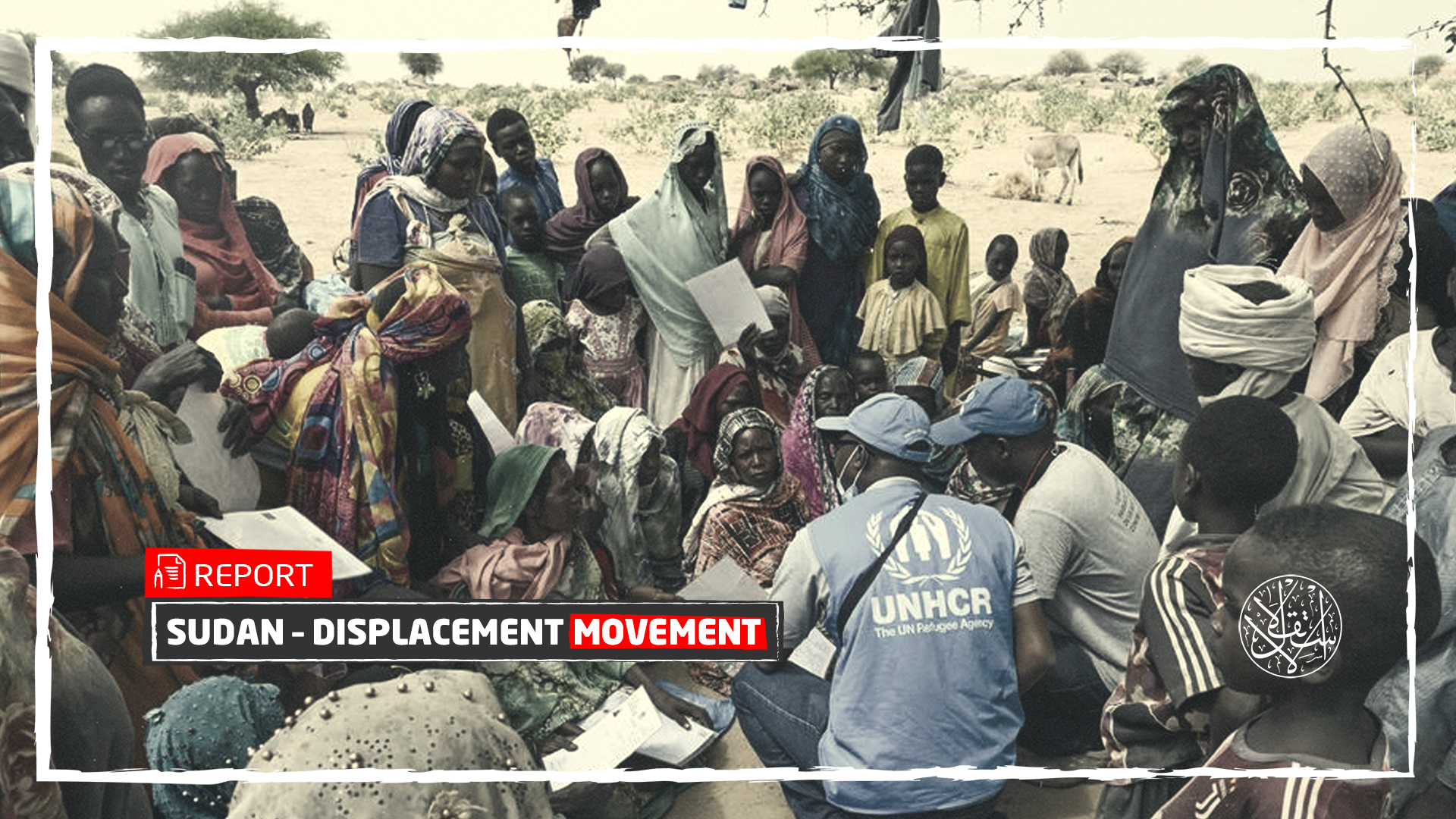
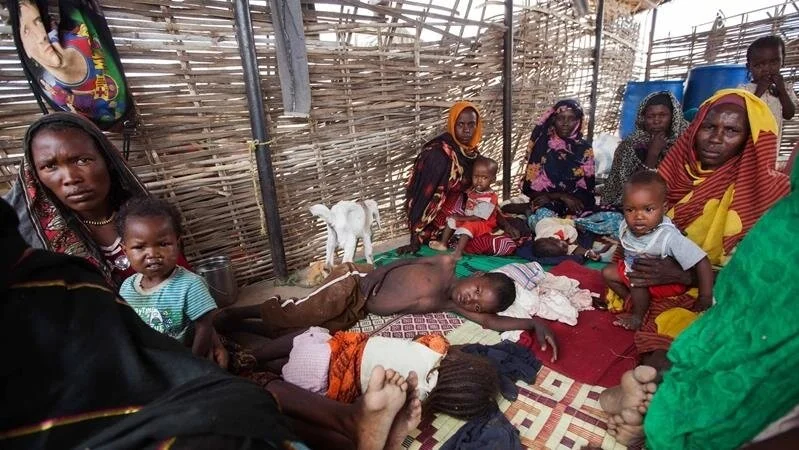
Sudan has been torn apart by endless wars, poverty, and disasters for years, forcing millions of people to flee their homes and seek safety elsewhere.
The latest violence between the army and the RSF militia has sparked a recent wave of displacement, with tens of thousands of people on the move inside and outside the country.
The International Organization for Migration (IOM) says more than 330,000 people have been uprooted within Sudan, while more than 100,000 have crossed the borders to Egypt, Chad, and South Sudan.
UNHCR, the UN Refugee Agency, warns that the exodus could reach 800,000 people.
As Italy scrambles to cope with a surge of illegal immigrants, Libya is tightening its border with Sudan to stem the flow of refugees fleeing the violence in their country. Libya is a key gateway for migrants trying to reach the European Union.
But the journey is perilous and often deadly. In the past few days, the Libyan Red Crescent has recovered 34 bodies of drowned migrants off the coast of Sabratha, a western city. They were among dozens who perished when their boat capsized in the Mediterranean Sea.
Experts warned that the crisis in Sudan could worsen the situation if the army and the RSF fail to reach a peace deal.
The clashes have forced tens of thousands of people, both Sudanese and foreigners, to seek refuge in neighboring countries like Egypt, Chad, and South Sudan. But these countries are also plagued by instability and hardship.
To Neighboring Countries
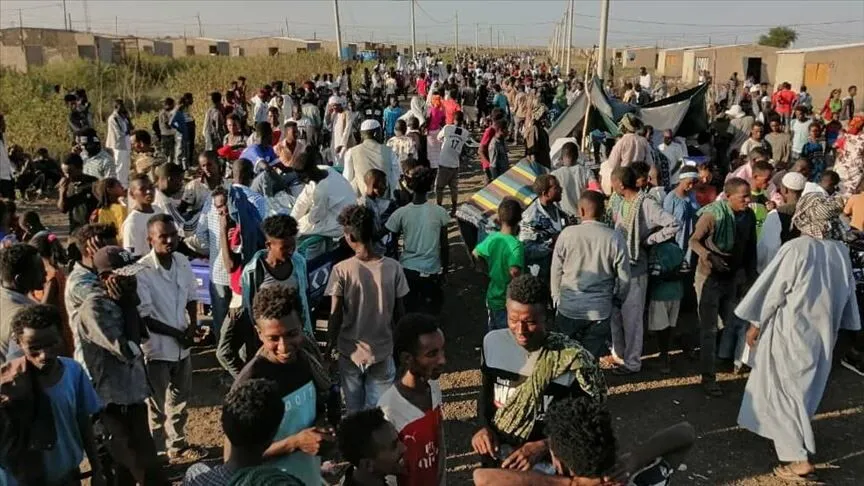
The ongoing conflict in Sudan has forced tens of thousands of people to seek refuge in Chad, Egypt, South Sudan, and Ethiopia, according to the UN refugee agency (UNHCR).
Chad has received the largest influx of refugees, with 30,000 people crossing the border since April 15. Most of them are Sudanese who escaped the violence in West Darfur.
UNHCR spokeswoman Olga Sarrado Mur said that the agency is registering and verifying the new arrivals, who are adding pressure to the already strained resources and services in eastern Chad.
The rainy season will soon make it harder to deliver aid to the border area, where more than 400,000 Sudanese refugees have been living in camps and towns.
Egypt has also seen a surge of refugees, with about 40,000 Sudanese and 2,300 people from other countries arriving in the past month.
The Egyptian government is working with UNHCR and other UN agencies to assess and meet their needs. The Egyptian Red Crescent is distributing aid provided by the UN to the refugees.
South Sudan has welcomed more than 27,000 people fleeing from Sudan, as well as 3,364 people from other countries. Most of the new arrivals are elderly, disabled, pregnant women, women with children, and large families.
UNHCR has set up a transit center where they can receive emergency relief and access child protection, family reunification, and communication services.
Ethiopia has also opened its borders to about 8,900 refugees, mostly from other countries. Only 750 Ethiopians and 870 Sudanese have arrived in Ethiopia since April 15. UNHCR has deployed teams at the two main border crossing points in the Amhara and Benishangul Gumuz regions to assist them.
The UNHCR is appealing for more funding and support from the international community to help refugees and host countries cope with the humanitarian crisis.
UNHCR estimated on Tuesday that some six thousand refugees had crossed the Central African border, where the organization had deployed an emergency team.
Refugee registration is expected to begin soon, and an assessment of refugee redistribution possibilities is underway to remove them from borders and move them to safer locations.
According to the International Organization for Migration, 550 people have fled to Libya. UNHCR does not yet have any figures for Eritrea.
Libya’s Obstacle
A plan to dump migrants in the south of Libya is raising alarm among Sudanese experts, who warn of the security and humanitarian risks of such a move.
The border between Sudan and Libya is a hotbed of smuggling, crime, and arms trafficking, spanning 237 miles of desert terrain.
But the biggest threat, according to Sudanese researcher Bassel Reda, is the scheme to resettle displaced people from other parts of Libya and neighboring countries in the sparsely populated region.
Reda told Al-Estiklal that the harsh geography and climate of the border area make it difficult for migrants to reach southern Libya.
“If they do, it means that the plan is in full swing,” he said.
The plan is backed by some Western parties, who have funded a meeting in Italy last month to discuss the development of the agricultural sector in Fezzan, the southern province of Libya.
The meeting, attended by mayors from southern Libyan towns, also aimed to establish a peace center in Sabha, the largest city in the region.
But the Libyan Organization for Human Rights denounced the meeting as a cover for resettling migrants in southern Libya.
In a statement, the organization said that the meeting was part of the Ara Pacis Initiatives for Peace in Libya, which “violates the sovereignty and unity of Libya and threatens its social fabric.”
Western powers see southern Libya as a dumping ground for African migrants and refugees, Reda warned.
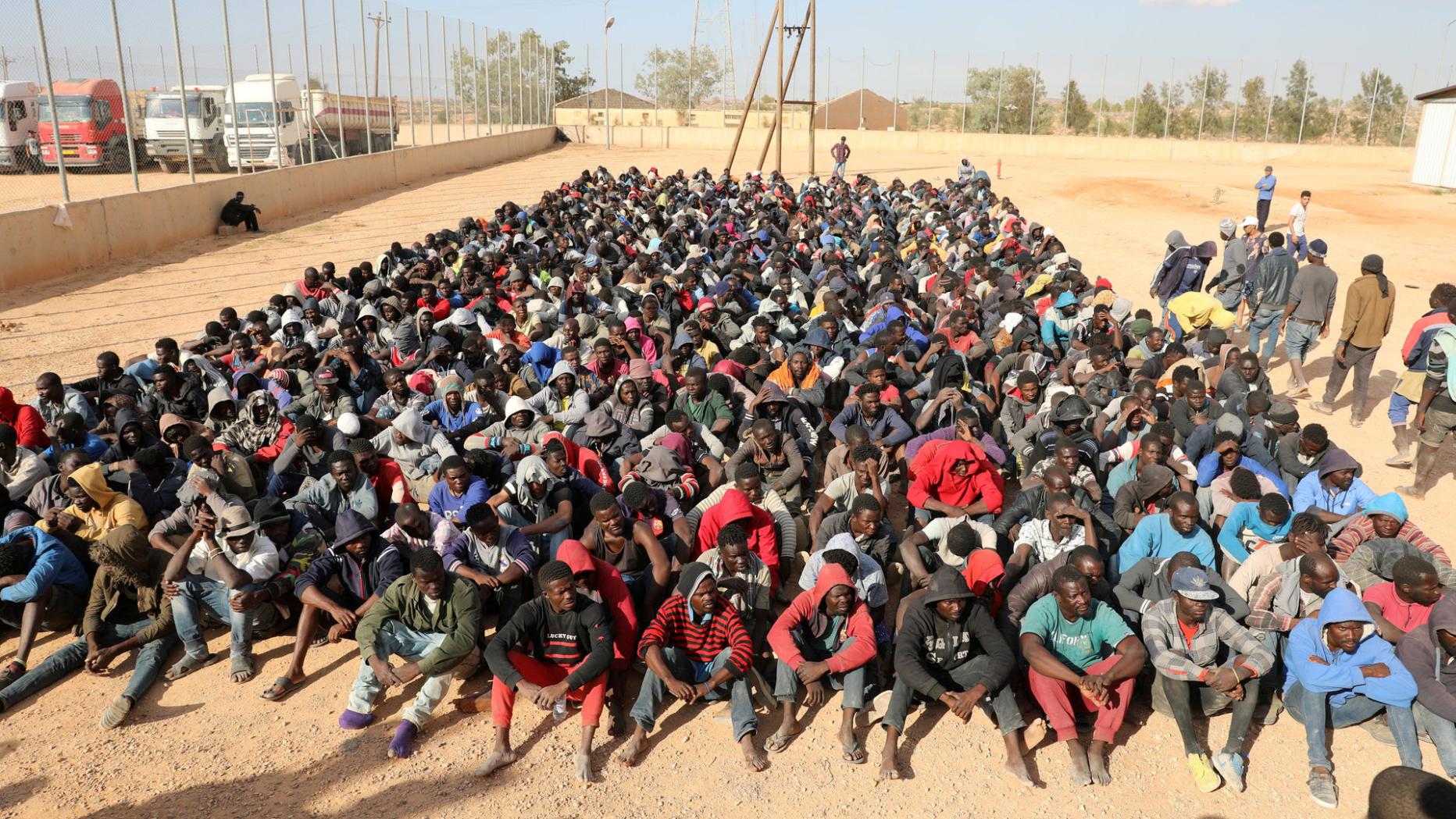
“The ongoing crisis in Sudan could be used as a pretext to push for mass resettlement of displaced people in Libya’s vast desert. The harsh terrain and lack of infrastructure make it impossible for Sudanese civilians to flee to Libya on their own, unlike to Egypt or Chad,” he added.
But he feared that smuggling gangs, extremist groups, and foreign-backed militias could exploit the situation and facilitate the influx of unwanted migrants.
Reda also accused an Italian organization of launching a dubious agricultural project in Fezzan that could pave the way for demographic change.
“Libyan officials should reject any attempts to impose migration settlements in southern Libya, as they did in Tunisia. Such schemes are part of a Western agenda to destabilize and divide Libya,” he concluded.