From Basso Reservoir to Gezira: How the Rapid Support Forces Militia Target the Essentials of Life in Sudan
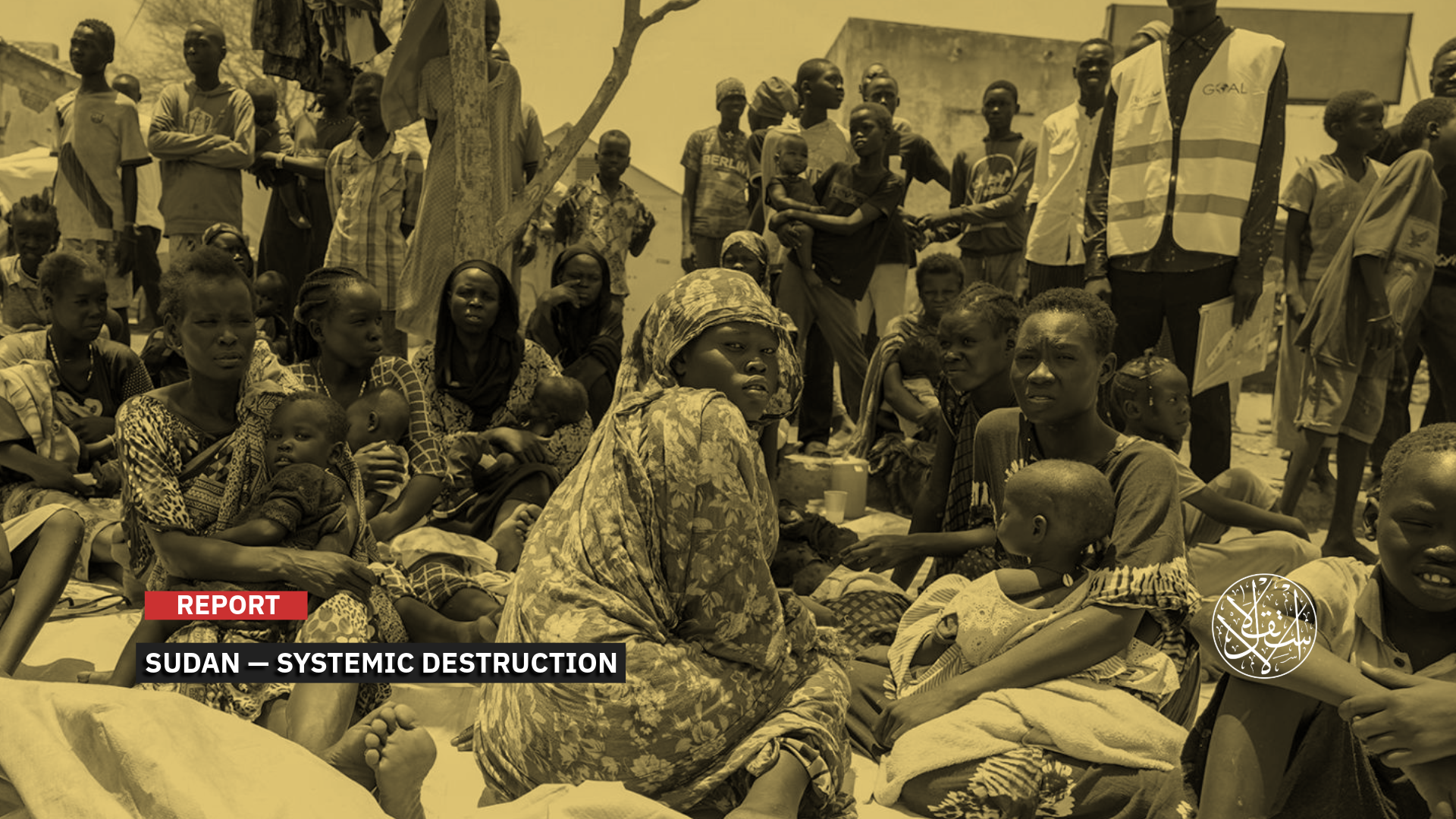
What Sudan is witnessing has shifted from a civil war into a systematic process of destroying the foundations of life.
Since the outbreak of the war in Sudan, the confrontation has no longer been confined to battlefields and frontlines between the army and the Rapid Support Forces militia (RSF), but has expanded to affect the basic necessities of life that millions of civilians depend on.
Water, electricity, hospitals, and agricultural projects have gradually turned into direct or indirect targets of the ongoing conflict in the country.
In recent months, attacks on vital service and infrastructure facilities in several Sudanese states have escalated, worsening the humanitarian situation and expanding the circle of those affected far beyond the battle zones.
Residents are now facing mounting crises in access to water, healthcare, electricity, and food, while local institutions are unable to contain the consequences.
In the latest of these attacks, a drone belonging to the Rapid Support Forces militia targeted, on May 26, 2026, the Basso water reservoir west of the city of Tina near the Chadian border.
The incident has revived accusations against the RSF militia of targeting civilian infrastructure and using essential services as tools of war and pressure on areas outside their control.
This recurring pattern of attacks raises questions about the nature of the strategy adopted by the Rapid Support Forces militia and their true objectives: are these merely collateral damages imposed by war, or has the targeting of water sources, electricity supplies, healthcare facilities, and agricultural projects become part of a systematic policy aimed at exhausting local communities and undermining their ability to withstand the conflict?
Basso Reservoir: Targeting the Lifeline
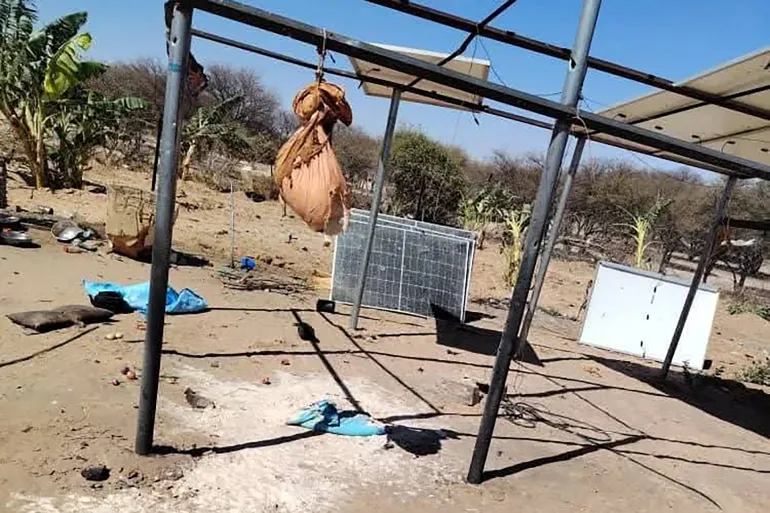
Basso Reservoir is considered the most important water facility in the Tina area, as it represents the main source of drinking water for residents and their livestock, and also serves as a key pillar for the survival of thousands of displaced people who fled the fighting. Its targeting therefore appeared closer to striking a lifeline in the area rather than merely attacking civilian infrastructure.
The reservoir stores thousands of cubic meters of water relied upon by both residents and displaced people, especially as Tina has, in recent months, become a major hub for those fleeing fighting in el Fashir, Kornoy, and Um Baru and other areas in North Darfur, significantly increasing dependence on it as the most important water source in a region already suffering from severe water scarcity.
Local estimates suggest that the reservoir provided water to more than 100,000 people, including residents and displaced families, among them over 5,700 households that arrived in the area in recent months.
In a desert environment marked by high temperatures and scarce alternatives, destroying the reservoir does not only mean the loss of a service facility, but depriving tens of thousands of their essential resource for life.
When a drone belonging to the Rapid Support Forces militia struck the reservoir twice in succession, the second strike was sufficient to completely destroy it, after the first had already caused severe damage to its concrete walls.
The attack resulted in the deaths of three civilians and the death of livestock, while the destruction of the reservoir triggered an immediate water crisis that forced residents and displaced people to travel long distances in search of alternative sources or rely on limited relief aid that does not meet growing needs.
Humanitarian workers believe that targeting such an important facility cannot be separated from its wide-ranging consequences on public health and food security in the region, as water represents the first link in the survival chain.
Any prolonged interruption of water supplies increases the risk of disease and epidemics, threatens livestock, which are a major source of food and income, and pushes more families toward displacement within Sudan or across the border into Chad.
The targeting of Basso Reservoir does not appear isolated from a broader pattern witnessed in Darfur during the war. In the besieged city of el Fashir, survivors told Reuters that civilians risked their lives to obtain water and food, and that leaving besieged neighborhoods meant exposure to sniper fire, shelling, or looting.
When water itself becomes a target of attacks, displacement is no longer a secondary consequence of war but turns into a forced choice imposed on civilians between leaving or staying without the basic necessities of life.
International humanitarian law prohibits the targeting of objects essential for the survival of the civilian population, including water, food, and agricultural infrastructure, as indispensable facilities for sustaining life.
The impact of the war has not been limited to military frontlines but has extended to the health sector and vital infrastructure, with hospitals and electricity stations repeatedly targeted, worsening civilian suffering and deepening the humanitarian crisis in the country.
Since the early weeks of the war, several health facilities in the capital, Khartoum, have been attacked, looted, and occupied, with incidents attributed to the Rapid Support Forces militia.
Researchers documented in a study on the impact of the war on medical personnel that the Martyr Hospital in the al-Droshab area of Khartoum Bahri was attacked on June 30, 2023, resulting in the killing of a laboratory specialist, assaults on patients, and the destruction of the hospital’s laboratory, alongside reports of the killing of doctors and a pharmacist in related incidents.
In Khartoum as well, a joint report by the Sudanese American Physicians Association and the Humanitarian Research Lab at Yale School of Public Health found that 41 out of 87 hospitals in Khartoum State, about 47 percent of all hospitals, were damaged during the first 500 days of the war. In addition, 17 out of 25 teaching hospitals were affected, impacting both treatment services and medical training programs.
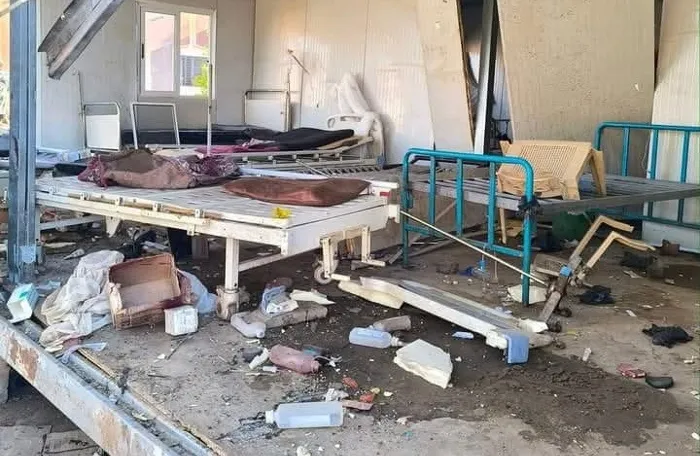
In el Fashir, the targeting of the health sector reached its peak on January 24, 2025, when the Saudi Maternity Hospital, one of the last functioning medical facilities in the city, was attacked, killing around 70 people.
Local authorities attributed the attack to the Rapid Support Forces militia, while the Director-General of the World Health Organization, Tedros Adhanom Ghebreyesus, confirmed the deaths of dozens and called for an end to attacks on health facilities.
In December 2025, the World Health Organization announced that more than 1,600 people were killed that year in attacks targeting health facilities in Sudan, including an attack on a military hospital in the city of Dilling, reflecting the scale of deterioration in the health sector due to the ongoing conflict.
The electricity infrastructure has not been spared either. On January 13, 2025, drones belonging to the Rapid Support Forces militia targeted the Merowe Dam power station, causing widespread disruptions to electricity supplies in several Sudanese states.
Days later, the BBC reported, citing officials and local residents, that most areas under the control of the Sudanese army experienced widespread power outages following attacks on energy generation facilities.
In May 2025, the Rapid Support Forces militia expanded its drone attacks to include the city of Port Sudan, which had become a key administrative and humanitarian center since the start of the war.
The strikes targeted the city’s airport, fuel depots, a power station, and other vital facilities, leading to widespread blackouts and raising concerns about disruptions to humanitarian relief operations.
According to the BBC, the effects of targeting electricity go beyond power outages, they extend to disrupting hospitals, water pumps, cold chains, and communication networks, as well as hindering the transport of humanitarian aid, multiplying the cost of war for civilians and turning basic services into part of the battlefield.
Food and the Gezira Scheme
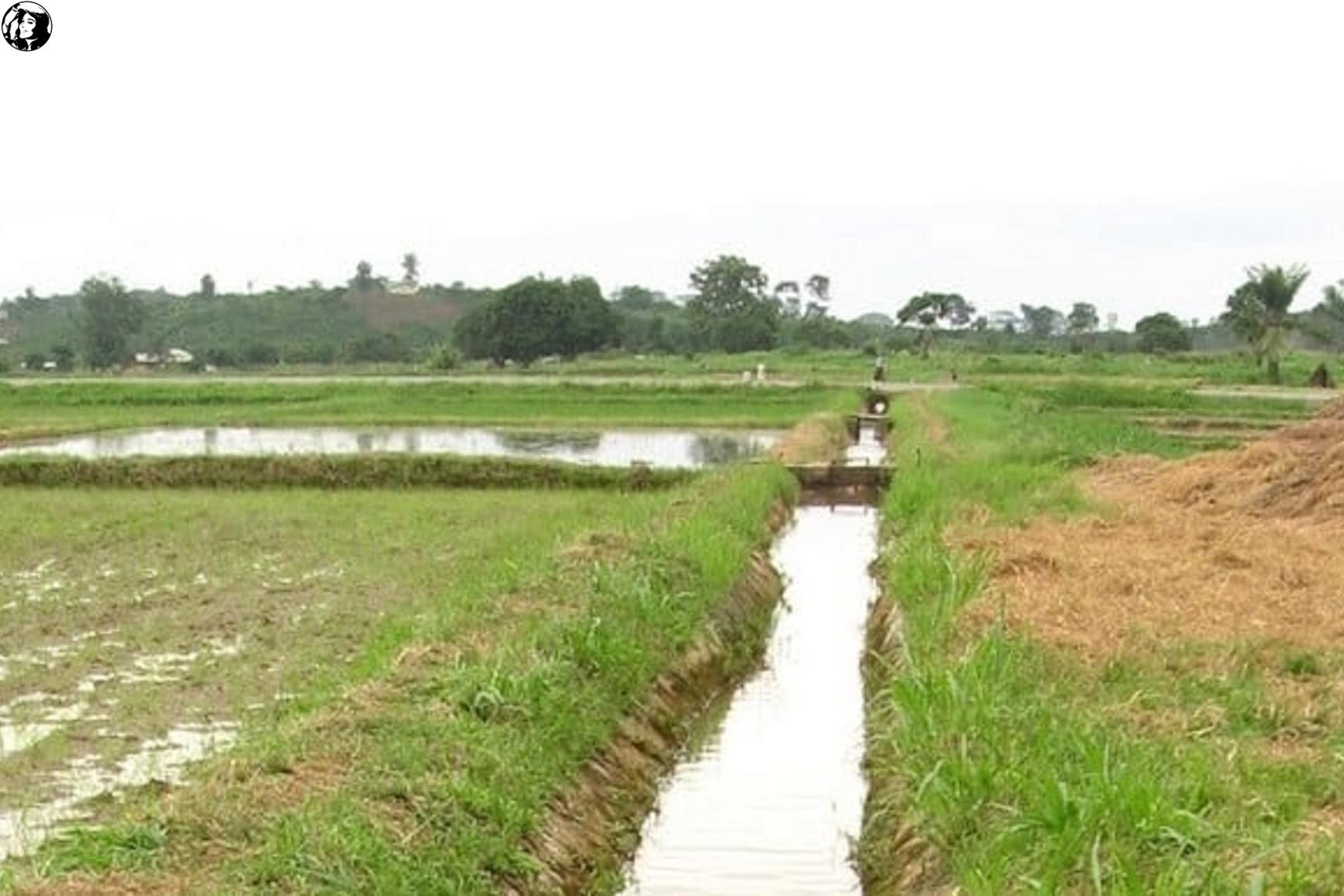
If Basso Reservoir represents the symbol of thirst, then the Gezira Scheme embodies the symbol of hunger in Sudan, as one of the largest irrigation projects in Africa and the country’s most important agricultural asset, and a key source of wheat, sorghum, and cotton production, in addition to being an economic lifeline on which thousands of families depend for their daily livelihoods.
Studies on Sudan’s food crisis show that the Gezira Scheme is the largest in terms of irrigated areas, accounting for around 42 percent of the country’s total irrigated land. This gives it strategic importance that goes beyond agriculture to become a fundamental pillar of national food security.
Since the Rapid Support Forces militia entered large parts of Gezira State in December 2023, the region has turned into a volatile zone marked by looting, kidnapping, and killings, which directly impacted agricultural activity and led to a widespread collapse of the production system.
In August 2024, Reuters published an investigation based on interviews with 43 people across 20 local communities, documenting testimonies of waves of looting, abductions, and killings that followed the Rapid Support Forces militia’s control over most of the state, leading to the breakdown of agricultural and security life in the region.
In October 2024, Human Rights Watch documented attacks on villages in eastern Gezira that resulted in the killing of at least 25 people, following the defection of commander Abu Aqla Keikal from the ranks of the Rapid Support Forces militia, in a development that further escalated field tensions.
The agricultural consequences of these developments were direct and severe; farming seasons were disrupted, farmers fled their lands, equipment was looted, while irrigation canals and local markets, which form the backbone of economic activity in the region, were damaged.
In March 2026, a report by Mongabay, a platform specializing in environmental and agricultural issues, noted that the war has significantly worsened the irrigation crisis in the Gezira Scheme, which spans around 890,000 hectares and relies on a complex network of water channels connected to the Nile River.
With the erosion of this agricultural infrastructure, Sudan is not only facing the loss of a farming season, but is moving toward a dangerous decline in its ability to secure its own food supply, at a time when it is experiencing one of the worst hunger crises in the world, making the targeting of agriculture one of the most dangerous dimensions of the war and one with the deepest impact on the country’s future.
Systematic Destruction
Sudanese politician Amin Abdel Razek said in a statement to Al-Estiklal that what is happening in Sudan can no longer be described as a conventional civil war, but has instead turned into an organized process aimed at dismantling the foundations of civilian life and weakening society by striking water sources, hospitals, electricity networks, the agricultural sector, and essential food supply chains.
Abdel Razek stressed that the targeting of Basso Reservoir in the Tina area cannot be viewed as an isolated incident, but rather comes within an extended series of attacks on civilian infrastructure in Darfur, Gezira, Khartoum, and other regions.
He noted that the repeated pattern of strikes on essential services reveals an approach that goes beyond the logic of traditional military operations toward directly exhausting the civilian population.
In his remarks, Abdel Razek held the Rapid Support Forces militia responsible for this course of action, describing it as a “terrorist militia,” and said it bears responsibility for the violations witnessed in the country since the outbreak of the war, which have contributed to deepening the humanitarian catastrophe and expanding the scale of destruction across Sudan.
He also sharply criticized the international and regional response, arguing that Sudan has been left alone in the face of one of the largest humanitarian crises of the modern era.
He added that the international community’s engagement with the crisis has not matched the scale of the tragedy compared to other crises in the region and the world, despite the widespread killing, displacement, and humanitarian collapse.
He pointed out that the United Nations itself describes Sudan as the world’s largest displacement crisis and one of the worst ongoing humanitarian emergencies, noting that millions of civilians are facing severe levels of food insecurity, while besieged areas are living under catastrophic conditions requiring urgent international intervention.
Abdel Razek emphasized that the real danger is not limited to direct loss of life and property, but extends to the destruction of life opportunities themselves, saying that “targeting a water reservoir serving tens of thousands, or disabling a hospital, electricity network, or agricultural project, effectively means striking the foundations of survival and pushing populations toward hunger, disease, and forced displacement.”
He added that the continuation of violations by armed militias makes it difficult to speak of civilian protection or state stability, amid the transformation of large areas of the country into zones of chaos and widespread institutional collapse.
He concluded by saying that Sudan does not need more statements of concern, but rather an effective international stance that puts an end to the targeting of civilians and infrastructure, and holds those responsible for violations accountable, warning that delayed international action will significantly increase the cost of rebuilding the country in the future compared to the cost of saving it at present.
Sources
- Attacks on Health Care in Sudan, 18 February - 03 March 2026
- Targeting Water Sources: Is the Rapid Support Forces Deliberately Depriving Tina, Sudan of Water? [Arabic]
- War Exacerbates Long-Standing Irrigation Crisis for Sudanese Farmers
- About 70 People Killed in Attack on Hospital in Sudan’s Darfur Region, WHO Chief Says
- Drone Attacks Shock City in Central Sudan as War Inches Closer
- How War and Politics Destroyed Sudan’s Largest Agricultural Project [Arabic]