Trump’s Envoy Faces Threat from Iran-Backed Militias in a New Phase of Iraq’s Sovereignty Struggle
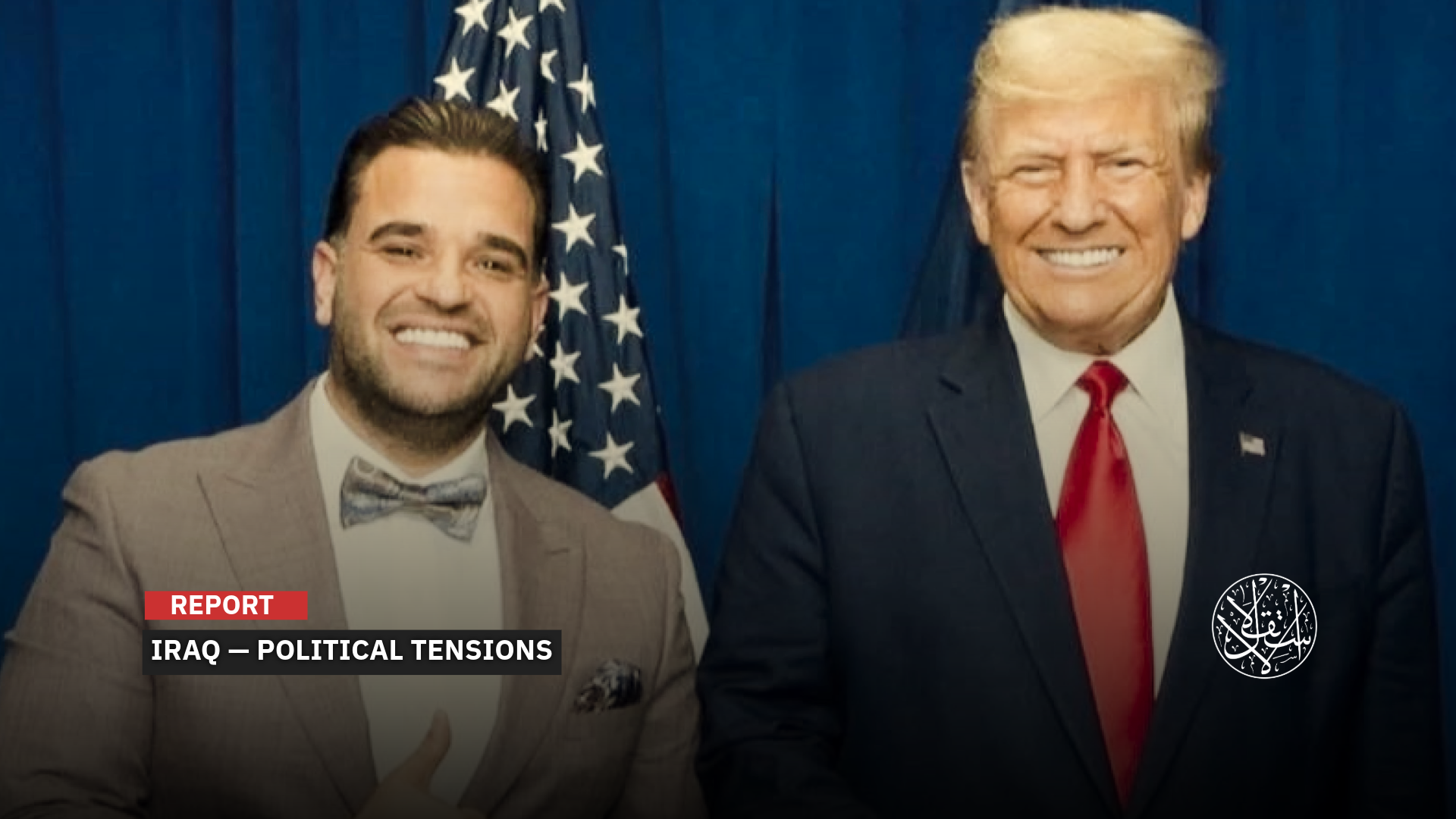
Kata’ib Hezbollah warned factions within the Shiite Coordination Framework against engaging with Trump’s envoy.
In a fresh escalation on Iraq’s crowded political stage, Iran-linked militias have launched a fierce campaign against the U.S. president’s envoy to Baghdad, Mark Savaya, going as far as issuing direct threats. The sharp tone has raised pressing questions about why Washington’s representative is being singled out at such a sensitive moment for the country.
Savaya, a 43-year-old American of Iraqi Chaldean origin, was appointed by President Donald Trump in October 2025 after emerging as a prominent figure in Trump’s Michigan campaign. He also drew attention for his role in helping secure the release of Russian-Israeli captive Elizabeth Tsurkov from Iraqi militias, a move that appears to have placed him squarely in their crosshairs.
An Obscure Young Man
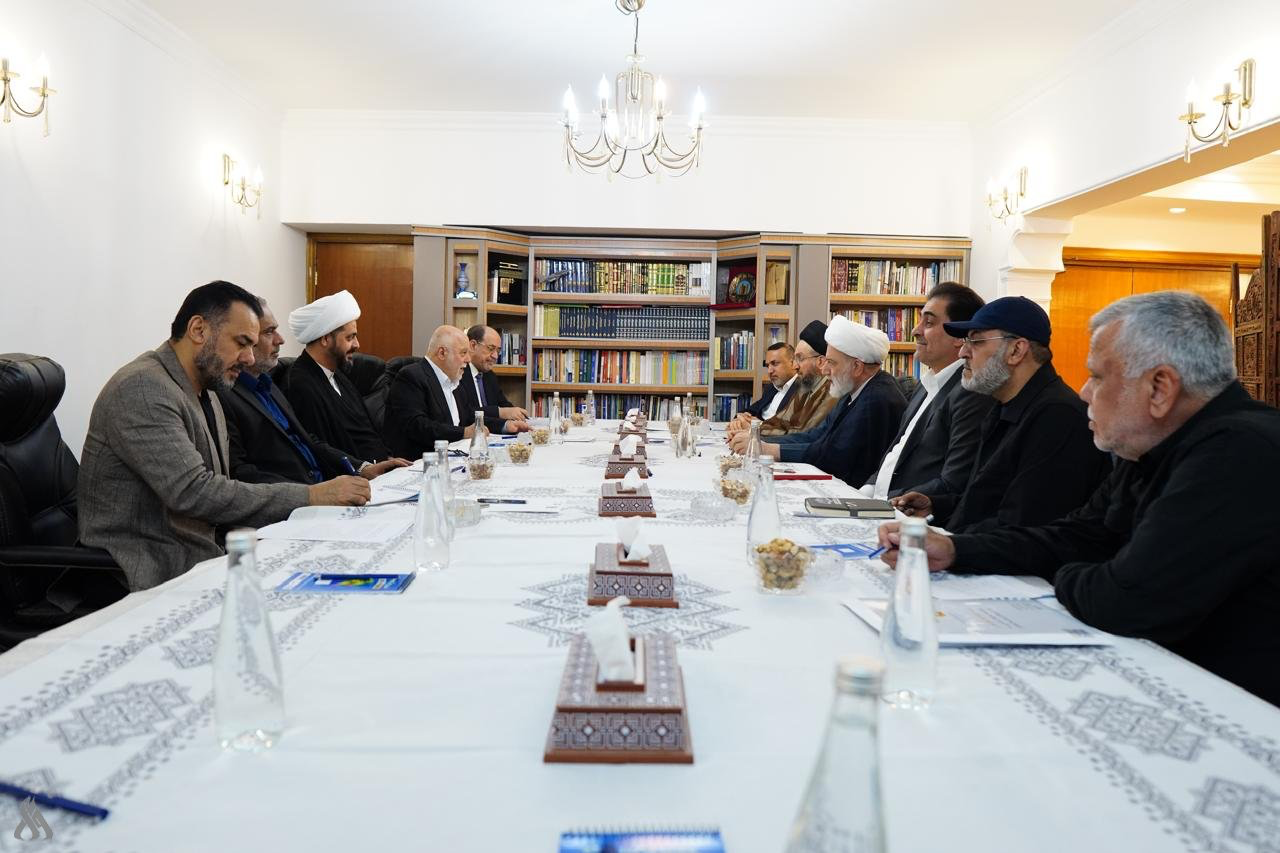
As leaders of Iraq’s Shiite Coordination Framework remain preoccupied with negotiations over selecting a new prime minister, Iran-aligned militias have escalated their campaign against the U.S. president’s envoy to Iraq, Mark Savaya, warning political forces, especially clerics, against any contact with him. Those who do, they said, would be treated by the public as traitors and tools of Donald Trump.
Abu Ali al-Askari, the spokesman for Kata’ib Hezbollah, wrote in a social media post on December 13 that “the obscure young man Mark Savaya, steeped in deviant behavior, was appointed by Trump as his envoy to Iraq in pursuit of narrow gains at a moment of extreme regional complexity.”
In sharply escalatory language, al-Askari added, “Understand this, you reckless fool and your foolish master: Iraq is bigger than you. On its doorstep the mightiest empires have collapsed throughout history, and on its soil your occupying army fell apart, until senior commanders like Casey, Petraeus, and Odierno became a joke in the history books.”
“By the hands of our men, your criminal creation ISIS was crushed, and your illusions collapsed one by one.”
Al-Askari said Kata’ib Hezbollah “will not confront you directly,” arguing instead that “the youth of this proud people are more than enough,” adding that they would be capable of sending Savaya back “in humiliation to the world of decadence, alcohol, and drugs.”
He concluded by saying Iraqi politicians and public figures, particularly clerics, should avoid any engagement with Savaya, warning that “the people will treat them as traitors and instruments of the criminal Trump.”
Earlier, on December 4, the Iran-aligned al-Nujaba militia issued a direct threat against the U.S. president’s envoy to Iraq, Mark Savaya, marking a fresh escalation in tensions between armed factions in Iraq and Washington.
In a post on X, al-Nujaba leader Akram Alkabee accused what he called “American and Zionist global arrogance” of openly interfering in Iraqi affairs, pointing specifically to “the so-called Trump envoy” as a violation of Iraq’s sovereignty.
Alkabee described Savaya as “a traitor to his country who has thrown himself into the arms of its occupiers,” accusing him of acting with disregard for Iraqi sovereignty. He claimed Savaya had arrived with the intent to plunder Iraq’s resources and deliver them to what he called his “foolish American master,” Donald Trump, while criticizing what he labeled the muted and timid response to such interference.
He argued that the continued silence from Iraqi political forces raises serious questions about their stance on foreign interference. Alkabee concluded with an explicit threat, warning that if Savaya was not stopped, the Islamic Resistance would “silence him and send him back to his masters,” accusing him of betraying Iraq and abandoning any loyalty to his country.
Direct Threat
Explaining both the timing and the motives behind the campaign against Mark Savaya, Iraqi affairs researcher Ali al-Massari said the escalation was triggered in part by a tweet Savaya posted days earlier, in which he argued that no Iraqi government could be formed as long as armed forces operated outside state control.
“The attack on Savaya is being led by two factions seen as closest to Iran, while Asa’ib Ahl al-Haq, led by Qais al-Khazali, appears more focused on securing political gains and a role in the next government,” he told Al-Estiklal.
“That helps explain Abu Ali al-Askari’s attack on the group and his pointed warning to al-Khazali, a cleric, against any contact with Savaya.”
Al-Massari noted that the timing is also closely tied to Savaya’s repeated calls for militias to be disarmed, a stance that would effectively push them out of Iraq’s political equation. This, al-Massari said, has fueled real fears among these factions about Savaya’s moves and the pressure he could exert on Shiite Coordination Framework forces to sideline them.
According to the researcher, the threats against Savaya reflect a belief among these militias that they can intimidate him into retreating from his mission or deter him from coming to Iraq altogether, a view he described as naïve. Alternatively, he said, the threats may be direct orders from Iran, intended to send a message that Tehran remains the dominant player in Iraq and that Washington must negotiate with it first on the issue of disarmament.
Al-Massari added that Iran continues to hold the reins of these militias, though Asa’ib Ahl al-Haq under al-Khazali may be less compliant than others. By contrast, Harakat al-Nujaba and Kata’ib Hezbollah, he said, receive direct instructions to condemn, threaten, or even de-escalate when ordered, with little room to refuse, even at the expense of Iraq’s national interest.
Iraqi politician and Washington-based head of the Future Foundation, Entifadh Qanbar, said the statements issued by Harakat al-Nujaba should not be dismissed as media rhetoric. He described them as a direct threat by a militia leader fully subordinate to Iran against an official representative of the United States, calling it an assault on U.S. diplomatic sovereignty.
Qanbar warned that continued American reliance on vague and indecisive policies toward these militias, allowing them a place in any future Iraqi government, or backing down in the face of their threats would undermine the Middle East peace project and place President Donald Trump’s legacy at serious risk.
He concluded by urging the United States to take a clear and firm stance against all Iran-backed militias in Iraq, stressing that no American envoy, citizen, or strategic partner should be left alone to face such threats.

International Isolation
On the eighth anniversary of Iraq’s declaration of victory over ISIS, on December 10, 2025, U.S. President Trump’s envoy to Iraq, Mark Savaya, warned that no nation can succeed while armed groups compete with the state and undermine its authority. He said that this reality has weakened Iraq’s standing on the international stage, strangled its economy, and limited its ability to protect its national interests.
In a post on X, Savaya said Iraq has shown over the past three years that real stability is possible when the government follows a pragmatic and balanced path that keeps the country out of regional conflicts and refocuses attention on national priorities. He cautioned against derailing what he described as a fragile but emerging course.
Savaya added that lasting stability requires responsible leadership, unity of purpose, and a firm commitment to strengthening the state and its institutions.
He went on to say that as Iraq marks eight years since defeating ISIS and successfully concludes its parliamentary elections, responsibility now rests squarely with the country’s political and religious leaders. Their next decisions, he said, will determine whether Iraq moves toward sovereignty and strength or slides back into fragmentation and decline.
In language widely read as a direct warning to Iraq’s political class, Savaya said that a unified and rational choice would send a clear message to the United States and the international community that Iraq is ready to reclaim its place as a stable and respected country in a new Middle East. The alternative, he warned, is just as clear: economic deterioration, political unrest, and international isolation.
He concluded by stressing that the United States, under President Donald Trump, stands ready to support Iraq at this critical moment. Savaya said his team is committed to working closely with Iraqi leaders in the weeks and months ahead to help build a strong state, a stable future, and a sovereign Iraq capable of shaping its own destiny in the region.
On December 6, U.S. Special Envoy to Syria Tom Barrack delivered sharp criticism of past American policies in Iraq, arguing that they strengthened Iran and allowed it to fill the vacuum left by the 2003 U.S.-led invasion.
Speaking with The National, Barrack said previous U.S. administrations pursued strategies that contributed to Iran’s regional rise, pointing in particular to what he described as a power vacuum in Iraq that Tehran quickly moved to exploit.
The invasion of Iraq became “a great example of what we should never do again,” Barrack said, adding that it ultimately expanded the influence and privileges of Iran-backed militias inside the Iraqi parliament. He noted that Iraq’s political system continues to suffer from the long-term consequences of those decisions.
Barrack described the current Iraqi government as a “failed model,” arguing that it should serve as a warning to Washington in how it approaches the region.
Commenting on Prime Minister Mohammed Shia’ al-Sudani, Barrack said that while al-Sudani is a capable figure, he lacks real authority, blaming the dominance of the Popular Mobilization Forces and their political representatives in parliament. Those groups, he said, obstruct the political process and prevent the prime minister from forming effective, governing alliances.
Barrack’s remarks came after a surprise visit to Baghdad on November 30, where he met Prime Minister Mohammed Shia’ al-Sudani, without issuing any public statement detailing the purpose or substance of the trip.
Iraqi militias made a strong showing in the parliamentary elections held on November 11, securing around 80 seats through affiliated electoral lists in the new parliament. All of these seats fall under the Shiite Coordination Framework, which now holds roughly 170 of the 329 seats in the legislature.
In early December 2025, Iraqi Foreign Minister Fuad Hussein said in a televised interview that Washington had informed Baghdad it would not engage with armed groups under U.S. sanctions, signaling a tougher American stance toward the role of militias in Iraq’s political landscape.
Sources
- Kata'ib Hezbollah Attacks Trump’s Envoy to Iraq, Urges Politicians to Avoid Contact [Arabic]
- Al-Nujaba Militia Threatens Trump’s Envoy to Iraq [Arabic]
- Mark Savaya: Iraqi Leaders Must Take a United Stand to Avoid International Isolation [Arabic]
- Barak Discusses the Possibility of “Partition” and Creating Federal Republics in Iraq [Arabic]