Senegalese Imams’ Trip to Israeli Occupation Sparks Public and Official Outrage: What’s Going On?
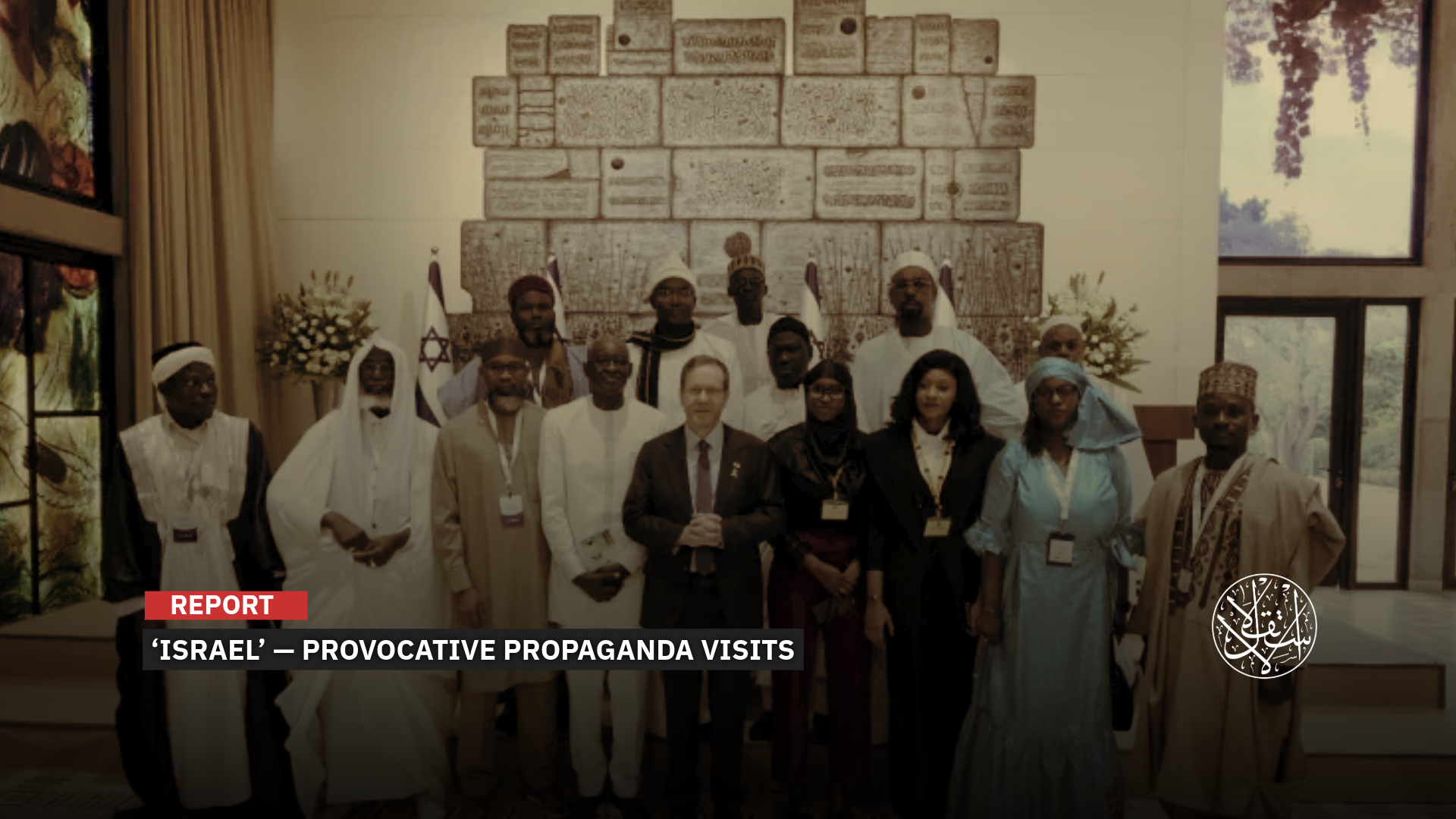
“The visit only serves the Zionist narrative.”
A recent visit by Senegalese religious leaders to the Israeli Occupation has sparked widespread criticism across the country, particularly given Senegal’s strong public support for the Palestinian cause.
The League of Imams and Preachers in Senegal issued a statement clarifying that the clerics who joined the delegation headed to the Israeli Occupation in no way represent the imams of the country or its people.
A Personal Initiative
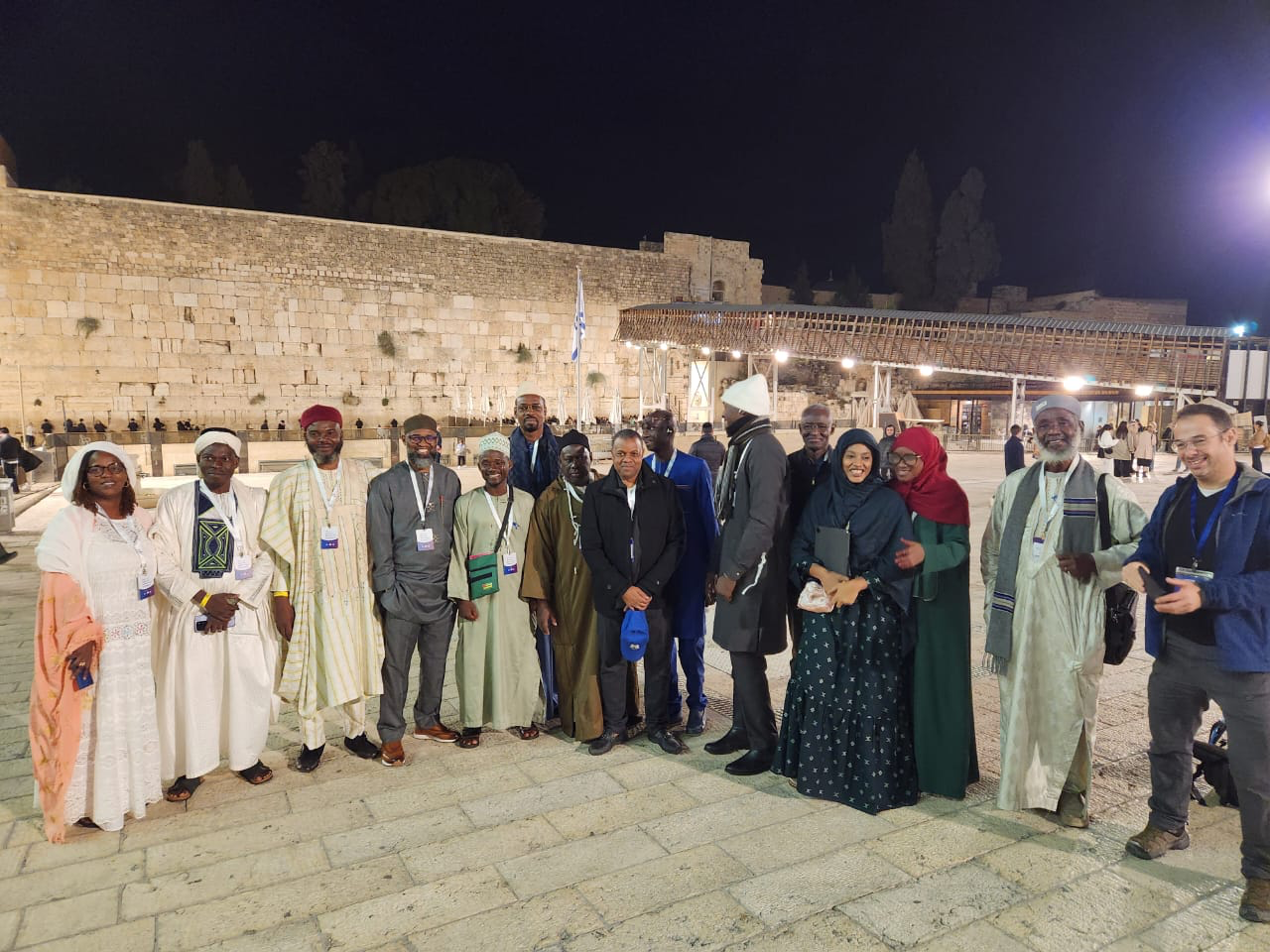
On 8 December 2025, the League of Imams and Preachers in Senegal issued a statement condemning the visit of a delegation of clerics to “Israel,” saying it directly contradicted Senegal’s official stance and the position of religious scholars in the country regarding Palestine.
The statement reminded that Senegal has continuously chaired the Committee on the Exercise of the Inalienable Rights of the Palestinian People since its founding in 1975, reflecting a historic and unwavering commitment to supporting Palestine.
It stressed that the self-appointed delegation could in no way represent the Senegalese people, who have repeatedly and clearly expressed their deep, peaceful solidarity with the Palestinian cause.
The league characterized the visit as taking place amid a global context marked by serious violations of international law and human rights, calling it a historic and diplomatic error that runs directly counter to Senegal’s official position and religious authorities’ commitments.
The statement urged national and international audiences not to associate this “personal initiative, lacking any legitimacy,” with Senegal or its religious leadership.
According to Hebrew media reports, a group of imams and journalists from French-speaking West African countries was invited to Occupied Jerusalem under a program organized by “Israel’s” Foreign Ministry. Israeli Occupation President Isaac Herzog received the delegation, which included religious leaders from Senegal, Togo, Ivory Coast, Benin, and Cameroon.
Zionist Justifications
Justifying the visit, Imam Hido Mohamed Awali, secretary-general of the Muslim Union of Togo and imam of the Mosque Maison du Hajj, told the Israeli channel i24NEWS on 4 December 2025 that “being in the Holy Land is no small matter,” describing the Israeli Occupation as “a house of glory, a sacred land.” He framed the visit as a “message of peace,” achievable everywhere if people listen to each other, respect human dignity, practice social justice, and forgive.
Awali described the trip as “spiritual and fraternal,” aimed at fostering interfaith dialogue and strengthening ties between peoples, insisting that “peace is not just a word; it is a behavior.” Strategically, he highlighted the “enormous potential for Israeli-African partnerships,” including agriculture, innovation, and countering extremism, claiming “Israel” could offer much to Africa and stressing the importance of education in combating “terrorist ideology.”
Senegalese political and social activist Mouhamadou Barro criticized the trip, telling Al-Estiklal that visits organized by the Israeli Occupation serve propaganda purposes and are meant to manipulate African audiences and citizens.
He argued that the delegation’s trip comes in response to international outrage over Israeli Occupation’s genocide in Gaza and the occupied territories.
Barro added that “Israel” consistently sends media figures and opinion leaders to Gaza to serve as mouthpieces justifying its bloody crimes against the tormented Palestinian people, while preventing independent journalists from freely reporting in the territory.
“Israel will never allow any independent journalist or content creator to report freely in the Palestinian territories, particularly in Gaza,” he said.
“The Israeli Occupation targets dissenting voices, including killing more than 250 journalists in Gaza while they were performing their duties.”
Barro also questioned why a Senegalese media outlet arranged a meeting with Herzog during the religious delegation’s visit, affirming that such coverage serves only the Zionist narrative.
Religious Delegations
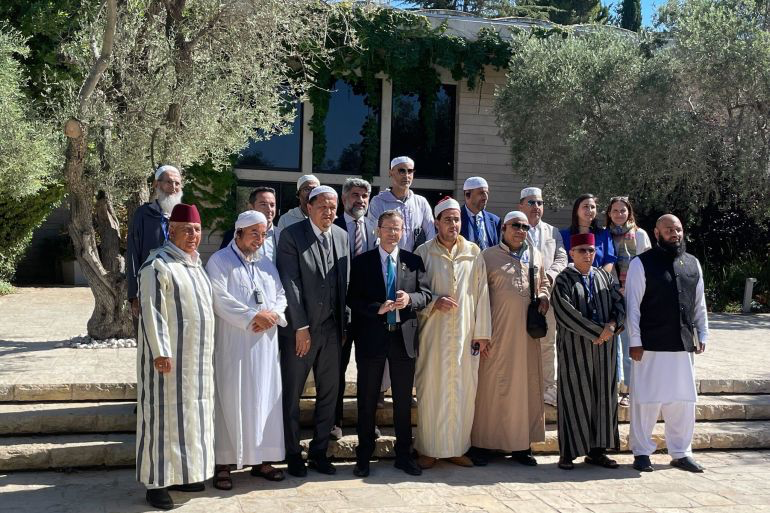
The African delegation’s visit, the largest since “Israel’s” aggression on Gaza began on 8 October 2025, followed an earlier trip in July 2025 by a group of imams based in European countries, who also met with President Herzog.
The European Council of Imams strongly condemned that earlier visit, emphasizing that the members of this delegation are unknown in Europe among imams and preachers and have no connection to recognized and trusted religious institutions or associations within the European Muslim community.
In a statement at the time, the council said the visit’s context and sponsors revealed a provocative and performative agenda serving dubious purposes that do not reflect the steadfast solidarity of European Muslims with the oppressed people of Gaza or their denunciation of the brutal crimes committed against them by the Israeli Occupation forces.
The European Council of Imams warned that any initiative that seeks to whitewash the Israeli crimes is a betrayal of God, His Messenger, and the blood of the oppressed, and cautioned against attempts to manipulate awareness and distort core principles through paid or misleading actors.
Following widespread criticism of participants in the African delegation—organized by the European Leadership Network (ELNET)—Bilal Mosque in Alkmaar, the Netherlands, suspended its imam, who had joined the visit to the Israeli Occupation.
The mosque’s administration clarified in a statement that the mosque’s position is clear: the imam has no standing within the mosque, and stressed that the mosque’s governing committee bears no responsibility for the imam’s statements or actions outside the mosque; following these events, there is no official relationship between the imam and the mosque.
Israeli Penetration
“Israel’s” focus on African countries and attempts to gain influence there remain ongoing, especially as pro-Palestinian protests against the ongoing genocide in Gaza have surged across the continent.
During an interfaith dialogue event in Dakar, Senegal, some attendees protested the participation of the Israeli Occupation ambassador, forcing the event to pause.
According to Seneweb on 19 November 2025, one protester loudly shouted, “Free Palestine,” and was escorted out. Other participants, who were not removed, argued that the meeting should not have taken place in Senegal at all, noting that the genocide in Palestine was sufficient grounds to oppose the gathering.
In Libreville, Gabon, a joint international conference between Gabonese churches and the Israeli Occupation took place on 10–11 December 2025.
According to Le Touraco vert on 11 December 2025, the meeting brought together delegates from nine provinces in Gabon, other African countries, and “Israel.”
The Israeli delegation leader, Pastor Barley Burle, emphasized in his speech the “need for Africa to engage with Israel to rebuild friendly relations.”
Despite “Israel’s” efforts to expand its influence in Africa, a study by the Cairo-based Pharos Center for Consulting and Strategic Studies highlighted significant obstacles to such engagement.
Published on 27 July 2025, the study pointed to factors that could prevent closer ties between African nations and the Israeli Occupation, including the continent’s historical struggle against Western colonialism and “Israel’s” longstanding support for South Africa’s apartheid regime. It also cited “Israel’s” practices as a state accused of apartheid and oppression, including racial discrimination against African Jews and African refugees.
Other challenges identified include the active presence of Turkiye and Iran in Africa in recent years, competing with Israeli influence, as well as the continued support of Palestine by several African countries—both Arab and non-Arab—which maintain significant weight on the continent.
The study also acknowledged factors that “Israel” seeks to exploit to expand its foothold, including ongoing regional instability, conflicts between popular uprisings and counter-revolutions in Yemen, Libya, and Syria, as well as the lack of Arab unity on many issues, minimal engagement by most Arab states in African affairs, and the absence of a coherent Arab strategy toward the continent.
The study noted that the Arab-Israeli rapprochement, whether through formal peace agreements or unofficial understandings, provides the Israeli Occupation opportunities to strengthen ties with nations that otherwise support Palestine.
Other influences include Western powers, especially the United States, which sometimes use “Israel” as an intermediary to stabilize or indirectly shift certain regimes in Africa. The report also highlighted the role of an active Zionist Jewish lobby, composed of Israeli businessmen and African Jews, in shaping influence across the continent.
Sources
- Religion: 4th Edition of the Gabon-Israel International Inter-Church Conference 2025 [French]
- Israel–Africa: Togolese Imam Delivers Message of Peace on i24NEWS [French]
- Declaration of Solidarity with Palestine: Senegalese League of Imams and Preachers Disavows Unauthorized Delegation to Israel [French]
- Dakar: Participants Expelled from Interfaith Meeting After Protesting Israeli Ambassador [French]
- The Security and Military Dimension of Israel–Africa Relations (Study) [Arabic]