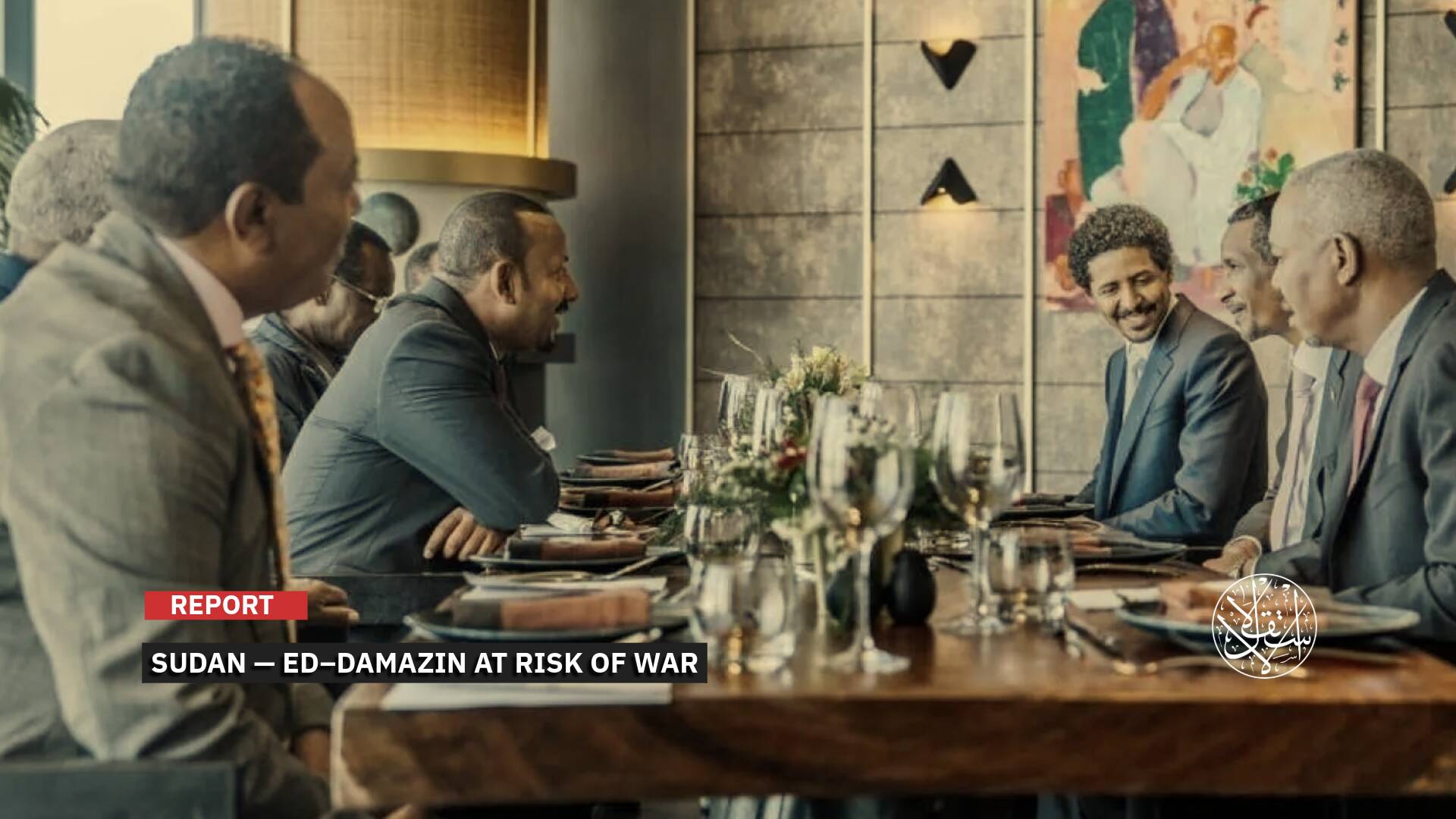
No Stop Sanctions: What’s Behind Washington’s Pressure on Iran’s Militias in Iraq?
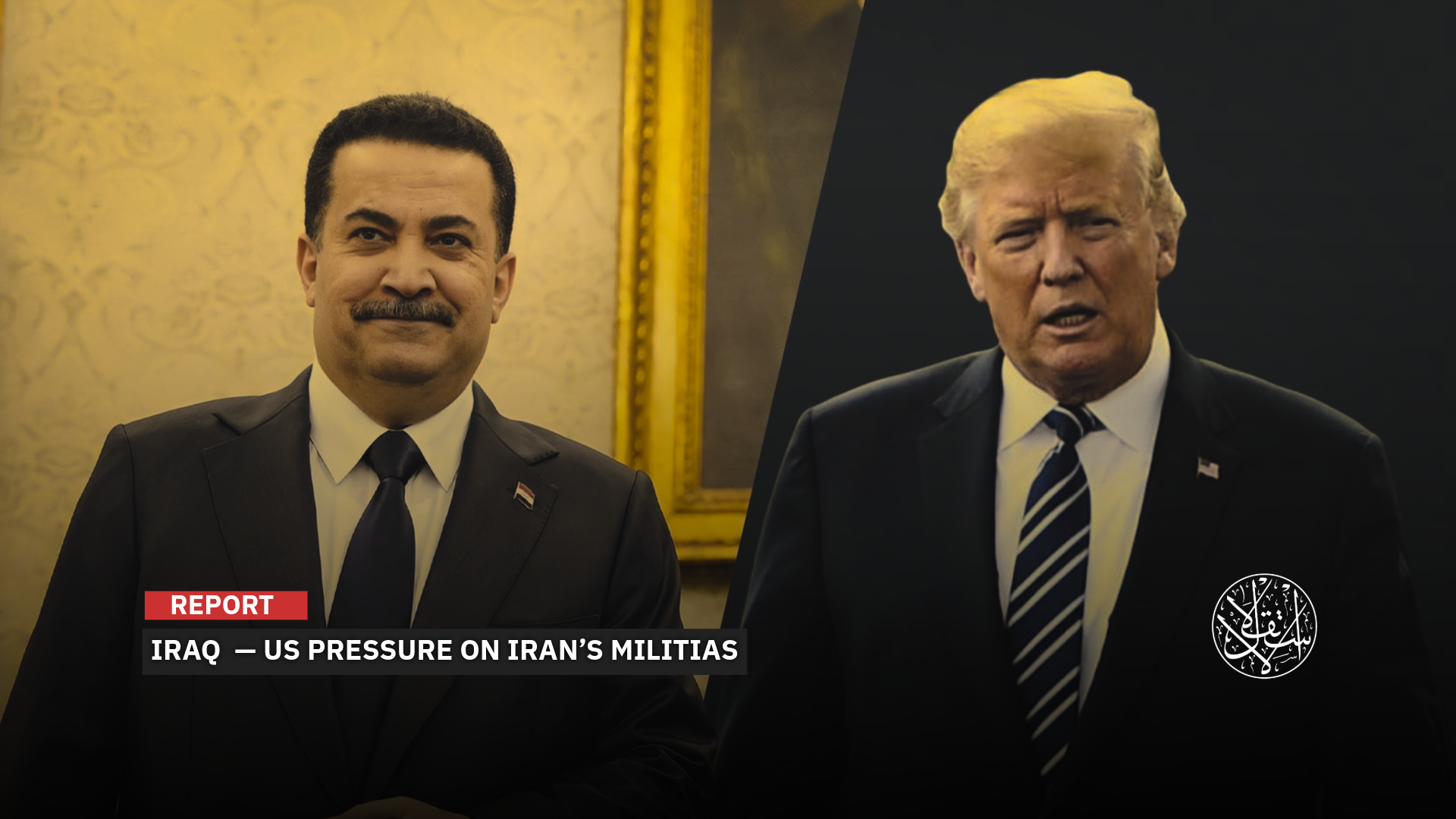
The U.S. Treasury sanctions targeted the head of the National Olympic Committee of Iraq.
Less than a month after sanctioning four Iran-backed militias in Iraq, Washington imposed a new wave of sanctions that targeted Iraqi officials and state institutions accused of laundering money for Tehran’s government.
The repeated U.S. sanctions on armed groups, civilian entities, and official Iraqi institutions accused of serving Iranian interests within this short period have raised urgent questions about the implications of this move ahead of Iraq’s parliamentary elections scheduled for November 11, 2025.
‘Undermining Sovereignty’
U.S. State Department spokesperson Tommy Pigott said Washington was targeting Kata’ib Hezbollah and Asa’ib Ahl al-Haq for “undermining” Iraq’s sovereignty, just twenty days after sanctions had been imposed on other factions.
Writing on X, Pigott said, “The United States is pursuing maximum pressure on Iran. We are targeting the IRGC-Qods Force, which supports Iran’s regional terrorist partners and proxies, and two Iraq-based groups, Kata’ib Hizballah and Asa’ib Ahl al-Haq.”
“These militias actively undermine Iraq’s sovereignty, weaken Iraq’s economy, and conduct attacks against U.S. personnel and interests across the Middle East.”
These statements came just one day after the U.S. Treasury Department imposed a new round of sanctions targeting Iraqi banking figures and companies linked to Iran’s Islamic Revolutionary Guard Corps (IRGC) and Kata’ib Hezbollah, including the state-owned al-Muhandis Company, the economic arm of the Popular Mobilization Forces (PMF).
The Treasury said the move aimed to dismantle corruption and money-laundering networks that enable armed groups to operate inside and outside Iraq, according to its October 9 statement.
It noted that the Iranian regime relies on its Iraqi militia proxies to infiltrate state institutions and security agencies.
“Today, the U.S. Department of the Treasury’s Office of Foreign Assets Control is taking action against individuals and companies that assist the Iranian regime in evading U.S. sanctions, smuggling weapons, and engaging in widespread corruption in Iraq,” the Treasury stated.
“The Iranian regime relies on various Iraqi militia proxies, including U.S.–sanctioned foreign terrorist organization Kata’ib Hizballah, to penetrate Iraq’s security forces and economy.”
The department also held these groups responsible for the killing of American citizens and attacks on U.S. and allied interests in the region, adding that they continue to undermine Iraq’s economy and monopolize public resources through corruption and illicit gains.
According to the Treasury, the new sanctions targeted two unnamed Iraqi bankers, a front company, and a major economic entity linked to the PMF, as well as security figures running IRGC intelligence networks inside Iraq.
“Treasury is targeting Iran-backed militia groups responsible for the deaths of U.S. personnel,” said Under Secretary of the Treasury for Terrorism and Financial Intelligence John K. Hurley. “Under Secretary Bessent’s leadership, we are working to dismantle the financial networks that enable these terrorist groups to operate. Cutting off their financial flows is essential to protecting American lives and our national security.”
The statement explained that Kata’ib Hezbollah, one of the most powerful PMF factions, established al-Muhandis General Company for Construction, Agriculture, and Industry as an economic cover for its operations.
The company is controlled by senior Kata’ib Hezbollah leader and PMF Chief of Staff Abd al-Aziz Malluh Mirjirash al Muhammadawi (Abu Fadak).
It allegedly exploited government contracts to funnel money from state institutions into front companies, including Baladna Agricultural Investments, to finance militia operations and arms smuggling in coordination with the IRGC.
The Treasury also named businessman Ali Mohammed Ghulam Hussein al-Anssari (Ali Ghulam), accusing him of using his influence over several Iraqi banks to generate millions of dollars for the IRGC and Kata’ib Hezbollah.
It added that al-Anssari provided financial services to Asa’ib Ahl al-Haq, including dollar purchases and money laundering through forged documents to evade government oversight.
The sanctions list also included Aqeel Meften Khafeef al-Baidani (Aqeel Meften), head of the National Olympic Committee of Iraq, and his brother Ali, who allegedly ran the Union Bank of Iraq, tied to the IRGC.
Washington accused them of laundering tens of millions of dollars and smuggling oil and narcotics and said Aqeel exploited his official position for illegal financial gain.
The Treasury further stated that Kata’ib Hezbollah commander Hasan Qahtan al-Sa’idi led a Baghdad-based spy network involving PMF members, including his son Muhammed and Haytham, which gathered intelligence on U.S. military movements for the IRGC.
Earlier, on September 17, the U.S. State Department designated four Iran-backed Iraqi militias—Harakat al-Nujaba, Ansar Allah al-Awfiya, Kata’ib al-Imam Ali, and Kata’ib Sayyid al-Shuhada—as foreign terrorist organizations, accusing them of carrying out attacks on the U.S. Embassy in Baghdad and bases hosting American forces in Iraq.
Curtailing Influence
Regarding the timing of the repeated U.S. sanctions within less than a month targeting Iran-aligned groups and figures in Iraq, Iraqi affairs researcher Moayad al-Douri said they are “part of a broader effort to limit Iran’s regional influence but also aimed at weakening its Iraqi allies.”
“The United States wants to undermine Iran’s allies and neutralize their influence in Iraq during the next phase, especially after the upcoming parliamentary elections, by isolating them from any positions in the state,” al-Douri told Al-Estiklal.
“After the Iraqi elections, Washington will pressure political forces and the next prime minister not to allow sanctioned individuals or entities to hold government posts, setting that as a condition for engagement with the new administration, a step intended to curb Iran’s power and expansion inside Iraq.”
Iraqi political analyst Nizar Haidar said the U.S. sanctions are aimed at the Iraqi state itself, which he says has been left vulnerable by its weak response to currency smuggling and money laundering, as well as its diplomatic and political missteps in dealing with Washington.
Haidar added in a television interview on October 11 that the secret budget of al-Muhandis Company had been included in the government’s past fiscal plans, along with the Iraqi Olympic Committee, a state-run institution.
He stressed that the government, including current Prime Minister Mohammed Shia’ al-Sudani, is fully aware of the currency smuggling and money-laundering operations carried out by these actors but is powerless to stop them because of their political party protection.
Political writer and analyst Falah Almashal warned of the repercussions of the recent U.S. sanctions, noting that they could lead to Iraq being excluded from the International Olympic Committee.
In a post on X on October 10, Almashal said that “the U.S. Treasury’s decision to blacklist and sanction a number of individuals, banks, and companies is nothing new—but what is new is that the President of the Iraqi Olympic Committee, Aqeel Meften, is now among those sanctioned and banned.”
He pointed out that the involvement of the head of the Olympic Committee in money-laundering operations, the smuggling of funds to Iran, and drug trafficking is alarming and signals the collapse of key state institutions in Iraq.
“Why are Iraqi state institutions, both governmental and independent, being dragged into politically suspect activities under American scrutiny? And what if Iraq’s Olympic Committee were expelled from the International Olympic Committee, especially since the next Olympic Games will be held in the United States?” Almashal warned.
On October 11, the Iraqi government voiced its regret over Washington’s decision to impose sanctions on Iraqi individuals and companies, saying the move undermines the spirit of friendship and mutual respect that has long defined relations between the two countries.
The government emphasized that taking such a decision without prior consultation or dialogue sets a negative precedent in the way allied countries interact.
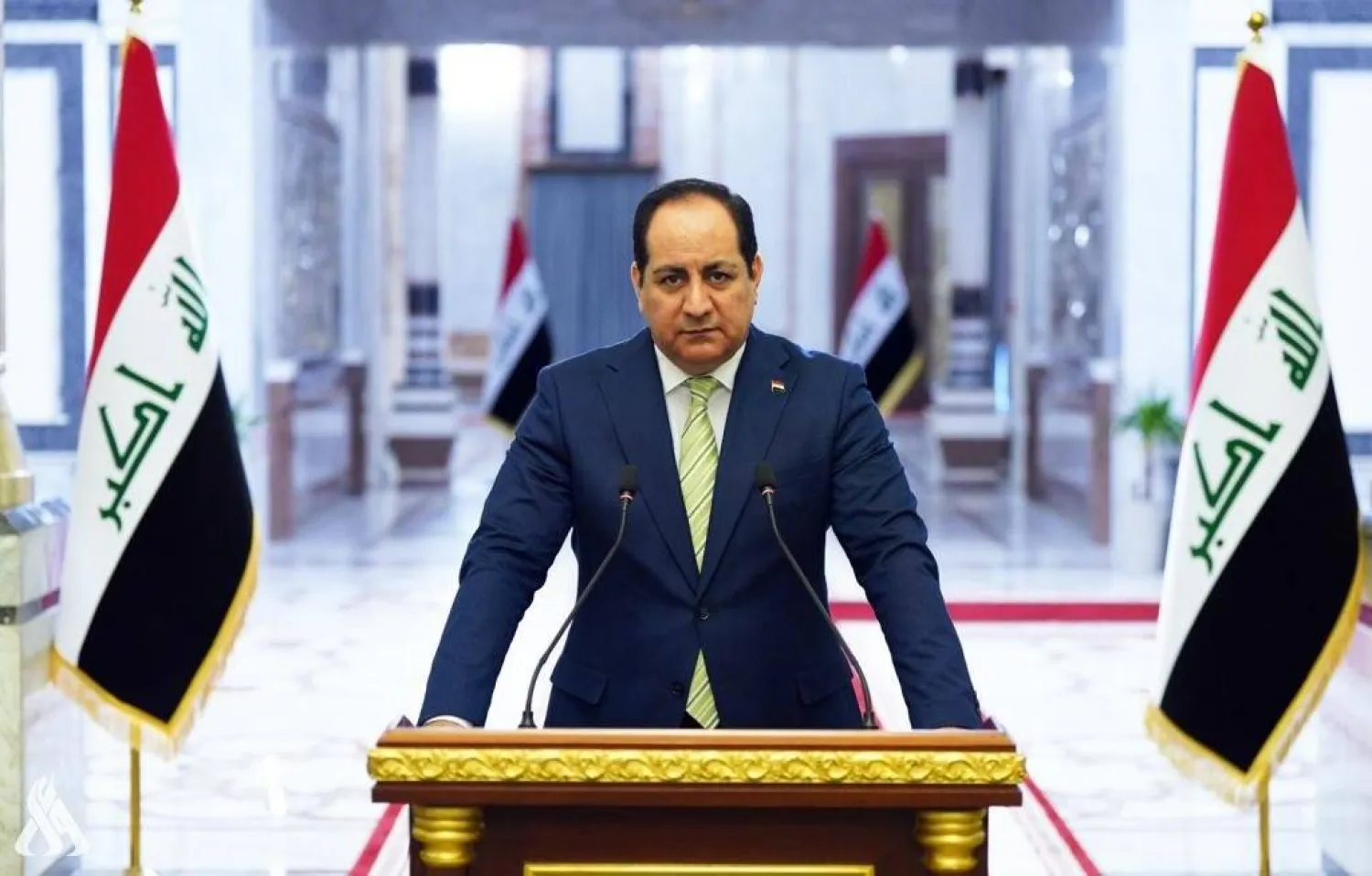
“Iraq rejects any economic or financial activity that falls outside the national legal framework, is used to fund armed groups, or serves purposes that conflict with the higher interests of our people,” government spokesperson Basim Alawadi said.
“The Prime Minister has ordered the formation of a high-level national committee to review the matter, which will submit its report and recommendations within 30 days.”
Pro-U.S. Government
On the same topic, The Century Foundation reported on October 6 that the sanctions come amid international policymakers’ desire to push Iraq to curb what is called the influence of the “Axis of Resistance” and to encourage both factions and the Iraqi state to improve governance independently.
The report noted that the drastic measures taken by the United States to freeze groups aligned with the Iranian Republic will only increase divisions and instability and set Iraq back on its path toward modern statehood.
The core of the conflict revolves around two irreconcilable visions for Iraq. The first, shaped by Prime Minister Mohammed Shia’ al-Sudani and backed by the coalition forces, is that of a modern nation-state: a sovereign entity that controls its borders, manages its foreign policy through diplomacy, and channels its resources toward public services and economic development.
The second, championed by Iran, is that of a revolutionary “resistance” state: an ideological outpost in a regional struggle, where national sovereignty is secondary to the imperatives of the Axis, and where armed power exists parallel to, and often above, the formal institutions of government, according to The Century Foundation.
Al-Sudani is steering the country toward his vision through a strategic settlement that includes Iran-aligned factions in the Iraqi government. International intervention, however, has complicated his delicate balancing act.
Washington has taken a hardline stance against these Iran-aligned groups, threatening sanctions and other measures if they are allowed to participate in government. The U.S. position suggests that the way these tensions are ultimately resolved is likely to determine the trajectory of Iraq’s political landscape for many years into the future, affecting not only the country’s internal stability but also the broader balance of power across the region and the future scope of Iranian influence throughout the Arab world.
The parliamentary elections scheduled for November 2025 could present an important opportunity for political renewal and a recalibration of governance in Iraq, offering the possibility of addressing long-standing grievances and reforming state institutions.
However, if the underlying issues and structural challenges remain unaddressed, these elections could instead exacerbate fragmentation, intensify political instability, and deepen societal divisions.
The stakes of this political struggle extend far beyond the borders of Iraq itself, with significant implications for regional security, counterterrorism operations, and the wider challenge of promoting sustainable democratic transitions and governance reforms throughout the Middle East.
Facing U.S. pressure and internal resistance from armed groups, unprecedented divisions have emerged within Iraq’s Shiite establishment. Shiite parties are struggling to maintain their alliance with Iran while meeting U.S. demands to disarm militias, often by integrating them into official state structures.
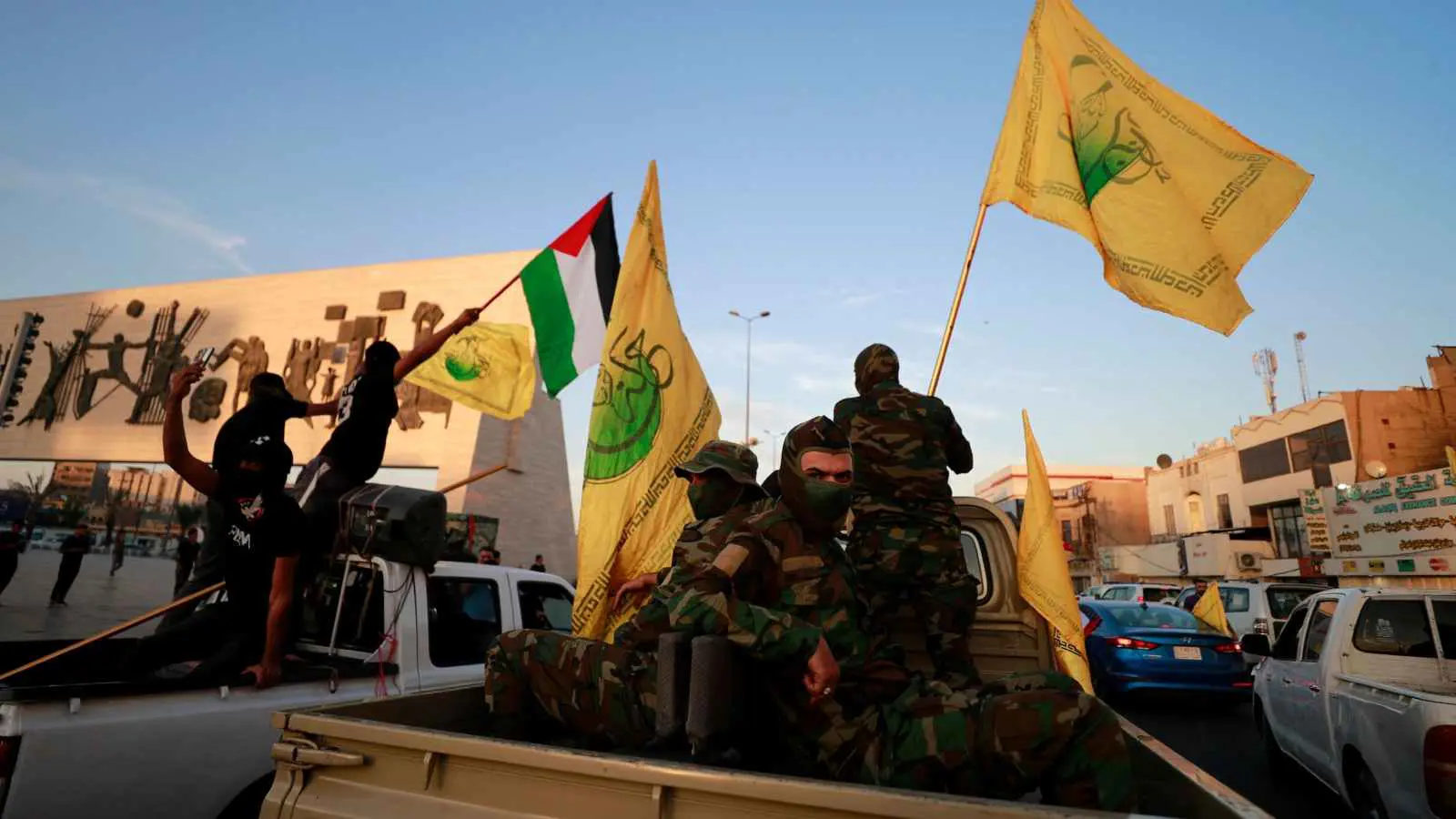
Iraq’s Islamic Resistance factions include five main groups: Kata’ib Hezbollah, Harakat Hezbollah al-Nujaba, Kata’ib Sayyid al-Shuhada, Kata’ib Imam Ali, and Ansar Allah al-Awfiya. They operate both as part of the official Popular Mobilization Forces structure and as an independent network allied with Iran.
This dual identity has become a growing source of tension, as these groups maintain operational independence while receiving salaries and resources through their PMF affiliation.
The Century Foundation concluded that the pressure from the Trump administration on Baghdad regarding these factions could pave the way for a new, more hardline Iraqi government led by a Washington-aligned prime minister.
Sources
- Treasury Takes Aim at Iran-Backed Militia Groups Threatening the Safety of Americans
- Integrate, Normalize, or Fight: Choices Facing the Shia Armed Factions in Iraq
- Sanctioning Actors Supporting Iran-Aligned Militia Groups in Iraq
- Political Analyst: Listing the Iraqi Olympic Committee Head in Sanctions Signals Serious Institutional Collapse in Iraq [Arabic]
- U.S. Moves Against Three Shiite Groups and Rafidain Bank in Iraq [Arabic]
- Baghdad Regrets Washington’s Decision to Sanction Iran-Linked Iraqi Companies and Individuals [Arabic]