Increasing Deaths in Tunisian Prisons: Heatwave or Deliberate Neglect?
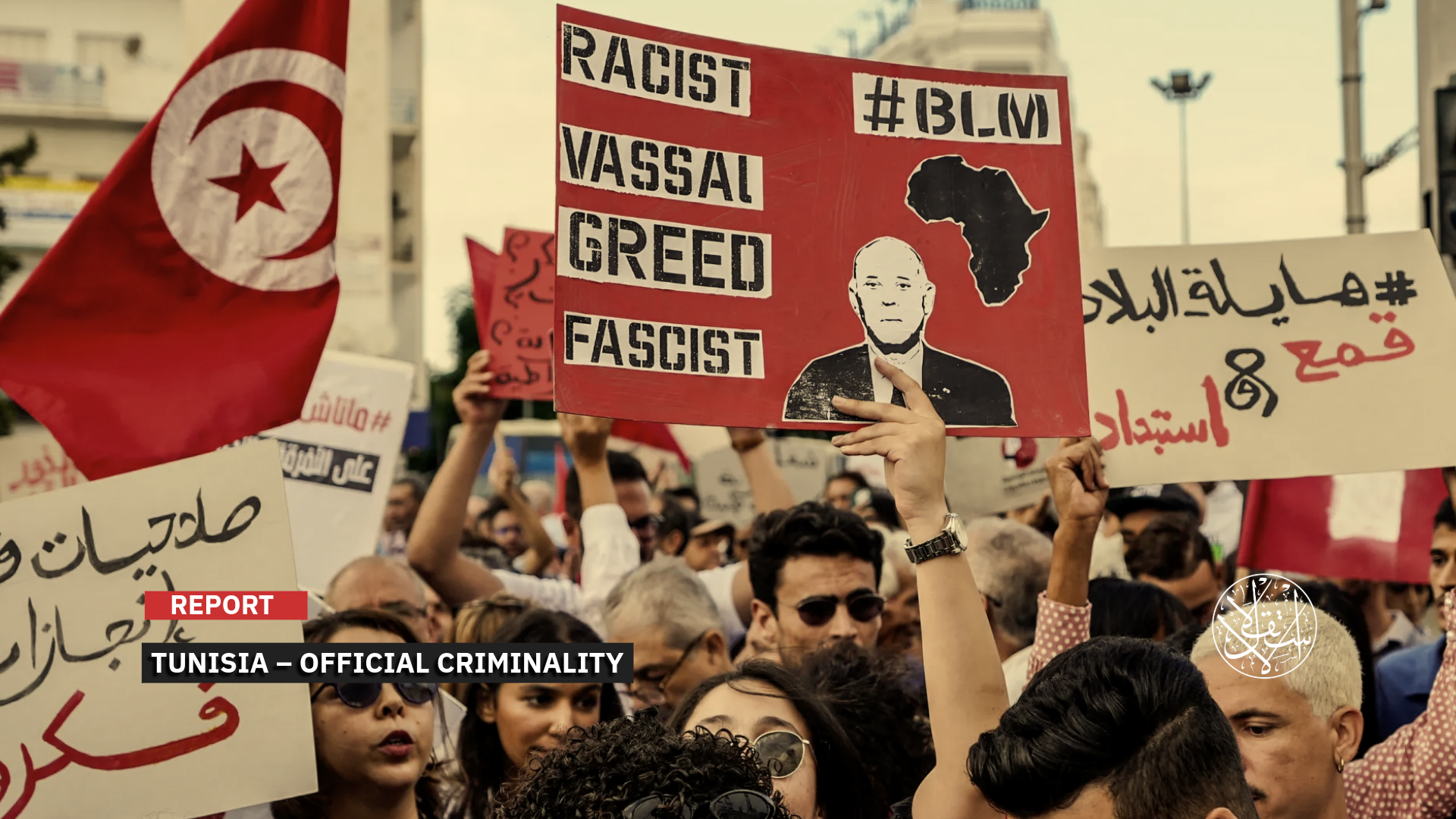
"The heatwave of summer 2026 cannot be presented as an unforeseen, exceptional circumstance."
Tunisia’s political and human rights landscape is reeling from the shock of rising inmate deaths, amid warnings that the country's heatwave is being exploited to eliminate prominent political opponents.
Bassem Trifi, president of the Tunisian League for the Defense of Human Rights (LTDH), stated that at least 20 prisoners have died in Tunisia recently, coinciding with the severe summer heatwave gripping the country.
Speaking to the private radio station Express FM on September 3, 2026, Trifi explained that 20 deaths had been documented in prisons by the end of August, noting that this data was gathered from doctors, lawyers, and prisoners' families.
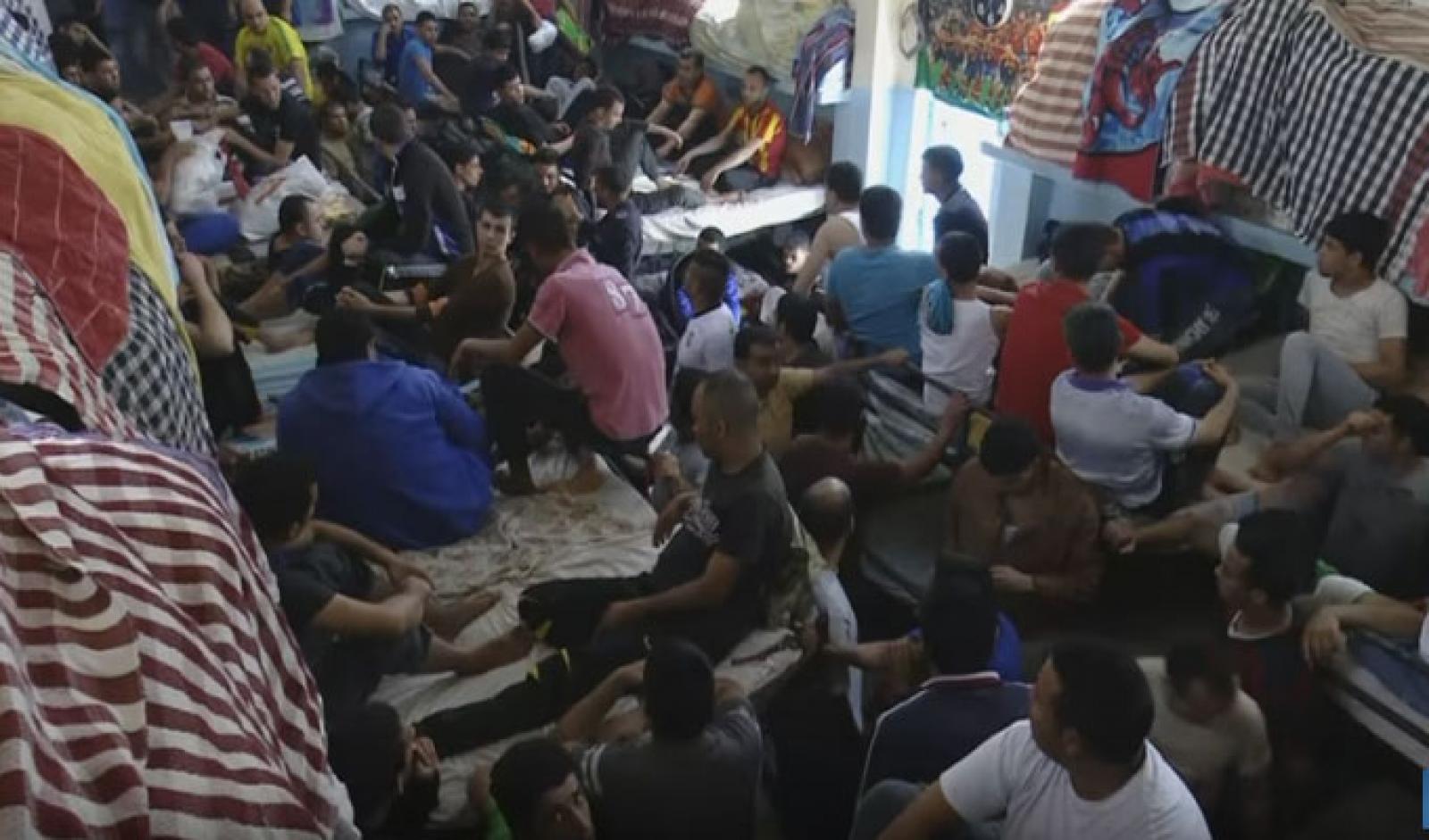
Trifi addressed prison conditions in Tunisia, noting that while the facilities struggle even under normal circumstances, temperatures occasionally exceeding 45°C—combined with poor ventilation and severe overcrowding (with occupancy rates reaching nearly 300% of capacity in some prisons)—elevate the situation to the level of torture.
The League’s president held the General Directorate of Prisons and the Ministry of Justice responsible, calling on them to release data and information regarding these cases.
"We are not seeking a confrontation; we are simply asking for information," he said.
Meanwhile, Tunisian authorities have yet to provide official figures on heat-related deaths within the prison system.
Non-governmental organizations and lawyers frequently criticize detention conditions in Tunisia, particularly regarding the treatment of political opponents held in custody.
Among them are leftist activist Ahmed Nejib Chebbi (82) and Ennahda Movement leader Rached Ghannouchi (85), as those close to them have raised increasing concerns regarding their health.
In this context, the families of the detainees organized a solidarity rally in front of the Court of Cassation on Thursday, September 3, 2026, demanding their release and an end to what they described as the exploitation of the judiciary to settle political scores.

Recurring Incidents
Human rights reports and statements issued by lawyers and activists have confirmed the recurrence of prisoner deaths due to heat.
In this context, the Kairouan (central Tunisia) branch of the LDHR confirmed the death of a 50-year-old prisoner who suffered a stroke after being exposed to extreme heat.
In a statement issued on September 2, the League reported that the prisoner's lawyer had confirmed the news.
The lawyer explained that the Public Prosecutor at the Court of First Instance in Kairouan had issued a detention order against the prisoner, accusing him of obstructing the freedom to work—an offense that poses no serious threat to individuals or society.
According to the same source, the deceased’s brother stated that, based on information provided by the prison administration, the death resulted from a stroke brought on by an inability to withstand the high temperatures.
This was exacerbated by the prisoner's pre-existing kidney condition and the severe overcrowding within the Kairouan Civil Prison.
The statement condemned the long-standing overcrowding at the prison, particularly given the marked rise in temperatures and the harsh conditions endured by the inmates.
It also called upon the Public Prosecutor to refrain from issuing detention orders when the alleged offenses pose no serious threat or cause no tangible harm to individuals or society.
In a statement to Agence France-Presse (AFP), a lawyer speaking on condition of anonymity reported that another prisoner died on Friday, September 4, at Mornaguia Prison in Tunis after suffering from suffocation due to the heat.
Tunisian lawyer Soukaina Jomni had previously announced the death of her client at Mornaguia Prison, attributing it to the extreme heat.
The lawyer explained that her client had spent nearly a year in detention pending proceedings for a customs-related misdemeanor.
She noted that she had hoped his request for release would be reconsidered in September, following the judicial recess, but he passed away in prison.
On August 28, human rights sources announced the deaths of four inmates at the Monastir Civil Prison, as well as injuries to two others who were admitted to the intensive care unit.
The Carthage News website identified the victims as Ashraf Lahmar (from Teboulba), Moaz El-Haddad, another inmate from Ksibet El Mediouni, and Ahmed Mujahid (from Kairouan).
The site stated that the incident occurred amidst suspicions of suffocation and oxygen deprivation.
It noted that the event was not merely an accident; under Kais Saied’s regime, prisons have transformed into sites of isolation, slow death, overcrowding, medical neglect, and a deliberate cover-up of violations.
Commenting on the incident, the website added: "Seven years of absolute rule have eroded the most basic standards of human dignity. When a prisoner dies of asphyxiation while in state custody, the primary party responsible is the one who has concentrated all power in his own hands, turning the country into a mass grave and a torture camp."
In this context, the Regional Bar Council of Monastir called for opening a judicial inquiry into every death to determine the causes and the associated responsibilities.
It also called for sharing the results of medical examinations and official reports regarding these deaths with the public, human rights organizations, and the families of the deceased, as a matter of respecting the minimum rights of those families.
Furthermore, it urged immediate and urgent action to provide necessary medical and emergency care within the prison system, ensuring the rapid and effective transfer of critical cases to hospitals in an effort to save lives.
On September 7, the Rasad Tunisia account reported that 18-year-old Anas El Saadaoui had died just 11 days after being remanded to Mornaguia Prison.
According to a family member cited by the source, Anas suffered from a cardiac arterial malformation and shortness of breath.
His family and lawyer had submitted various medical records to the relevant authorities and the prison administration, alerting them to his health condition and the need for special care—specifically the avoidance of physical exertion, heat, and overcrowding.
The account reported the family as saying that, during visits, Anas complained about not receiving his medication and about the prison's living conditions; they noted that detainees had to take turns sleeping due to severe overcrowding.
The family stated that, on the morning of his death, they went to the prison to deliver his medication, but the administration refused to accept it, asking them to bring it at a later time.
Anas El Saadaoui’s family has demanded an investigation into the circumstances of his death and a determination of accountability, particularly given their assertion that the relevant authorities were aware of his health condition yet disregarded it.
In a more recent case, former MP and political activist Ziad El-Hechmi announced the death of businessman Lazhar Satta in prison.
In a Facebook post on September 8, El-Hechmi described Satta as the latest victim within Kais Saied’s prisons, emphasizing that such deaths—or instances of slow killing—have become a daily reality for the families of prisoners.
General State of Emergency
In a related development, the Tunisian Organization of Young Doctors has called for the declaration of a health emergency amidst a rise in cases of heatstroke.
The organization announced that the country is witnessing a marked surge in deaths and hospital admissions linked to heatstroke and soaring temperatures.
It warned of mounting pressure on emergency departments and demanded the immediate declaration of a health emergency.
The organization explained that emergency departments are receiving an increasing number of cases resulting from the heatwave, noting that deaths have also been recorded among prisoners within some of these facilities.
It also highlighted the difficult conditions under which doctors and nursing staff are working, emphasizing that the immense pressure has led to severe exhaustion among emergency personnel and has exceeded the healthcare system's standard capacity.
The organization urged Tunisian authorities to take urgent measures to address the situation—foremost among them declaring a health emergency and providing support to medical and nursing staff—in order to mitigate the heatwave's impact and protect the population.
The organization's president had previously stated that between 150 and 200 heat-related deaths were recorded in late July 2026—a figure that has not been confirmed by the authorities.

Official Criminality
Tunisian writer Amir Ammar emphasized that the recurring deaths of prisoners have become an increasingly urgent issue given the scale of overcrowding.
He noted that the National Authority for the Prevention of Torture reported the number of inmates in Tunisian prisons reached approximately 33,000 in May 2025, against an official capacity of around 17,000—representing a national occupancy rate of roughly 194 percent.
In an analytical article published by the website Nawaat on September 4, Ammar added, "The LDHR has also reported rates exceeding 200 percent in certain facilities."
He continued, explaining that while these figures do not prove overcrowding caused any specific death, they directly impact the facility's ability to provide the standards guaranteed by law.
The number of doctors and staff, hospital transport, sanitary facilities, space, and ventilation do not automatically double simply because the number of detainees doubles.
He further stated, "Therefore, the pressure experienced in the summer of 2026 cannot be presented as an unforeseen, exceptional circumstance; the elements of the crisis were known years in advance."
Ammar stressed that the recurrence of prison deaths justifies demands for a thorough investigation, particularly when such deaths coincide with extreme weather conditions and chronic prison overcrowding.
The writer noted that the responsibility of the relevant authorities does not end with a prisoner's death; the State’s obligation persists beyond the death itself and the notification of the family—though its nature shifts.
He explained, "Beyond the duty of protection, the State is then required to preserve evidence that sheds light on what occurred, ensure an independent investigation capable of reconstructing the facts, and enable the family to learn the fate of an individual whose access to the outside world—during his final days—was entirely controlled by the institution."
He continued, "This brings the critical issue of transparency to the fore. Based on public sources available up to early September 2026, there appears to be no unified, up-to-date official database that tracks deaths in detention facilities—categorized by institution, penal status, age, and ultimate cause of death—or that indicates whether an investigation was launched and what its outcome was."

Dangerous Regressions
Amidst these deaths and mounting public discontent in Tunisia regarding Kais Saied’s administration, the Tunisian General Labour Union (UGTT), the National Bar Association of Tunisia, and the LDHR announced on September 3 the launch of a joint coordination framework for Tunisia and the Tunisian people.
The three bodies asserted that the country has witnessed a dangerous regression in rights and freedoms, alongside persistent restrictions on political, trade union, and civil society activities.
They also highlighted the increasing instrumentalization of the judiciary in political conflicts—undermining its independence, fair trial guarantees, and the right to a defense—thereby eroding a crucial safeguard for citizens and threatening the foundations of the rule of law and state institutions.
The organizations emphasized that shifting blame onto others is no longer viable; the incumbent authority bears full political responsibility for its choices, decisions, and their consequences.
This follows five years of managing public affairs outside the framework of dialogue and participation, characterized by a lack of transparency, the withholding of information, and the suppression of dissenting voices.
They affirmed that "Tunisia cannot be governed through denial, silence, or a single-voice approach, nor can crises be addressed by excluding society and its active forces."
They called for a comprehensive review of economic and social choices and policies that have proven unsuccessful, and for the initiation of a serious process of societal dialogue.
This process should lead to economic, social, and political solutions capable of rescuing the country, preserving its unity, safeguarding rights and freedoms, and restoring confidence and hope among the Tunisian people.
Meanwhile, the National Salvation Front—which opposes President Kais Saied—continues to call for national unity in confronting the coup and for a return to the democratic path, stressing that addressing the country's current economic and social problems is contingent upon this return and the end of authoritarianism.