From the Gulf to Turkiye: Inside the Strategic Rail Corridor Taking Shape Through Syria
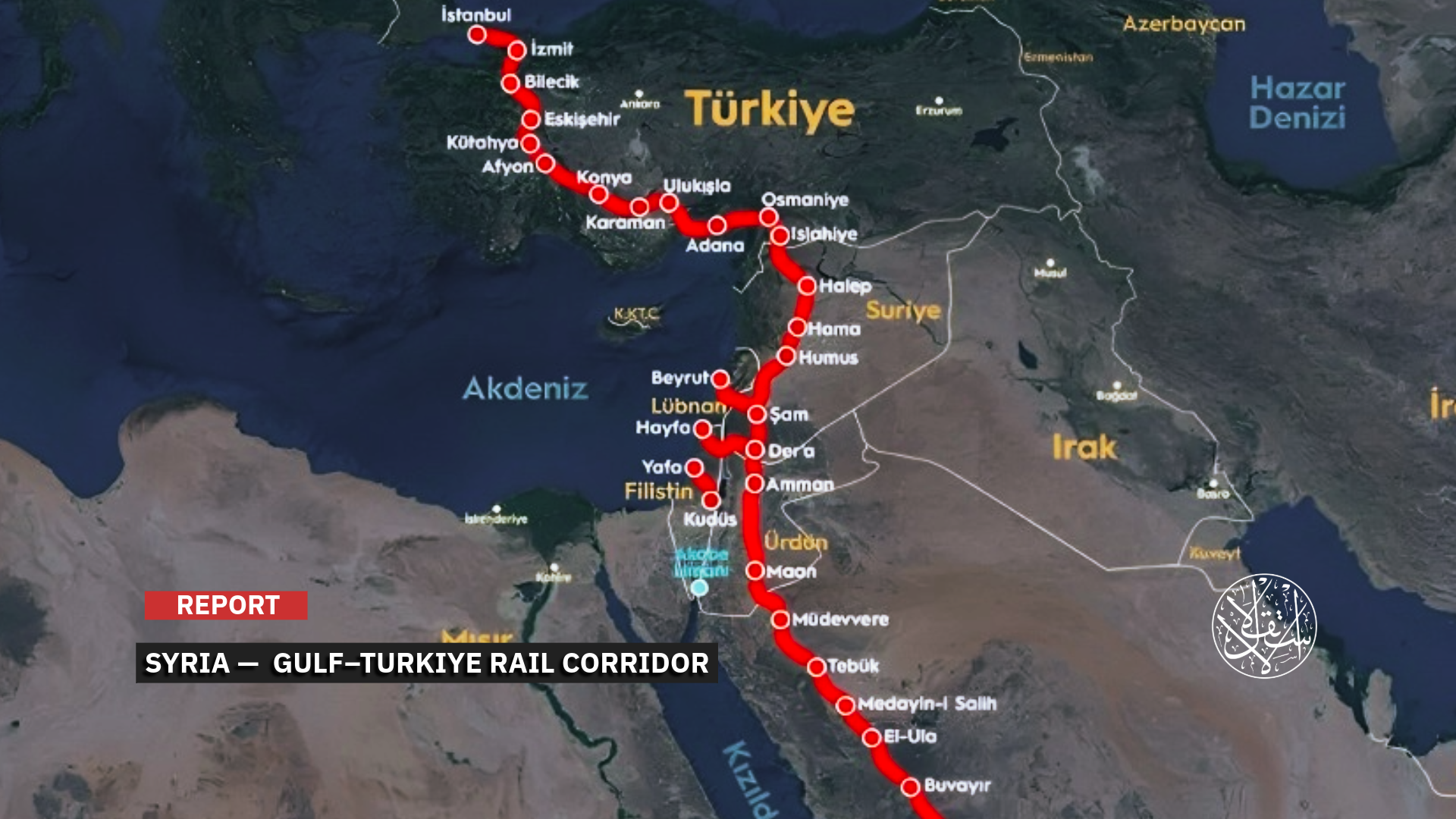
The rail corridor’s greatest strength lies in its connection to Syria’s Mediterranean ports.
As geopolitical shifts reshape the Middle East’s trade routes and spheres of influence, Syria is once again emerging as a potential hub for regional land and rail connectivity. With growing risks threatening traditional maritime corridors, the country’s geography could give it a renewed role in linking the Gulf with Turkiye and Europe through a network of highways and railway lines.
The disruption of shipping routes in the Strait of Hormuz amid escalating regional tensions has revived interest in Syria as an alternative transit route capable of connecting energy-rich Gulf states with markets further north and west.
That role draws on Syria’s historic position as a bridge between the Arab East, Anatolia, and Europe—a strategic location that is now placing the country at the center of emerging logistics and trade plans as governments seek alternatives to vulnerable global supply chains.
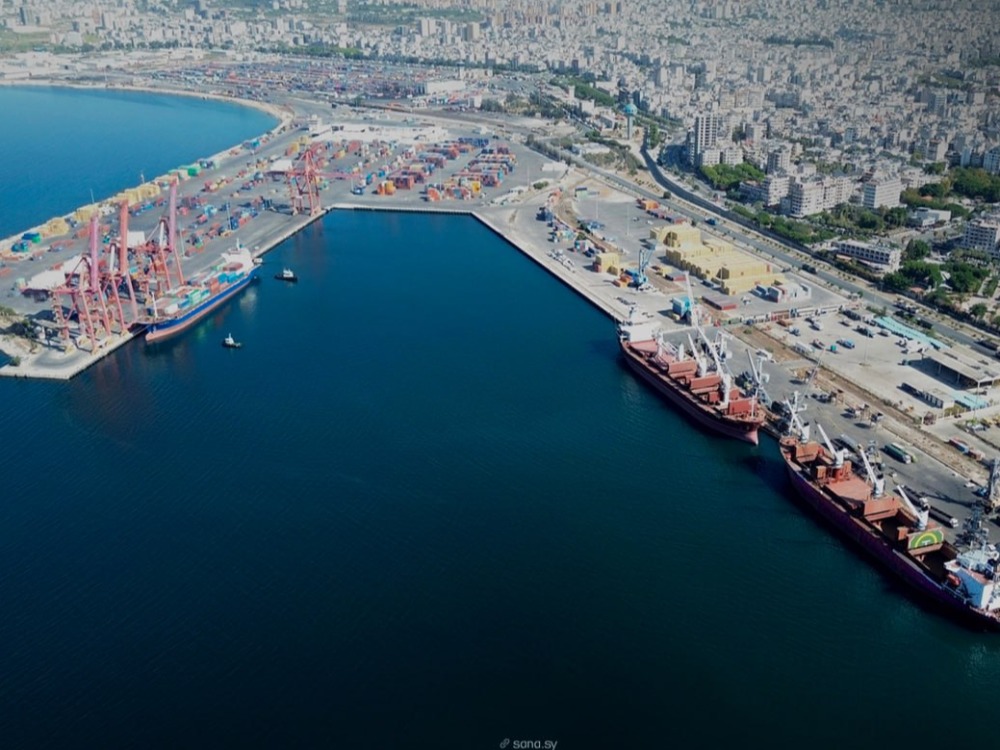
Rail Connectivity
Amid the region’s rapidly shifting landscape, rail connectivity projects are emerging as a key option for reshaping trade and transport routes between the Gulf, Turkiye, and Europe, particularly after disruptions affecting maritime traffic in the Arabian Gulf and the Strait of Hormuz.
Against this backdrop, Syria has reemerged as a potential geographic gateway, with the ability to play a growing role in regional transport networks thanks to its strategic location linking the Arab East with Turkiye and Europe.
Damascus is seeking to leverage that position as part of broader reconstruction and economic recovery plans by reviving railway lines and overland crossings that were disrupted during years of war.
As part of those efforts, Turkish Trade Minister Omer Bolat announced on June 9, 2026, that preparations had been completed to reopen the Islahiye railway crossing between Turkiye’s Gaziantep province and Syrian territory, saying Ankara was continuing to upgrade and modernize all border crossings with Syria.
Bolat made the remarks alongside Syrian Economy and Industry Minister Mohammad Nidal al-Shaar during a session titled “New Horizons in Trade for Turkiye and Syria” at the Anatolian Cities Economy Summit hosted by Gaziantep.
The announcement came on the same day that Turkish Transport and Infrastructure Minister Abdulkadir Uraloglu said Ankara had signed two memorandums of understanding with Saudi Arabia on railways and logistics services following talks with Saudi Transport and Logistics Minister Saleh al-Jasser in Riyadh.
The logistics agreement aims to support the establishment and management of logistics centers and expand cooperation, while the railway agreement focuses on infrastructure development, technology exchange, digital transformation, and safety standards.
According to al-Arabiya, citing al-Jasser, feasibility studies for a railway link connecting Saudi Arabia and Turkiye through Jordan and Syria are expected to be completed before the end of 2026—a step that could pave the way for one of the region’s largest overland transport projects.
Uraloglu said strengthening regional transport networks had become an urgent necessity to ensure the uninterrupted flow of trade and logistics amid current geopolitical challenges, emphasizing the need for alternatives to maritime routes vulnerable to instability.
Transport and logistics experts view the project as part of a broader effort to create alternative land and rail corridors linking Asia and Europe, improving supply chain resilience and reducing reliance on sensitive maritime passages.
The vision also recalls the historic Hejaz Railway, also known as the Hamidiye Railway, built during the reign of Ottoman Sultan Abdul Hamid II. The railway connected Damascus with Medina after opening in 1908 and was once among the region’s most ambitious transport projects.
In recent months, Syrian and Turkish officials have intensified discussions over reopening transport links and border crossings, including the Nusaybin crossing opposite Syria’s Qamishli, as part of wider efforts to expand trade and movement between the two countries.
In February 2026, Syrian Transport Minister Yarub Badr discussed developing rail connections and strengthening regional transport integration with his Turkish counterpart Abdulkadir Uraloglu during a meeting on the sidelines of the Second Conference of Transport Ministers of the Organization of Islamic Cooperation in Istanbul.
As war in the Middle East disrupted maritime traffic through the Strait of Hormuz, Syria emerged as one of the strategic options for alternative trade and transport routes, potentially reducing dependence on sea corridors exposed to security risks.
The developments have pushed Damascus to accelerate discussions over reviving land and rail projects, seeking to restore Syria’s historic role as a regional and international trade gateway while generating economic benefits for a struggling economy.
In May 2026, Syria’s transport minister discussed plans to rehabilitate and develop the country’s railway network with a World Bank delegation led by Jean-Christophe Carret, as part of talks over possible international financing for the project.
Badr highlighted the importance of road and rail transport amid growing pressures on global supply chains, saying the modernization of Syria’s railway network could help mitigate the impact of maritime disruptions on trade flows and international markets.
The World Bank delegation said it had received an official request from the Syrian government for project financing and was studying potential support mechanisms similar to programs it has implemented in other critical sectors, including energy.
These moves reflect a broader regional shift toward reevaluating land and rail corridors as maritime trade routes face mounting challenges. For Syria, the emerging plans offer a chance to reposition itself as a key transit hub connecting the Gulf, Turkiye, and Europe.
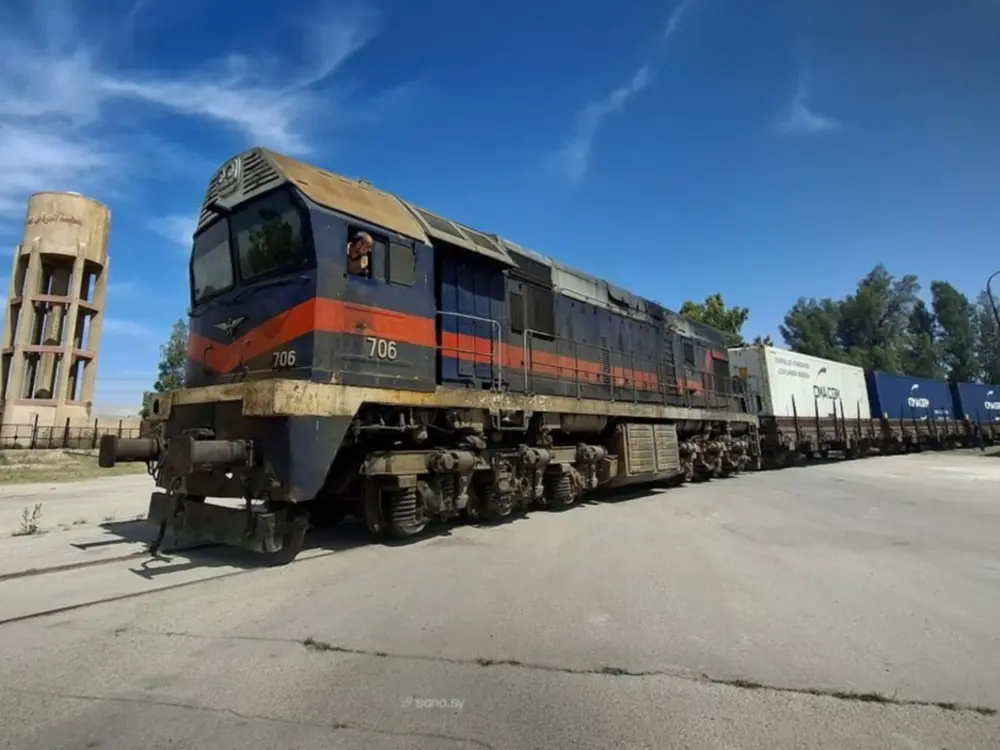
A Proposed Route
New rail connectivity projects—particularly the proposed route linking Turkiye and Saudi Arabia through Syrian territory—could offer Damascus an opportunity to move beyond its role as a consumer market and become a regional logistics hub connecting Gulf trade with European markets.
Such a shift could bring major economic benefits, including higher transit revenues, the revival of ports and free zones, the rehabilitation of transport infrastructure, and the attraction of new investments tied to supply chains and logistics services.
Syrian academic and economic expert Firas Shaabo told Al-Estiklal that Syria has the foundations needed to play a central role in regional connectivity projects, whether in rail transport, energy networks, roads, or trade. He said the country’s geography gives it the potential to become a key transit state linking regional trade flows and supply chains.
Shaabo noted that transit trade is among the most profitable economic activities, arguing that any land or rail route connecting Turkiye with the Gulf would effectively pass through Syrian territory. He said Gulf access to Turkiye and Europe requires a route through Syria, making the country a strategic bridge between the Gulf, Turkiye, and Europe rather than merely a consumer market.
He added that rail projects could restore a significant part of Syria’s historic geographic advantage by generating transit fees, operational revenues, logistics income, and foreign currency flows from stations and free zones. Such projects could also create broader economic activity through the services and industries that develop along transport corridors.
Shaabo said revitalizing transport links between northern and southern Syria could bring significant benefits to major cities such as Aleppo, Homs, and Damascus, as well as border areas. It could encourage the creation of storage centers, customs warehouses, and re-export zones while expanding transport services and infrastructure supporting production and exports.
He emphasized that rail transport is among the most efficient and cost-effective forms of freight movement, allowing goods to travel between countries faster and at lower costs than many alternatives. This, he said, could reduce trade expenses, improve the competitiveness of products, and increase commercial exchanges between Syria and neighboring markets, particularly Turkiye and the Gulf states.
Strategic Impact
As risks continue to grow around traditional maritime corridors, particularly the Strait of Hormuz, Syria’s rail and logistics connectivity projects are taking on significance that extends beyond immediate economic benefits, gaining broader geopolitical and strategic importance.
Experts say that rebuilding Syria’s railway network and linking it to Mediterranean ports could reshape regional transport and trade routes, giving Syria an opportunity to reclaim its historic role as a gateway connecting Asia and Europe and as a key corridor for regional and international commerce.
In this context, Shaabo argues that the real strategic value of the Gulf-Turkiye rail link lies in connecting it to Syria’s Mediterranean ports, particularly the ports of Baniyas and Tartus, or to a planned inland dry port in northern Syria near Idlib or within free trade zones.
He explained that such a connection would provide goods moving to and from regional markets with a faster and more efficient route to Syrian ports, potentially transforming the project into a vital trade artery for Gulf countries and even a strategic alternative to maritime routes repeatedly exposed to tensions and disruptions.
The project’s importance would increase further if the rail connection from Turkiye through Syria to Jordan and Saudi Arabia were completed alongside direct links to Syrian ports. This would effectively bring the Mediterranean closer to Gulf markets, opening broader opportunities for trade, imports, and exports.
Shaabo noted that Gulf states are among the region’s largest consumer markets and importers, making the logistics link a significant opportunity to increase the flow of goods, reduce transport costs, and improve supply chain efficiency.
He added that the project’s strategic value would grow further if integrated with proposed regional energy and transport initiatives, noting that rail networks could also help move resources and products linked to the energy sector, strengthening economic integration across the region.
Shaabo concluded that connecting transport, railway, and energy projects into a single network would create an integrated logistics system with far-reaching strategic effects, capable of reshaping regional trade flows and repositioning Syria as a central transit hub linking the Gulf, Turkiye, and Europe.
Sources
- Turkey and Saudi Arabia aim to build a rail link with Jordan and Syria, minister says
- Transport Minister: Syria Eyes Regional Rail Links and Transit Expansion by End of 2026 [Arabic]
- Saudi Arabia and Turkiye Sign MoUs to Strengthen Rail Connectivity and Logistics Cooperation [Arabic]
- Syria Launches Strategy to Develop Road and Rail Transport, Starting With Securing Funding [Arabic]