From Manama to Najaf: Why Are Bahraini Shiites Moving to Iraq?
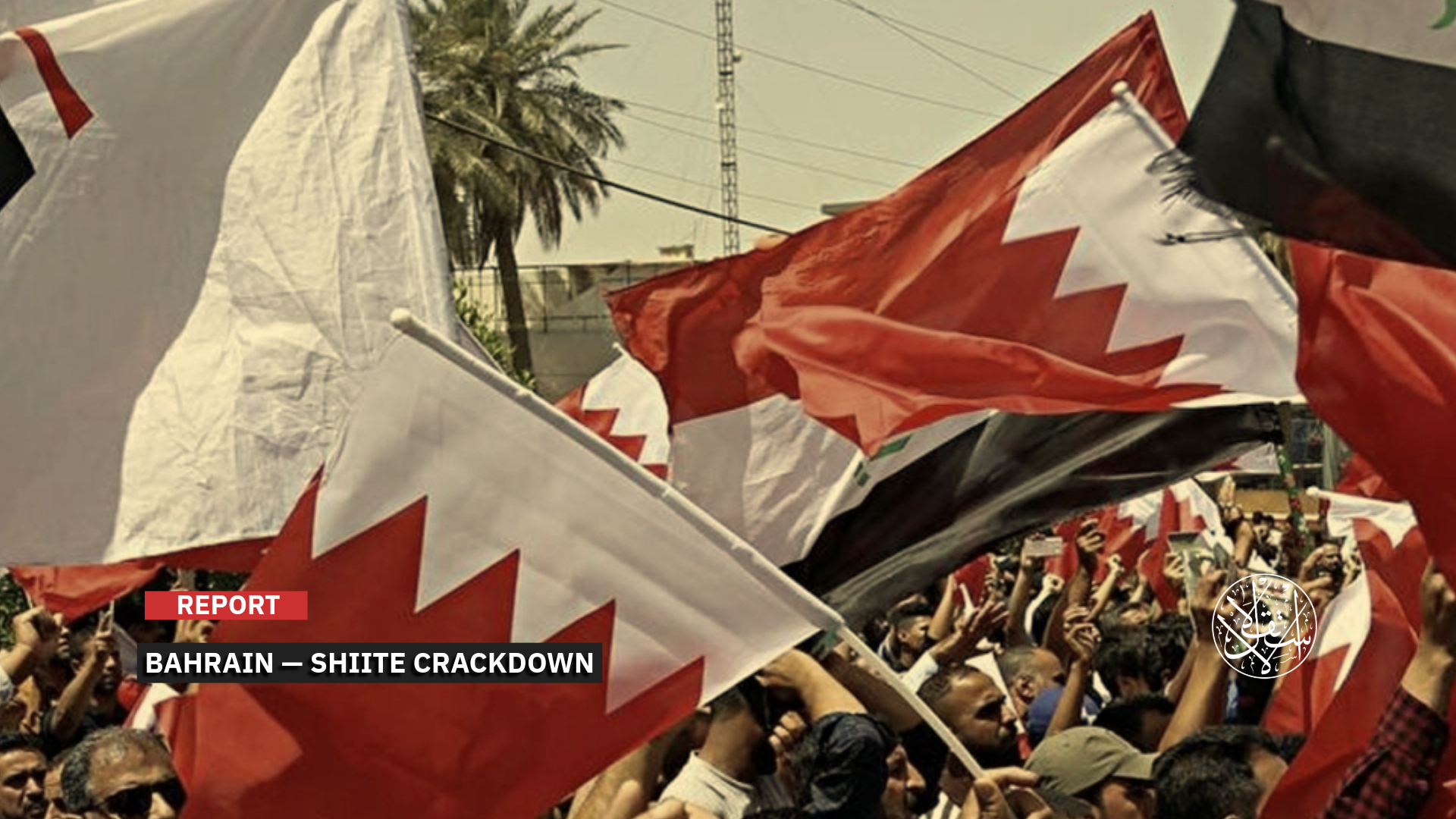
The Bahraini opposition had previously announced the establishment of a political council in Baghdad.
As pressure by the Bahraini authorities on the country's Shiite community has intensified following the support expressed by some of its members for Iran in the war it has been fighting against the United States and “Israel” since February 28, 2026, Manama has begun taking measures that include revoking citizenship and arresting a number of individuals on charges related to treason.
In response, a number of those affected by these measures have left Bahrain for Iraq, which has previously hosted opposition parties and Shiite religious figures who were being pursued in their home countries over various cases, some of whom face sentences that could extend to the death penalty.
Tightening the Noose
The Bahraini authorities justify the "treason" charges they have brought against many members of the Shiite community on the grounds that they sided with a state that has carried out repeated strikes on the Kingdom's territory under the banner of "targeting the American presence" there. Manama has consistently denied the existence of such a presence and has described those attacks as "a blatant violation of sovereignty."
In this context, Ibrahim al-Aradi, director of the political office of the Bahraini opposition group "February 14 Coalition," revealed that the authorities had arrested approximately 312 male and female citizens as of April 18, since the outbreak of the war against Iran.
According to the Lebanese newspaper al-Akhbar, al-Aradi stated on April 28 that "these individuals may face trials carrying penalties that could reach the death sentence." He noted that, during one court session, the Public Prosecution had requested the implementation of the death penalty against a group of detainees accused of "collaborating with the enemy."
He explained that these accusations stemmed from the filming of locations targeted by Iranian missiles that were allegedly linked to the "United States Fifth Fleet" in the al Juffair area, which the Bahraini authorities considered a "crime and high treason," according to al-Aradi.
He added that the authorities announced the detention of a group of five individuals, including a woman and a blind young man named Jaafar Maatouq, who had expressed his condemnation of the assassination of former Iranian Supreme Leader Ali Khamenei.
He pointed out that the authorities sought to publicly shame the detainees by publishing their photographs and launching media campaigns against them.
Al-Obaidi noted that "the majority of Shiites around the world view standing with Iran as part of their religious conviction and as support for the sect, even if this leads to fighting against the forces of their own countries, as occurred during the Iran-Iraq War, and likewise when many Shiite movements responded to Iranian calls to defend Bashar al-Assad's regime."
The arrest campaign also included musician and environmental activist Mohammed Jawad, vocalist Hassan Nowrooz, a player on Bahrain's national basketball team, as well as Abdullah al-Alawi, after he posted a video expressing his opposition to his country's involvement in the war.
The Bahraini measures were not limited to pursuing those who expressed solidarity with Iran; they also included a ban on travel to Iran and Iraq, accompanied by warnings that legal action could be taken against violators. The authorities justified the decision by citing the deterioration of the security situation resulting from what they described as the "sinful Iranian aggression."
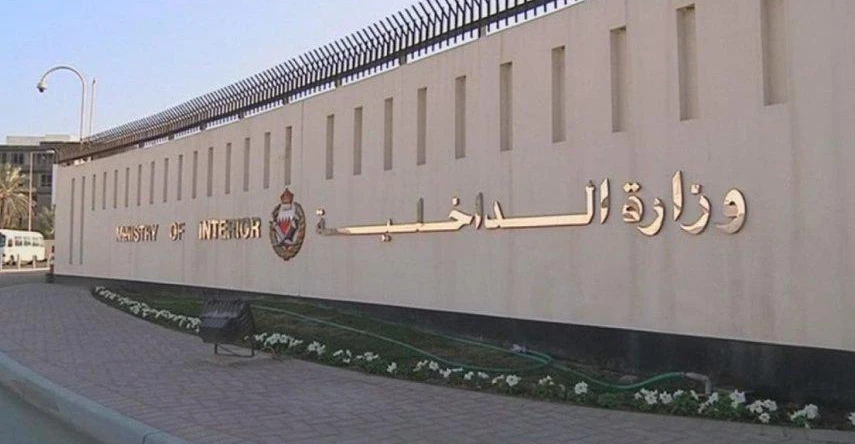
In a statement issued on June 2, Bahrain's Ministry of Interior said, "Out of concern for preserving the security of the nation and ensuring the safety of all citizens, it has been decided to prohibit citizens from traveling to Iran and Iraq until further notice."
Safe Haven
Regarding whether Iraq could serve as a stable alternative for Bahraini Shiites who have left their country, Iraqi affairs researcher Hamed al-Obaidi said that "Iraqi cities, particularly those with a Shiite religious character such as Karbala and Najaf, will certainly provide a safe haven for them, especially since the state, with all its institutions, is dedicated to serving Shiites both inside and outside the country."
The researcher added in remarks to Al-Estiklal that "Iraq is no longer merely a safe haven for the Bahraini opposition, but also for the Yemeni Houthis, Lebanon's Hezbollah, as well as Afghan and Pakistani militias that withdrew from Syria after having fought alongside Bashar al-Assad's regime."
Al-Obaidi predicted that the Gulf states would adopt a different policy toward Iraq, exerting pressure on the Iraqi authorities to prevent its territory from being used as a base for the activities of these groups against them, particularly as most Gulf countries have been subjected in recent years to drone attacks launched from Iraqi territory.
The researcher pointed out that "the Bahraini opposition based in Iraq continuously issues political statements critical of its home country. The most recent example was the criticism voiced by the prominent Shiite cleric Isa Qassim of the Bahraini royal decree that unified the administration of the Ja'fari (Shiite) and Sunni endowments under a single authority."
Social media users also circulated footage showing the arrival of the Bahraini Shiite reciter Mohammed Ghuloom in Iraq after he had been deported from Bahrain and stripped of his citizenship on charges of loyalty to Iran and betrayal of his country. He was received by the Holy Shrines Foundation in the Iraqi city of Najaf.
Over the past decade, Iraq has become home to a number of Gulf opposition groups, in a development that could potentially undermine Baghdad's efforts to strengthen stability in its relations with its southern neighbors.
Following the security crackdown that came after the Shiite opposition protests in Bahrain in 2011, and the entry of Gulf Peninsula Shield forces led by Saudi Arabia, Iraq received a number of Bahraini exiles and granted some of them political asylum.
Subsequently, the Bahraini authorities revoked the citizenship of approximately 1,000 opposition figures, including 304 individuals in 2018 alone. Many of those affected eventually made their way to Iraq.
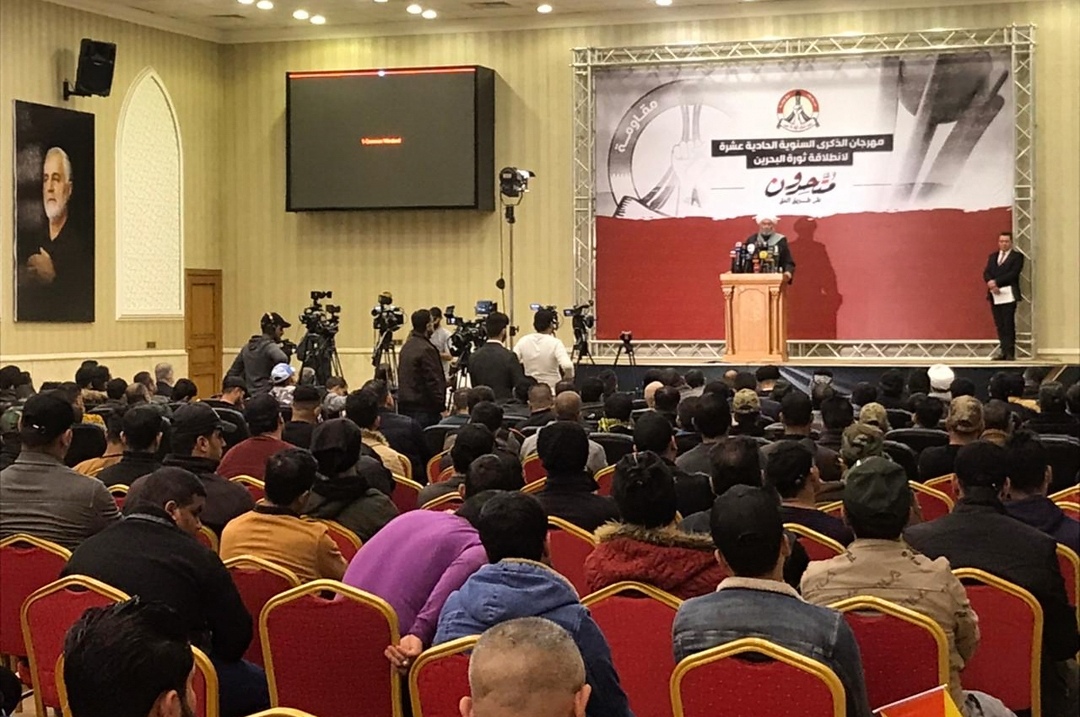
In a statement issued in 2018, the Bahraini opposition group "February 14 Youth Coalition" announced the establishment of a "Political Council" in Baghdad. During its founding conference, the council condemned what it described as the "oppression and barbarity of the dictatorship of Bahraini King Hamad bin Isa Al Khalifa," and asserted that Bahrain was "groaning under Saudi occupation."
End of the Remaining Leeway
In parallel with the arrests and citizenship revocations that followed the war against Iran, Bahrain's King issued a royal decree on May 26, 2026, establishing a "Council for Islamic Endowments Affairs" to oversee both Sunni and Ja'fari (Shiite) endowments under a unified institutional framework.
In response, the Bahraini Shiite cleric Isa Qassim, who resides in Iraq, criticized the Bahraini authorities and accused those who would assume responsibility for managing the Ja'fari endowments of being "traitors" who serve "immorality" and "corruption." He made these remarks in a post published on the social media platform X on May 27.
Ayatollah Qassim stated, "Under today's man-made laws, endowments are being taken from trustworthy hands and placed into treacherous ones; from serving righteousness and virtue to serving immorality and corruption; and from the lawful authority entrusted by the endower over the endowed property to a hand that has no legitimate right to such authority. This is contrary to the teachings of Islam."
Writer Abdullah al-Bahrani said that "the unification of the endowments falls within a broader project aimed at restructuring the religious sphere in Bahrain by reducing the traditional structures that had granted religious communities a degree of autonomy and replacing them with a more centralized model subject to direct state administration."
Al-Bahrani argued, in an article published by the opposition newspaper Bahrain Mirror on May 29, that the decision constitutes "part of a policy intended to tighten control over religious and social institutions that have played a role in political and social mobilization, as well as to dry up any independent sources of funding that could support such mobilization."
According to the writer, for a broad segment of Bahrain's Shiite community, the unification of the endowments represents a highly sensitive turning point because it comes after years of dissolving independent political associations and religious institutions, such as Al-Wefaq National Islamic Society and the Islamic Scholars Council.
In this context, al-Bahrani stressed that "the Ja'fari Endowments had been regarded as the last official institution expressing Shiite particularity while retaining a limited degree of autonomy; therefore, its merger is viewed as marking the end of that remaining margin of independence."
The writer also expressed concern that the unified administration could affect Ashura and other Shiite religious rituals and processions by imposing stricter regulatory controls, thereby transforming these occasions from community-managed religious affairs into activities subject to direct government oversight.
The administration of religious endowments is considered one of the most important issues in religious and social life across the Gulf states in general, and in Bahrain in particular. The Ja'fari Endowments have long been a contentious issue and a recurring source of political activism and disputes.
Estimates indicate that the annual revenues of the Ja'fari Endowments exceed nine million Bahraini dinars (approximately US$24 million). They encompass more than 2,831 properties, in addition to assets and investments valued at hundreds of millions of dinars.