Amid a Power Struggle: How the Senegalese Political Landscape Is Being Reshaped
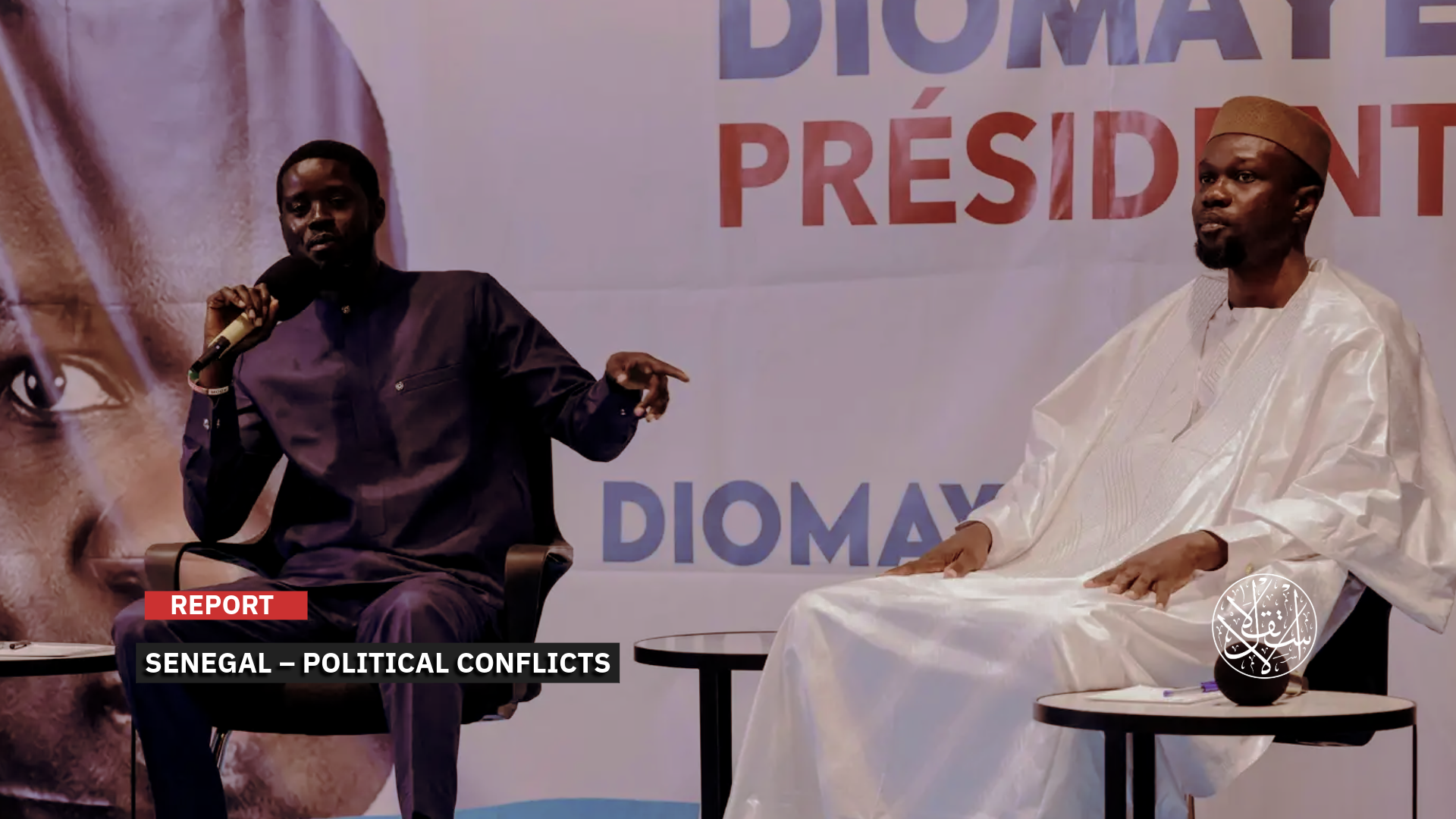
“Ousmane Sonko had opposed any restructuring of the debt, estimated at $13 billion.”
Senegal has been witnessing widespread disputes for weeks between Bassirou Diomaye Faye and Ousmane Sonko, in political and constitutional developments that have raised growing fears of a direct confrontation between the two leaders, especially as both have mobilized their supporters in the streets in an attempt to pressure the other.
Senegalese President Faye recently announced his new political party, Kiiraay (Republican Patriots), a move seen as the beginning of a new phase in the political landscape and the effective end of the alliance he forged with Ousmane Sonko, leader of the party African Patriots of Senegal for Work, Ethics and Fraternity (PASTEF), which was one of the key factors that paved the way for Faye's rise to power.
The establishment of the new party came after months of disputes between Faye and Sonko regarding government policies and political and economic decisions, most notably their stance on negotiations with the International Monetary Fund for a financing program amidst the worsening debt crisis, estimated at $13 billion, according to The Washington Post.
The rift deepened with PASTEF's announcement of its boycott of the new government and Faye's move to establish his own party, signaling a reshaping of the political landscape ahead of the anticipated 2027 local elections. If Faye wins these elections, it will pave the way for him and his party in the 2029 parliamentary and presidential elections.
It's worth noting that Faye and Sonko ran in the 2024 presidential election as part of a single alliance under the slogan 'Diomaye is Sonko'. They pledged to create jobs for young people, combat corruption, and increase Senegal's share of oil, gas, and mineral revenues.
However, the alliance began to unravel after they came to power, as disputes escalated over the management of economic and political issues. This experience demonstrated that a partnership that can withstand imprisonment is insufficient for governing the country.
Observers believe that Senegal now faces a new duality: a president seeking to consolidate the power of institutions, and a popular leader who still wields considerable influence within the public and the political movement that brought about change.
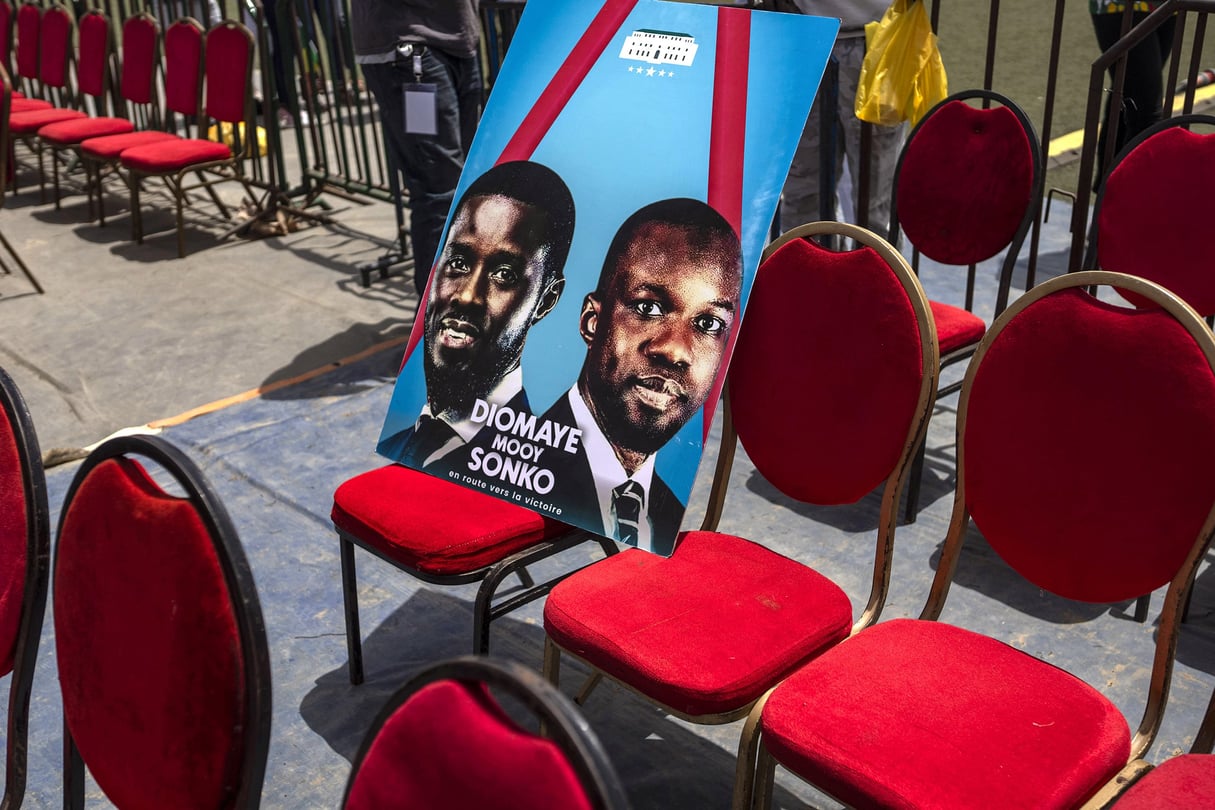
Political Conflicts
When Bassirou Diomaye Faye ran for president, he represented the political continuation of Ousmane Sonko's project, who had been barred from running due to controversial legal cases.
The alliance between the two men achieved a resounding victory, capitalizing on the desire of large segments of the youth for change and an end to the traditional elite's dominance of power.
However, over time, signs of divergence began to emerge between the two sides, particularly regarding governance, the distribution of powers, and decision-making mechanisms within the government.
This gradually widened the political gap between the president and his former ally. Faye began acting as president of all Senegalese, while Sonko remained committed to his revolutionary project, viewing any compromise as a retreat from his promises of change. This led to the collapse of this balance after only two years.
The events were not unexpected; they were preceded by escalating tensions. In March 2026, Sonko hinted at the possibility of his party withdrawing from the government if Faye deviated from the PASTEF vision—an unusual move for a prime minister against a leader from his own party.
Faye responded in early May with a warning that the party could collapse if this course continued, emphasizing that Senegalese support was for ideas, not individuals, and reminding everyone of his constitutional powers to appoint and dismiss the head of government.
On May 22, 2026, the president resolved the confrontation by dismissing Sonko and dissolving the government. However, the crisis did not end there; it shifted to the parliamentary arena with Sonko assuming the presidency of the National Assembly.
He retained significant party and parliamentary influence, capable of obstructing the president or limiting his room for maneuver.
Days later, Sonko was elected president of the National Assembly, benefiting from the PASTEF majority. He maintained considerable party and parliamentary influence, capable of impacting legislation, holding the government accountable, and potentially paralyzing it.
The dismissal came hours after Sonko condemned what he described as the tyranny of the West, which he accused of attempting to impose homosexuality on the rest of the world. This followed weeks after the Senegalese government passed a law tightening penalties for same-sex relations.
Sonko stated that after the law's passage, he had heard harsh criticism of Senegal from foreign countries, particularly France.
Nevertheless, the conflict remains personal and partisan in nature. The president governs in the name of a popular mandate, while his opponent leads the majority of the party that brought him to power.
Last May, Ahmadou Al Aminou Lo was appointed the new prime minister, and a new government was formed the following month without ministers from the PASTEF party, after Sonko announced that his party would not participate in the government.
This political split also comes at a time when Senegal is facing a deepening financial crisis, after authorities revealed that the previous administration had underreported public borrowing, leading to a surge in the debt burden.
The International Monetary Fund froze its $1.8 billion lending program with Senegal following the discovery of misreported debt, pushing the country's end-2024 debt level to 132% of its economic output.
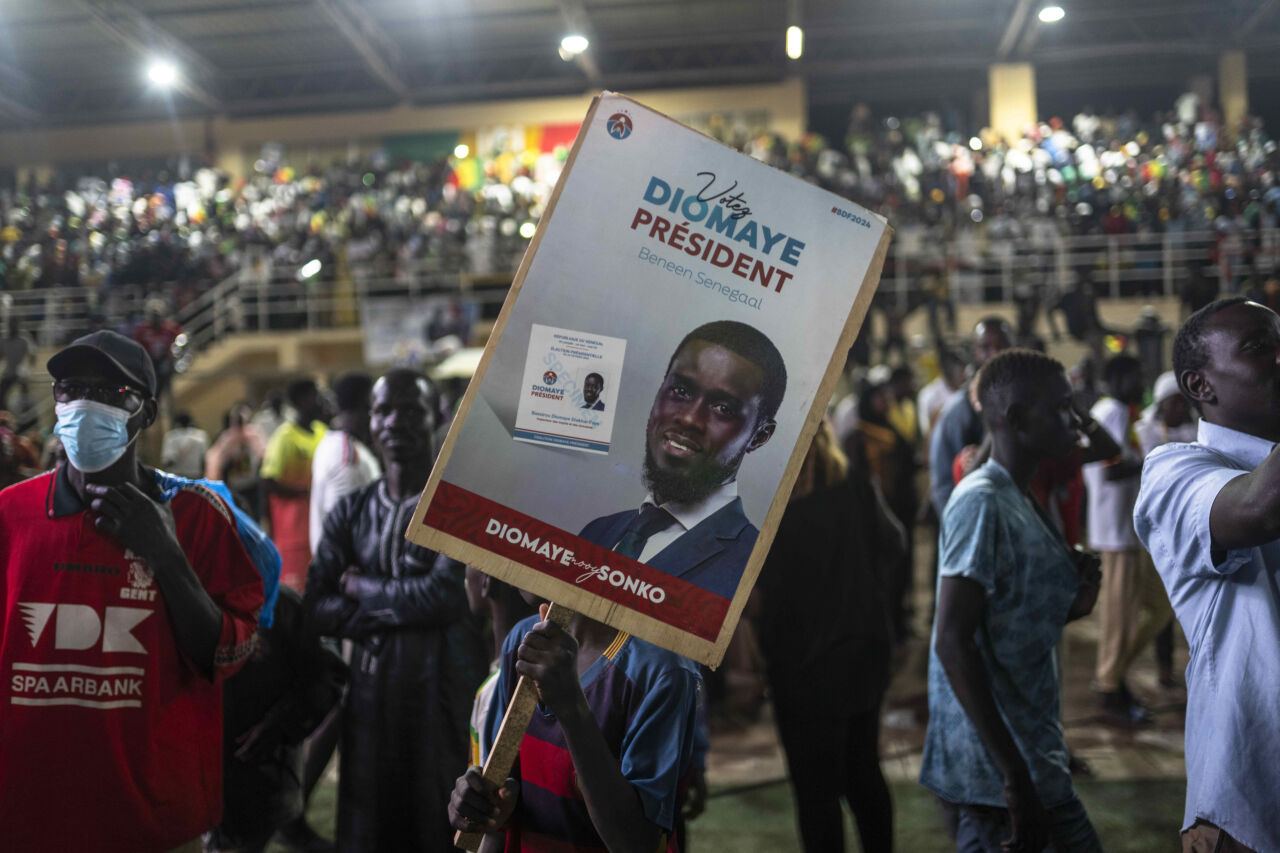
Political Implications
On July 25, Senegalese President Bassirou Diomaye Faye officially launched his own political party, cementing his break with his former ally Ousmane Sonko, head of the ruling PASTEF party, and setting the stage for a power struggle amid a crippling debt crisis.
The establishment of Faye's party (Kiiraay) formalizes a months-long split between the two men who rose to power together in 2014 under the banner of the PASTEF party.
At the opening of his PASTEF party headquarters in the central city of Toba, Sonko launched a scathing attack on President Faye, accusing him of prioritizing his own political ambitions.
Sonko urged President Faye to focus on serving the people, threatening to bring down his new government.
Sonko stated that "Senegal's public debt is almost impossible to repay, especially without any program with the International Monetary Fund."
Addressing his supporters, Sonko said, "The Senegalese people should know that they are by no means a priority for Diomaye Faye."
Faye's coalition responded, saying, "Sonko's claims are baseless. President Faye is working to find solutions to improve the living conditions of our citizens... It is clear that Sonko is inclined towards constant confrontation."
In recent weeks, a growing number of PASTEF party officials have resigned to join Faye's camp, including several regional leaders and members of his youth wing.
Several members of the opposition Alliance for the Republic party have also joined Faye's party.
Analysts believe that President Diomaye Faye, through his new party, seeks to build an independent political base that grants him greater decision-making power, free from the influence of his former allies. He also aims to transform his electoral legitimacy into long-term party and organizational legitimacy.
The party's name, which means protection in the Wolof language, carries political connotations reflecting the president's focus on safeguarding state institutions and bolstering stability amidst the escalating political polarization Senegal has witnessed in recent years.
The new party also provides the president with an opportunity to reshape alliances within parliament and local administration in preparation for upcoming elections.
Although the relationship between the two men contributed to the downfall of the previous regime, recent developments suggest that the new phase will be characterized more by political competition than partnership.
Observers believe that Ousmane Sonko still retains a broad popular base, particularly among young people, which means the political arena could witness direct competition between two projects that emerged from the same political current.
Meanwhile, the president seeks to present himself as a statesman capable of balancing reform and stability, a discourse that may attract new segments of the electorate.
The establishment of the new party could reshape political alliances within Senegal, with the potential for a number of leaders, members of parliament, and cadres to move from existing parties to Sonko's party.
It may also encourage opposition parties to regroup, capitalizing on the divisions within the ruling coalition, which could intensify political competition in the coming years.
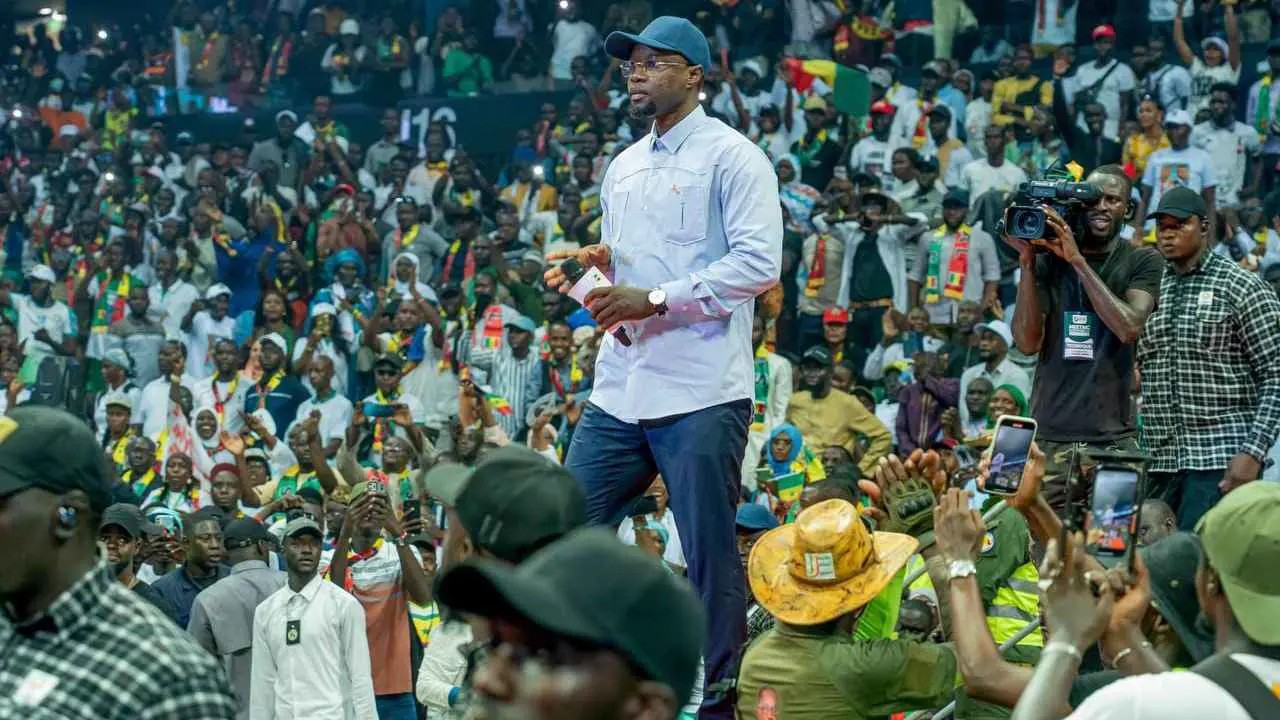
Potential Scenarios
On the other hand, the ongoing dispute between the president and his former allies could hinder the implementation of economic and social reforms if it impacts the performance of institutions or the parliamentary majority.
Senegal holds a special place in West Africa as one of the most politically stable countries, and therefore, regional and international powers are closely monitoring these developments.
International partners hope that the disagreements will remain within constitutional and institutional frameworks, thus preserving Senegal's image as a model for the peaceful transfer of power in a region that has witnessed frequent military coups and political crises in recent years.
Observers believe the current political crisis is heading towards three possible scenarios.
The first scenario is the president's success in building a strong party capable of governing through new political alliances, thus granting him greater scope to implement his reform program.
The second scenario involves intensified competition between the Kiiraay and PASTEF parties, which could lead to a split in the popular base that supported the change two years ago, paving the way for a fierce electoral contest in 2029.
The third scenario is the achievement of new political understandings between the president and his former allies, allowing the president to govern without exclusion, and the party leader to accept the limits of the constitution. This would ensure continued cooperation on major national issues despite organizational differences.
For his part, political analyst Mohamed Karim told Al-Estiklal that current indicators suggest Senegal is entering a phase of political reshaping, moving from electoral alliances to competition for leadership of the reform project.
He added, "The success of this phase will depend on the institutions' ability to manage political differences and on President Diomaye Faye's capacity to transform his new party into an effective political force, while Sonko strives to maintain his popular and organizational influence."
He concluded, "In any case, Senegalese political life appears poised for a more competitive phase, the results of which will determine the shape and balance of power in the coming years, while the country continues to prioritize maintaining the democratic stability that has distinguished it compared to many other countries in the region."
Sources
- In Senegal, three associates of Pastef are being prosecuted for insulting Bassirou Diomaye Faye [French]
- Senegal's President Faye launches a new party over deepening split with former ally Sonko
- Senegal president sacks PM Sonko, dissolves government after months of friction
- Senegal’s lawmakers defy president and elect ousted Sonko as speaker
- In Senegal, why is the constitutional revision reigniting the conflict between Sonko and Diomaye? [French]