Drugs or Maduro: How Trump Is Intensifying His Efforts to Overthrow the Venezuelan Regime
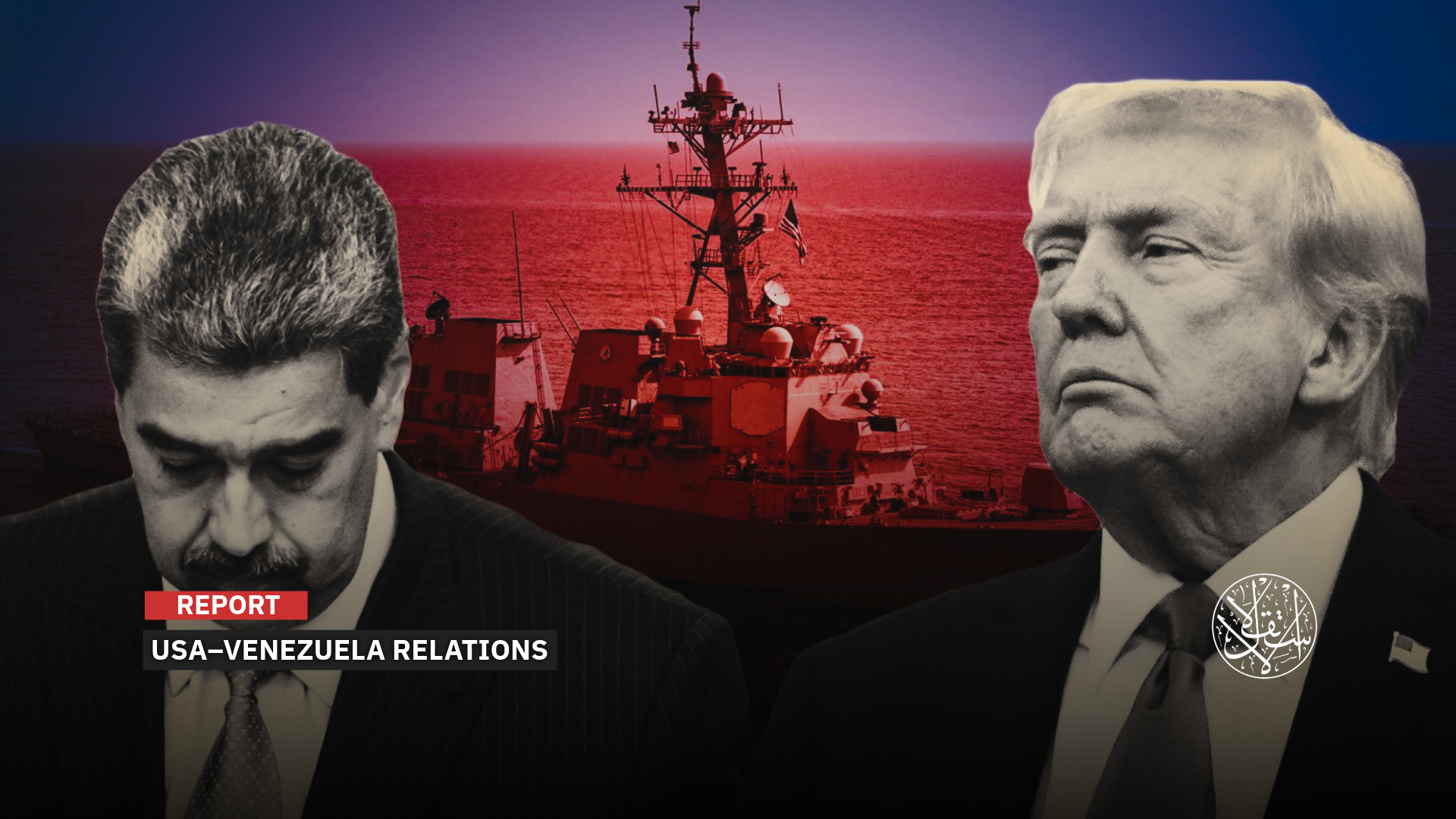
“Trump ordered an end to diplomatic talks with the Maduro government this month.”
Tensions between the United States and Venezuela are escalating to unprecedented levels after President Nicolas Maduro announced the completion of the National Defense Plan against what he described as a potential invasion, amid extensive US naval and air movements near the coast of Caracas.
While Washington describes its operations as a counter-drug campaign, Maduro sees them as a prelude to a forced regime change, evoking the memory of US coups in Latin America over the past century.
The escalation comes amid growing tensions between Washington and Caracas. Trump has designated six Mexican cartels and the Venezuelan Tren de Aragua cartel as foreign terrorist organizations, justifying this by claiming that these groups are waging war against America.
The US actions come amid renewed interest in oil- and mineral-rich Venezuela, which since the era of Hugo Chavez has become an ally of Russia, China, and Iran, making it a major arena of geopolitical competition in the Western Hemisphere.
However, the question remains: Can Maduro withstand mounting economic and military pressure, or will the game of mutual deterrence end in open confrontation?
Military Parade
Western reports have revealed that the Trump administration has placed Venezuela at the forefront of its foreign policy priorities, with a plan aimed at overthrowing President Nicolas Maduro through an unprecedented show of military force in the Caribbean Sea in more than three decades.
These moves were accompanied by an information campaign, disseminating images of aircraft and warships to incite panic within the Venezuelan leadership.
When Venezuelan opposition leader Maria Corina Machado dedicated her Nobel Peace Prize to Trump and asked for his help to oust Maduro, US escalation escalated further.
On October 15, Trump authorized the CIA to conduct a covert action in Venezuela and said he was considering conducting strikes targeting drug cartels there.
In a remarkable diplomatic move, Trump ordered an end to diplomatic talks with the Maduro government this month, expressing his displeasure at the Venezuelan president's refusal to voluntarily relinquish power and his continued denial of his regime's involvement in drug trafficking.
He also justified his actions as part of the war on drugs, alleging that Maduro was using cocaine as a weapon to flood the U.S.
However, US intelligence agencies denied these allegations, leading to the dismissal of two senior officials who refused to manipulate intelligence estimates to align with Trump's narrative.
This year, the US administration raised the reward for Maduro's capture to $50 million, up from $15 million during Trump’s first term.
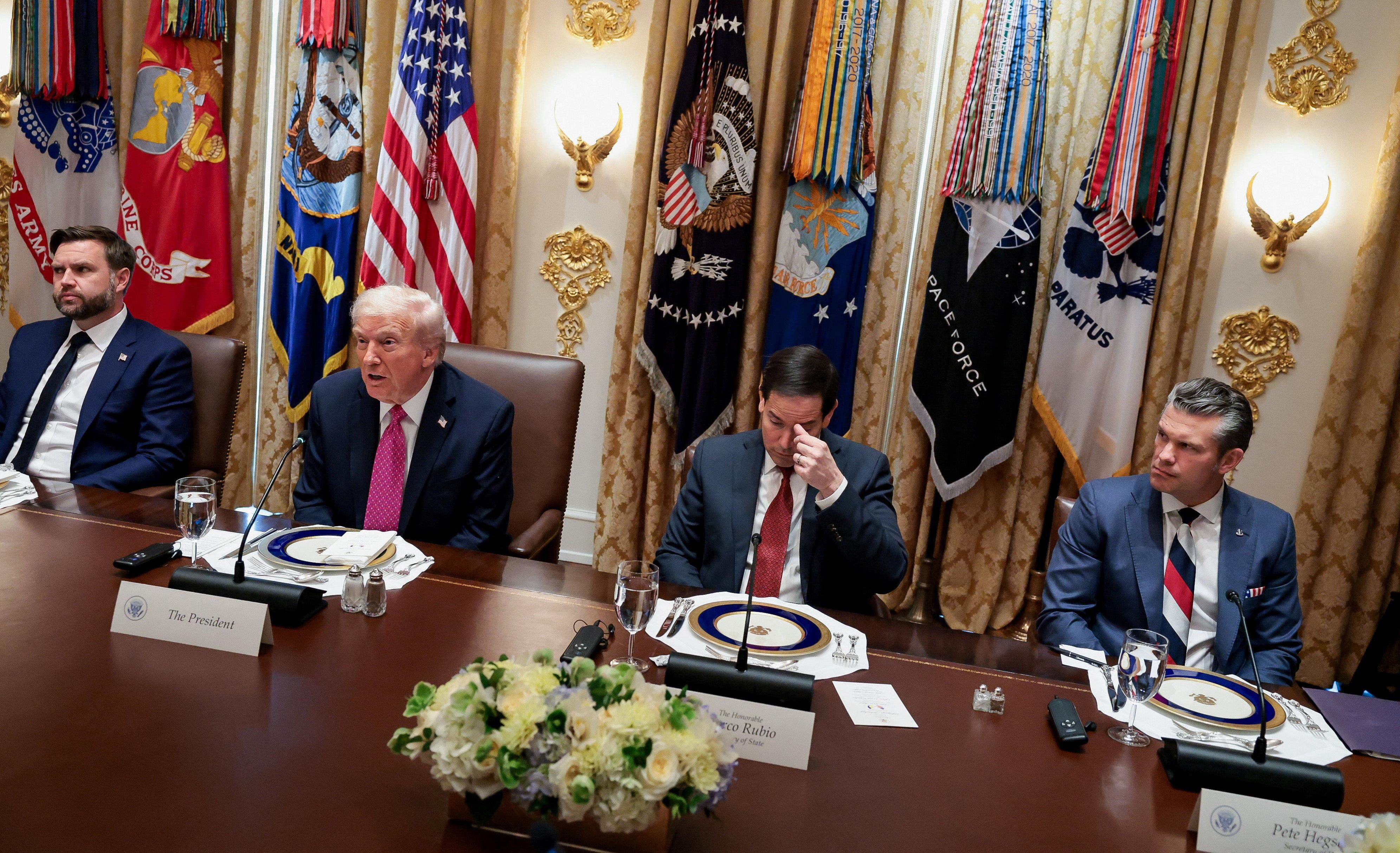
In turn, Secretary of Defense Pete Hegseth confirmed that the US military has full authority to carry out preemptive strikes against boats used in smuggling operations, considering the gangs involved a direct threat to US national security.
Since the beginning of September, Washington has announced that its forces have carried out six strikes in the Caribbean, as part of what it describes as a campaign to combat drug trafficking. These strikes have resulted in the deaths of at least 27 people.
Washington has deployed eight warships and a nuclear-powered submarine to the southern Caribbean off the coast of Venezuela, on a mission it says is aimed at combating drugs.
The new US strategy toward Venezuela is based on a plan developed by Secretary of State and National Security Advisor Marco Rubio, in collaboration with CIA Director John Ratcliffe, aimed at ousting Maduro from power.
Rubio had previously thwarted former US envoy Richard Grenell's attempt to reach a diplomatic settlement with the Maduro regime.
He has repeatedly cited the 2020 indictment issued by the US Department of Justice against Maduro and other Venezuelan officials on drug trafficking charges.
He has once again raised the option of regime change in Venezuela, just as John Bolton did during Trump’s first era, who was recently convicted on charges related to his role in previous coup attempts against Caracas.
Current and former officials told The New York Times that the U.S. military is planning potential military operations inside Venezuela, targeting suspected drug traffickers, as a next step.
In a recently leaked memo sent to U.S. lawmakers, the Trump administration stated that it has concluded it is in a non-international armed conflict with drug trafficking organizations.
The Senate recently failed to pass a bill aimed at halting deadly airstrikes against what the Trump administration describes as Venezuelan drug traffickers.
Lawmakers also warned that such attacks could constitute unlawful killings of presumed civilians, not combatants.
Venezuelan Concern
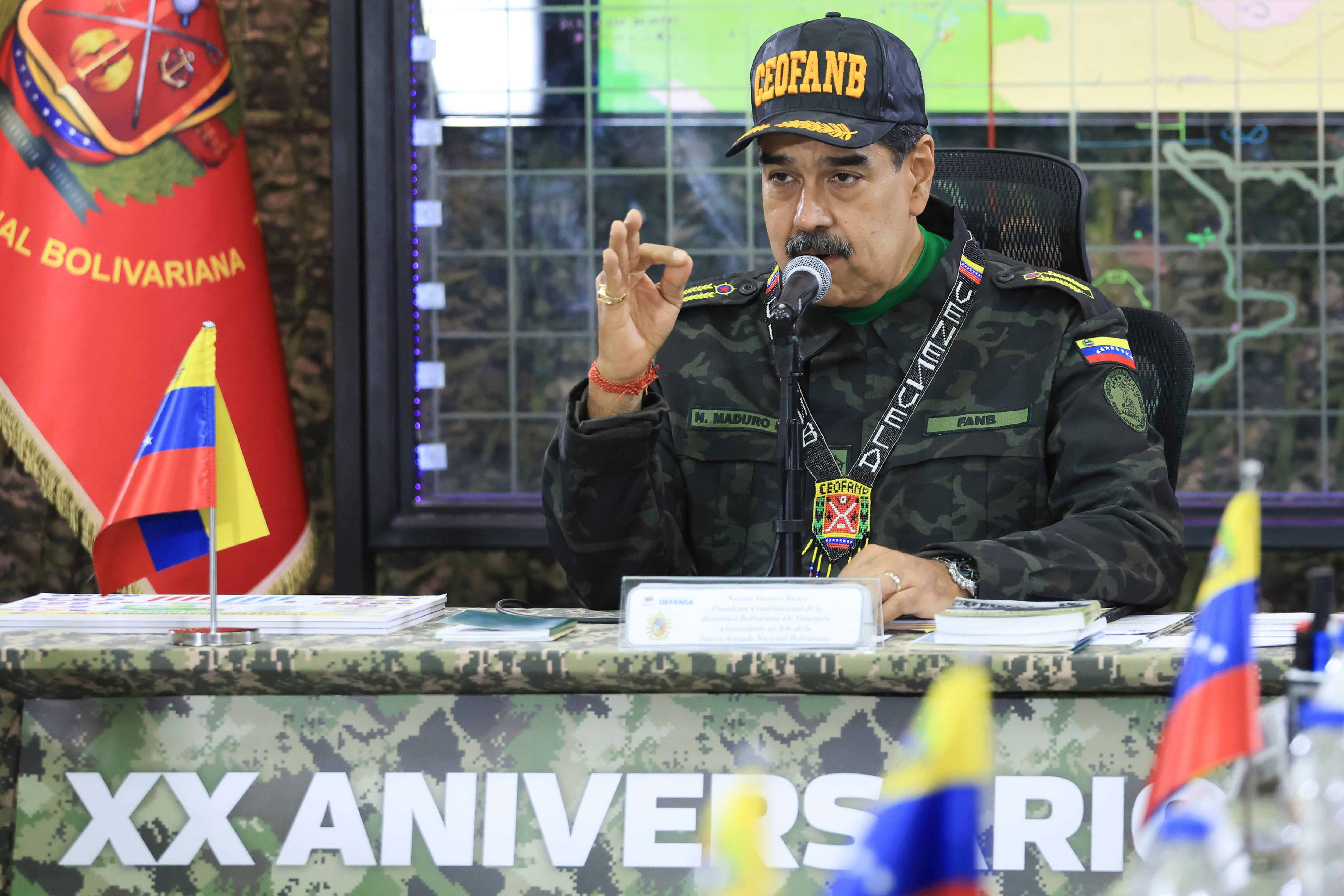
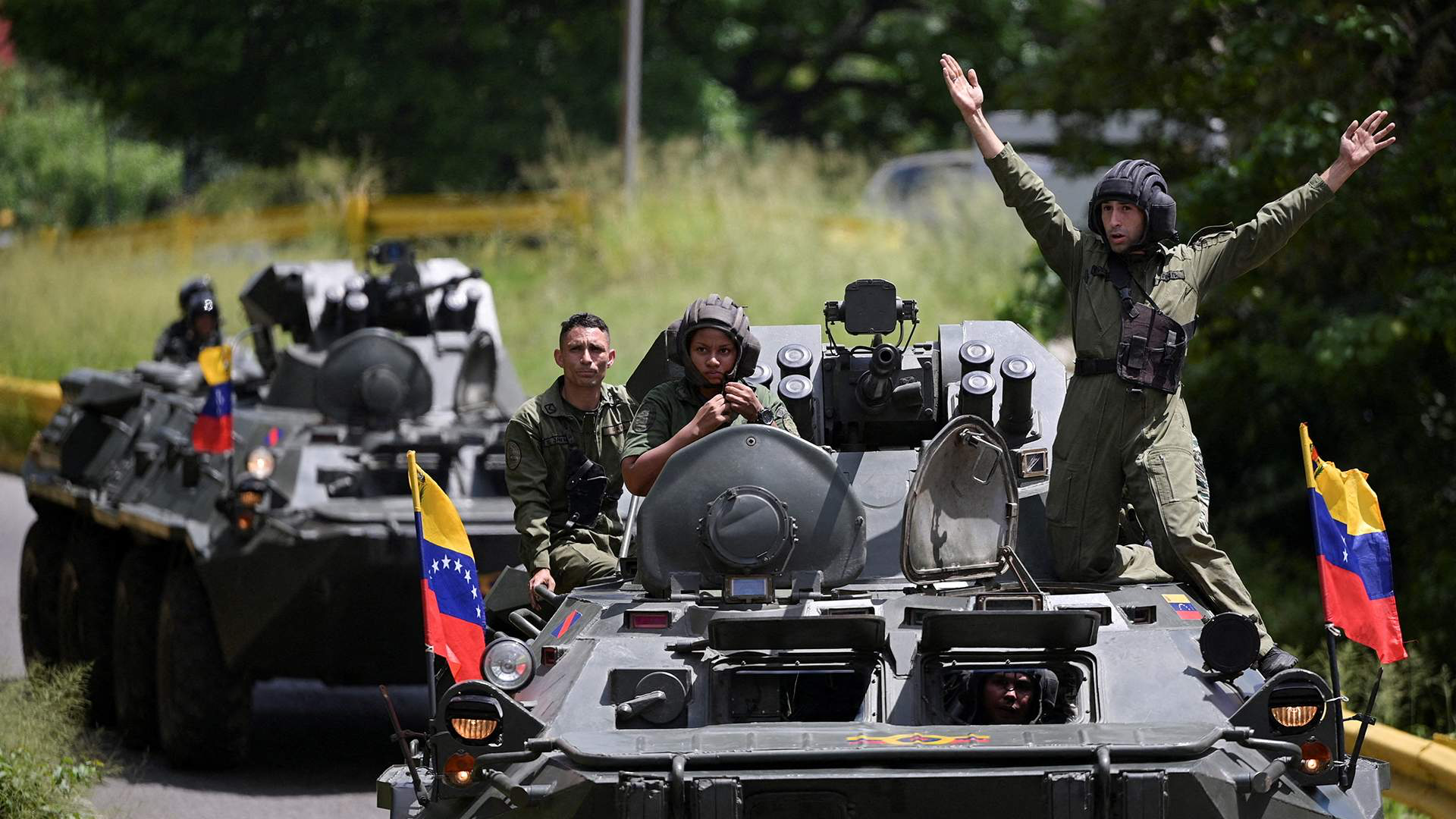
These US actions have exacerbated existing tensions with Maduro, who responded to the US escalation by launching an unprecedented military mobilization campaign, mobilizing 17,000 troops in Tachira state near the Colombian border and warning against any external aggression.
He also intensified his military preparations and conducted extensive training to confront a potential US invasion.
Meanwhile, leaks indicate that his regime's leaders are living in a constant state of fear, constantly changing their positions and security apparatuses.
As of October 17, 20 of Venezuela's 23 states have been armed as part of Maduro's military mobilization, dubbed ‘Independence 200’.
Caracas recently called on the Security Council to convene and assume its responsibilities to prevent aggression against a sovereign state.
Maduro also delivered a speech on October 18 in which he denounced CIA-inspired coups, announcing that the plan to defend against US threats was complete.
“No to war in the Caribbean. No to regime change, which is so reminiscent of the failed forever wars in Afghanistan, Iran, and Iraq,” he said.
He added that the US actions aim to legitimize regime change with the ultimate goal of seizing Venezuela's oil resources.
Venezuela has the world's largest proven oil reserves, in addition to valuable deposits of gold, diamonds, and coltan.
But behind the tough rhetoric, several indicators suggest that the Venezuelan regime is facing strategic and economic suffocation.
Tight US sanctions, the collapse of the local currency, and the decline in oil exports have made Caracas increasingly dependent on Russian, Chinese, and Iranian support.
Possible Invasion
Analysts believe the US moves have objectives beyond the war on drugs.
They noted that after Trump's re-election, Washington adopted an aggressive approach in the Western Hemisphere, aimed at curbing growing Chinese and Russian influence in Venezuela.
After being an ally of the U.S. in the last century, the South American country entered the orbit of Russia, China, and Iran under the leadership of Hugo Chavez, the former officer who led a Bolivarian socialist revolution from 1999 until his death in 2013.
China is now the largest investor in Venezuela's oil sector, while Moscow continues to supply Caracas with air defense systems and advanced weapons.
This intersection of transnational crime and superpower rivalry has made the Caribbean a theater for new balances of power that go beyond drugs to redraw influence in Latin America.
Despite the deployment of approximately 10,000 US troops to the region, experts believe a full-scale invasion is unlikely, given Venezuela's size compared to the experience of Iraq.
They also point out that Trump has promised his electoral base that he will not fight endless wars, making direct military intervention politically costly.
The most likely scenario, according to Responsible Statecraft magazine, is limited operations against Venezuelan sites or individuals believed to be involved in drug trafficking.
However, this strategy may replicate previous failures, as Venezuela is not a major drug producer but rather a transit country, making the war against it futile in terms of its actual impact on the cocaine trade.
The New York Times noted that the CIA's record of conducting covert operations in Latin America and the Caribbean was mixed at best.
In 1954, the CIA orchestrated a coup that ousted Guatemalan President Jacobo Arbenz, leading to decades of instability in the country.
Separately, the US attempt to invade Cuba at the Bay of Pigs in 1961 ended in disaster.
That same year, the CIA repeatedly attempted to assassinate Fidel Castro and also provided weapons to dissidents to assassinate Dominican leader Rafael Leonidas Trujillo.
It was also involved in the 1964 Brazilian coup, the assassination of Che Guevara, and numerous other operations in Bolivia, as well as the 1973 Chilean coup and the Contra war against the leftist Sandinista government in Nicaragua during the 1980s.
US Attempts
Recent US military actions bring to mind the old Monroe Doctrine, which viewed Latin America as its backyard.
But in the Trump 2025 version, this doctrine takes a more extreme form, employing military force and intelligence operations instead of diplomatic influence.
Although Washington justifies its campaign as a campaign against drug trafficking, field and political indicators suggest that the true goal is to destabilize the Maduro regime and restore American influence to a region that has long been its historical sphere of influence.
Venezuela, in turn, is betting on a nationalist mobilization to confront what it perceives as imperialist aggression, capitalizing on the legacy of anti-Americanism in South America.
CNN recently reported that Trump administration officials have privately acknowledged that the escalating pressure campaign aims to oust Maduro, a goal Trump pursued during his first term.
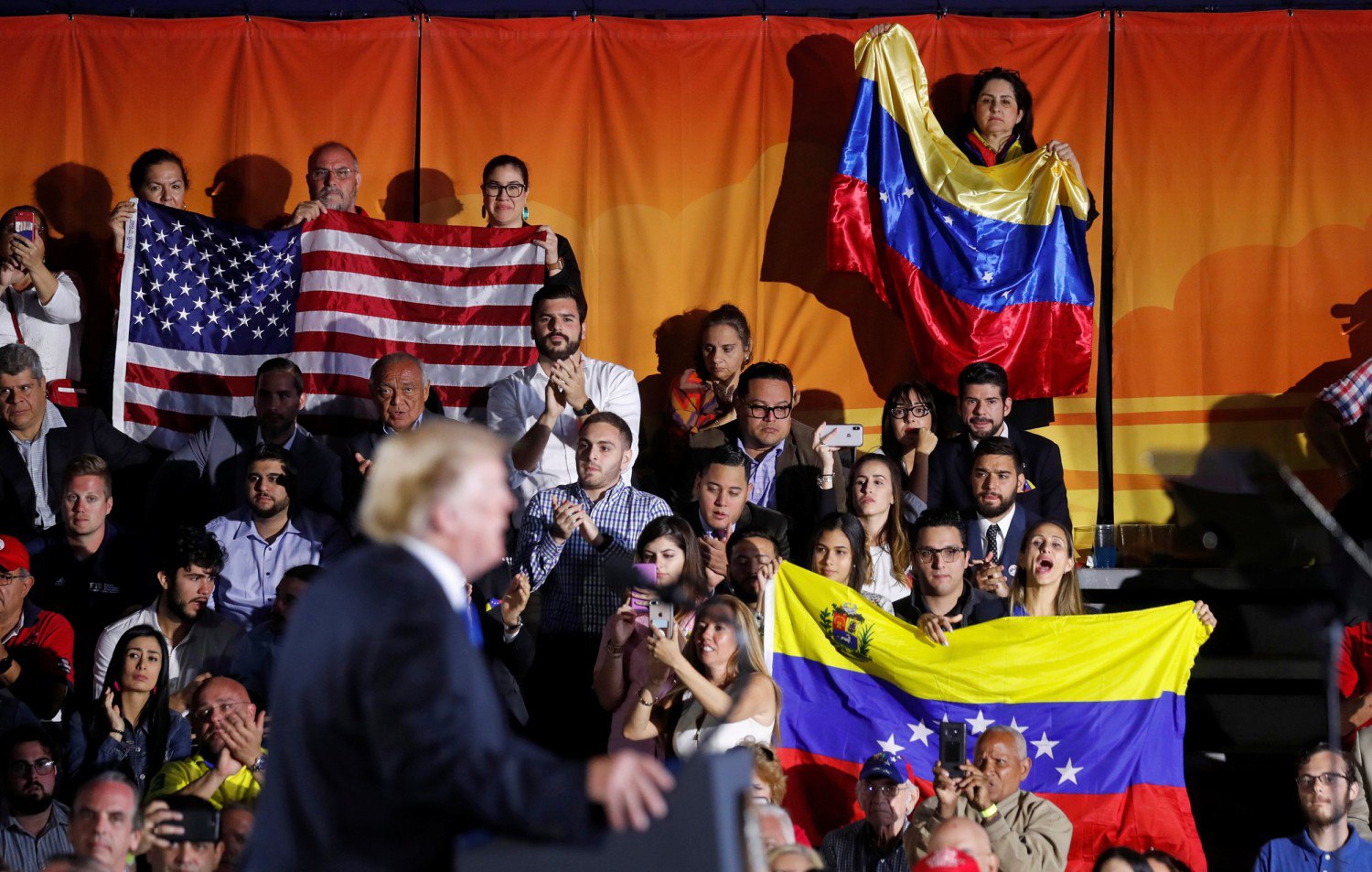
Trump recognized opposition leader Juan Guaido as Venezuela's legitimate president following the elections that granted Maduro a second term in early 2019, which the U.S. and dozens of other countries deemed illegitimate.
This decision led to a severe diplomatic crisis, as Maduro severed relations with Washington, closed his embassy and consulates in the U.S., and expelled American diplomats from his country.
While Washington withdrew all its diplomatic personnel from Venezuela within a few weeks, the decision was met with widespread condemnation.
The US president's team and the Venezuelan opposition attempted to engineer a military uprising by inciting Venezuelan military officers to revolt against Maduro.
Despite the defection of hundreds of National Guard soldiers and police officers, the US attempts failed because the military high command sided with the embattled president, indirectly contributing to Maduro's consolidation of control.
Colonel Omar Melhem told Al-Estiklal that “Washington is pursuing a multi-faceted pressure policy, combining economic sanctions, military escalation, and covert intelligence operations, in an attempt to force Maduro to concede or create a rift within his regime.”
“But with continued Russian and Chinese support for the Caracas government, it appears that Trump is risking opening a new front in the Western Hemisphere, the consequences of which could be unpredictable,” he noted.
Sources
- Donald Trump aims to topple Venezuela’s leader with military build-up
- Trump Administration Authorizes Covert C.I.A. Action in Venezuela
- Trump says he authorised CIA in Venezuela as Maduro says 'no to regime change'
- Will Trump really attack Venezuela? [Analysis]
- Top Trump Aides Push for Ousting Maduro From Power in Venezuela