Disfigured Features and Destroyed Laboratories: How Gaza’s Health System Identifies the Dead
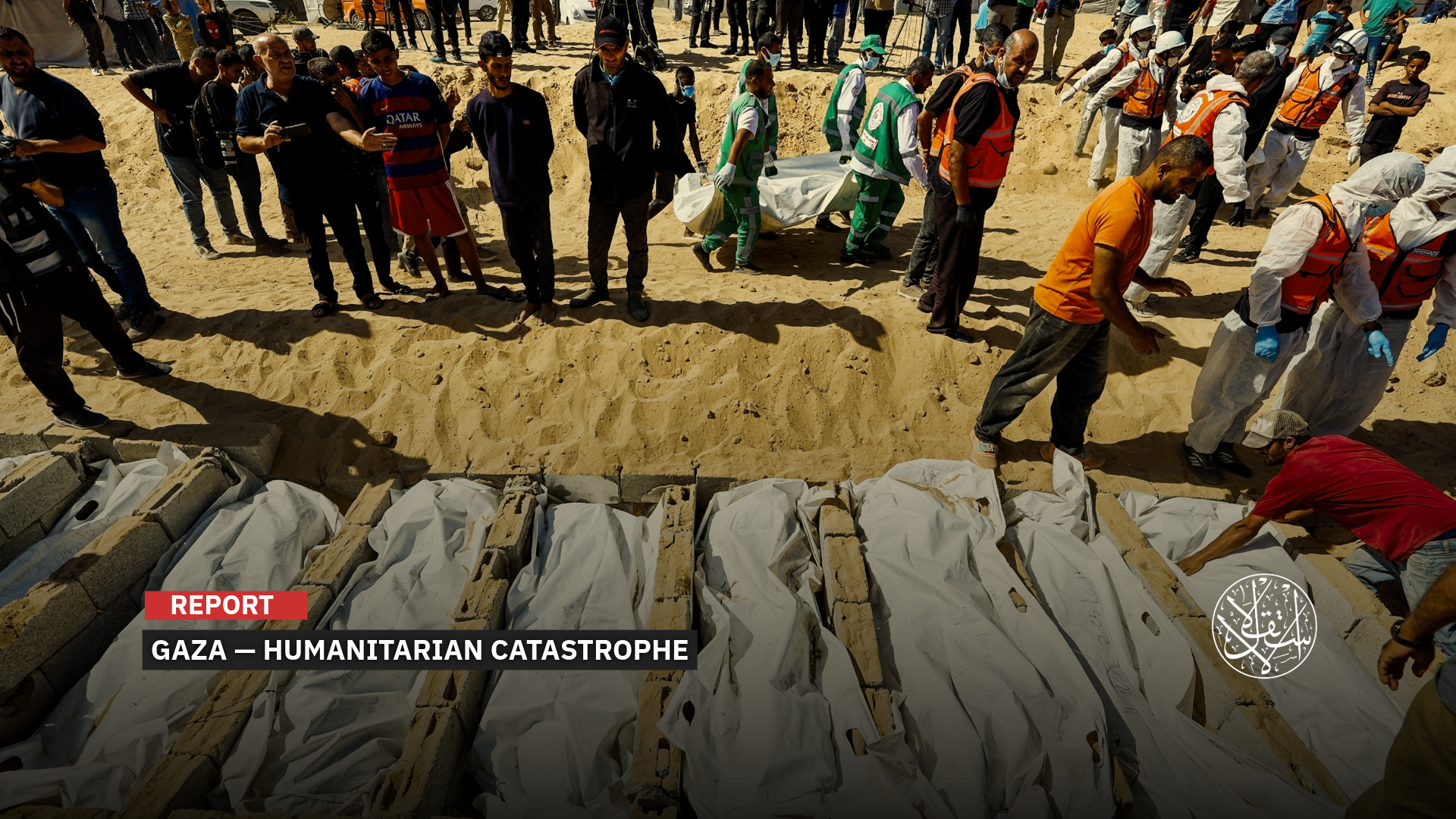
The decomposition of bodies under the rubble and amid the debris in Gaza is speeding up.
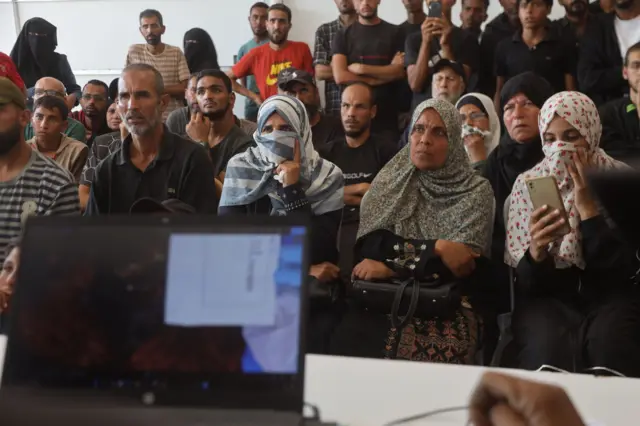
In the waiting room of Nasser Hospital in Khan Younis, in southern Gaza, Palestinian families sit in heavy silence before a large screen showing images of bodies returned by “Israel,” their names unknown.
Family members watch the footage with exhausted, desperate eyes, scanning for a familiar feature or a scrap of clothing, hoping for any clue to the fate of their loved ones, taken by the Israeli Occupation Forces during two years of devastating assault on the enclave.
Thumbnail
Since the ceasefire agreement came into force on October 10, 2025, “Israel” has begun returning the bodies of Palestinians it had held during the war, as part of a prisoner-exchange arrangement with the Islamic Resistance Movement, Hamas.
By December 5, 2025, Gaza’s Ministry of Health had received 345 bodies in batches via the International Committee of the Red Cross, yet medical teams were able to identify only 99 of them. The vast majority remain numbers without names.
With each new handover, the Ministry of Health says most of the bodies show signs of abuse, torture, and executions, noting that victims were shot at close range, their wrists bound with metal cuffs, their eyes blindfolded, or returned dismembered or severely burned.
The ministry added that Israeli Occupation Forces left open wounds on the victims’ bodies, gouged out eyes, removed teeth, and subjected the remains to such damage that some carried the imprint of tank tracks, making identification extremely difficult.
Regarding Palestinian detainees who died in Israeli custody, the newspaper Haaretz reported in July 2025 that the Israeli Occupation Forces is holding around 1,500 bodies from Gaza at the Sde Teiman base in the Negev, where they are stored in special refrigeration units and labeled with numbers rather than names.
Yet the bodies held and returned represent only a small part of Gaza’s humanitarian catastrophe. Civil defense estimates place the number of missing persons in the enclave at more than 10,000.
No reliable figures exist on how many were killed in airstrikes and remain under the rubble, or are detained, or have disappeared under other unknown circumstances.
Since the start of the most recent truce in October 2025, only 596 bodies have been recovered from beneath the ruins, according to a statement from the Ministry of Health.
The scale of the tragedy is compounded by the sheer volume of debris engulfing Gaza, which the United Nations recently estimated at more than 61 million tons, requiring many years to clear.
Numerous victims remain in areas too dangerous or inaccessible to reach, including neighborhoods that were completely destroyed and others designated as closed military zones still controlled by Israeli Occupation Forces despite the ceasefire.
Israeli Occupation Forces continue to hold what is known as the “yellow line” in the eastern part of the Strip, an area covering roughly 53 percent of Gaza’s territory.
The situation is further darkened by investigations published by CNN in early December 2025, which revealed unrecorded killings and burials of Palestinians seeking aid near the Zikim crossing in northern Gaza, including reports of mass graves.
The investigation found that Israeli Occupation Forces bulldozed the bodies of some of the dead into shallow, unmarked graves near the crossing, while in other cases the remains were left exposed to decay and to stray dogs, as recovery was deemed impossible in the military zone.
One former Israeli soldier said his unit buried nine Palestinians in a single grave without documenting their identities or photographing the bodies.
The Lack of Resources
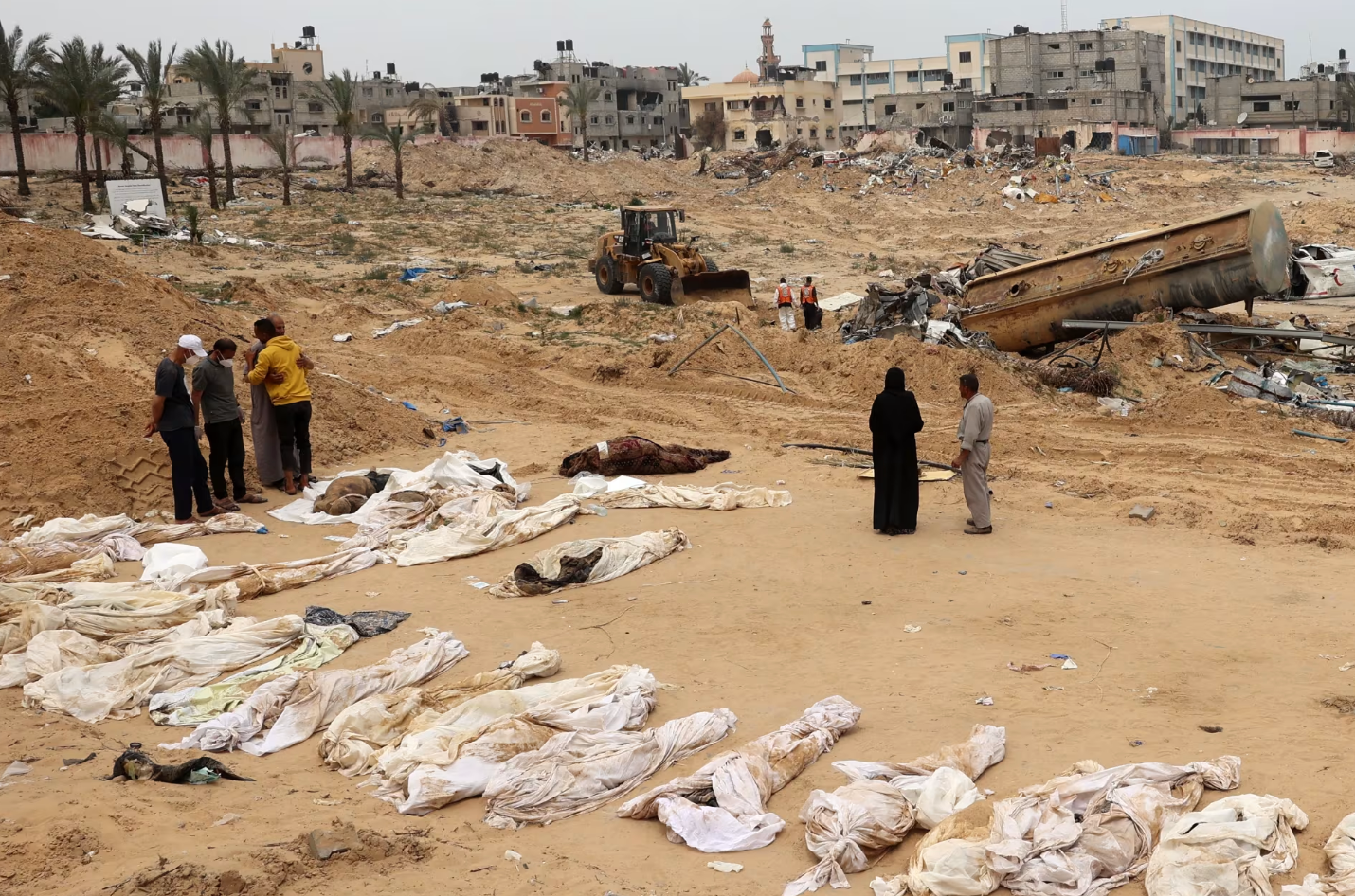
As time passes, the decomposition of bodies beneath the rubble accelerates, amid a severe shortage of machinery and heavy equipment, making the recovery or later identification of many of the dead almost impossible, according to local and UN warnings.
Mahmoud Basal, the spokesperson for the civil defense, said teams in the Strip are working under “extremely difficult” conditions after nearly 90 percent of their vehicles, equipment, and rescue and firefighting tools were destroyed in Israeli airstrikes.
He told reporters that the infrastructure of civil defense centers and field teams has completely collapsed, with many personnel killed or injured, leaving their ability to respond to the needs of civilians “almost nonexistent.”
He stressed that civil defense teams are confronting widespread debris on the roads and under the rubble, continuing to recover bodies despite having virtually no resources.
Civil defense crews were forced to halt most recovery operations since November 2023, after Israeli Occupation Forces targeted their excavators, bulldozers, and heavy machinery, leading to a sharp rise in the number of people left beneath the ruins.
With no equipment available, hundreds of families have attempted to retrieve the bodies of their relatives themselves from destroyed buildings, yet most have been unable to reach them.
The medical sector has also suffered massive destruction, with every hospital in the Gaza Strip damaged either totally or partially by the bombardment. All laboratories and medical facilities capable of helping identify victims have been destroyed as well.
Twenty-five hospitals are now completely out of service out of a total of 38, while only 13 are operating partially under extremely difficult humanitarian and logistical conditions.
A total of 103 primary healthcare centers have been destroyed out of 157, leaving only 54 partially functioning due to continued attacks and the prevention of supply deliveries, according to the Ministry of Health.
Ahmed Duheir, head of forensic medicine at Nasser Hospital, said the health sector has been devastated by the war, adding, “Gaza today represents the tragedy of our time because of the large number of missing people.”
“There are large numbers of bodies in a confined area that was bulldozed, destroyed, and overturned from beneath to above, and even the cemeteries themselves were targeted,” Duheir told Al-Estiklal.
Given the limited medical resources, he said it is unlikely that all remains can be recovered unless the necessary equipment and specialists are allowed to enter.
What’s the Solution?
Gaza is suffering from a severe shortage of functioning laboratories capable of storing or analyzing DNA samples, as the health system has been shattered by Israeli bombardment, leading to the loss of most medical and dental records.
The International Committee of the Red Cross, which has received more than 13,500 tracing requests in Gaza since the start of the war, has worked with the Ministry of Health to establish burial sites for unidentified bodies, a necessary step to enable future identification.
But under current conditions, the organization is unable to establish a DNA testing laboratory or bring in advanced equipment because of Israeli restrictions.
The health sector is also facing a major shortage of specialists in key fields such as forensic pathology, osteology, and forensic dentistry, along with the absence of mobile X-ray equipment essential for identifying victims. As a result, experts are relying on rudimentary methods based on visual inspection.
Ahmed Duheir, head of forensic medicine at Nasser Hospital, said the ministry documents personal belongings such as clothing and watches and links them to missing-persons reports, in addition to estimating age through bone and dental size.
Families play a central role in identifying victims by recognizing scars, remaining facial features, or clothing and possessions.
The Ministry of Health has set up a dedicated room in Nasser Hospital, as well as an online platform where all images of the bodies are published to help families identify missing relatives.
However, the ministry faces major challenges in storing bodies due to limited fuel and electricity, which allow corpses to be kept for no more than 10 days.
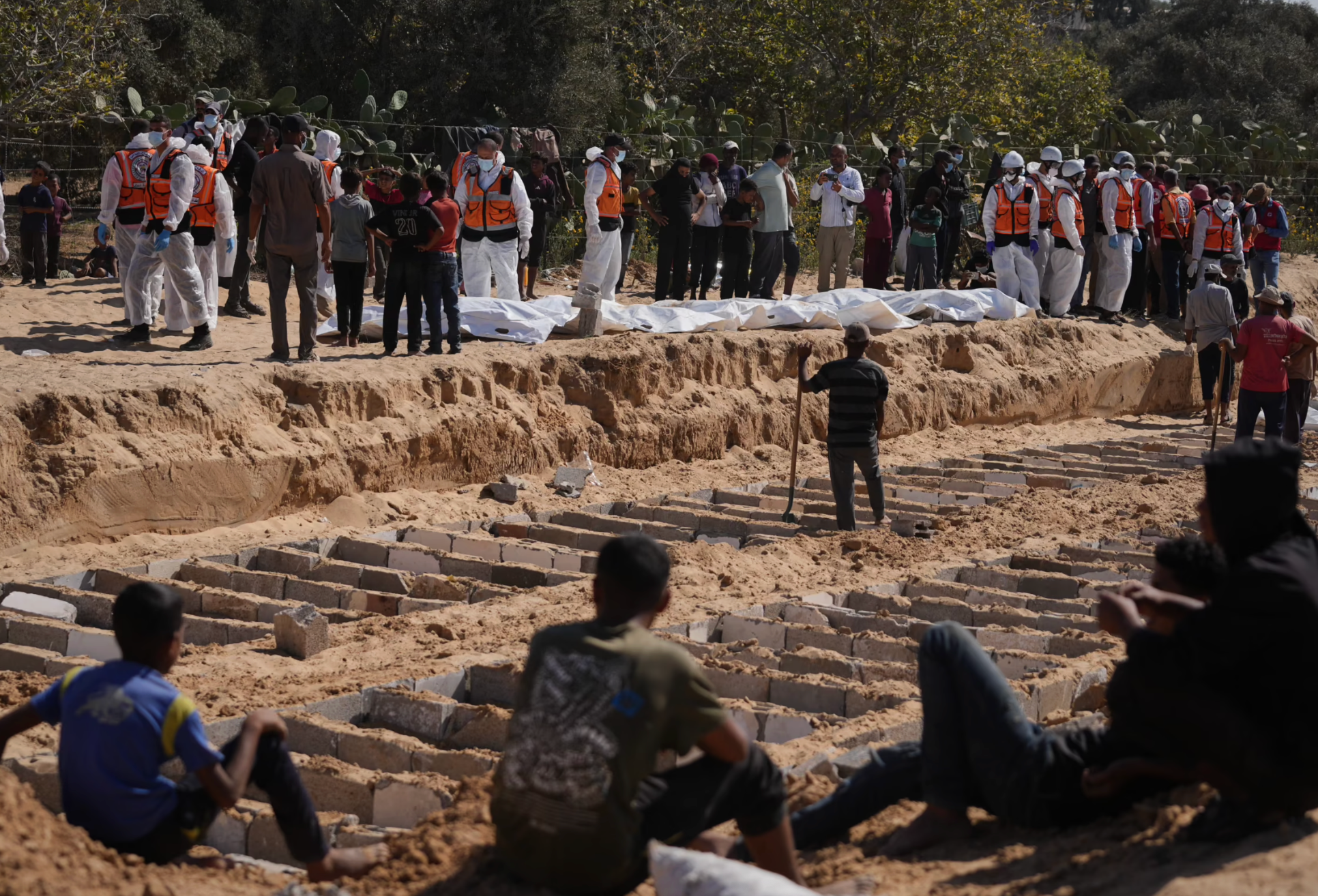
After that period, unidentified bodies are buried using a precise numbering system that enables families to locate burial sites once identification methods become available.
The Israeli magazine 972+ reported that the returned bodies were not part of the ceasefire agreement, unlike living detainees, noting that the Israeli Occupation Forces provided no names or identifying information for them.
This, according to Yahya Muhareb, an international law expert at the al-Mezan Center for Human Rights in Gaza, constitutes a violation of the Geneva Conventions, which require the disclosure of the names of those returned and the transfer of their personal belongings, as well as information on the causes, dates, and places of death.
The magazine added that many of the missing were people who had gone to collect food from distribution points run by the Gaza Relief Foundation, where more than 2,600 people were killed between May 2025 and the start of the ceasefire, by Israeli and American soldiers.
Sources
- Clearing most of the rubble in the Gaza Strip is possible in seven years under right conditions Safe removal is critical to recovery
- CNN Investigation Reveals the Story Behind Bulldozed Bodies and Unmarked Graves in Gaza [Arabic]
- ‘Gaza Health’ Issues Urgent Appeal to Save What Remains of the Health Sector After Two Years of Devastation [Arabic]
- ‘The War Is Over, So Why Haven’t They Come Back?’: The Search for Gaza’s Missing