Macky Sall’s Repressive Era: Can Senegal End the Legacy of Impunity?
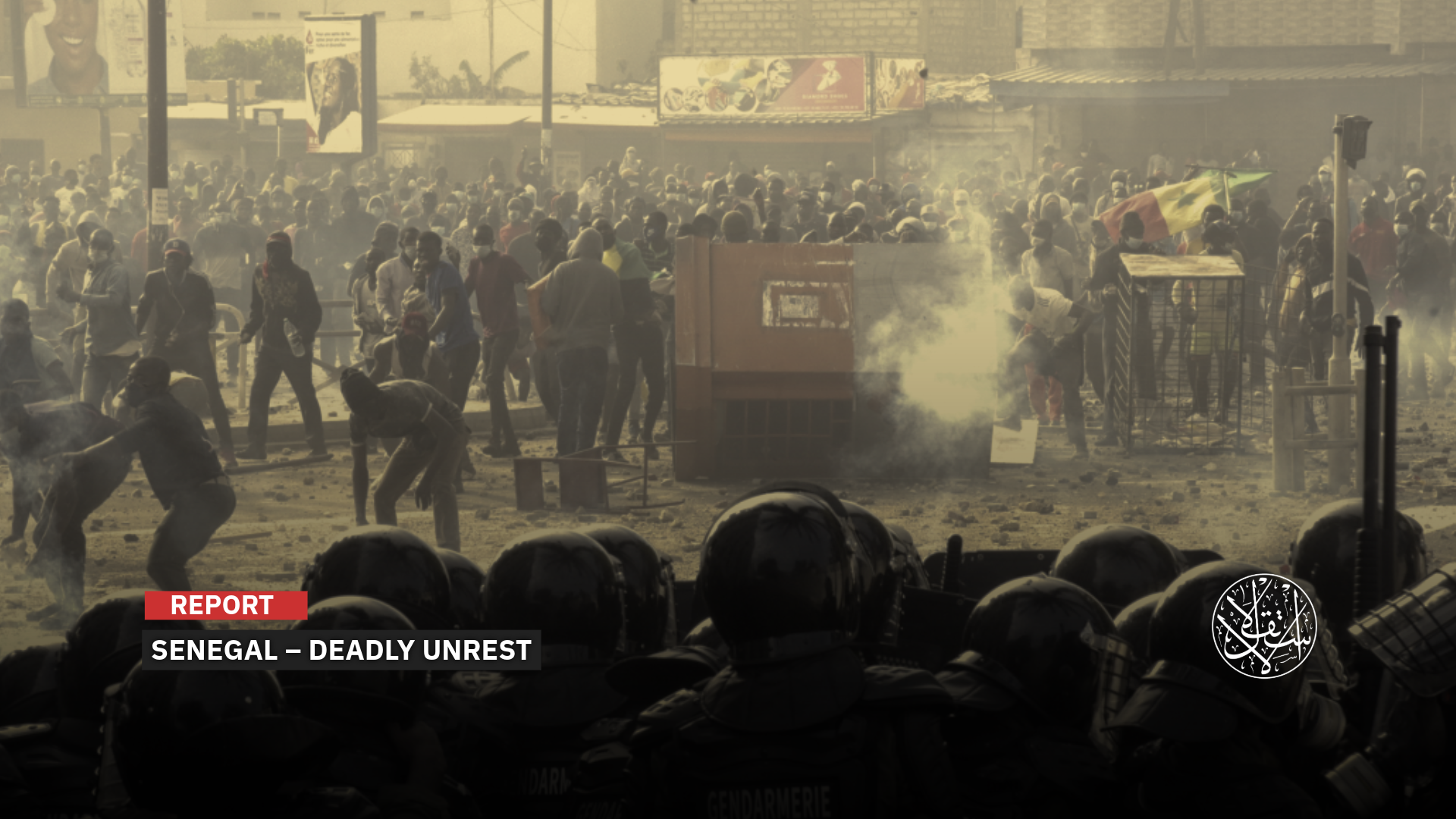
“Senegal recently launched an inquiry into deadly unrest under the former government.”
As part of the investigation into crimes committed during the bloody political unrest that swept Senegal under former President Macky Sall, the country's judicial authorities launched hearings.
In October 2025, the judicial hearings began, a first step towards achieving justice for the victims and their families, amid pressure from civil society on the new government led by President Bassirou Diomaye Faye and Prime Minister Ousmane Sonko.
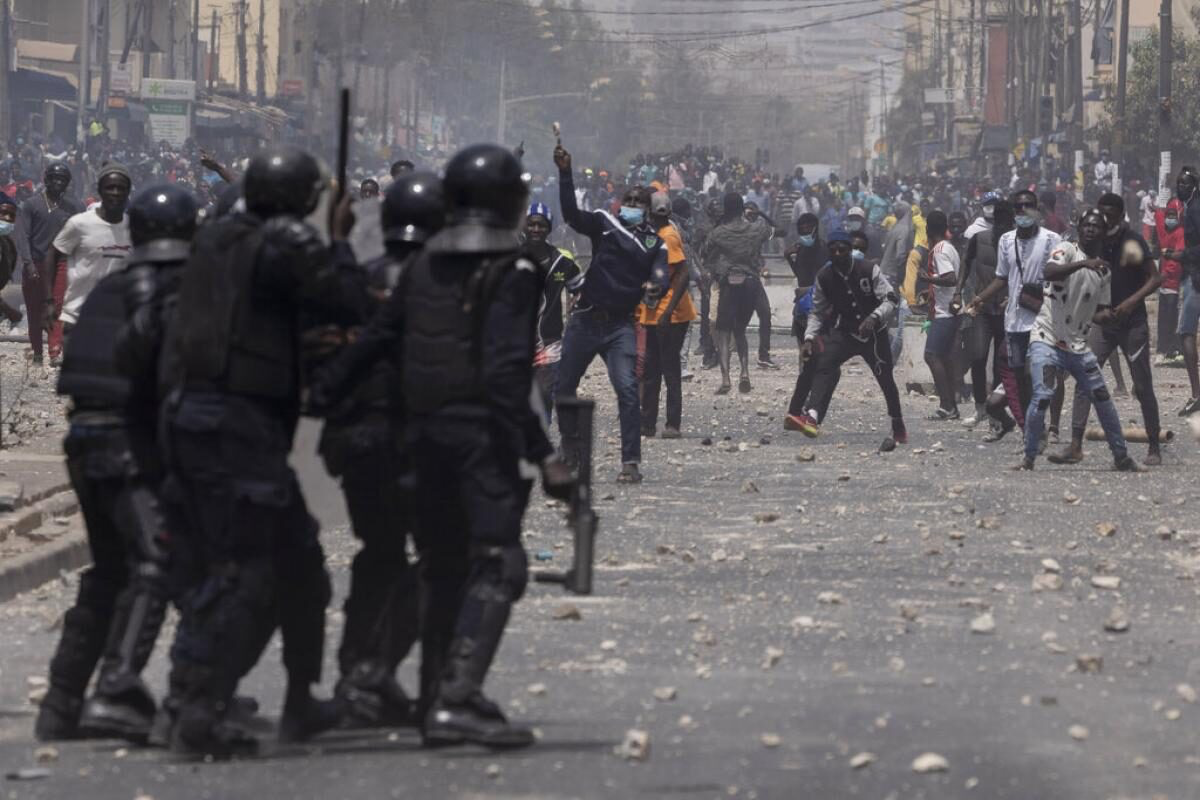
Between March 2021 and February 2024, Senegal witnessed widespread political protests met with security repression. Accusations arose that armed men in civilian clothes, working for the authorities, were used to suppress the demonstrators, resulting in the deaths of dozens.
Rejected Forgetfulness
According to Senegalese human rights activists, at least 65 people were killed, 51 of them by gunfire, most of them young people. However, some current officials estimate the death toll to be over 80.
A large number of protesters were also injured and arrested in what have been described as shocking circumstances.
Amnesty International and several Senegalese civil society organizations confirmed that at least 65 people were killed during pre-election demonstrations in support of then-opposition leader Ousmane Sonko, who now serves as prime minister.
Most of the demonstrators were killed by gunfire, and nearly a thousand others were injured, some of whom were victims of torture, according to the human rights organization.
This legal action followed popular protests in the capital, Dakar, demanding that President Bassirou Diomaye Faye and his ruling party, PASTEF, fulfill their campaign promises to prosecute those responsible for the violence that plagued the country and claimed dozens of lives during the final years of Sall's rule.
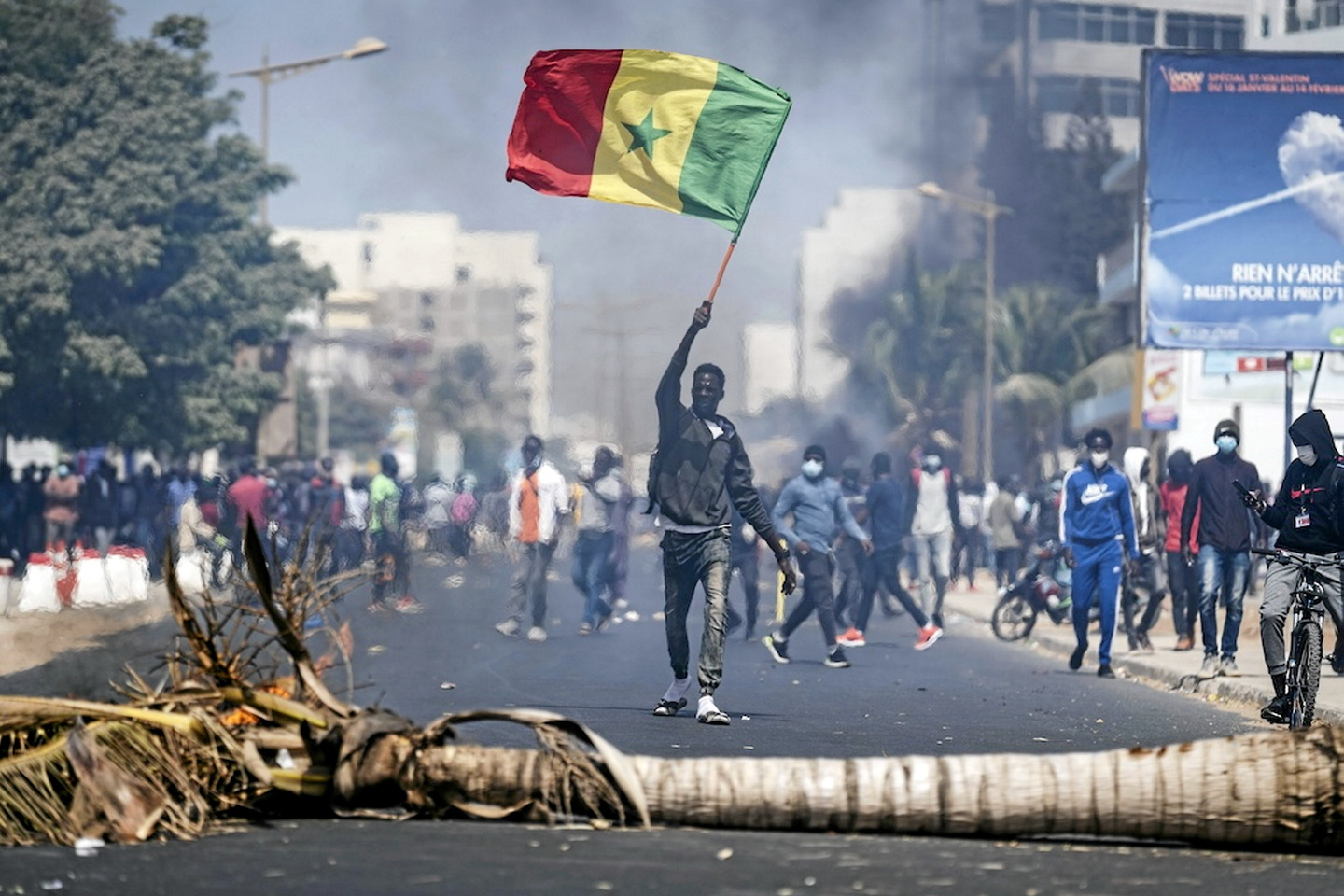
On August 30, hundreds of demonstrators took to the streets of Dakar to demand expedited legal proceedings and accountability for those responsible for the deaths.
The protesters chanted slogans such as ‘Justice for the Martyrs’ and ‘We Refuse Silence and Forgetting’, referring to the victims of the protests called for by the opposition, then led by current Prime Minister Ousmane Sonko.
The judicial hearings also came in response to calls from international organizations such as Amnesty International, the Commission of Justice, and the African Commission on Human and Peoples' Rights, which urged an independent and transparent investigation into the excessive use of force by security forces during the events that took place in Senegal between 2021 and 2024.
According to observers, these demonstrations show that the issue of victims of political violence remains present in the Senegalese collective consciousness, and that the country's transitional justice process is facing a test between the promises of the authorities and the pressures of the street, amid growing demands for truth-telling and accountability for those responsible, regardless of their past or present positions.
Judicial Reform
This judicial move to investigate the bloody events that took place in Senegal during Sall's presidency also comes after the Ministry of Justice announced the opening of an investigation into these events, amid criticism from victims' families and figures within the current government regarding the slow pace of judicial proceedings.
On August 1, Justice Minister Ousmane Diagne announced the opening of judicial investigations into the violations that accompanied the political demonstrations between 2021 and 2024, in response to growing human rights demands, most notably the Zero Impunity initiative.
The Justice Minister confirmed that the Zero Impunity initiative's letter to President Diomaye Faye had been taken into consideration.
Accordingly, the Minister instructed the Attorney General at the Dakar Court of Appeal to open investigations into the killings, torture, inhumane treatment, and enforced disappearances that occurred during that period.
These investigations, led by Prosecutor Ibrahima Ndoye in Dakar, aim to shed light on the circumstances surrounding the deaths and injuries, allegations of torture, and serious human rights violations, and to hold those responsible accountable, whether civilians, security forces, or political leaders during Macky Sall's era.
Activist and student Bab Abdoulaye Toure, a torture victim and co-founder of the initiative, stated in press remarks that this step represents a strong indication of the new authorities' desire to end impunity and restore trust between citizens and the judicial institutions.
Observers praised this judicial investigation, considering these hearings a first step towards a judicial process that will uncover the circumstances of the violence that erupted over four years.
Conversely, others believe that this judicial action represents a serious test of the new authorities' commitment to their promises to reform the judiciary, deliver justice to victims, and reveal the truth about what happened during the years of unrest.
Senegalese political scientist Haroun Ba told Al-Estiklal that the mere reopening of this legal case clearly demonstrates the urgent need for structural judicial reform that regulates the rhythm of daily life in all its aspects.
He added that reforming the judicial system was among the most pressing electoral demands during previous presidential and legislative campaigns.
He explained that the current PASTEF government, after assuming power, held dialogue sessions under the title Modernizing and Reforming Justice, indicating the urgency of structural judicial reform, given its implications for building a democratic state, separating powers, and ensuring justice for all.
He held the previous government under President Sall responsible for the delay in compensating the victims and holding those involved in these violent events accountable.
He emphasized that the issue remained unresolved until the PASTEF party came to power, which was obligated to address the matter, as it was among the promises it made to uncover the truth, hold those responsible accountable, and uphold the principle of no impunity.
Political Amnesty
Ba recalled that an amnesty law was passed during Macky Sall's presidency, explaining that the previous regime justified this law as a means to promote national reconciliation.
He explained that the passage of this law enabled the current leadership, including Bassirou Diomaye Faye and Ousmane Sonko, as well as many other detainees, to be released from prison, participate in the elections, and win the presidency.
The Senegalese researcher pointed out that this law also included amnesty for perpetrators of crimes and misdemeanors.
He noted that when the PASTEF party came to power and won the presidential and parliamentary elections, the parliamentary majority demanded a review of the law, arguing that it prevented the prosecution of perpetrators of crimes, including those committed by security forces and demonstrators, stemming from political events or motives.
In March 2024, Parliament passed a general amnesty law that included those involved in these events, in an attempt to calm the political situation.
However, in April 2025, the Constitutional Council ruled that crimes classified as serious or grave human rights violations remain subject to no statute of limitations and that their perpetrators can be prosecuted.
Ba believes the danger lies in politicizing this issue, as this could lead to a return to escalation and tension in the national political landscape.
He emphasized that, in any case, justice will be served for the wronged and compensation for the victims, regardless of any legal interpretations or political considerations.
He concluded that the expected outcomes of the hearings are to assign responsibility to the relevant parties, identify the perpetrators, compensate the victims, and ultimately achieve national reconciliation.