How Trump’s Racist and Divisive Rhetoric Became Part of American Politics
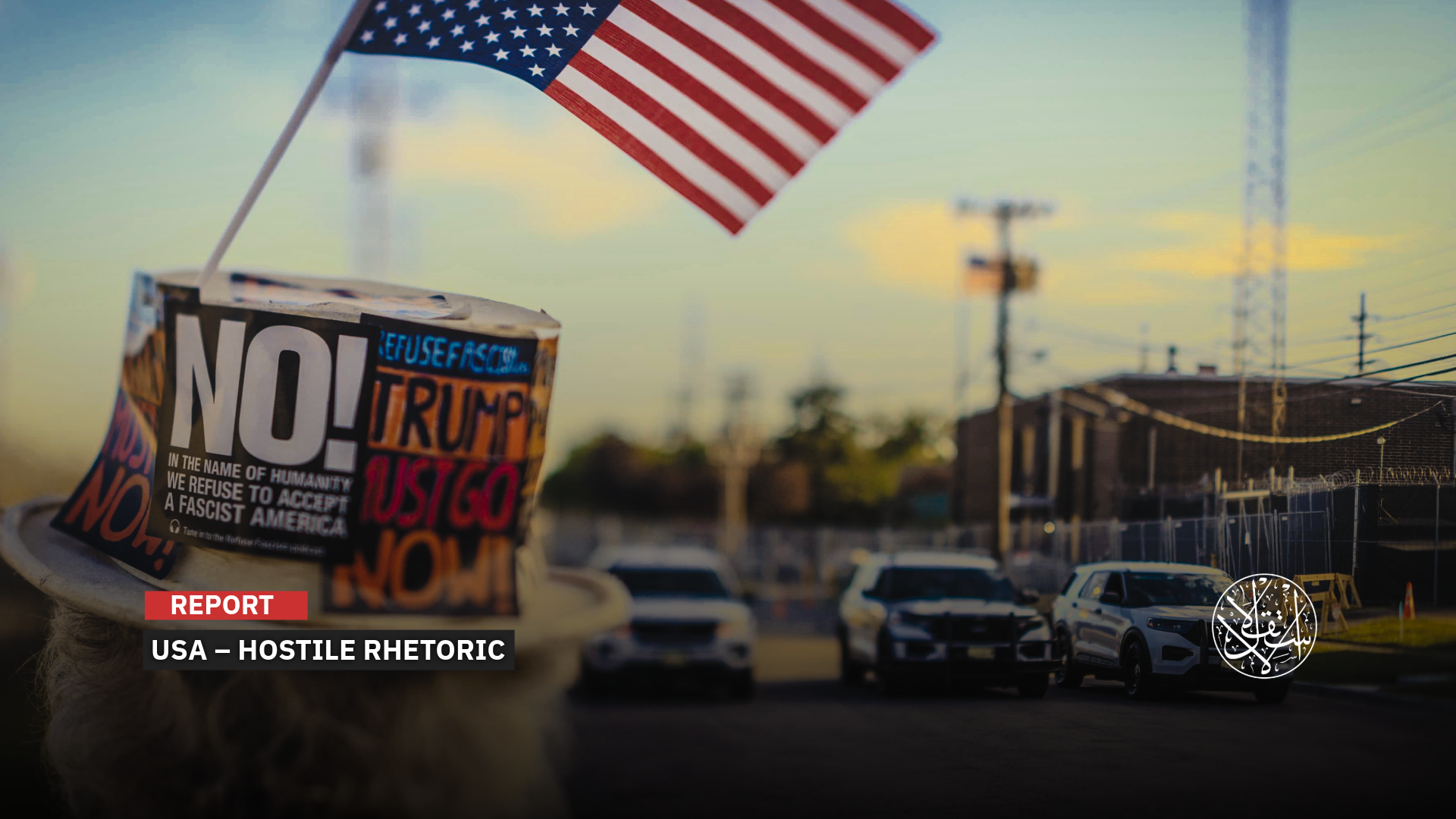
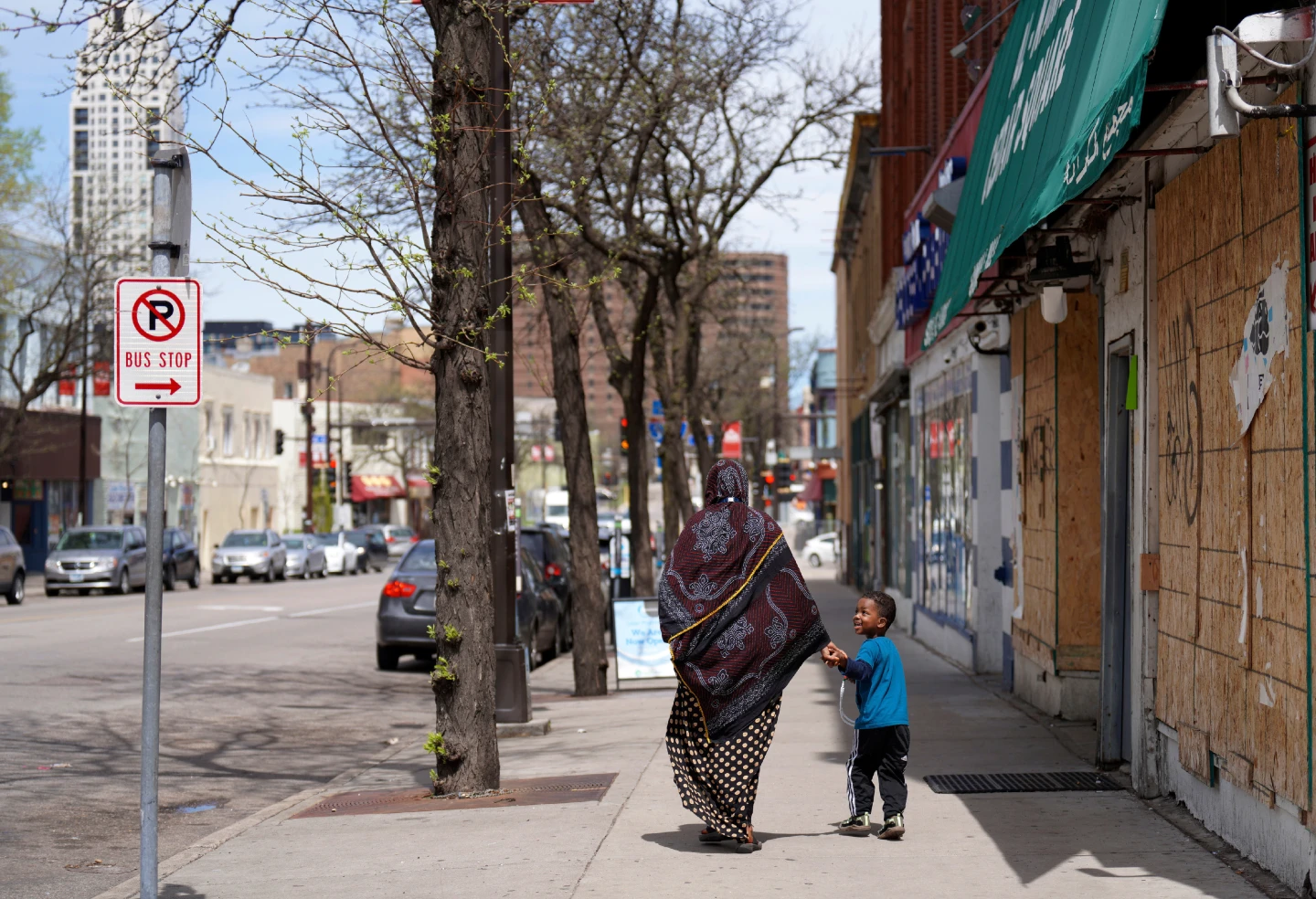
“For more than a week, Trump has disparaged Somali immigrants, particularly those in Minnesota.”
American political discourse has entered a highly dangerous phase after President Donald Trump revived derogatory terms for entire countries and peoples, describing them as shithole, and explicitly confirming his adoption of this language, which he had previously denied using in 2018.
Trump made these remarks during a rally in Pennsylvania, where he publicly questioned why the United States accepts immigrants from countries he called disastrous, shithole, disgusting, while advocating for immigrants from more civilized countries.
This rhetoric, which affects millions of people, is no longer a mere linguistic lapse, but rather represents a political trend based on discrimination stemming from national origin and race, threatening the foundations of equality and respect for human dignity.
The escalation has not been limited to words; it has coincided with government measures that directly undermine the rights of immigrants.
The US administration has expanded deportations at an unprecedented pace and suspended the acceptance of immigration applications from 19 impoverished countries, a move that raises concerns among human rights advocates that racial and cultural criteria, rather than security or legal considerations, are the primary determinants of policy.
Human rights organizations view these practices as a sharp retreat from the United States' international obligations, particularly those related to protecting refugees and ensuring non-discrimination.
New Reality
In a scene that encapsulates the profound shifts within American political discourse, President Donald Trump has once again resorted to explicitly racist language against one of the African communities in the United States.
While his remarks during his first term were met with widespread condemnation, even from within his own party, this time the scene was accompanied by broad support from his Republican allies, indicating that the ethical boundaries of American political discourse are eroding.
During a meeting at the White House during his first term, President Trump questioned why the United States accepts immigrants from shithole countries like Haiti and some African nations.
His remarks at the time sparked widespread outrage, with several lawmakers—including some Republicans—condemning the offensive language. Trump even attempted to downplay the incident, denying that he had used such terms.
But during a televised cabinet meeting this month, Trump commented on reports of government fraud among some members of Minnesota’s large Somali community, calling the immigrants there garbage and saying he wanted to send them back to where they came from.
This time, Republican members of Congress remained silent, with Vice President J.D. Vance banging his fist on the table in support, while White House spokeswoman Caroline Leavitt called Trump’s remarks astonishing and an epic moment.
This reaction reflected a new reality: Trump’s racially charged rhetoric is no longer considered unacceptable by some of his allies and supporters, according to researchers and civil rights advocates, who believe that Trump’s rhetoric has become more brazen and politically palatable.
White House spokeswoman Abigail Jackson said in a statement that Trump was right to highlight the problems caused by a group of radicalized Somali immigrants.
She indicated that Americans who have suffered from these practices would welcome the president’s comments and his strong support for American citizens.
For his part, US Treasury Secretary Scott Bessent recently said that his department is investigating allegations that public funds from Minnesota were diverted to the al-Shabaab extremist group in Somalia.
Racist Rhetoric
Trump has a long history of making racist remarks, especially against immigrants of color.
He entered politics by promoting the false conspiracy theory that former President Barack Obama was not born in the United States.
His critics say his hardline policies during his two terms in office reflected his racist rhetoric, particularly on immigration.
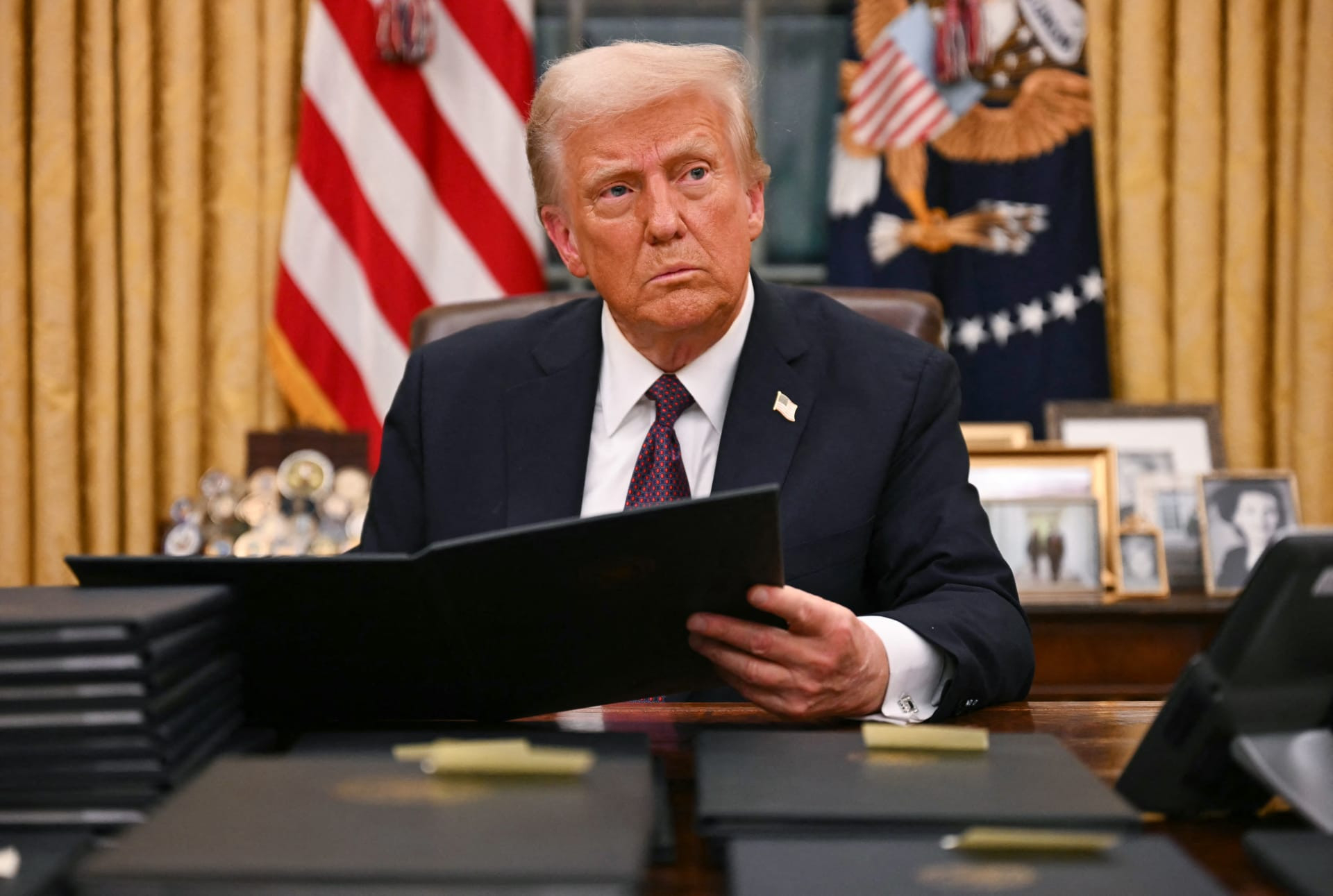
Trump recently reiterated these remarks, telling reporters in the Oval Office that many consider Somalia the worst country on earth, and accusing Somali immigrants of ruining the country.
Senator Jeanne Shaheen, the ranking member of the Senate Foreign Relations Committee, along with several of her Democratic colleagues, described Trump's remarks as racist and xenophobic.
She warned that extremist groups like ISIS could exploit this rhetoric to fuel anti-American sentiment.
Northwestern University political science professor Alvin Tillery said that Trump’s use of the presidential platform to spread racist rhetoric is unprecedented in modern times, surpassing even the speeches of Richard Nixon and Ronald Reagan, who were previously accused of delivering coded messages with racist undertones.
Trump’s immigration policies clearly reflected this approach, as he virtually closed the United States to new refugees, with the exception of white South Africans, whom he claimed—without evidence—were being subjected to genocide.
Immigration and Customs Enforcement (ICE) agents also resorted to aggressive tactics during arrests and were accused of detaining people simply because they looked Latino or spoke Spanish.
In recent days, Trump escalated his rhetoric and actions following the shooting that killed two National Guard soldiers in Washington, D.C., in which an Afghan national who had entered the United States under a program to assist Afghans who had worked with U.S. forces was the accused.
Following this, Trump announced that his administration would work to permanently halt immigration to the United States from all Third World countries until, as he put it, the American system was fully recovered.
Under a memo from the U.S. Citizenship and Immigration Services (USCIS), all immigrants from the affected countries are required to undergo a comprehensive review process, including potential interviews and, if necessary, re-interviews, to fully assess all threats to national security and public safety.
According to Newsweek estimates, approximately 3.3 million permanent residents in the United States are from these countries, meaning any broad review would directly impact millions of individuals and families.
Experts believe that revoking the visas of these nationals already residing in the United States with permanent residency permits could face greater legal challenges than the decision to freeze immigration from Third World countries.
A Wall Street Journal editorial described the administration’s approach after the attack as bordering on collective punishment, not only of Afghans but of all those the administration categorizes as Third World countries, as well as Americans seeking to bring their relatives to the United States through legal immigration channels.
In a related development, the Trump administration recently announced sweeping changes to the immigration system, including a review of permanent residency for citizens of the countries targeted by the travel ban, a suspension of asylum decisions, and a reassessment of asylum grants issued during the administration of former President Joe Biden.
Since returning to office in January, Trump has focused heavily on enforcing immigration laws, deploying federal agents to major U.S. cities and pushing back asylum seekers at the U.S.-Mexico border.
The new immigration rules could affect more than 1.5 million people with pending asylum claims and more than 50,000 who were granted asylum during the Biden administration.
Political Statements
Observers have warned that Trump's racist rhetoric against immigrants poses a direct threat to minorities.
Last October, leaked emails from leading Republican youth groups revealed the use of racist, anti-Semitic, and extremist language, raising concerns that hate speech is becoming increasingly normalized in American politics.
Trump's recent statements have alarmed the Somali community in Minnesota, especially given reports of potential raids by ICE agents in the state.
According to the U.S. Census Bureau, in 2024, there were approximately 76,000 Somali-Americans in the state, more than half of whom were born in the United States.
Last year, after Trump claimed during a televised debate with Democratic nominee Kamala Harris that Haitian immigrants in Ohio were stealing and eating pets, threats against them escalated to unprecedented levels.
Trump also recently attacked Representative Ilhan Omar—who arrived in the United States as a Somali refugee and became a U.S. citizen—calling her shithole country and adding that she should be deported.
Omar responded to Trump's attack, saying, “The president has a long history of making racist, Islamophobic, and xenophobic statements, especially against Black people. We've seen how he referred to African countries as 'shithole countries,' so nothing he's saying now is surprising.”
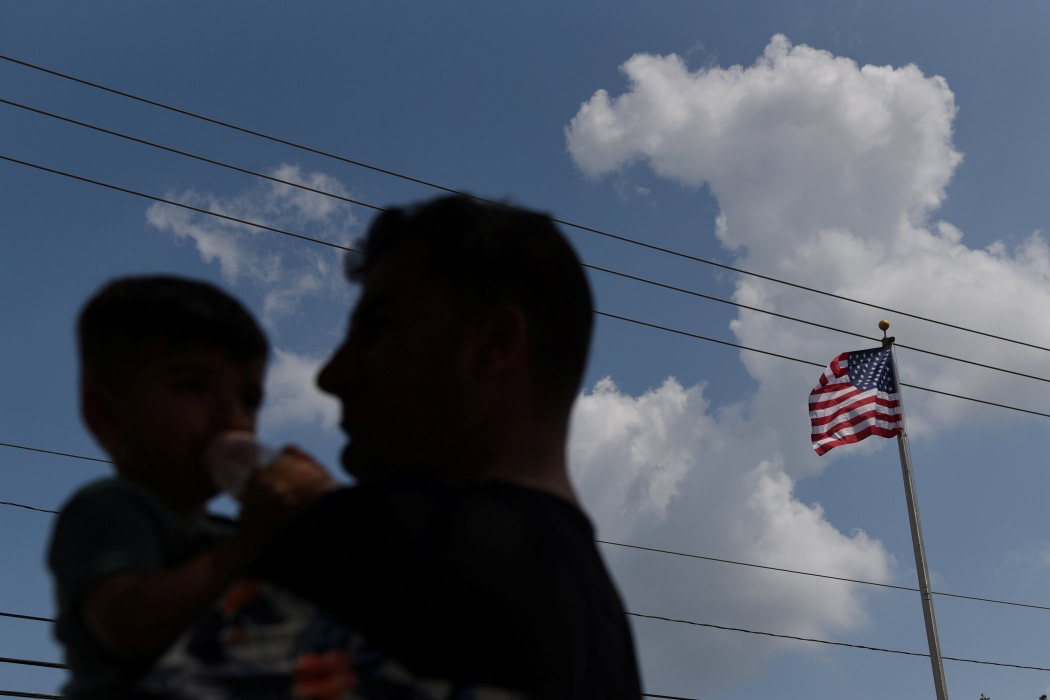
As President Trump continues to make racist and xenophobic statements, concerns are growing about the impact of this rhetoric on minorities in the United States, particularly Muslim, Black, and Latino communities.
It appears that hate speech is no longer merely political rhetoric, but is now being translated into policies and actions on the ground, including immigration restrictions and selective arrest campaigns.
International law experts have confirmed that the continuation of this approach could expose the United States to widespread criticism and oversight by relevant UN bodies, in addition to its profound impact on the country's reputation as a destination for immigration and asylum.