From Oilfield to Breaking Point: How the Fall of Heglig Redrew the Course of War in Sudan
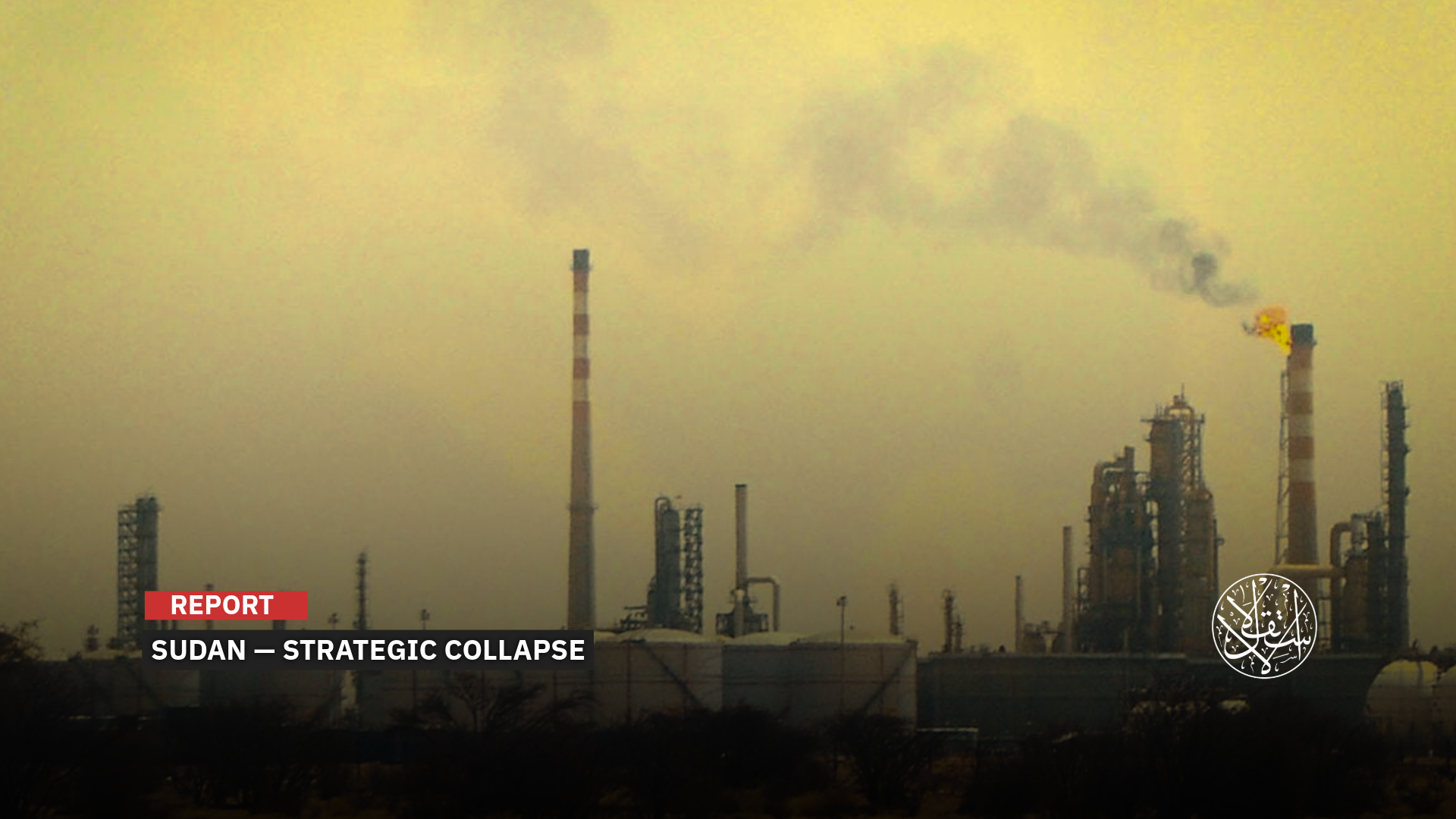
The fall of Heglig gave the Rapid Support Forces militia a major logistical advantage.
Heglig was not merely an oil field that fell into the hands of an armed militia force. It constituted one of the last economic pillars holding together what remained of the Sudanese state during a long and open-ended war of attrition.
Since the outbreak of fighting between the Sudanese army and the Rapid Support Forces militia on April 15, 2023, this highly sensitive oil-producing area had remained outside the zone of direct confrontation, regarded as a vital economic artery not only for Sudan but also for South Sudan.
The fall of Heglig, however, marked the breach of a strategic taboo that had held for nearly two years of conflict, opening the door to deeper shifts in the course of the war, both in its character and in its political and economic trajectories.
On December 8, 2025, the Rapid Support Forces militia announced their full control over the Heglig oil field, following days of rapid military militia advances in West Kordofan state.
This came after the capture of the town of Babanusa, the last major stronghold of the army in the state, earlier that month.
This development was not an isolated incident. Rather, it was the culmination of a gradual collapse of the Sudanese army’s defensive lines in the region, beginning with the loss of control over strategic towns and transport routes, and ending with the exposure of one of the state’s most important sovereign economic assets, a turn that signals a far more complex phase in Sudan’s conflict.

Political Lifeline
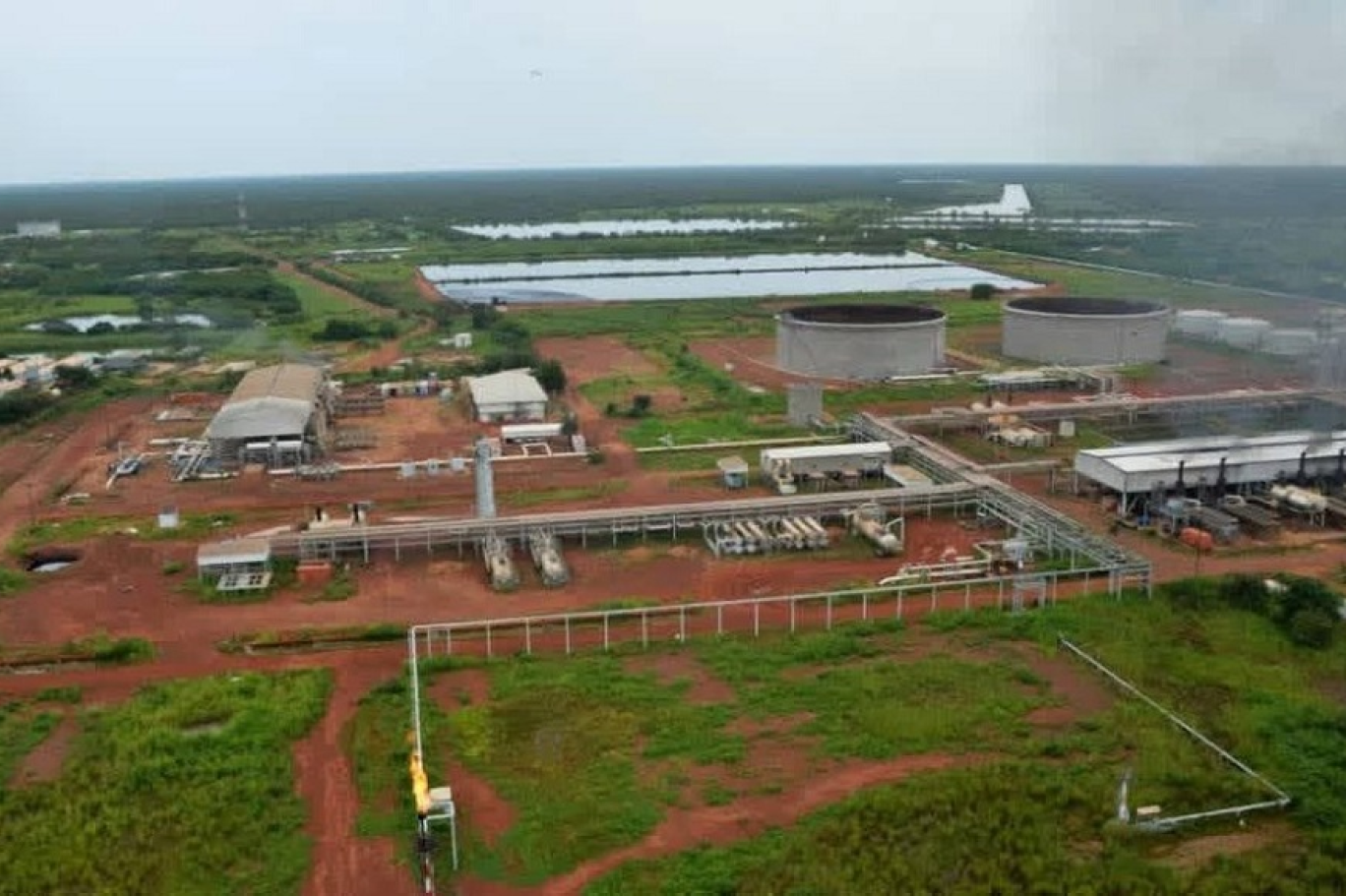
Heglig lies in an area of acute geographic and political sensitivity, on the edge of West Kordofan state and directly adjacent to the border with South Sudan. Its significance is not limited to being Sudan’s largest oil processing facility.
It represents a central node in the regional oil network, processing roughly 130,000 barrels a day of South Sudanese crude alongside production from Block 6, Sudan’s largest oil concession.
Since South Sudan’s secession in 2011, Heglig has become a dual lifeline. It is a vital financial resource for Sudan amid sanctions and economic collapse, while also serving as South Sudan’s near-exclusive outlet for exporting its oil to global markets.
For these combined reasons, Heglig long remained outside what could be described as the conflict’s unspoken red lines, shielded by regional, tribal, and international understandings aimed at keeping it beyond the reach of attack.
Yet the nature of Sudan’s war, marked by chaos and the fragmentation of decision-making centers, has now shattered that taboo, thrusting one of the central nerves of the Sudanese economy into the heart of the military confrontation.
The fall of Heglig was not the result of a prolonged, conventional battle so much as the outcome of slow erosion followed by sudden collapse.
As the Rapid Support Forces militia, backed by the United Arab Emirates, expanded across West Kordofan and the town of Babanusa fell, the Sudanese army lost its vital defensive depth and its main supply lines were severed.
In the absence of a unified military command and amid competing centers of authority, garrisons across the region were reduced to isolated pockets, unable to coordinate or hold out for long.
The most striking aspect of Heglig’s fall was not simply the withdrawal of forces, but the manner of that withdrawal.
Military units crossed into South Sudan, handed over their heavy weapons, and exited the battlefield without an organized redeployment or a clear withdrawal plan.
Military experts argue that what occurred cannot be classified as a calculated tactical maneuver, but instead reflects a breakdown in the Sudanese army’s command and control structure.
This was underscored on the evening of December 10, 2025, when the army attempted to regain the initiative through a drone strike targeting Rapid Support Forces militia positions inside the Heglig facility.
The attack killed dozens, including three South Sudanese soldiers, triggering limited regional tensions.
Yet the strike, despite its symbolic weight, failed to alter the balance of control on the ground. Instead, it exposed the Sudanese army’s inability to launch an organized ground operation capable of retaking the area, confirming that the fall of Heglig was not a passing military episode, but a sign of deeper dysfunction at the core of the conflict.
Redrawing
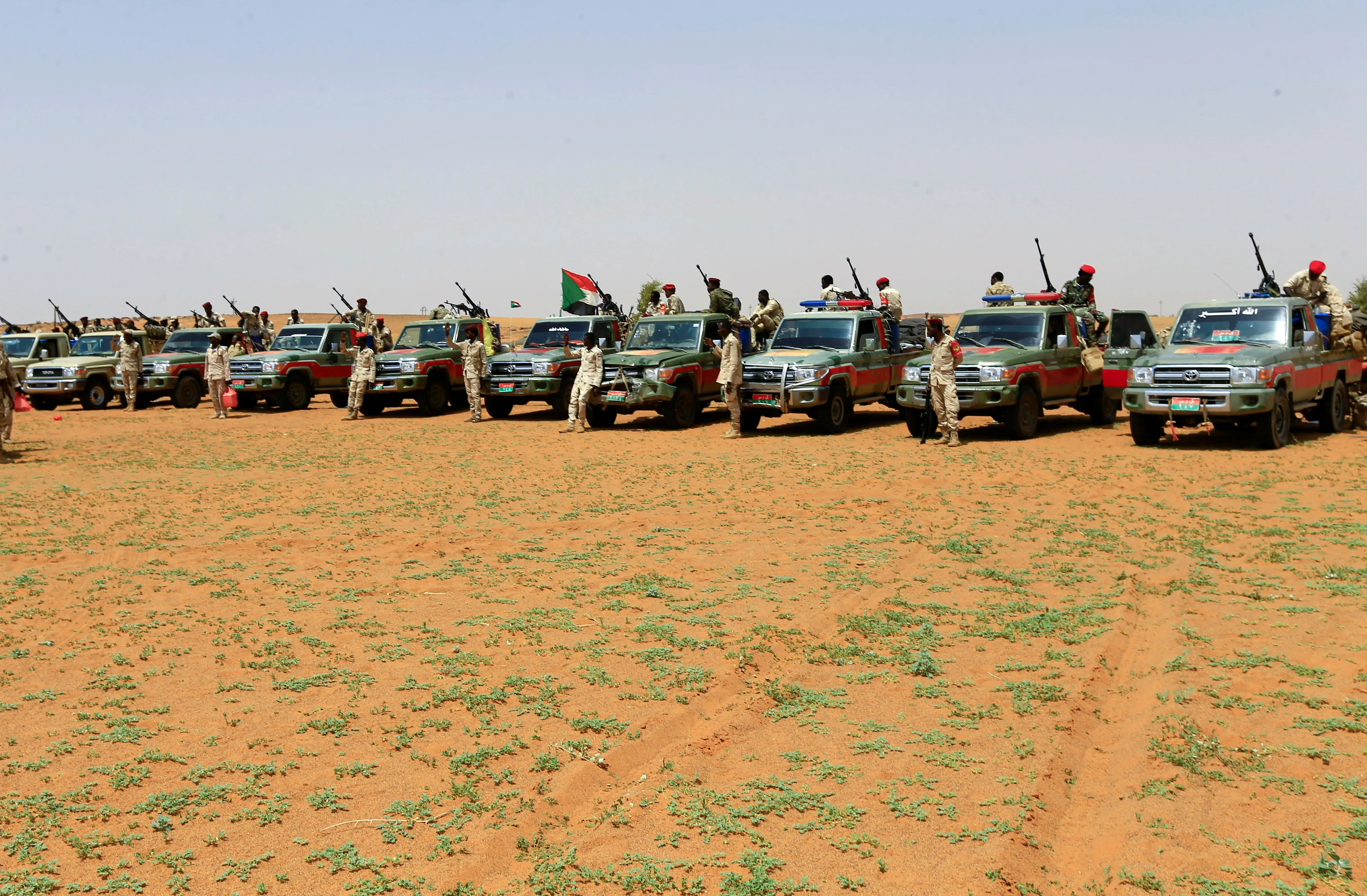
In the aftermath of Heglig’s fall, forces from the South Sudanese army moved into the area under an unprecedented tripartite arrangement involving the Sudanese army command, the Rapid Support Forces militia, and the presidency of South Sudan.
The move was intended to neutralize the oil facility and prevent it from becoming an open battleground whose repercussions could spill beyond Sudan’s borders.
Yet this deployment, despite its immediate tactical importance, did not alter a more fundamental reality. Heglig had effectively slipped from the grasp of the Sudanese state, and oil, which had represented the last quasi-stable source of revenue for the Port Sudan-based government, was now outside the equation of control.
With the loss of this resource, the government has become unable to secure sustainable financing for its military operations or to maintain even the minimum functions of the state.
By contrast, the Rapid Support Forces militia appear unconcerned, for now, with operating the field or exporting oil. It is sufficient for them to deny their rival this vital resource, turning it into a long-term instrument of attrition and strategic paralysis.
Militarily, the fall of Heglig granted the Rapid Support Forces militia a decisive logistical advantage. The area serves as a connective hub between Darfur and Kordofan, offering broad freedom of movement for troops and supplies, as well as strategic depth that enables a transition to more advanced phases of operations.
Indeed, the indicators are already pointing toward South Kordofan, specifically the towns of Kadugli, Dilling, and Abu Jubayhah.
These are areas where Sudanese army control intersects with the influence of the Sudan People’s Liberation Movement–North, a battlefield ally of the Rapid Support Forces militia within what is known as the “Foundational Sudan Alliance.”
In this context, the SPLM-N’s declaration on December 11, 2025, that the “liberation of Kadugli and Dilling is only a matter of time” was not mere mobilizing rhetoric. It reflected an operational conviction that control over Heglig and Babanusa constituted a preparatory step toward redrawing the map of control across Greater Kordofan.
Seizing these towns would, in practical terms, isolate what remains of the Sudanese army’s forces in North Kordofan and eventually open the road toward el Obeid, one of the most important military and economic centers in central Sudan.
Such a development would signal broader shifts in the balance of power and the trajectory of the war.
Turning Point
The political impact of Heglig’s fall extends far beyond a shift in the military balance. With more than 46% of Sudan’s territory, stretching from the far reaches of Darfur to western and southern Kordofan, now outside the army’s control, the very idea of a centralized state is beginning to erode.
The struggle is no longer confined to who controls Khartoum or Port Sudan. It has become a contest over who holds territory, resources, and the capacity to impose facts on the ground.
This shift opens the door to a “quasi-state” scenario, in which parallel authorities take shape, each with its own army, economy, and regional alliances, amid the international community’s inability to contend with a rapidly expanding sovereign vacuum.
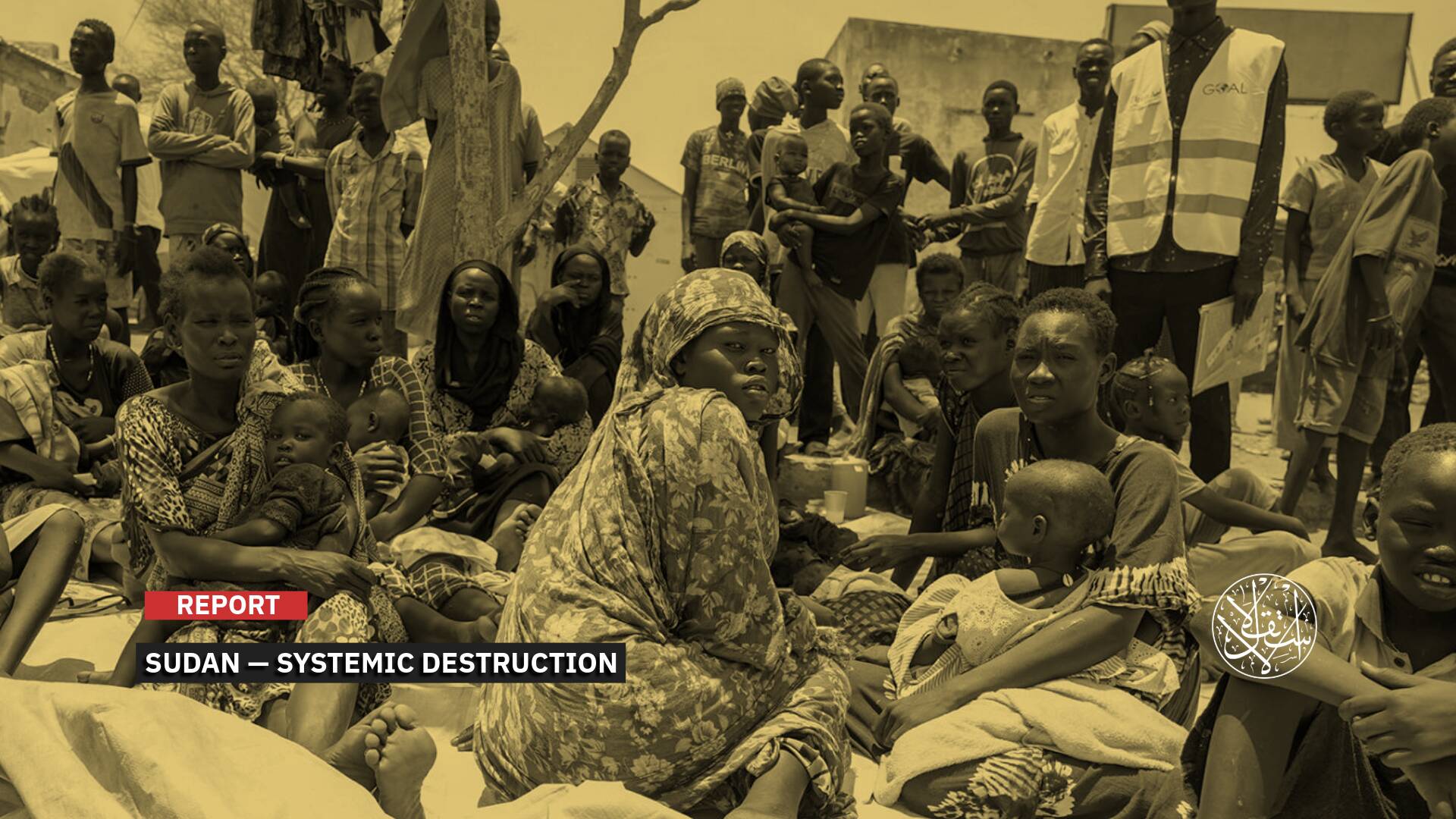
At the center of these transformations, civilians once again stand in the line of fire. Reports from South Kordofan point to a fast-deteriorating humanitarian situation, with fears that residents are being prevented from leaving besieged towns, raising the specter of a repeat of el Fashir and other Darfur cities.
There, urban centers were turned into sealed battlefields, with civilians paying the price of the conflict through killings and forced displacement.
In this context, the Sudanese politician Dr Ibrahim Abdel-Ati told Al-Estiklal that the capture of the oil city of Heglig by what he described as the “Janjaweed,” the Rapid Support Forces militia, represents a pivotal moment in the war’s trajectory.
It exposes a qualitative shift in the militias’ strategy, he said, one that goes beyond military conquest toward the reshaping of the country’s political and economic geography.
Abdel-Ati argued that the Rapid Support Forces militia’ control of Heglig fits into a continuous push that began in Darfur, passed through the town of Babanusa, and culminated in the oil areas of West Kordofan.
The objective, he said, is to open the road toward White Nile state and impose a de facto geographic divide that could isolate western Sudan from the east, with grave consequences for the unity and cohesion of the state.
He added that the extension of military operations from el Fashir in North Darfur to Babanusa and then Heglig reflects a clear drive to seize vital spaces and strategic resources, foremost among them oil.
Today, he noted, the theater of war spans more than 1.8 million square kilometers, making control over oil and gold-producing areas a decisive factor in the balance of power, particularly as the Sudanese army grapples with mounting logistical challenges in managing vast and fragmented fronts.
On the withdrawal of the armed forces from certain positions, Abdel-Ati said what occurred reflects the battlefield isolation facing army units in several theaters of operation, the result of weakened supply lines and the expanding scope of the fighting.
He argued that the real test in the coming phase will be the city of Kadugli in South Kordofan, as a command center that could determine the army’s ability to stabilize its defensive lines in the south.
Abdel-Ati warned that the militia’s control of oil regions opens the door to financing the war through informal channels, including smuggling.
Keeping these resources beyond the authority of the central government in Port Sudan, he said, would deepen divisions and grant the forces controlling western Sudan, backed by the United Arab Emirates, added leverage to impose a geographic and political reality separate from eastern Sudan.
He concluded with a stark warning that Sudan now stands at a dangerous crossroads, questioning whether civilian, political, and military pressure can still impose a course that halts this downward slide, or whether the country is drifting toward a slow fragmentation, one in which islands of influence governed by war and its economy take shape, while the very notion of the state recedes to its bare minimum.
Sources
- Sudan Now, Heglig in the hands of the Rapid Support Forces, a turning point in the war?
- South Sudan army to secure critical Heglig oilfield amid Sudan war spillover
- What does the Rapid Support Forces militia’s “control” of the Heglig oil region mean?
- South Sudanese army deploys to Heglig after Rapid Support Forces militia seize Sudan’s largest oilfields