A Secular Council to Represent Them; Macron Imposes 'French Islam' on the Country's Largest Communities
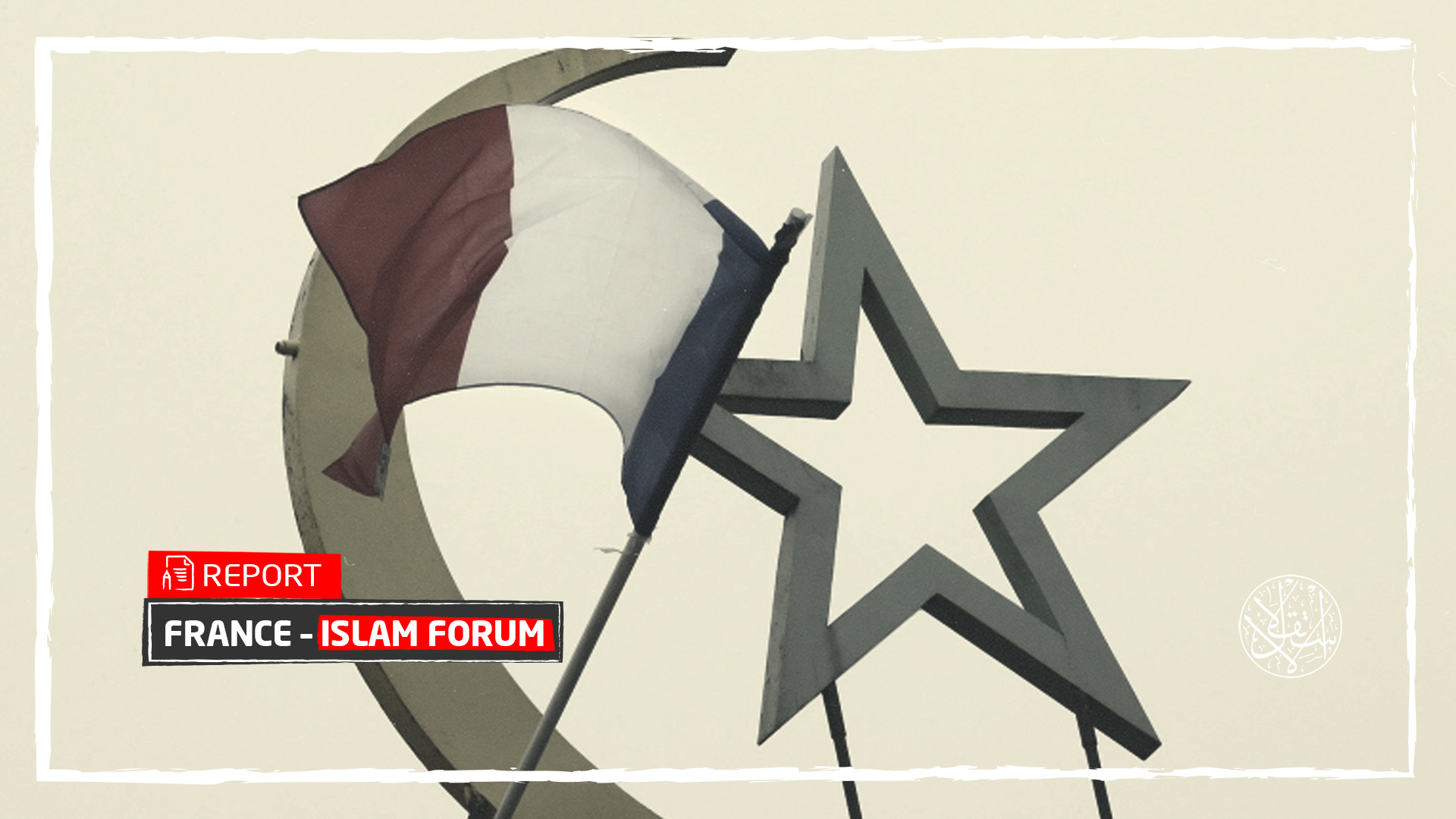
On January 9, 2022, the French government announced the formation of the Islam Forum in France, which is an entity that will represent the country's Muslims instead of the French Council of the Muslim Faith.
The announcement came a month after it announced on December 9, 2021 that it was in the process of establishing a new body called the Islam Forum, which would represent Muslims in the country, after what it called the inability of the French Council of the Islamic Religion to carry out this task after nearly 20 years of its establishment.
The French intervention came exploiting differences between the Islamic federations affiliated with the official Council of the Islamic Religion, over a secular charter of principles that President Emmanuel Macron sought to impose on Muslims.
France is one of the largest European countries in terms of the size of the Muslim community, and until mid-2016, about 5.7 million Muslims lived in it, which constitutes 8.8% of the total population, according to international statistics.
French Muslim Representative
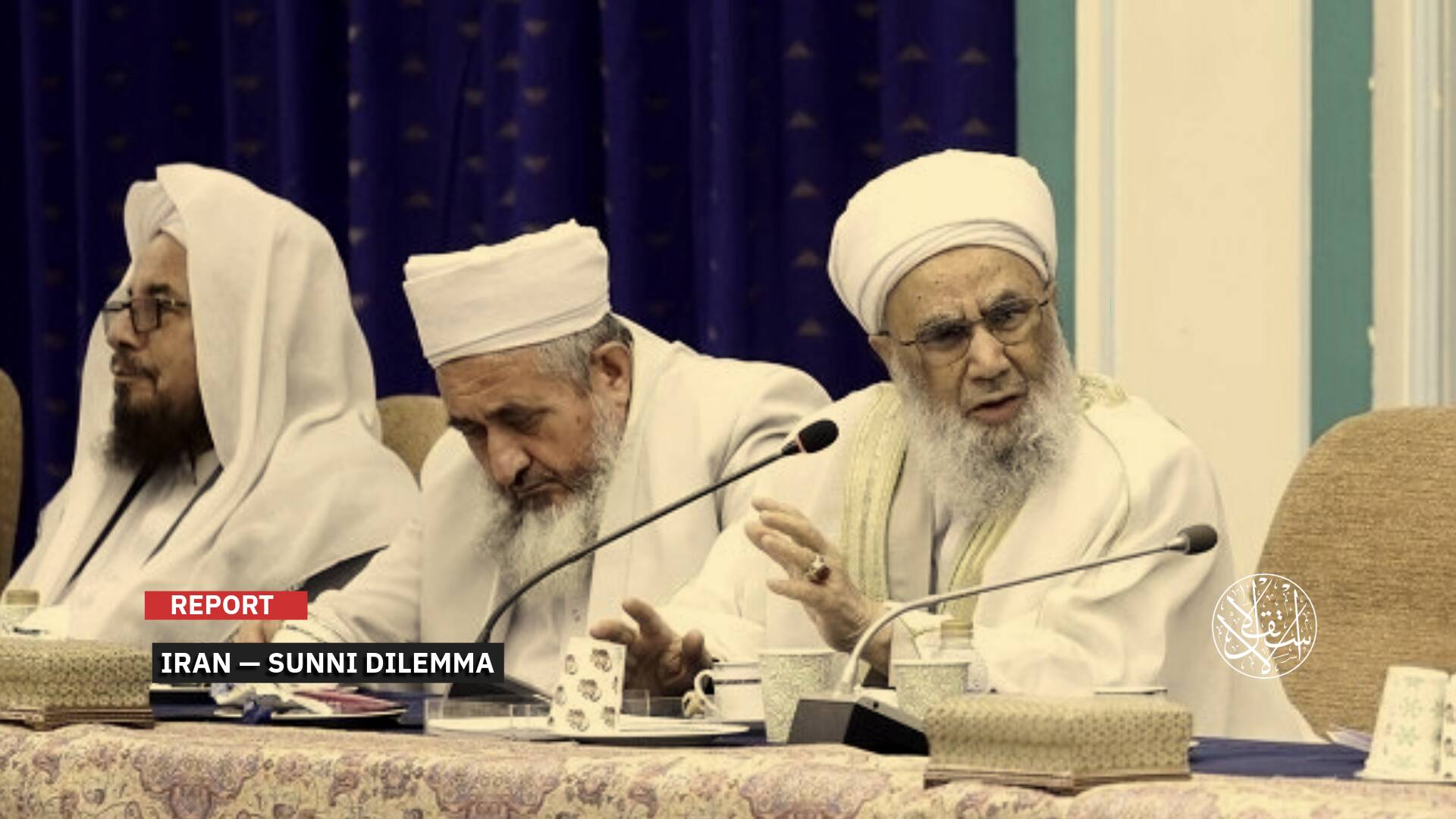
The Council of the Islamic Religion, established in 2003, is the main interlocutor and representative of Muslims before the French authorities, and is composed of about ten mosque unions, according to AFP on January 9.
The Council entered into a crisis in 2021 after Macron's government imposed on it the adoption of the Charter of Principles of French Islam, which imposes the principles of the republic (secular) on Islamic law, in the context of its fight against what it calls “Islamic isolationism.”
Three unions, two of them Turkish, refused to sign the charter, which led to a first split in the council.
After that, four unions, including the Grand Mosque of Paris, withdrew from its executive office and formed their own coordination.
The federations that reserved the charter reversed their decision and signed it at the end of December 2021, but the French Ministry of the Interior took advantage of the matter, and in the meantime considered that the Council was dead.
After losing control of the components of the Council of the Islamic Religion, the French government searched for a new mechanism that would enable it to control the Muslim community, which is the Islam Forum in France.
The danger of the new entity that will be inaugurated in February 2022 is that the French government wants it more compatible with its secular principles, even if it violates Islamic law, it seeks to sever the tie between the Muslim communities and their countries of origin.
This forum will be the third official entity representing the Muslims of France, after the Council of the Islamic Religion, which replaced the Council of Reflection on Islam in France (CORIF) in 1990, in the context of the desire of secular socialists to monitor the rise of Muslim power in the country.
‘French Islam’
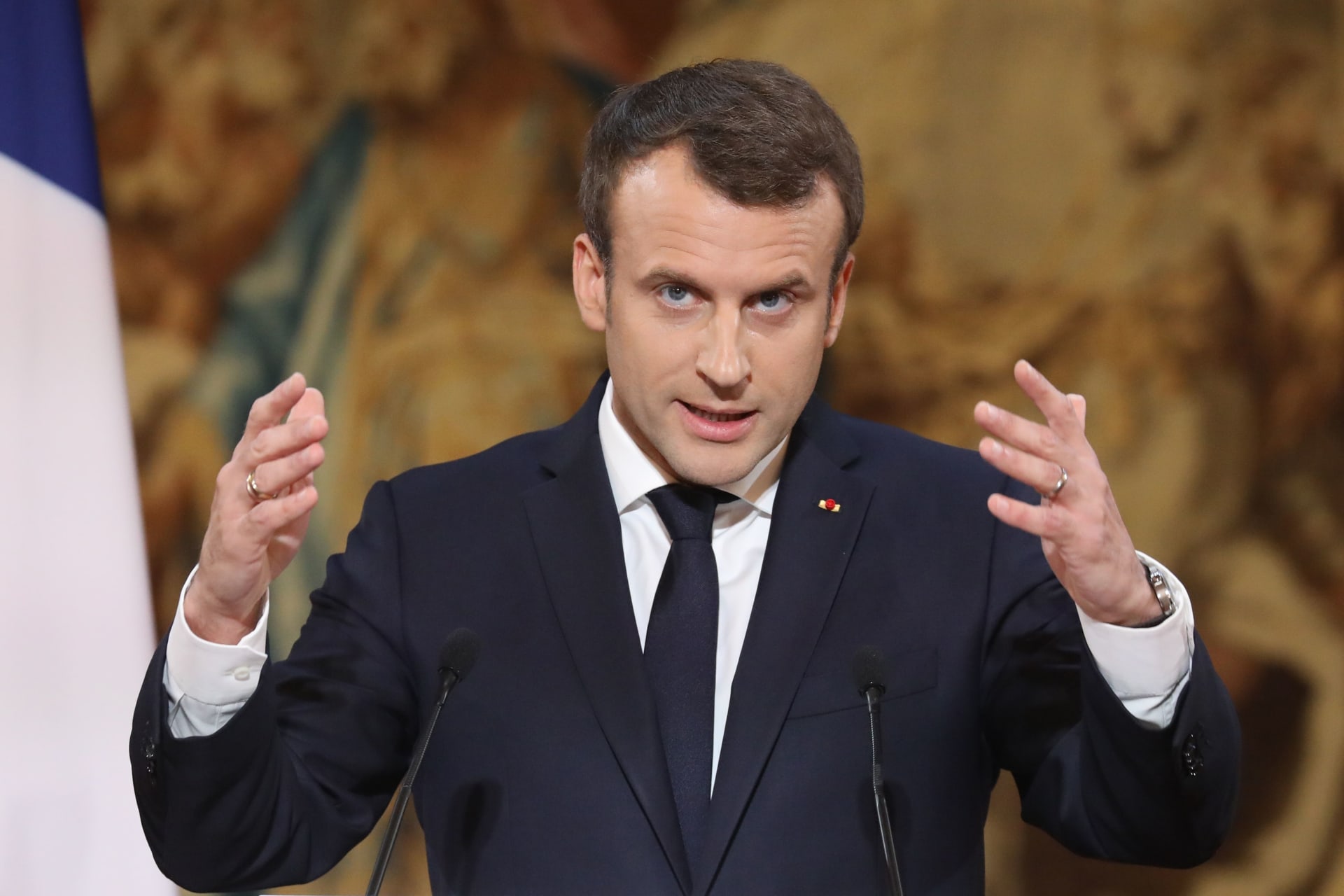
The split of the French Council of the Islamic Religion is due to several reasons, the most important of which are: Macron imposed the controversial Charter of Principles of French Islam, which some unions approved, while others rejected.
The principles rejected by several federations in the Council were: Equality between men and women, the compatibility of Islamic Sharia with the principles of the Republic, rejecting the relationship of Islam to politics, and the non-interference of foreign countries in the affairs of the community.
These four principles, which were formulated in a malicious manner, implicitly accuse Muslims of extremism, exploiting religion in politics, and disrespecting women, as well as accuse Turkey and the Maghreb countries of interfering in the affairs of Muslims because they train and send imams who reject secular principles.
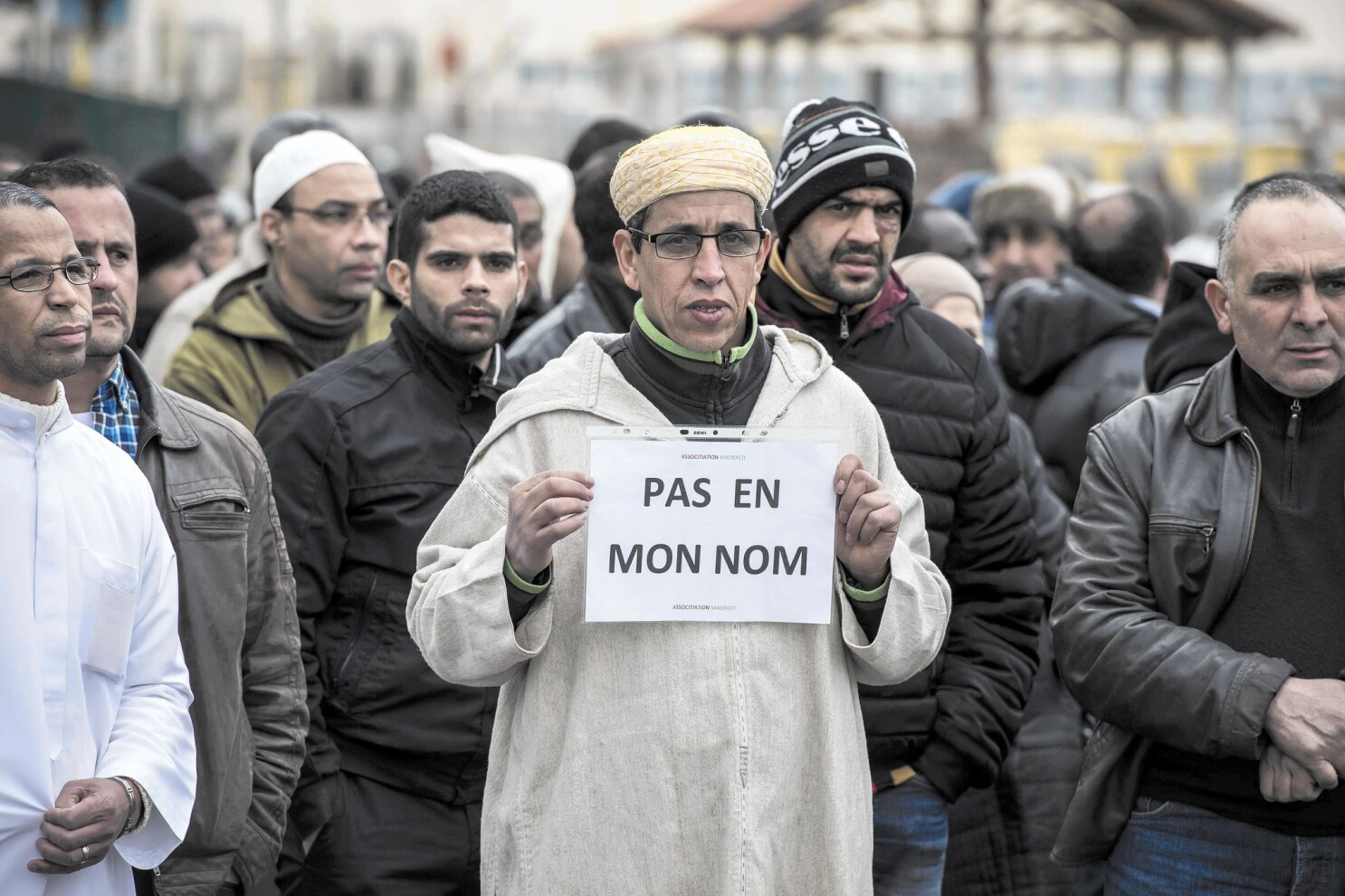
Therefore, the unions that reject the charter affirm that some articles affect the honor of Muslims and have an accusatory and marginal character, and objected to the definitions of external interference and political Islam.
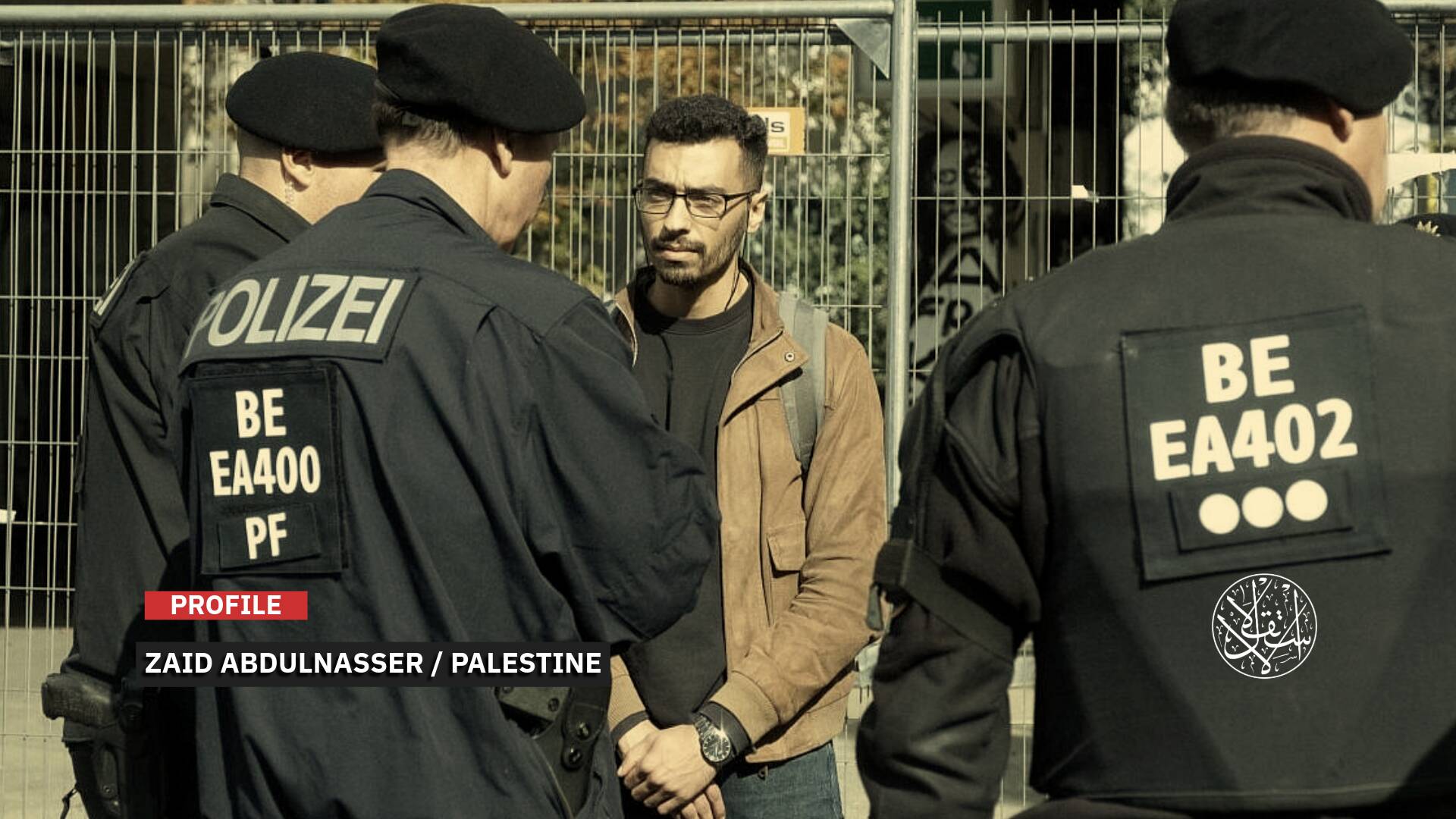
After this split, the French Ministry of the Interior announced that it no longer recognizes the French Council of the Muslim Faith.
Mohammed Moussaoui, the head of the council, supported this announcement, and said in an article dated January 7, 2022 that “the council is no longer viable, and should dissolve itself.”
Moussaoui also supported the government's initiative to organize the Islam Forum in France.
Before that, Macron met at the Elysee Palace with Muslim leaders on January 05, to determine the function of this forum, and said that he would return to meet them on February 02, 2022, when the forum was inaugurated.
About 100 Muslim officials and imams will participate in the forum to discuss 4 topics: Organizing worship, preparing and training imams, and combating anti-Muslim actions, and respect for the principles of the republic, according to AFP.
Forum Goal
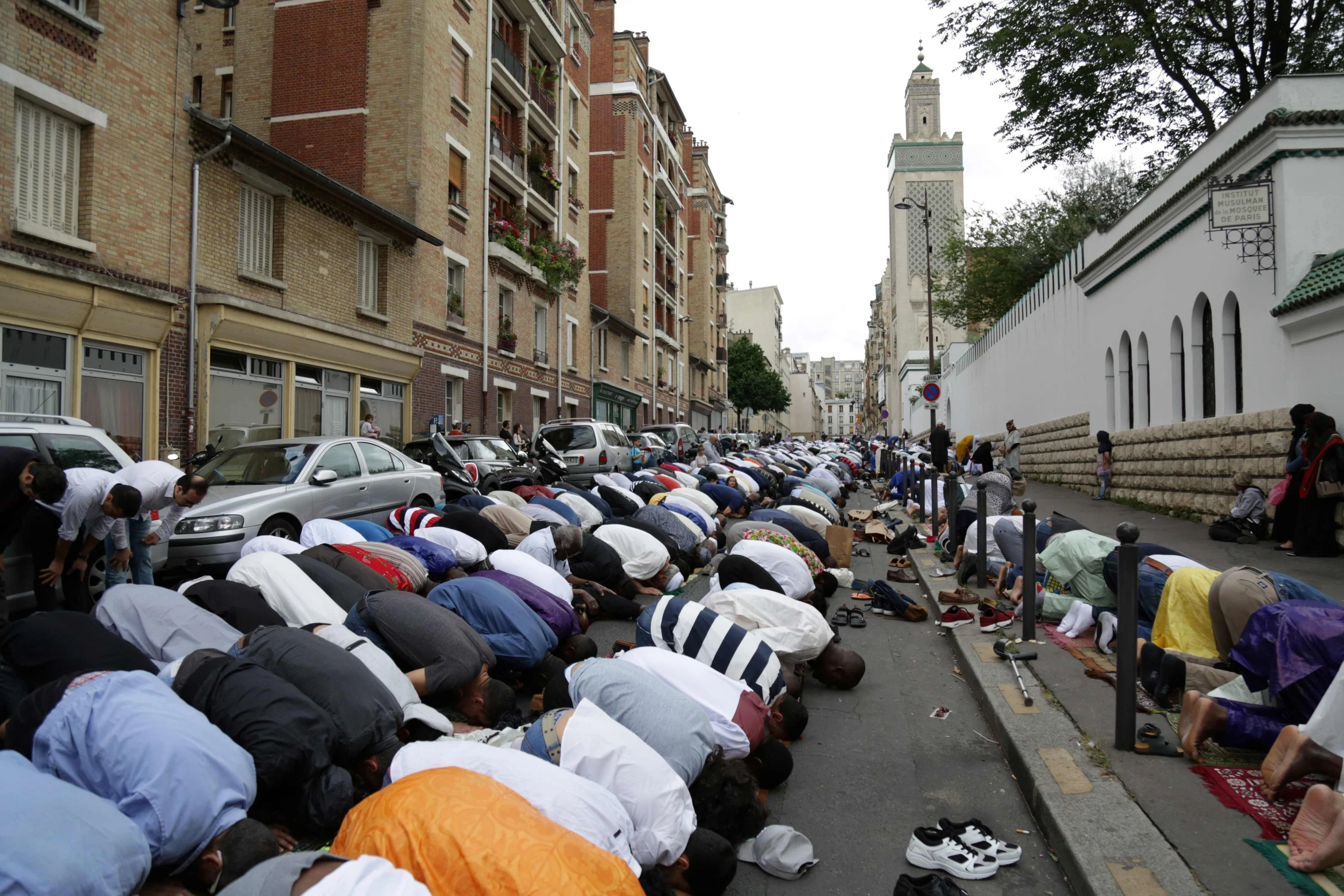
On its part, L'Opinon newspaper saw in a report on January 9, 2022 that “the new-born entity, that the French authorities are preparing, aims to remove the current representative bodies of the Islamic religion, and seeks to create new bodies in line with French society.”
This means the expulsion of representatives of mosque federations belonging to the countries from which the Muslim communities in France originate, most notably Algeria, Turkey and Morocco, which undertakes the training and payment of the wages of the largest mass of imams, to sever the connection between members of the community and their countries of origin.
L'Opinon summed up this battle by saying: “Interior Minister Gerald Darmanin seeks to create a new representative system for Muslims aimed at finding new players and limiting the influence of foreign Islamic countries.”
“French Prime Minister Jean Castex aims to use the Islam France Forum as an exploratory workshop, in order to choose the future cadres of Islam in France who will be the arms of the state on the ground,” it stated.
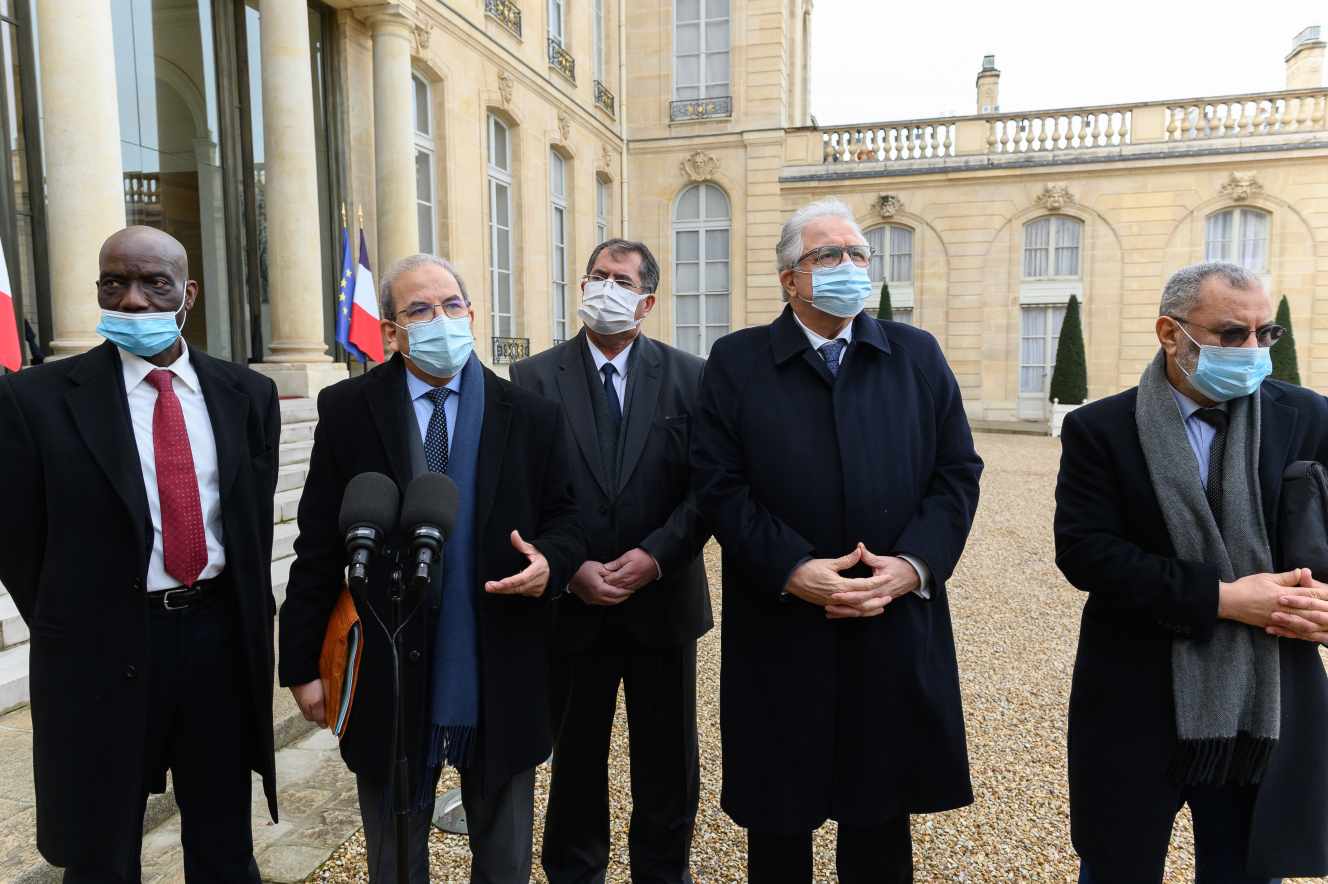
On its part, Le Monde newspaper considered on January 07, that the aim of the Islam Forum in France is to restructure the Islamic faith.
“The French Ministry of the Interior is in charge of this file in order to form a forum that expresses the Muslims of France, led by local French leaders, not Muslims from the Maghreb countries or Turkey,” it said.
The Journal du Dimanche newspaper described the forum as a new governance and structure for the Islamic faith in France.
In a report dated December 25, 2021, it stated that “the goal set by the French authority was to create an Islam more consistent with the laws and values of the (secular) republic.”
“The government wants to eliminate foreign imams, and work with those who respect the values of France and comply with the fundamental principles of secularism and freedom of expression,” it explained.
France wants to prevent any funding for French Muslims that comes through Turkey or the Maghreb countries.
Indeed, the Muslims of France sought to please the Paris government by trying to finance the Council of the Muslim Faith from internal economic activities, such as the halal market, fundraising, and organizing Hajj, but these attempts were unsuccessful.
Franck Fregosi, director of the French Center for Scientific Research, attributed the failure to the fact that “the French Council of the Muslim Faith did not have a budget of its own that would allow it to launch major projects, and because it represents only a little less than 50 percent of nearly 2,500 mosques in France (according to official figures), according to the AFP.
Muslim Disagreements
Although the main reason for the disagreements of the Muslims of France and the division of their unions was the intervention of Paris to impose an ideological pact, binding them to its secular values and preventing the recruitment of imams from Turkey or the Maghreb, but internal differences also have an impact, most notably the tension between Algeria and Morocco.
There is an old Algerian-Moroccan rivalry over the leadership of the Muslims of France, a dispute occurred between the representatives of the two communities in 2013 over the appointment of the head of the Council of the Islamic Religion, because the Algerians demand the appointment of their candidate Shams El-Din Hafeez.
The Moroccans threatened to withdraw because Hafeez is the lawyer of the Polisario Front, which disputes over the Sahara issue, and the matter ended with the appointment of the Moroccan, Mohammed Moussaoui.
In 2018, a dispute erupted between the two communities over the leadership of the Grand Mosque of Paris, as the Moroccans protested against the selection of Dalil Boubakeur, a Frenchman of Algerian origin, as a dean.

The conflict recently escalated between Algeria and Morocco, which culminated in the severing of relations on August 21, 2021, this was also reflected in the differences among French Muslims over Macron's plan to impose the Charter of Secular Principles, which increased the clash of the Moroccan and Algerian federations over the new forum.
The Council of the Islamic Religion in France is led by the Moroccan Mohammed Moussaoui, and the Paris Mosque, which withdrew from the council, is based on the Algerian Shams El-Din Hafeez.
Sources
- France announces the formation of a forum for Islam [Arabic]
- The executive relies on the Islam forum in France to restructure the Muslim faith [French]
- How Gérald Darmanin is reorganizing Islam in France [French]
- Charter of Islam of France: three federations decide to sign [French]
- Towards a new governance for the Muslim faith in France [French]