After the Southern Transitional Council’s Power Is Curbed, Is Tarek Saleh Next in Yemen?
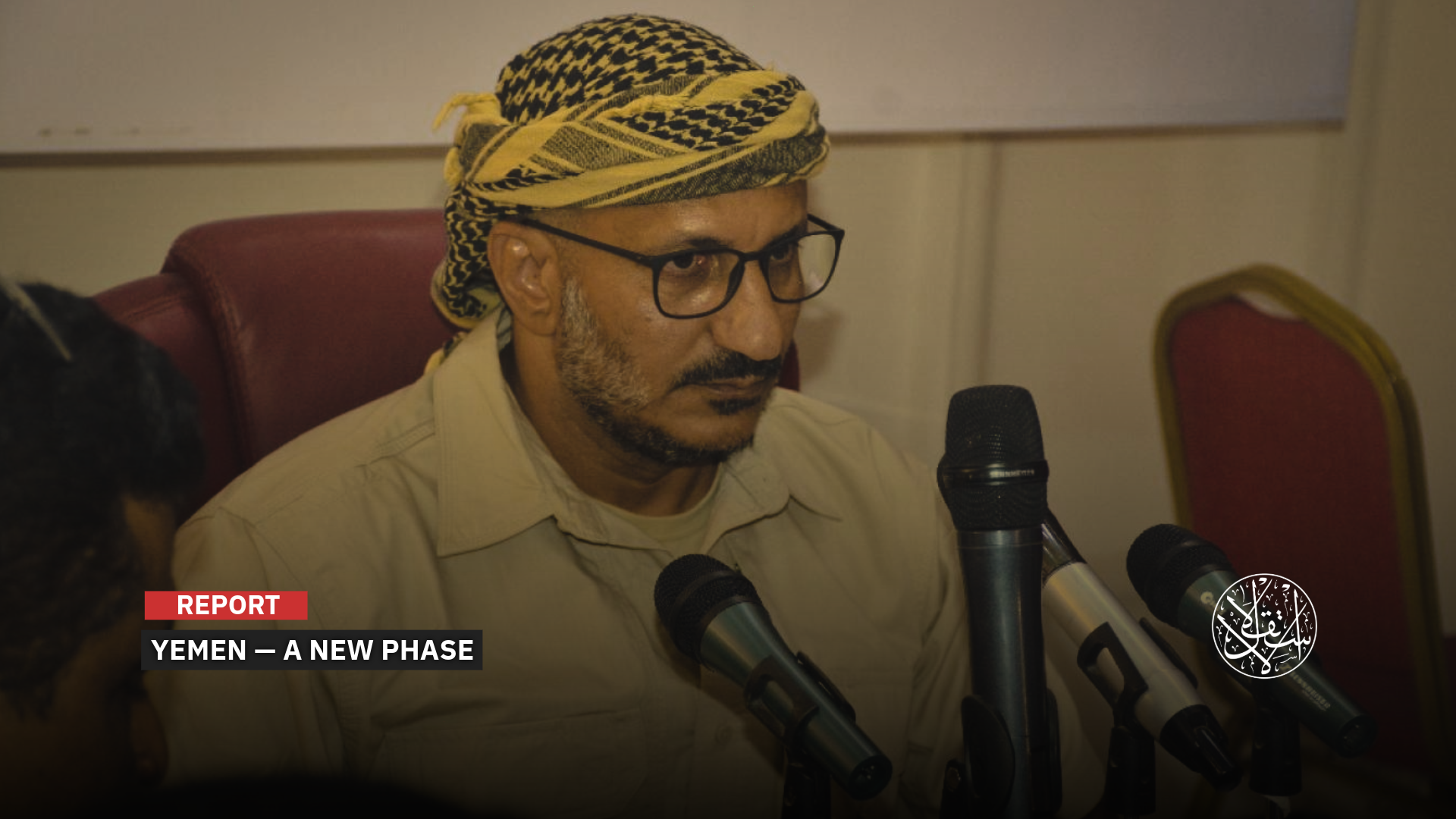
Saleh commands the National Resistance Forces, also known as the Republican Guards, which are deployed along Yemen’s western coastline.
Recent shifts in Yemen’s political landscape suggest the country is entering a new phase, marked above all by a distinctly Saudi-led recalibration of how the Yemen file is managed, following the retreat of the Emirati role that shaped the Arab coalition’s trajectory for nearly a decade.
The shift reflects a Saudi drive to reengineer Yemen’s political and military architecture through a different lens, one that pares back the influence of former partners and recentralizes decision-making in Riyadh.
Against this backdrop, the curbing of the UAE-backed Southern Transitional Council (STC) has emerged as a pivotal move, opening wider questions about the fate of other forces tied to the Emirati project, foremost among them the National Resistance Forces council led by Tarek Mohammed Abdullah Saleh along Yemen’s western coast.

The Western Coastline
Since the establishment of the political bureau of the National Resistance Forces (NRF) in March 2021, Tarek Saleh has emerged as a figure seeking to combine political legitimacy with an independent military force. His standing was further reinforced in April 2022, when he was appointed to Yemen’s Presidential Leadership Council with clear backing from the United Arab Emirates (UAE).
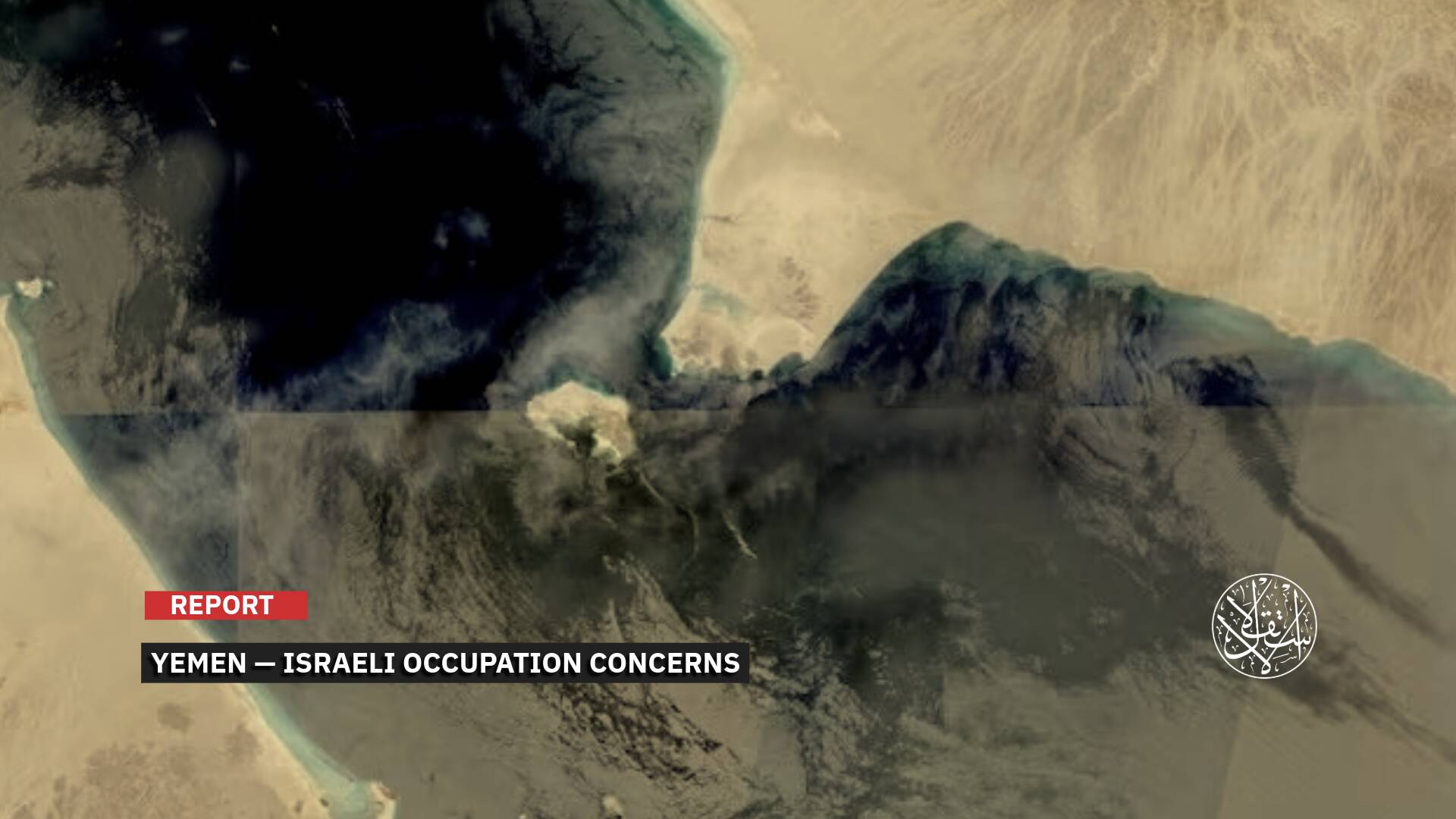
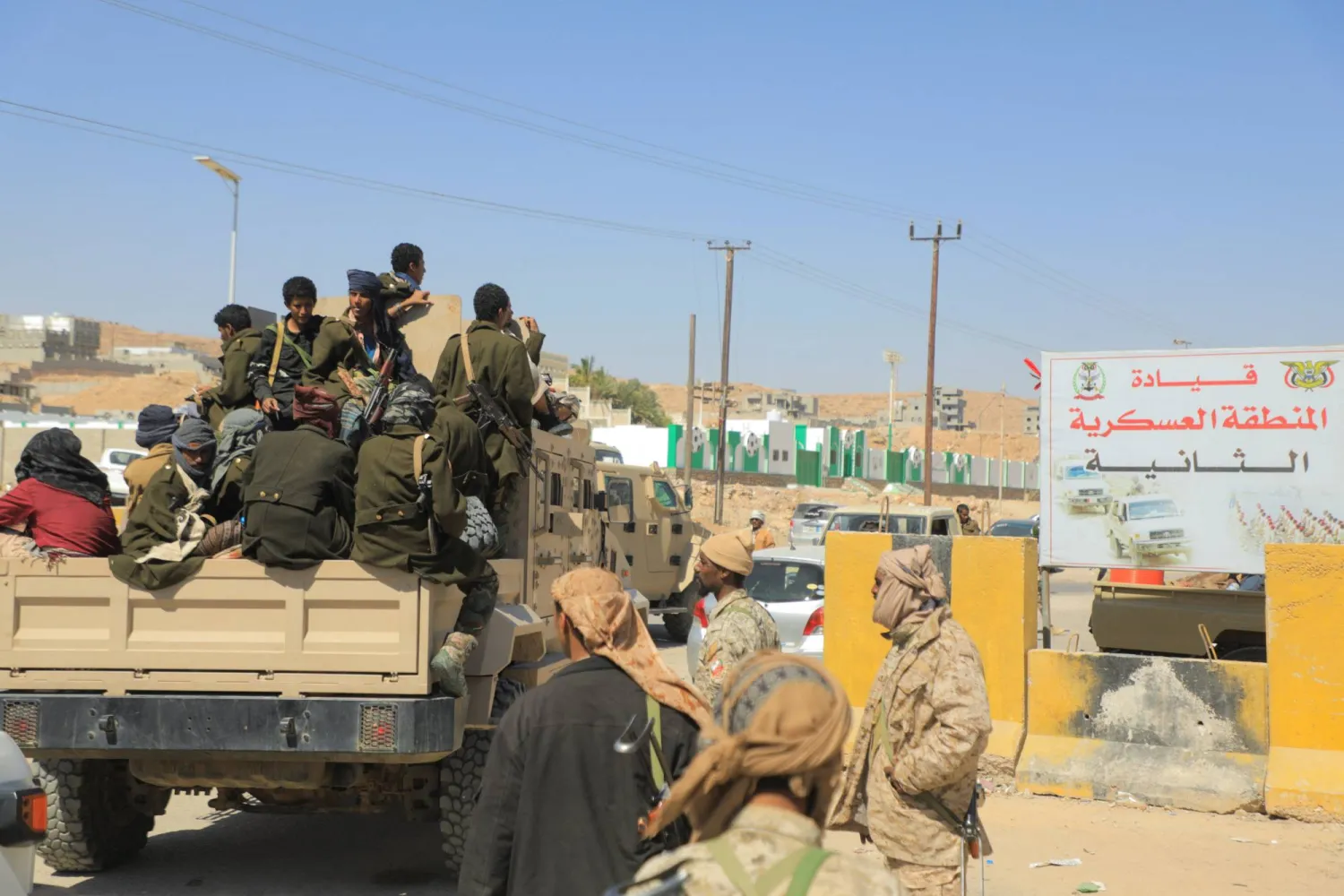
Saleh commands the NRF, also known as the Republican Guards, deployed along Yemen’s western coastline. Their footprint extends into key Red Sea corridors, including Bab al-Mandab and the islands of Mayyun and Zuqar.
International media reports and investigative journalism have linked these forces to a broader Emirati sphere of influence in the Red Sea, aimed at securing maritime routes through a network of bases and ports stretching from Yemeni islands to the Horn of Africa. That network has reportedly included an Israeli technical and intelligence presence, encompassing surveillance and early-warning systems.
Implementation of this project was outsourced to local actors, notably the STC and Saleh’s forces, reducing the direct political cost for Abu Dhabi and its partners.
On the military front, reports have cited undisclosed meetings between Tarek Saleh and U.S. and Israeli officers in Djibouti, brokered by the UAE, where Red Sea security arrangements were discussed, including a potential role for his forces in safeguarding shipping lanes. Leaks have also pointed to efforts to establish Israeli monitoring facilities on Mayyun Island at the Bab al-Mandab strait.
Politically, the UAE worked to promote an alternative narrative within Western capitals, particularly Washington, framing a unified Yemeni state as unviable, while advocating engagement with local power brokers and de facto arrangements as a more pragmatic and less costly option.
That approach has helped shift international debate away from restoring the Yemeni state toward managing fragmentation and competing centers of power, without openly declaring separatist projects that would carry direct legal and political costs.
High Sensitivities
Historically, Saudi policy toward Yemen has been marked by acute sensitivity to questions of political loyalty and the independent military power of local actors. The experience with former president Ali Abdullah Saleh—and its eventual outcome, his alliance with the Houthis and Iran—remains a deeply negative reference point in Saudi strategic thinking.
For 33 years, from 1978 to 2011, Saudi Arabia was the principal political and financial backer of Saleh’s regime. The memoirs of the late Sheikh Abdullah bin Hussein al-Ahmar recount that Riyadh played a decisive role in ushering Saleh into power after the assassination of President Ahmad al-Ghashmi in 1978, applying political pressure and providing extensive financial support to secure the backing of Yemen’s tribal leaders.
That support later continued through monthly stipends paid by Saudi Arabia’s so-called Special Committee to Saleh and to other Yemeni political and tribal elites. The relationship, however, was severely shaken by Saleh’s support for Iraq during the invasion of Kuwait before being partially repaired with the signing of the 2000 Treaty of Jeddah.
When the 2011 uprising erupted, Saudi Arabia moved to rescue Saleh politically through the Gulf Initiative, which guaranteed him immunity and a safe exit from office. Yet Saleh never truly left the scene. Instead, he leveraged the influence of the “deep state” to forge counter-alliances, ultimately aligning with the Houthis and Iran, turning Yemen into a direct security threat to Saudi Arabia.
That shift marked a definitive rupture with Riyadh, which lost trust in Saleh. The break was reflected in later decisions, most notably Saudi Arabia’s refusal to host him at the funeral of King Abdullah bin Abdulaziz in 2015 and its rejection of an offer made by his son Ahmed on the eve of Operation Decisive Storm. The proposal included turning against the Houthis and expelling them in exchange for lifting international sanctions on Saleh and backing his return to power.
The estrangement left Saleh to his fate, ending with his killing by the Houthis in December 2017.
Against this backdrop, Tarek Saleh is increasingly viewed in similar terms, having, in Saudi eyes, reproduced elements of the same trajectory through his clear alignment with the Emirati project at the expense of Saudi priorities.
From the early stages of the UAE-backed STC’s moves in Hadramawt and al-Mahra, Saleh sided with it, downplaying the danger of those movements as a mere “reordering of the battlefield.” He also joined figures aligned with Abu Dhabi within the Presidential Leadership Council in signing a statement rejecting decisions by the council’s chair, describing them as unilateral.
At the institutional level, Tarek Saleh has continued to resist integrating his forces into the ministries of defense and interior, maintaining an independent intelligence apparatus led by his brother Ammar, at odds with efforts to unify the state’s security architecture.
Given Riyadh’s hard-learned lessons from Ali Abdullah Saleh, this alignment is anything but a footnote. It has become a key lens through which Saudi leaders are judging Tarek Saleh’s future—and a political and military role that is now firmly under the spotlight.
Impending Shifts
Saudi Arabia is undertaking a comprehensive reset of Yemen’s political and military landscape as part of strategic preparations for anticipated changes likely to redraw the country’s political and military map and redistribute the roles of local actors under a new Saudi vision for managing and resolving the conflict. This shift is unfolding along two parallel and mutually reinforcing tracks: political and military.
On the political front, the announcement dissolving the STC marked a foundational step toward a new process for addressing the southern question under direct Saudi sponsorship. Saudi Defense Minister Prince Khalid bin Salman stated that the southern issue has entered a phase of an actual political process overseen by the kingdom and backed by the international community.
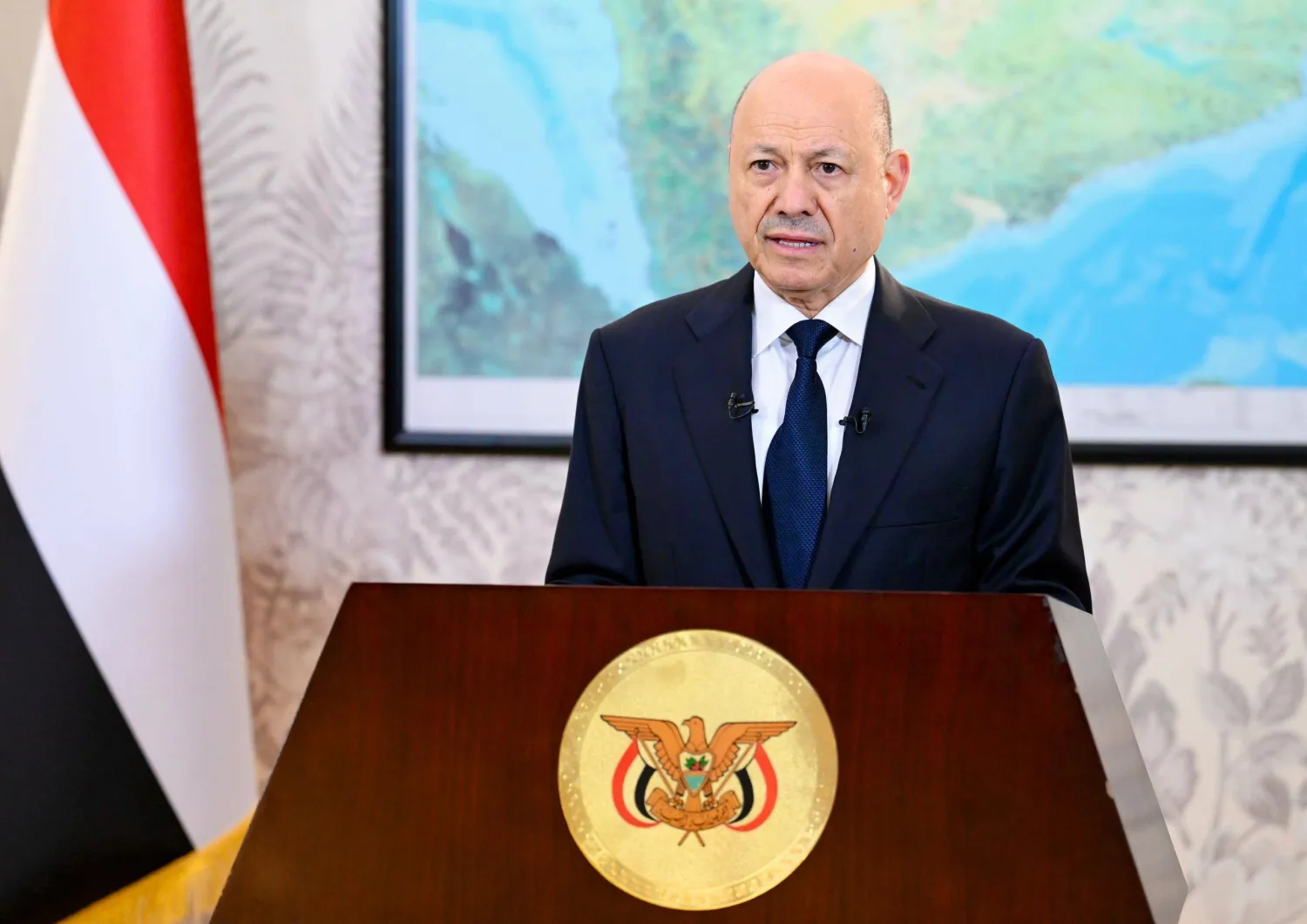
Militarily, the chair of the Presidential Leadership Council, Rashad al-Alimi, announced the formation of a Supreme Military Committee (SMC) under the leadership of the Coalition to Support Legitimacy. The SMC is tasked with preparing, equipping, and commanding all military forces and formations.
The move is intended to unify military decision-making and raise the combat readiness of state institutions, paving the way for the restoration of state authority and institutions.
According to analysts, the decision forms part of a broader Saudi effort to unify and integrate all armed formations, including the forces led by Tarek Saleh, which had previously been linked to the Emirati role. The approach is also widely understood as preparation for a potential confrontation with the Houthis should they reject the negotiated track.
In what amounted to an indirect but strategically charged message to Tarek Saleh’s forces, the head of the Presidential Leadership Council warned that the persistence of security chaos, the proliferation of power centers, and the legitimization of weapons outside the authority of the state create ideal conditions for the growth of extremist groups, producing gray zones in which militias of all stripes intersect with the objectives of terrorist organizations.
Tarek Saleh now faces a clear political and military equation with only two possible outcomes.
The first option is to accept the restructuring of his forces and their gradual integration into official military formations under the Ministry of Defense—effectively dismantling his independent military and security apparatus in exchange for political incorporation within the state framework.
This path has been reinforced by notable developments along the western coast of the Taiz governorate, where oversight of Tarek Saleh’s forces in the port city of Mokha shifted from Emirati management to direct Saudi supervision, a move carrying clear strategic significance in the broader effort to redirect military roles toward restoring the Yemeni state rather than managing fragmentation.
The second option entails the gradual curtailment and dismantling of Tarek Saleh’s military and political influence should he refuse full integration into the official military structure.
Under this scenario, the kingdom may temporarily retain some of Saleh’s forces, given the sensitivity of their deployment locations along direct front lines with the Houthis and for interim balance considerations vis-à-vis the Islah party.
This would then lead to a gradual dismantling of these forces, with their redistribution and integration into Ministry of Defense units, aligning with the goals of a unified military command and the strategic demands of the next phase.
Sources
- How the UAE Lobby Shifted the Debate from Restoring the State to Managing Division [Arabic]
- The Ties Between the Southern Transitional Council, Tarek Saleh, and Israel and Yemen’s Role in the UAE-Backed Normalization Project [Arabic]
- Saudi Arabia Refuses to Receive Former President Ali Abdullah Saleh [Arabic]
- Exclusive to al-Arabiya: Saudi Defense Minister Meets with Saleh’s Son [Arabic]
- Investigation: After the Announcement to Dissolve the Southern Transitional Council, Zero Hour Slowly Approaches for Dismantling ‘Tarek’s State’ in al-Mokha [Arabic]
- Tarek Saleh’s Forces Shift from UAE to Saudi Oversight on the Western Coast: A Step Toward Reintegration into State Institutions [Arabic]