Why is Al-Sisi Currently Building New Prisons in Egypt?
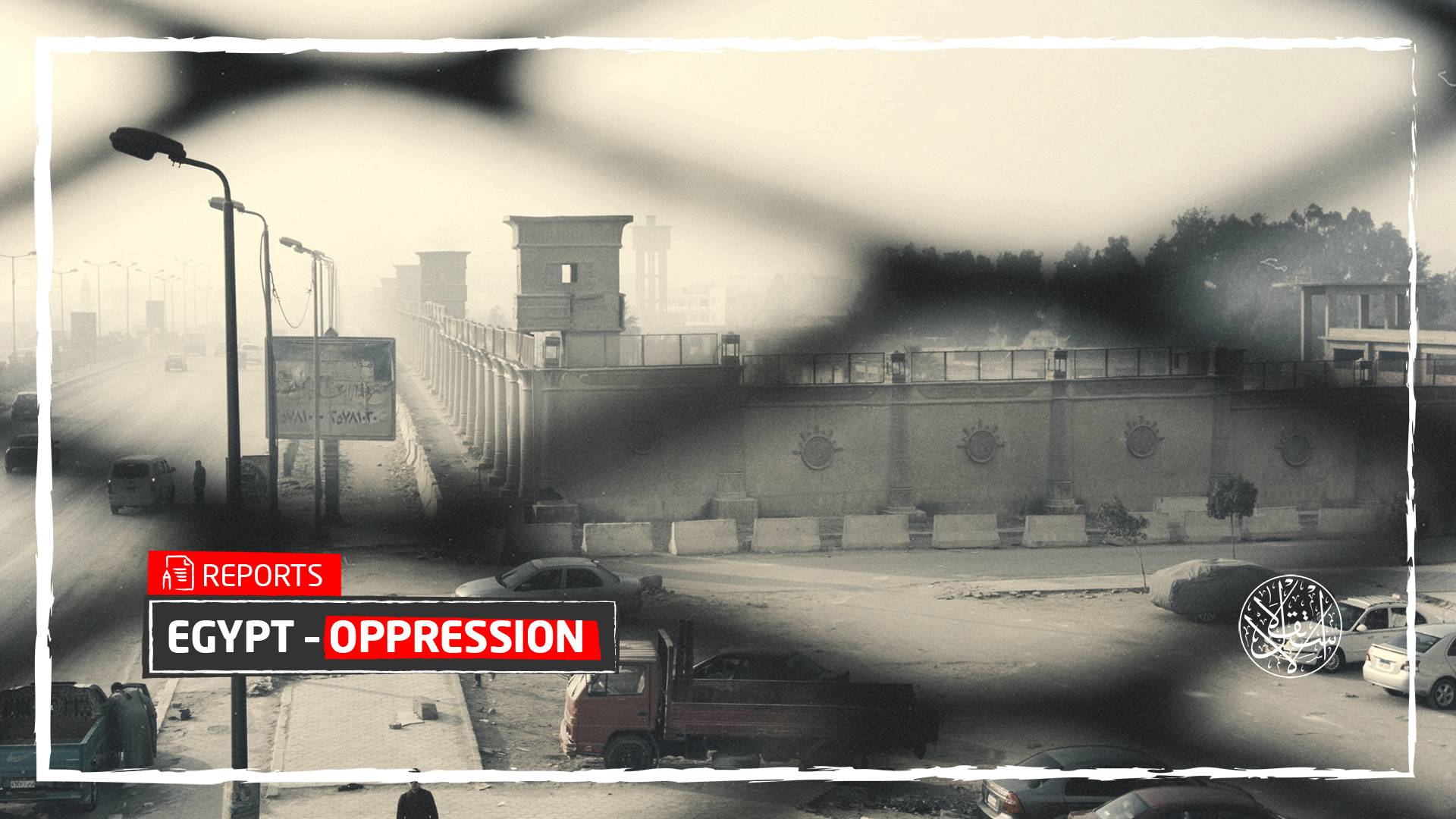
In a decision that became commonplace and repeated every year, Egyptian Interior Minister Major General Mahmoud Tawfiq ordered the establishment of eight new central prisons, implying an increase in the number of prisoners and detainees and the failure to accommodate existing prisons, places of detention and sub-detention facilities.
The Egyptian newspaper “Al-Waka’e”, the official newspaper, published four decisions issued by the minister to establish the eight prisons in four provinces.
The decision brings the number of public prisons in Egypt to 87, of which 43 were built before the 2011 revolution, and 44 as of June 2021 to accommodate opponents of Abdel Fattah al-Sisi's regime, according to human rights reports.
Following the 2011 revolution and the subsequent military coup in 2013, the ruling authorities expanded the construction of prisons, and nearly three new ones were being built annually, according to human rights organizations.
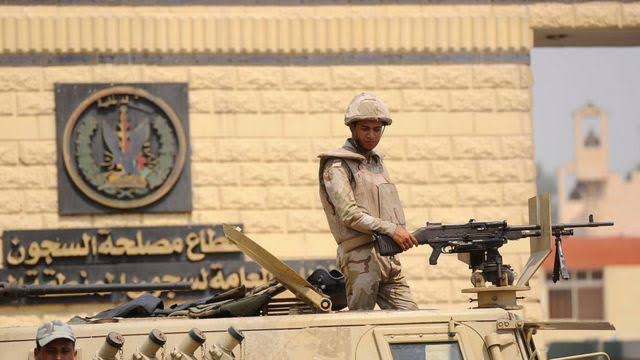
New Prisons
"Why is Sisi building new prisons and not building factories, schools and hospitals?" asked rights activists and activists.
They also wondered: Is the increased establishment of prisons a human rights indicator of the continued increase in detainees? Or a political indication of a period of congestion and public anger that the authorities are preparing for?
Or are they preparations by the authority in anticipation of living and existential crises such as water scarcity after filling the GERD, by building more prisons to accommodate angry Egyptians?
Article 1 of the Prisons Act No. 396 of 1956 specified four types of prisons in Egypt: Limans (for those sentenced to aggravated life imprisonment) and public prisons (for those who start their imprisonment from three months to life for 25 years).
In addition to central prisons (Remand prisoners) and private prisons (for certain groups such as officers and judges held to distinguish them from others).
Overall, there are an estimated 504 detention facilities in Egypt, 122 central prisons in the provinces (excluding Cairo) and 320 in police stations, besides hundreds of other detention facilities in security camps and interrogation facilities.
With nearly 3,000 prisoners in the past, the new prisons have been expanded to accommodate 15,000 prisoners, such as Jamsa and Minya prisons, ANHRI reported September 5, 2016.
Two ANHRI reports monitored the increase in the number of public prisons, the first after the 2011 revolution to 2016, and the second from 2016 to April 2021.
"There is room for all ... Egypt's prisons before and after the January Revolution, issued on September 5, 2016, put the number of major prisons at 43 before the revolution, rising to 62 after building 19 in the same year.
He explained that these 19 new prisons were built, including one during the SCAF’s rule, two during President Mohamed Morsi's rule, and 16 under Sisi until September 2016.
According to this information, from 2011 to April 2021, 35 new prisons had been built.
On April 8, 2021, One prison was added in the southern Egyptian city of Minya, bringing the number to 36.
On June 6, 2021, the Interior Minister decided to build two new prisons in southern Egypt's Qena governorate, bringing the number to 38.
The interior minister's last decision on June 23, 2021, to build six new prisons brought the number of new prisons after the 2011 revolution to 44, a total of 87 (before and after the revolution).
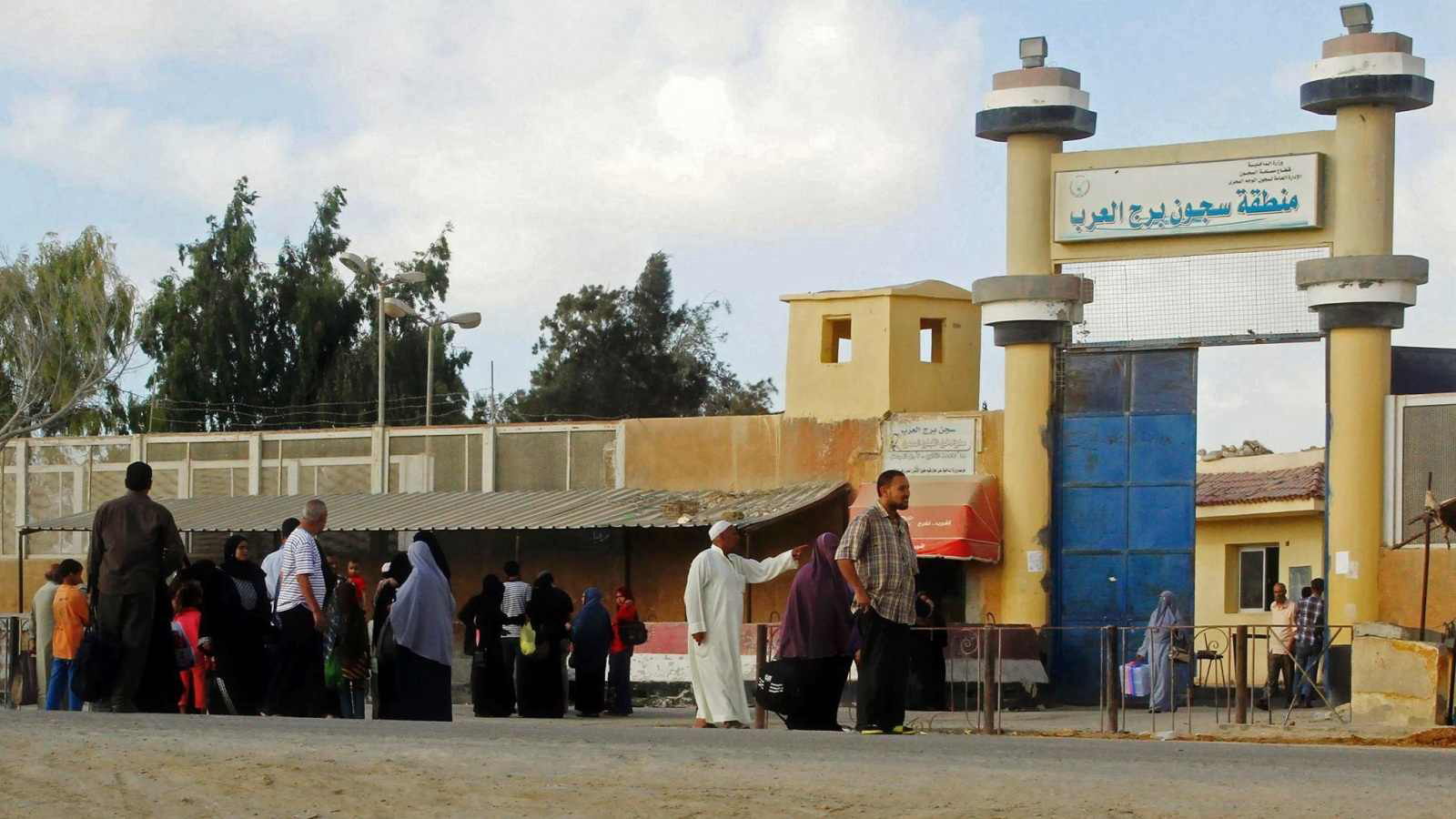
Overcrowding and Suffocation
In its April 11, 2021 report, the Arabic Network for Human Rights Information estimated the number of prisoners held in pretrial detention and detention in Egypt as of the beginning of March 2021 at about 120,000.
"Some 65,000 of them are detainees and political prisoners, about 54,000 prisoners and criminal prisoners, and about 1,000 detainees we have not been able to find out why they are being held," it said.
In a statement on concerns about Corona's spread in overcrowded Egyptian prisons, the UN High Commissioner for Human Rights said April 3, 2020, that there were "more than 114,000 prisoners in the country."
Prisons and detention centres in Egypt are often overcrowded, unhealthy and under-resourced, as detainees are routinely denied adequate medical care and treatment, it said.
"While the Ministry of Interior provides care, entertainment and services to those accused of belonging to the former regime or accused of financial and corruption cases, opposition political prisoners or dissidents of the January revolution are being abused," said Jamal Eid, director of the Arabic Network.
He told al-Estiklal: "They are abused, repressed, and deprived from many rights guaranteed to them by the Constitution and the law, such as visits, foods, telephone calls and health care, and are denied access to their re-imprisonment sessions”.
At a conference held by the National Council for Human Rights (Governmental) on July 3, 2016 to announce the "2015/16 Annual Report on the Human Rights Situation in Egypt," it said that prison overcrowding is 150 percent.
However, a report by the Egyptian Coordination of Rights and Freedoms from January 2015 to May 2016 stated that the Interior Ministry had declared that "overcrowding in places of detention has reached 400 percent."
Several other human rights reports have pointed to the phenomenon of overcrowding in prisons and police departments, confirming that it is a common and old phenomenon but has increased harshly due to arbitrary arrests since the 2013 coup to date.
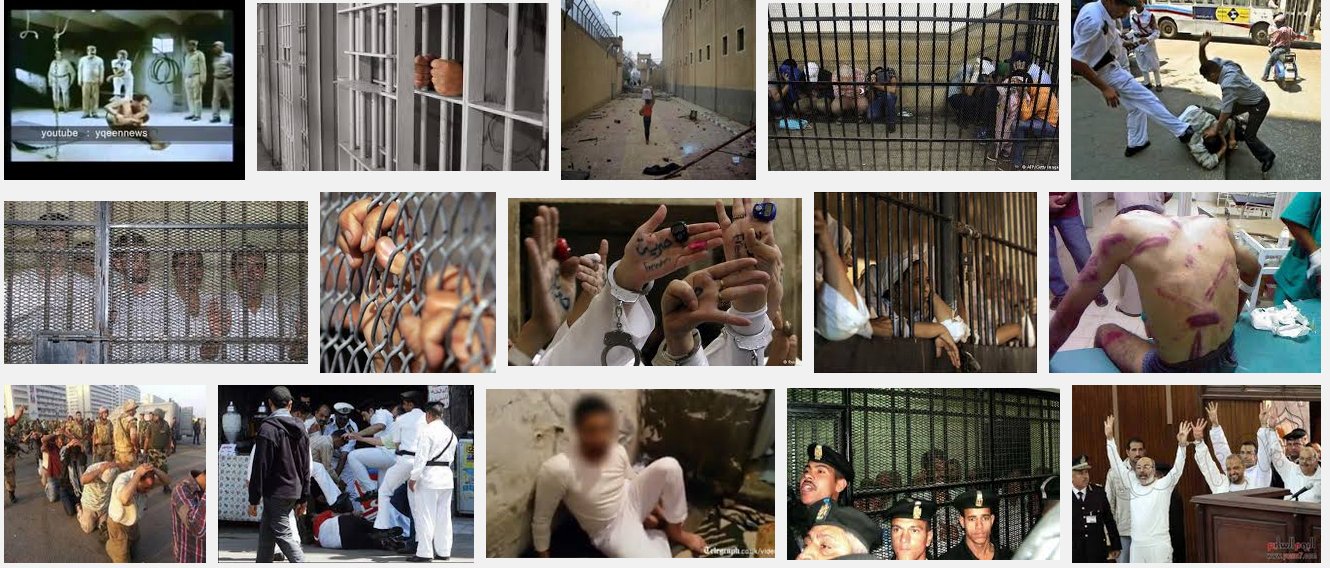
"Once you write "prisons in Egypt" on Google, such horrible results get to you", said Gamal Eid, , a lawyer and Human Rights defender.
Misinformation and Business
On January 27, 2018, Abdel Fattah al-Sisi issued a decree amending some provisions of the Prison Regulation Act No. 396 of 1956, which included several privileges, the press said, calling on the authority to talk since then about "5-star prisons."
These amendments appear to be in favour of prisoners, but have been effectively applied only to a particular category and have been denied the majority of detainees who are already deprived of their rights under the ordinary prison law.
According to Sisi's amendments, which many see as formal: "Allowing the reserved person to stay in a furnished room for an amount set by the assistant minister for the prison service sector is at least 15 pounds per day in accordance with the procedures and rules set out by the internal regulations."
"The right of the convict to communicate and telephone in return for money, and to visit his relatives twice a month", and "to inform the prisoner as soon as he enters prison of his rights, duties and sanctions".
Some amendments authorized prison forces to "use force with the prisoner in self-defence or in the event of attempted flight, physical resistance by force or failure to carry out an order based on law or prison regulations".
Human rights activists criticized the article allowing the use of force with prisoners and considered that allowing prisoners to be beaten in amendments to the prison law legalized torture.
However, none of these and other rights have been applied, detainees have been forcibly concealed, prevented from communicating with their parents or lawyers, and increased torture has led to confessions resulting from coercion that the courts have used to hand down death sentences.
The Interior Ministry has arranged several visits to lawmakers, government journalists and some carefully selected foreign correspondents to publish reports on prison welfare, treatment and fine dining such as kebabs and kofta, mocking websites.
Assistant Interior Minister and Head of the Prison Service Major General Hassan al-Suhaji said in an interview with “Al-Youm Al-Saba” on April 2, 2016, that the situation in Egyptian prisons "resembles international tourist resorts, and that the treatment of prisoners in its medical centers is no different from international centers."
He explained that the prison situation had prompted prisoners to refuse to leave the "five-star tourist prisons", he said.
As the number of detainees and prisoners increased, the prison business, from which police officers profited, recovered as they had a percentage of Cantin's profits, and prisoners and jurists complained about the sale of goods to prisoners three times their market price.
Prison authorities economically exploit prisoners, refusing to eat prepared by families and forcing them to buy from the cantin, a means of police business, according to the Egyptian Initiative for Personal Rights September 28, 2018.
The report, "Selling in the Cantins: Intentional Impoverishment in Egyptian Prisons - Scorpio Prison as a Model", confirms that prison police sell goods to prisoners at fairy prices of more than 300 percent abroad.
"The basic needs of prisoners, which are required by law in prisons, are sold at exorbitant prices in favour of cantin profits, turning prisons into profit centres for detainees and their families and turning into a profitable prison pattern," the report said.
The prison administration abuses the introduction of food to prisoners and remand prisoners and deprives them of their needs for food, hygiene items and personal items, to profit from trade with prisoners, ANHRI reported April 11, 2021.
"The ministry has descended to the bottom, preventing them from capturing prisoners for profit and exploitation, as cantin sells these foods, goods and tools, at prices more expensive than those abroad."