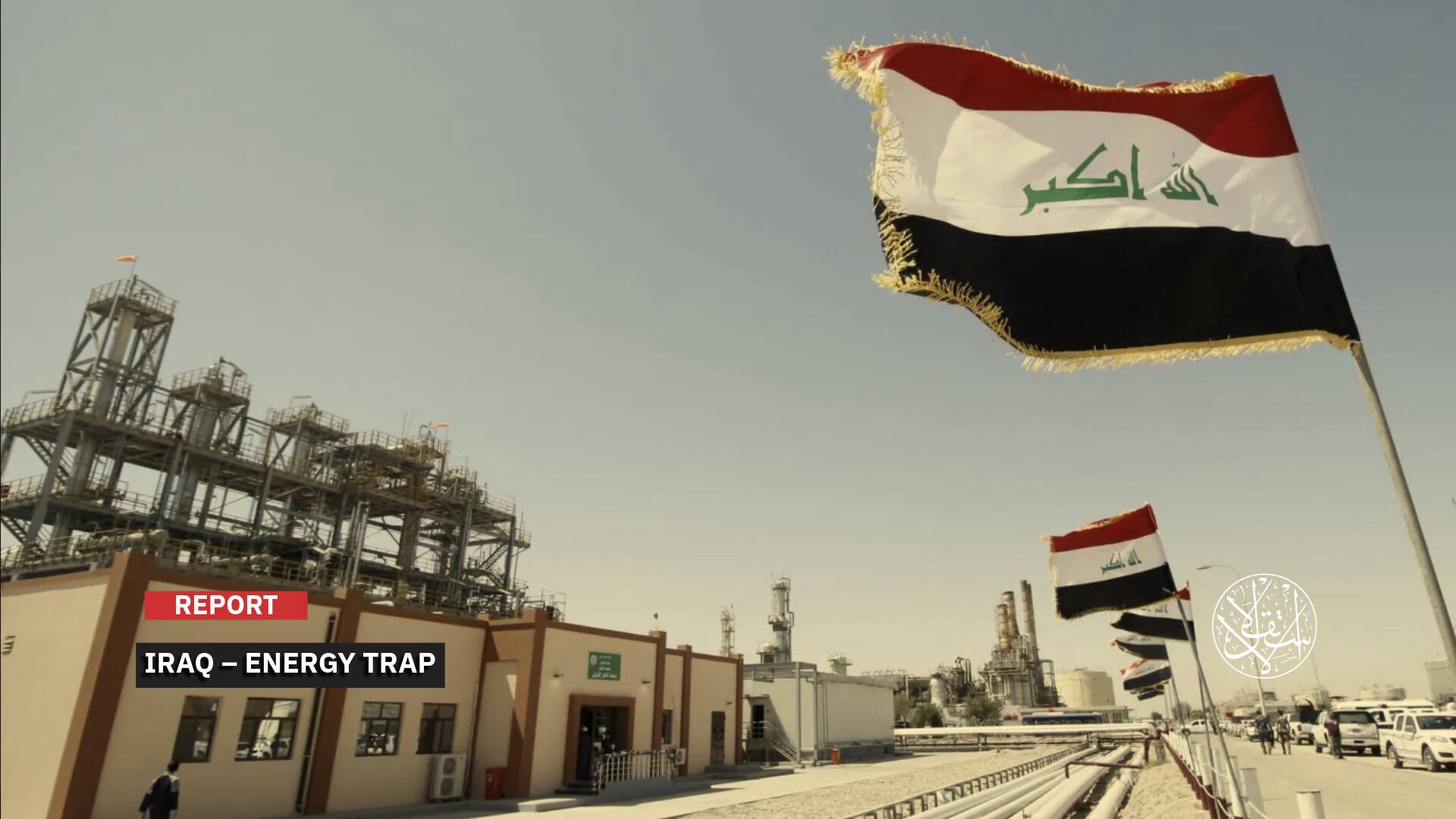
Urea Under Fire: How the U.S. War on Iran Threatens the World’s Food Supply
The continuation of the war could have a catastrophic impact on the global food supply.
At the height of escalating military tensions between the United States and “Israel” on one side and Iran on the other, QatarEnergy announced on March 3, 2026, that it was halting production of a range of chemical and petrochemical products, most notably urea. The move was framed as a precautionary step amid growing security risks across the Gulf.
The decision came just days after the outbreak of war on February 28, which saw reciprocal strikes on military sites and critical infrastructure, fueling widespread concern over the safety of supply chains, energy flows, and regional stability.
Reports by Reuters linked the shutdown to mounting disruptions in shipping through the Strait of Hormuz, one of the world’s most vital maritime chokepoints, through which a significant share of global energy and fertilizer exports passes.
As the crisis deepens, the fallout is no longer confined to energy markets. It is rapidly evolving into a direct threat to the global fertilizer trade, particularly urea, a cornerstone of modern agriculture and a critical driver of food production worldwide.
The Backbone of Food
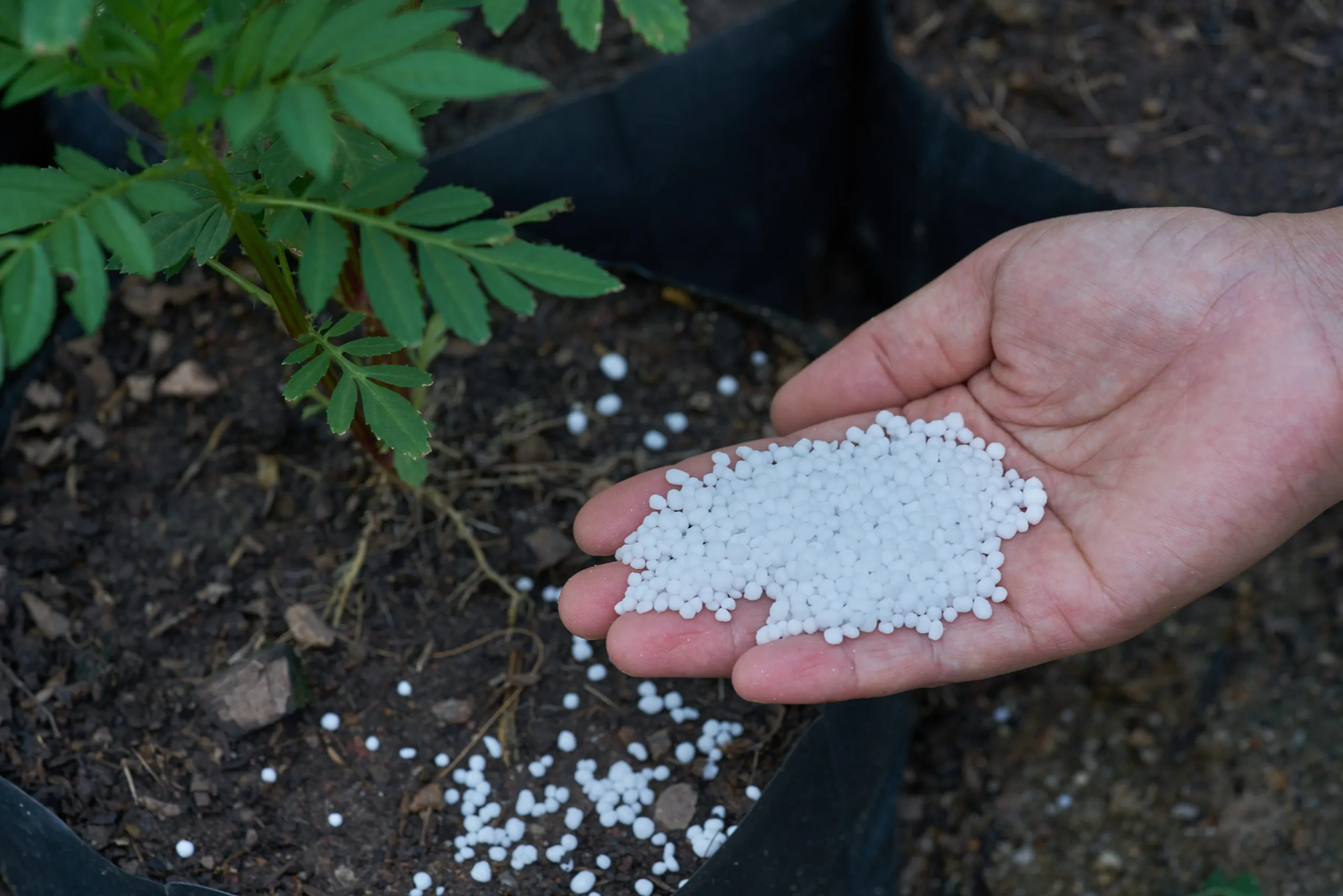
Urea is the world’s most widely used nitrogen fertilizer, prized for its high efficiency, with nitrogen content reaching about 46 percent, according to the UN’s Food and Agriculture Organization (FAO). That potency makes it a central driver of crop growth, feeding directly into the production of staple foods such as wheat, rice, and corn—the pillars of food security across much of the world.
Its importance is difficult to overstate. Agricultural and economic reports consistently warn that any disruption to urea supplies quickly drives up fertilization costs, forcing farmers to scale back usage and, in turn, reducing crop yields. In farming circles, urea is often described as the “engine” of global agricultural output, given its direct impact on productivity and food price stability.
Much of that engine is concentrated in the Gulf. The region has emerged as a major hub for nitrogen fertilizer production, thanks to abundant natural gas, the key input for producing ammonia and urea. Qatar Fertilizer Company (QAFCO), a subsidiary of QatarEnergy, stands among the world’s largest urea producers, with an annual capacity of about 5.6 million tons, making it the biggest exporter from a single site.
Production is similarly concentrated elsewhere in the region. Fertiglobe, the UAE-Dutch company, produces around 6.6 million tons of urea and ammonia annually across facilities in the Middle East and North Africa. Oman India Fertilizer Company (OMIFCO) adds roughly 1.65 million tons each year, while Saudi Arabia’s SABIC Agri-Nutrients continues to expand capacity through strategic projects in Jubail.
This geographic concentration leaves the global market acutely exposed. Any disruption in the Gulf, whether to production, transport, or security, can ripple quickly across the world’s food system, amplifying risks far beyond the region itself.
Supply Chains Under Fire
As the war spills into the Gulf, its impact is no longer confined to energy markets. The shock is now rippling directly through agricultural supply chains.
Urea production depends heavily on natural gas, meaning any disruption to gas output or transport is immediately reflected in fertilizer supply. At the same time, rising military tensions have driven up shipping and insurance costs, particularly along critical maritime routes such as the Strait of Hormuz.
Reuters reported that marine insurers have sharply increased risk premiums, pushing up the cost of transporting fertilizers to global markets, especially in Asia. Some shipping companies have begun rerouting vessels or delaying voyages altogether, slowing the flow of supplies at a critical moment, just as planting seasons begin in many countries.
Markets, however, have not waited for an actual shortage to materialize. Prices have reacted preemptively to mounting risks. Data from Investing.com shows that granular urea prices (FOB Middle East) jumped from around $485 per ton to roughly $597 within days in March 2026, an increase of nearly 23 percent.
The surge reflects what traders call “risk repricing” as markets adjust not only to current supply and demand but also to anticipated disruptions. In the case of urea, expectations of tighter supply—driven by halted production in Qatar and rising shipping costs—have been enough to send prices climbing at speed.

Countries on the Front Line
The fallout from the urea crisis is felt most sharply in countries that rely heavily on imports to sustain their agricultural output.
India stands at the center of the storm. As one of the world’s largest fertilizer importers, it depends significantly on supplies from the Middle East, leaving it highly exposed to price swings and supply disruptions, Reuters reported. Government and industry sources told the agency that New Delhi is now scrambling to secure alternative supplies from Russia, Belarus, and Morocco, as tensions in the Gulf and Chinese export restrictions threaten shortages ahead of the summer planting season.
India imports key inputs including urea, diammonium phosphate, and potash, as well as liquefied natural gas, the primary feedstock for urea production. The Middle East alone accounts for roughly half of its urea and DAP imports, with shipments typically arriving in the critical window between March and May.
The ripple effects extend far beyond India. Brazil, another major fertilizer importer, faces similar vulnerabilities, as do countries across Southeast Asia and parts of Africa, all heavily dependent on external supply to sustain their agricultural sectors.
Some governments are already moving to cushion the blow. Turkiye has scrapped tariffs on urea imports to keep supplies flowing, while in Egypt, prices have surged to around 27,000 pounds per ton, raising fears of a fresh wave of food inflation.
The broader risk is structural. As urea prices rise, fertilization costs climb, forcing farmers to cut back, which in turn reduces crop yields and drives food prices higher. Demand typically peaks in June and July, as planting begins for crops such as rice, corn, cotton, and oilseeds—meaning the worst of the pressure may still lie ahead.

A Catastrophic Ripple Effect
The impact of the urea crisis does not stop at fertilizer markets. It moves through a tightly linked chain that begins on the farm and ends at the dinner table.
As fertilizer prices rise, so do the costs of agricultural production, forcing farmers to cut back on usage or delay application altogether. The result is lower crop yields, particularly during critical growth stages, and a steady decline in overall output.
As production falls, grain prices begin to climb, feeding directly into higher food costs, especially in import-dependent countries. Market signals are already flashing warning signs. The rise in the S&P Composite 1500 index for fertilizers and agricultural chemicals reflects growing expectations of global supply disruptions as the Gulf conflict intensifies.
The pattern is familiar. Previous crises have shown how spikes in energy and fertilizer prices can trigger waves of food inflation, affecting millions worldwide. This time may be no different.
Svein Tore Holsether, the chief executive of Norway’s Yara International, warned that a prolonged war could have devastating consequences for global food supplies. Speaking to The Guardian, he said crop output could fall by as much as 50 percent if plants are deprived of adequate fertilizer. He added that the market is facing a double shock: tightening supplies and rising gas prices, a combination that risks pushing poorer countries out of the market altogether.
The World Food Programme (WFP) has also warned that rising food and energy costs could deepen global hunger, particularly in already vulnerable regions.
Research published in Nature Communications underscores the broader shift. Modern wars are no longer confined to battlefields; they reach deep into the global economy, where a single strike can disrupt a chain that runs from gas to fertilizer and from fertilizer to food.
In a world that relies on industrial fertilizers to feed billions, the most dangerous consequences of war may not be counted in immediate casualties but in those who face empty plates months later. What begins with urea may ultimately end with bread.
Sources
- Qatar’s Urea: Could the Production Shutdown Disrupt the Global Fertilizer Market? [Arabic]
- The Russia-Ukraine war reduced food production and exports with a disparate geographical impact worldwide
- How does the Iran war affect fertiliser supplies, prices and food security?
- Fertilizer industry weighs up war impacts
- Urea reaches 27,000 pounds per ton: fertilizer prices today in the markets [Arabic]
- Turkiye Scraps Tariffs on Urea Amid the War [Arabic]